TR
TR EN
EN

Important Things LPG Vehicle Owners Should Pay Attention To
LPG can be an economical and reliable fuel for vehicles when the system is properly installed, correctly adjusted, and regularly maintained. However, LPG systems work with a pressurized and flammable fuel, so they require some additional attention compared with conventional gasoline or diesel systems.
For LPG vehicle owners, safety is not limited to checking fuel consumption or LPG prices. The condition of the tank, multivalve, regulator, injectors, fuel lines, filters, and electrical components should also be monitored regularly.
Keep the LPG System Properly Maintained
An LPG system should be inspected regularly, just like the vehicle's engine, braking system, and other mechanical components.
Depending on the system, LPG maintenance may include checking:
-
LPG filters
-
Regulator
-
LPG injectors
-
Multivalve
-
LPG tank
-
Fuel lines and hoses
-
Electrical connections
-
LPG ECU
-
Pressure and temperature sensors
There is no single maintenance interval that applies to every LPG system. The recommended interval should be based on the LPG kit manufacturer's specifications and the vehicle's operating conditions.
Replace the LPG Filter on Time
The LPG filter helps prevent dirt, particles, and oily residues from reaching sensitive components such as the injectors.
A heavily contaminated filter can contribute to:
-
Poor LPG performance
-
Rough idle
-
Hesitation
-
Misfires
-
Increased fuel consumption
-
Irregular injector operation
The filter should therefore be replaced according to the recommended maintenance schedule rather than waiting until a noticeable problem develops.
Never Ignore an LPG Smell
A strong or persistent LPG smell should never be considered normal.
LPG systems are designed with odorants so that leaks can be detected more easily. If a noticeable gas smell is detected inside or around the vehicle, the system should be inspected.
Pay particular attention if the smell is coming from:
-
The engine compartment
-
Around the LPG tank
-
The trunk area
-
The filler connection
-
LPG hoses and fittings
-
The regulator or multivalve area
If the smell is strong, continuing to drive the vehicle without checking the system is not advisable.
Check the LPG Tank Regularly
The LPG tank is one of the most important safety components of the system.
The tank should be inspected for signs of:
-
Severe corrosion
-
Dents
-
Physical damage
-
Deformation
-
Other visible deterioration
The manufacturing date and applicable service life should also be monitored. A tank that has reached its applicable service-life limit or no longer meets the relevant requirements should be replaced.
When replacing an LPG tank, capacity alone is not enough. Its:
-
Diameter
-
Length or height
-
Tank type
-
Multivalve compatibility
-
Mounting configuration
must also be considered.
Do Not Replace an LPG Tank Yourself
Replacing an LPG tank is not an ordinary DIY repair.
The system must be made safe before the old tank is removed. The new tank must be installed correctly, the multivalve must be compatible, and all connections must be checked for leaks after installation.
Using an unsuitable tank or incompatible multivalve can result in incorrect fuel-level readings, installation problems, and safety issues.
Tank replacement should therefore be carried out by a qualified LPG technician.
Do Not Attempt to Overfill the LPG Tank
LPG tanks are designed to be filled within a specified safe limit. The multivalve incorporates safety functions intended to prevent the tank from being filled beyond its permitted level.
During refueling, the system should be allowed to operate normally.
If unusual noises, a strong gas smell, or another abnormal condition occurs during refueling, the problem should not be ignored.
Check the LPG Filler and Cap
The LPG filler connection may seem like a minor component, but it is an important part of the fuel system.
The filler area should be checked if:
-
The cap is missing
-
The filler connection is damaged
-
There is a gas smell around the filler
-
Refueling suddenly becomes abnormal
-
Dirt or physical damage is visible around the connection
Any suspected problem should be inspected before continuing normal use.
Do Not Completely Forget About Gasoline
Most LPG vehicles still use gasoline during starting and switch to LPG after certain operating conditions are reached.
For this reason, the gasoline tank should never be allowed to remain completely empty.
Keeping the gasoline level extremely low for long periods can also be undesirable on vehicles where the fuel pump relies on the surrounding fuel for cooling.
Gasoline is also an important backup if the LPG system develops a problem.
Pay Attention to the Difference Between Gasoline and LPG Performance
A small difference in performance between gasoline and LPG can be normal depending on the vehicle and calibration. However, a significant deterioration in LPG operation should be investigated.
For example, if the vehicle:
-
Loses substantial power on LPG
-
Misfires
-
Hesitates during acceleration
-
Struggles at high RPM
-
Consumes significantly more LPG than expected
the LPG system should be checked.
Regulator pressure, filters, injectors, calibration, sensors, and fuel trims may all need to be evaluated.
The problem should not automatically be blamed on the LPG system, however. Ignition components, air leaks, engine sensors, fuel systems, and mechanical engine problems can also affect LPG operation.
Do Not Blame Every Engine Problem on LPG
Not every problem on an LPG vehicle is caused by the LPG system.
An illuminated check-engine light, for example, can be caused by:
-
Spark plugs
-
Ignition coils
-
Oxygen sensors
-
MAP or MAF sensors
-
Fuel injectors
-
Vacuum or intake leaks
-
Catalytic converter problems
-
Crankshaft or camshaft sensors
-
Fuel pressure problems
The correct approach is to read the diagnostic trouble codes and test the systems involved rather than replacing LPG components without proper diagnosis.
Keep the LPG Injectors in Good Condition
LPG injectors can become contaminated or worn over time.
Injector problems may cause:
-
Rough idle
-
Misfires
-
Hesitation
-
Uneven cylinder operation
-
Increased fuel consumption
-
Poor acceleration
However, injectors should not automatically be replaced as soon as these symptoms appear.
LPG pressure, filter condition, electrical connections, calibration, and injector operation should be tested first.
Monitor LPG Regulator Pressure
The LPG regulator plays an important role in converting and controlling the fuel supplied to the engine.
If regulator pressure becomes unstable or insufficient, the problem may become particularly noticeable under heavy engine load.
A vehicle may idle normally but experience hesitation or power loss during hard acceleration if the LPG pressure is not maintained correctly.
Checking regulator pressure and related live data can help identify whether the regulator is actually responsible.
The Ignition System Is Especially Important on LPG Vehicles
LPG engines can be more sensitive to ignition-system condition than gasoline operation.
Therefore, it is important to make sure that:
-
Spark plugs are in good condition
-
The correct spark plugs are installed
-
Spark plug gaps are appropriate
-
Ignition coils are functioning correctly
-
Ignition wiring is in good condition where applicable
A vehicle that runs reasonably well on gasoline but misfires under LPG operation should have its ignition system carefully checked.
Use the Correct Spark Plugs
There is no universal “LPG spark plug” that is suitable for every vehicle.
Spark plug selection should be based on the engine manufacturer's specifications and the requirements of the particular LPG conversion.
Installing a random spark plug simply because it is marketed as an “LPG plug” is not necessarily the correct solution.
The correct heat range, electrode design, gap, and compatibility with the engine should be considered.
Do Not Randomly Change LPG ECU Settings
The calibration of the LPG ECU has a major effect on how the vehicle operates.
Incorrect calibration can result in:
-
Lean mixtures
-
Rich mixtures
-
Increased fuel consumption
-
Poor performance
-
Misfires
-
Check-engine lights
-
Poor drivability
LPG software settings should therefore not be changed randomly based on generic settings found online.
Calibration should be performed using the vehicle's actual operating data and the specific LPG system installed.
Consider the Vehicle's Driving Conditions
Driving conditions can affect both vehicle maintenance and LPG system performance.
Frequent short trips, heavy traffic, constant stop-and-go driving, high engine loads, and prolonged idling can increase maintenance requirements.
These conditions can affect not only the LPG system but also the engine oil, cooling system, battery, ignition system, and other components.
Pay Attention to Enclosed Parking Garages
Rules concerning LPG vehicles in enclosed and underground parking garages vary between countries and individual facilities.
Some parking garages permit LPG vehicles if they have suitable ventilation, gas detection, and fire-safety systems. Others prohibit LPG vehicles entirely.
Drivers should always follow the signs and rules of the particular facility instead of assuming that LPG vehicles are permitted everywhere.
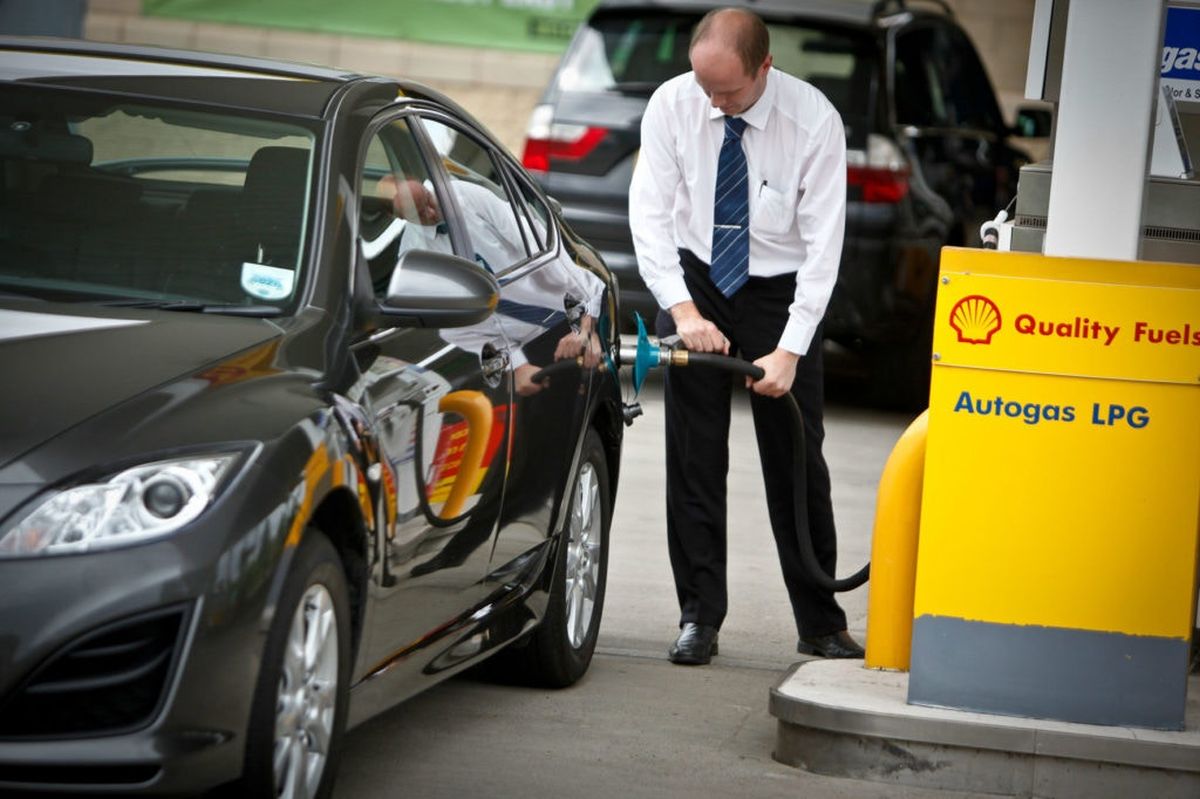
Follow Basic LPG Refueling Safety Rules
Some simple precautions should always be followed during LPG refueling.
During refueling:
-
The engine should be switched off.
-
Smoking and open flames should be avoided.
-
Instructions from the refueling attendant should be followed.
-
Any unusual smell or sound should be reported.
-
Refueling should be stopped if a leak or abnormal condition is suspected.
Refueling should always take place at an appropriate LPG station using equipment intended for automotive LPG.
What Should You Do If You Smell LPG?
If you notice a strong LPG smell, take the situation seriously.
If it is safe to do so, move the vehicle to an open and well-ventilated area away from ignition sources. Avoid actions that could create sparks and have the LPG system inspected by a qualified technician.
If a strong LPG smell is detected inside an enclosed garage, extra caution is necessary because leaked gas can accumulate in low areas.
Be Careful When Adding or Replacing LPG Components
LPG components must be compatible with one another.
The tank, multivalve, regulator, injectors, filters, sensors, and other components should not be selected solely according to appearance or price.
For example, an incompatible level sensor can cause the LPG gauge to display an incorrect fuel level. Similarly, using the wrong multivalve for a particular tank can create compatibility and installation problems.
Technical compatibility is just as important as the brand of the component.
Keep Records of Important LPG Repairs
Keeping records of major LPG system repairs and replacements can be useful.
Important information may include:
-
Tank replacement date
-
Tank manufacturer and specifications
-
Multivalve replacement
-
Regulator replacement
-
Injector replacement
-
LPG ECU replacement
-
Filter replacement
-
Major calibration work
These records make future maintenance easier and help technicians understand the vehicle's LPG system history.
Common Mistakes LPG Vehicle Owners Should Avoid
Several common habits can create unnecessary problems over time.
These include:
-
Ignoring LPG filter replacement
-
Ignoring the smell of gas
-
Failing to monitor the LPG tank's age
-
Using unqualified technicians
-
Replacing components without proper diagnosis
-
Changing LPG calibration without understanding the data
-
Driving with almost no gasoline
-
Ignoring the ignition system
-
Installing incompatible tanks or multivalves
-
Choosing LPG components based only on price
-
Continuing to drive despite signs of a gas leak
Avoiding these mistakes can significantly improve both reliability and safety.
Safe LPG Use Starts With Regular Attention
Owning an LPG vehicle does not require complicated daily procedures, but it does require paying attention to warning signs and maintenance.
A properly installed LPG system, a compliant and well-maintained tank, a correctly matched multivalve, clean filters, healthy injectors, stable regulator pressure, and accurate ECU calibration all contribute to reliable operation.
Most importantly, unusual symptoms should not be ignored. Gas smells, sudden performance changes, repeated misfires, abnormal fuel consumption, or unexplained warning lights should be diagnosed before they develop into larger problems.
With proper installation, regular maintenance, compatible components, and responsible driving habits, an LPG vehicle can provide economical and dependable service for many years.