TR
TR EN
EN

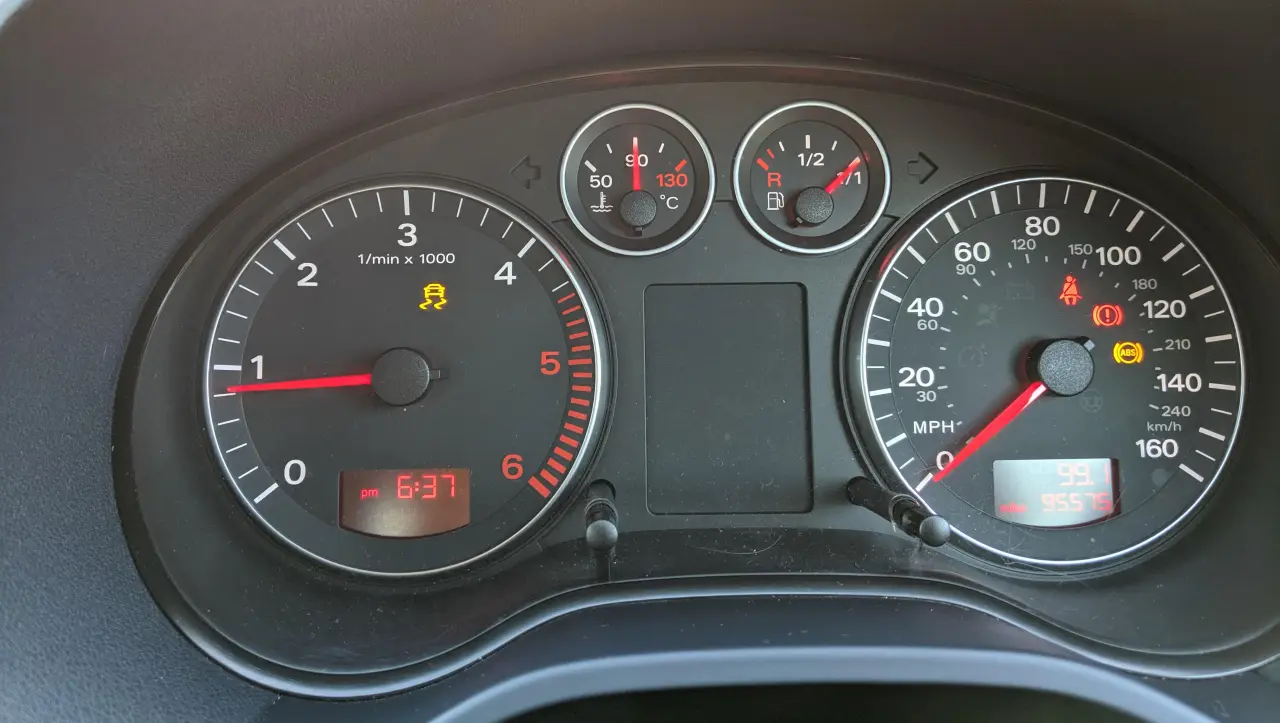
Why Is the ESP Warning Light On? Causes, Meaning, and What You Should Do
Modern vehicles are equipped with a wide range of electronic safety systems designed to help drivers maintain control in difficult driving conditions. One of the most important is the Electronic Stability Program (ESP), also known in some vehicles as Electronic Stability Control (ESC) or Dynamic Stability Control (DSC).
If you've noticed the ESP warning light on your dashboard, you may wonder whether it's safe to continue driving or if your vehicle needs immediate attention.
In this guide, we'll explain what the ESP warning light means, why it turns on, the most common causes, and when you should have your vehicle inspected.
What Is ESP?
ESP (Electronic Stability Program) is an advanced safety system designed to help prevent skidding, oversteer, understeer, and loss of vehicle control.
Using information from multiple sensors, the system continuously monitors:
-
Steering angle
-
Wheel speed
-
Vehicle direction
-
Yaw rate
-
Lateral acceleration
If the system detects that the vehicle is not traveling in the direction intended by the driver, it automatically intervenes.
ESP can:
-
Apply braking force to individual wheels
-
Reduce engine power
-
Help stabilize the vehicle
-
Improve traction on slippery roads
ESP works together with systems such as ABS (Anti-lock Braking System) and Traction Control (TCS) to improve overall vehicle stability.
What Does the ESP Warning Light Mean?
The ESP indicator usually appears as:
-
A car with skid marks underneath
-
"ESP"
-
"ESC"
-
"DSC" (depending on the manufacturer)
The meaning depends on whether the light is flashing or remains illuminated.
Flashing ESP Light
A flashing ESP light is usually good news.
It means the stability control system is actively working to maintain traction or prevent the vehicle from skidding.
This commonly happens during:
-
Wet roads
-
Snow or ice
-
Gravel surfaces
-
Sharp cornering
-
Hard acceleration on slippery pavement
The flashing light indicates the system is functioning as designed.
Solid ESP Warning Light
If the ESP light stays on continuously, the system has either:
-
Been manually switched off, or
-
Detected a malfunction.
When this happens, the vehicle can usually still be driven, but stability assistance may no longer be available.
This increases the risk of losing control during emergency maneuvers or on slippery roads.
Common Causes of an ESP Warning Light
Several different issues can trigger the ESP warning light.
1. Slippery Road Conditions
The most common and least serious cause is temporary wheel slip.
When the vehicle begins to lose traction, the ESP system activates automatically.
Symptoms include:
-
Flashing warning light
-
Brief reduction in engine power
-
Automatic brake intervention
This is completely normal.
2. Faulty Wheel Speed Sensor
Each wheel is equipped with a speed sensor that constantly sends information to the ABS and ESP systems.
If one sensor fails, the stability control system may no longer receive accurate data.
Common symptoms include:
-
ESP light
-
ABS warning light
-
Traction control warning
Replacing the faulty sensor usually resolves the issue.
3. Steering Angle Sensor Problems
The steering angle sensor tells the ESP system where the driver intends to steer.
If the sensor becomes damaged or loses calibration, the system cannot accurately determine whether the vehicle is following the driver's intended path.
This may trigger a persistent ESP warning light.
In some cases, recalibration is sufficient, while other cases require sensor replacement.
4. Low Battery Voltage
Modern electronic systems depend on stable electrical voltage.
A weak battery or charging system problem may cause multiple warning lights to appear, including the ESP indicator.
Possible causes include:
-
Aging battery
-
Weak alternator
-
Poor electrical connections
Testing the battery and charging system is recommended.
5. ABS System Problems
Because ESP relies heavily on the Anti-lock Braking System, ABS faults often disable stability control as well.
Examples include:
-
Damaged ABS module
-
Hydraulic faults
-
Sensor failures
-
Wiring problems
It is common to see both the ABS and ESP warning lights illuminated together.
6. Brake System Issues
ESP uses the braking system to stabilize the vehicle.
If brake performance is compromised, the stability control system may deactivate itself.
Possible causes include:
-
Low brake fluid
-
Hydraulic leaks
-
Brake pressure problems
-
Worn brake components
The braking system should always be inspected immediately if warning lights appear.
7. ESP Was Switched Off Manually
Many vehicles include an ESP OFF button.
Drivers sometimes disable the system intentionally when:
-
Driving in deep snow
-
Driving through sand
-
Off-road driving
-
Attempting to free a stuck vehicle
If the system has simply been switched off, pressing the ESP button again usually restores normal operation.
Is It Safe to Drive With the ESP Warning Light On?
The answer depends on why the light is illuminated.
If the light is flashing, the system is actively helping maintain vehicle stability.
Driving can normally continue safely while using appropriate caution for road conditions.
If the light remains constantly on, the vehicle may still be drivable under normal conditions, but stability assistance is unavailable.
Extra caution should be exercised when driving on:
-
Wet roads
-
Snow
-
Ice
-
Gravel
-
Sharp curves
The underlying problem should be diagnosed as soon as possible.
What Should You Do When the ESP Light Comes On?
If the ESP warning light appears, try the following steps:
-
Restart the engine.
-
Check whether the ESP was accidentally switched off.
-
Inspect the battery if electrical problems are suspected.
-
Verify brake fluid level.
-
Check tire pressures.
-
Scan the vehicle with an OBD-II diagnostic tool.
-
Have the vehicle inspected by a qualified technician if the warning remains.
Ignoring the warning may increase the risk of losing vehicle stability in emergency situations.
Can Tire Problems Trigger the ESP Light?
Yes.
Incorrect tire pressure or mismatched tires can confuse the wheel speed sensors used by the ESP system.
Possible issues include:
-
Underinflated tires
-
Different tire sizes
-
Uneven tire wear
-
Incorrect replacement tires
Maintaining proper tire pressure and using matching tires helps ensure the system operates correctly.
Can Weather Cause the ESP Light to Flash?
Absolutely.
The ESP system is more active during poor weather because wheel slip is more likely.
You may notice the warning light flashing more often during:
-
Heavy rain
-
Snow
-
Ice
-
Mud
-
Loose gravel
In these situations, a flashing light simply indicates that the system is working to maintain traction.
Can You Turn ESP Off?
Yes, many vehicles allow drivers to temporarily disable ESP.
However, for normal road driving, manufacturers strongly recommend leaving the system enabled.
Turning ESP off may reduce vehicle stability during emergency maneuvers and increase the likelihood of skidding.
Final Thoughts
The ESP warning light is an important safety indicator that should never be ignored. A flashing light usually means the system is actively helping maintain traction, while a solid warning light often indicates that the stability control system has been disabled or has detected a fault.
Although your vehicle may still be drivable with the light on, reduced stability assistance can increase the risk of losing control on wet, icy, or slippery roads. Prompt diagnosis and repair help ensure that one of your vehicle's most valuable safety systems remains fully operational when you need it most.