TR
TR EN
EN

What Is Clutch Slipping? Causes, Symptoms, and How to Fix It
The clutch is one of the most important components in a manual transmission vehicle. It transfers engine power to the transmission, allowing the vehicle to move smoothly while enabling the driver to change gears. One of the most common clutch-related problems is clutch slipping.
But what exactly does clutch slipping mean? What causes it, how can you recognize the symptoms, and what should you do if it happens? In this guide, we'll explain everything you need to know.
What Is Clutch Slipping?
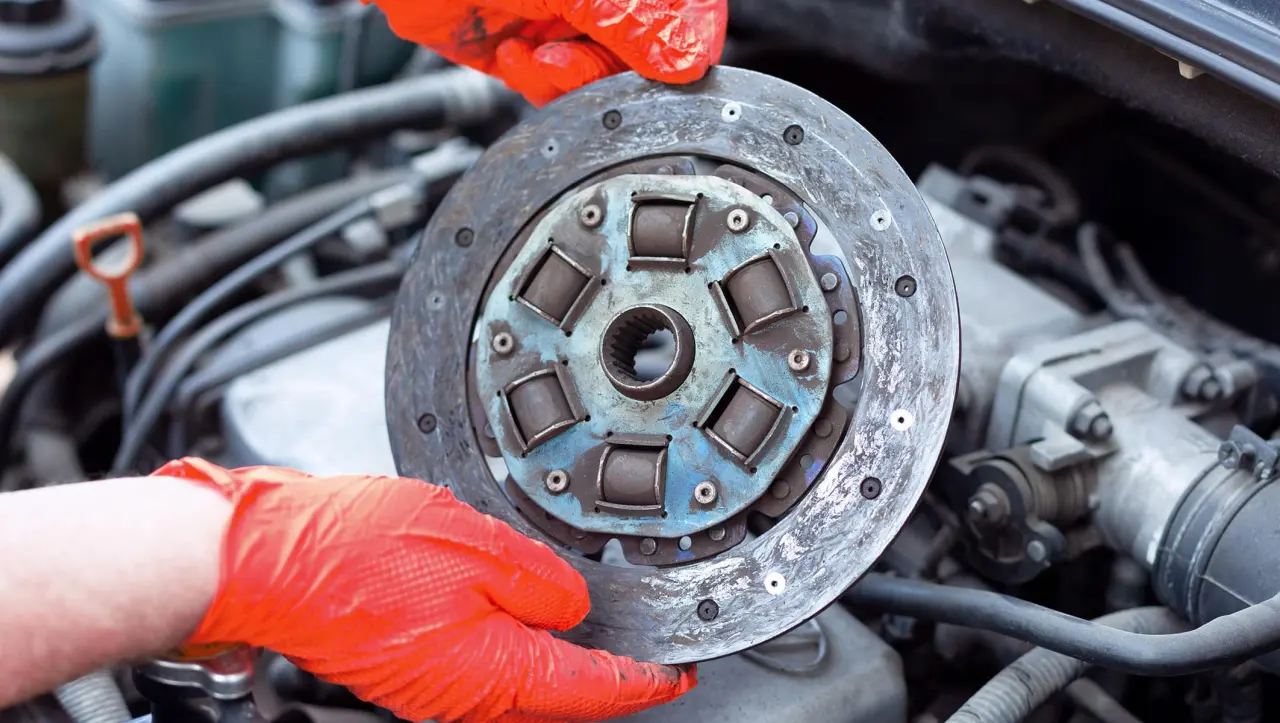
Clutch slipping occurs when the clutch disc fails to fully engage with the flywheel, preventing the engine's power from being efficiently transmitted to the transmission.
As a result, the engine produces power normally, but a portion of that power is lost before it reaches the wheels.
Typical signs include:
-
Engine RPM increases without a matching increase in vehicle speed.
-
Poor acceleration, especially under heavy throttle.
-
Reduced pulling power when climbing hills.
Ignoring clutch slip can eventually leave the vehicle unable to move under its own power.
Common Symptoms of a Slipping Clutch
Several warning signs can indicate that your clutch is beginning to slip.
Engine RPM Rises but Speed Doesn't
This is the classic symptom of clutch slipping.
When you press the accelerator:
-
Engine speed climbs quickly.
-
Vehicle acceleration remains weak.
-
The engine sounds like it's working harder than usual.
This happens because the clutch cannot fully transfer engine torque to the transmission.
Poor Hill-Climbing Performance
A slipping clutch often becomes more noticeable when driving uphill.
You may notice:
-
Loss of pulling power
-
Higher RPM without additional speed
-
Difficulty maintaining momentum
The extra load exposes the weakened clutch's inability to transmit sufficient torque.
Burning Smell
A worn clutch generates excessive friction and heat.
Many drivers notice:
-
A burning odor after repeated starts
-
Burning smell during hill driving
-
Smell after towing or carrying heavy loads
This odor often comes from overheated clutch friction material.
High Clutch Engagement Point
If the clutch only begins to engage when the pedal is almost fully released, excessive clutch wear may be present.
Although every vehicle feels slightly different, a noticeably higher engagement point often indicates a worn clutch disc.
Difficult Gear Changes
Advanced clutch wear may also cause:
-
Hard shifting
-
Grinding when selecting gears
-
Increased effort during gear changes
While difficult shifting can have several causes, clutch problems are among the most common.
What Causes Clutch Slipping?
Several mechanical issues can lead to clutch slip.
Worn Clutch Disc
This is by far the most common cause.
Over time, the clutch friction material gradually wears away until it can no longer grip the flywheel effectively.
Common causes include:
-
High mileage
-
Frequent stop-and-go driving
-
Aggressive driving habits
-
Excessive clutch use
Once the friction material becomes too thin, replacement is necessary.
Worn Pressure Plate
The pressure plate keeps the clutch disc firmly pressed against the flywheel.
If its springs weaken or internal components wear out:
-
Clamping force decreases.
-
The clutch begins slipping.
-
Power transfer becomes inconsistent.
Because these parts wear together, replacing the complete clutch kit is generally recommended.
Damaged Flywheel
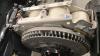
The flywheel provides the friction surface that the clutch disc grips.
Problems include:
-
Heat spots
-
Cracks
-
Warping
-
Uneven wear
A damaged flywheel prevents proper clutch engagement.
Depending on its condition, it may require resurfacing or replacement.
Hydraulic or Mechanical Clutch Problems
Some clutch systems rely on hydraulic pressure.
Problems may include:
-
Hydraulic fluid leaks
-
Faulty master or slave cylinders
-
Air in the hydraulic system
Cable-operated systems can also develop:
-
Stretched clutch cables
-
Incorrect adjustment
-
Binding mechanisms
These issues can prevent the clutch from fully engaging.
Poor Driving Habits
Driver behavior has a significant impact on clutch life.
Habits that accelerate wear include:
-
Riding the clutch pedal
-
Holding the vehicle on hills using the clutch
-
Excessive half-clutch driving
-
Aggressive launches
-
Frequently slipping the clutch in traffic
Over time, these habits dramatically shorten clutch lifespan.
Is a Slipping Clutch Dangerous?
Yes.
Although the vehicle may still drive, clutch slipping should never be ignored.
Possible consequences include:
-
Reduced acceleration
-
Unsafe overtaking performance
-
Difficulty climbing steep hills
-
Complete clutch failure
-
Damage to the flywheel
-
Increased repair costs
The longer you continue driving with a slipping clutch, the greater the risk of additional drivetrain damage.
What Should You Do If Your Clutch Is Slipping?
If you suspect clutch slip, take action early.
Perform a Simple Driving Test
A common test involves:
-
Driving at low speed.
-
Selecting a higher gear than normal.
-
Applying moderate throttle.
If engine RPM rises rapidly without proportional acceleration, clutch slip is likely.
Check the Clutch Pedal
Watch for:
-
High engagement point
-
Unusual pedal feel
-
Excessive free play
-
Inconsistent engagement
These symptoms may help identify the problem.
Have the Vehicle Professionally Inspected
A qualified technician can inspect:
-
Clutch disc
-
Pressure plate
-
Release bearing
-
Flywheel
-
Hydraulic components
-
Clutch linkage
Proper diagnosis prevents unnecessary repairs.
Replace the Complete Clutch Kit
In most cases, replacing only the worn clutch disc is not recommended.
A complete clutch kit typically includes:
-
Clutch disc
-
Pressure plate
-
Release bearing
If necessary, the flywheel should also be resurfaced or replaced to ensure reliable operation.
How to Prevent Clutch Slipping
Good driving habits can significantly extend clutch life.
Follow these recommendations:
-
Avoid resting your foot on the clutch pedal.
-
Don't use the clutch to hold the vehicle on hills—use the parking brake instead.
-
Release the clutch smoothly during takeoff.
-
Avoid unnecessary clutch slipping.
-
Shift gears properly.
-
Do not overload the vehicle beyond its rated capacity.
-
Address unusual clutch behavior early.
Many clutches can last well over 100,000 to 150,000 km (62,000 to 93,000 miles) with proper use, although lifespan varies depending on driving style and operating conditions.
Final Thoughts
Clutch slipping is one of the most common manual transmission problems, and it usually develops gradually rather than suddenly. Recognizing the early warning signs—such as rising engine RPM without acceleration, poor hill-climbing performance, a burning smell, or a high clutch engagement point—can help prevent more expensive repairs.
If your vehicle shows any of these symptoms, don't wait until the clutch fails completely. Early diagnosis and timely repair will restore performance, improve safety, and help avoid damage to other transmission components.