TR
TR EN
EN

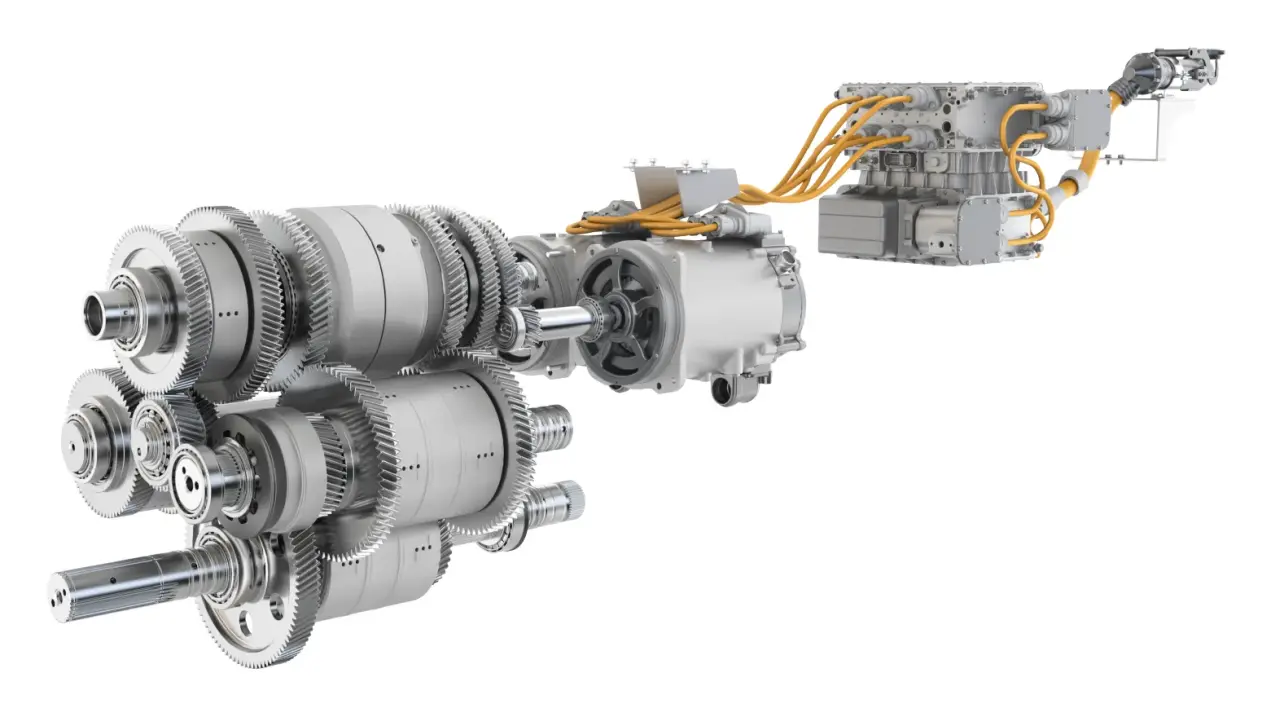
eVT Transmission Explained: How It Works, Pros and Cons
As hybrid vehicles become increasingly popular, transmission technology has also evolved to improve efficiency and reduce fuel consumption. One of the most advanced systems used in modern hybrid cars is the eVT (Electronically Variable Transmission).
Although it shares a similar name with the traditional CVT (Continuously Variable Transmission), an eVT is built on a completely different mechanical concept. Instead of relying on belts and pulleys, it combines electric motors with a planetary gear set to seamlessly distribute power between the gasoline engine and electric motor.
In this guide, we'll explain what an eVT transmission is, how it works, its advantages and disadvantages, common applications, and whether it's a good choice for long-term ownership.
What Is an eVT Transmission?
An Electronically Variable Transmission (eVT) is a transmission system primarily designed for hybrid and plug-in hybrid vehicles.
Unlike conventional automatic transmissions that shift between fixed gear ratios, an eVT continuously adjusts power delivery by electronically managing the interaction between:
-
The gasoline engine
-
One or more electric motors
-
A planetary gear set
The result is smooth, efficient acceleration without traditional gear changes.
How Does an eVT Transmission Work?
An eVT does not use clutches or conventional gears in the same way as traditional automatic transmissions.
Instead, it operates through three main components:
-
Internal combustion engine
-
Electric motor(s)
-
Planetary gear system (power split device)
The system constantly determines the most efficient way to deliver power depending on driving conditions.
For example:
-
During gentle acceleration, the electric motor may power the vehicle alone.
-
During highway driving, the gasoline engine becomes the primary power source.
-
Under heavy acceleration, both systems work together.
-
During braking, the electric motor acts as a generator to recover energy and recharge the battery.
Because there are no conventional gear changes, acceleration feels exceptionally smooth.
Main Components of an eVT
The transmission relies on several integrated systems.
Planetary Gear Set
The planetary gear system acts as the central power distributor.
Instead of selecting gears, it continuously blends engine and electric motor power.
Electric Motor(s)
Hybrid vehicles typically use one or more electric motors that:
-
Drive the vehicle
-
Assist acceleration
-
Generate electricity during regenerative braking
-
Start the gasoline engine when necessary
Electronic Control Unit
The vehicle's computer constantly monitors:
-
Vehicle speed
-
Battery charge
-
Throttle position
-
Engine load
-
Driving conditions
It automatically determines the most efficient operating mode.
Advantages of an eVT Transmission
eVT technology offers several significant benefits.
Excellent Fuel Economy
Because the system continuously optimizes engine speed and electric motor assistance, fuel consumption is significantly reduced, especially in city driving.
Smooth Driving Experience
There are:
-
No noticeable gear changes
-
No shift shock
-
No clutch engagement
Acceleration remains linear and comfortable.
Fewer Wear Components
Unlike many conventional transmissions, an eVT typically has:
-
No clutch packs
-
No torque converter
-
No shift forks
-
Fewer friction components
This generally reduces mechanical wear.
Lower Maintenance Requirements
Many hybrid systems using eVT transmissions require less maintenance than traditional automatic gearboxes.
Routine servicing usually consists of:
-
Periodic transmission fluid inspection
-
Cooling system maintenance
-
Software updates (where applicable)
Excellent Reliability
Because of their relatively simple mechanical design, eVT systems have earned a reputation for long-term reliability when properly maintained.
Many hybrid taxis have exceeded several hundred thousand kilometers with their original transmission.
Disadvantages of an eVT Transmission
Although highly efficient, eVT systems also have some drawbacks.
Less Engaging for Enthusiastic Drivers
Since there are no traditional gear shifts, some drivers feel disconnected from the driving experience.
Acceleration can feel different compared to conventional automatics.
Higher Repair Costs
Although failures are relatively uncommon, repairs can be expensive because:
-
Specialized hybrid technicians are required
-
Electric drive components are complex
-
Replacement parts can be costly
Primarily Designed for Hybrid Vehicles
Unlike traditional automatics, eVT systems are generally limited to:
-
Hybrid vehicles
-
Plug-in hybrids
They are not commonly used in conventional gasoline-only cars.
Can Produce Engine Drone Under Heavy Acceleration
During rapid acceleration, the gasoline engine may remain at a high RPM while vehicle speed gradually catches up.
Some drivers describe this as a "rubber-band" effect, although modern systems have greatly reduced this sensation.
eVT vs. CVT: What's the Difference?
Although their names are similar, eVT and CVT operate very differently.
| Feature | eVT | CVT |
|---|---|---|
| Primary Application | Hybrid vehicles | Gasoline vehicles |
| Gear Mechanism | Planetary gear set | Belt and pulley |
| Electric Motor Integration | Yes | No |
| Mechanical Belt | No | Yes |
| Regenerative Braking | Yes | No |
| Typical Reliability | Very high | Depends on maintenance |
Which Vehicles Use eVT Transmissions?
Many leading hybrid manufacturers use eVT technology.
Examples include:
-
Toyota Prius
-
Toyota Corolla Hybrid
-
Toyota RAV4 Hybrid
-
Toyota Camry Hybrid
-
Lexus ES Hybrid
-
Lexus RX Hybrid
-
Lexus NX Hybrid
-
Hyundai Tucson Hybrid
-
Hyundai Santa Fe Hybrid
-
Kia Sportage Hybrid
-
Kia Niro Hybrid
-
Ford Escape Hybrid
-
Ford Maverick Hybrid
Different manufacturers may use different names, but the operating principle is often similar.
Is an eVT Transmission Reliable?
Overall, yes.
Among modern transmission technologies, eVT systems are widely regarded as some of the most dependable.
Their strong reputation comes from:
-
Fewer moving parts
-
Reduced friction
-
No traditional clutch wear
-
Intelligent electronic control
-
Optimized hybrid operation
However, like any transmission, reliability still depends on:
-
Following the manufacturer's maintenance schedule
-
Keeping cooling systems in good condition
-
Using the correct transmission fluid where applicable
-
Promptly addressing warning lights or unusual behavior
How Long Does an eVT Transmission Last?
With proper maintenance, an eVT transmission can often exceed:
-
200,000 km (125,000 miles)
-
300,000 km (186,000 miles)
-
In many well-maintained hybrid vehicles, significantly more
Because the transmission experiences relatively low mechanical stress compared to many conventional automatics, long service life is common.
Common eVT Problems
Although uncommon, possible issues include:
-
Hybrid system warning lights
-
Electric motor sensor faults
-
Cooling system problems
-
Power control module issues
-
Transmission fluid contamination (where serviceable)
Unlike traditional automatics, most eVT problems are electronic rather than mechanical.
Is an eVT Transmission Worth Buying?
For many drivers, the answer is yes.
An eVT transmission is particularly well suited for drivers who prioritize:
-
Excellent fuel economy
-
Smooth daily commuting
-
Low maintenance
-
Quiet operation
-
Long-term reliability
However, drivers seeking a sporty feel with rapid gear changes and strong engine feedback may prefer dual-clutch or conventional automatic transmissions instead.
Final Thoughts
The Electronically Variable Transmission (eVT) represents one of the most advanced transmission technologies available in modern hybrid vehicles. By combining electric motors, intelligent electronic controls, and a planetary gear system, it delivers exceptional efficiency, smooth performance, and impressive long-term reliability.
While it may not provide the sporty driving characteristics of a dual-clutch transmission, its combination of fuel savings, reduced maintenance, and dependable operation makes it one of the best choices for everyday hybrid driving. As hybrid technology continues to expand, eVT transmissions are expected to play an even greater role in the future of efficient and sustainable mobility.