TR
TR EN
EN

CVT Transmission Problems: Common Causes, Symptoms, and Practical Solutions
Continuously Variable Transmission (CVT) gearboxes have become increasingly popular thanks to their smooth driving experience and excellent fuel efficiency. Unlike conventional automatic or manual transmissions, a CVT uses a continuously adjustable gear ratio rather than fixed gears, allowing the engine to operate at its most efficient speed.
While CVT transmissions offer many advantages, they also require proper maintenance and careful driving habits. Neglecting routine servicing or subjecting the transmission to excessive stress can lead to expensive repairs.
What Is a CVT Transmission?
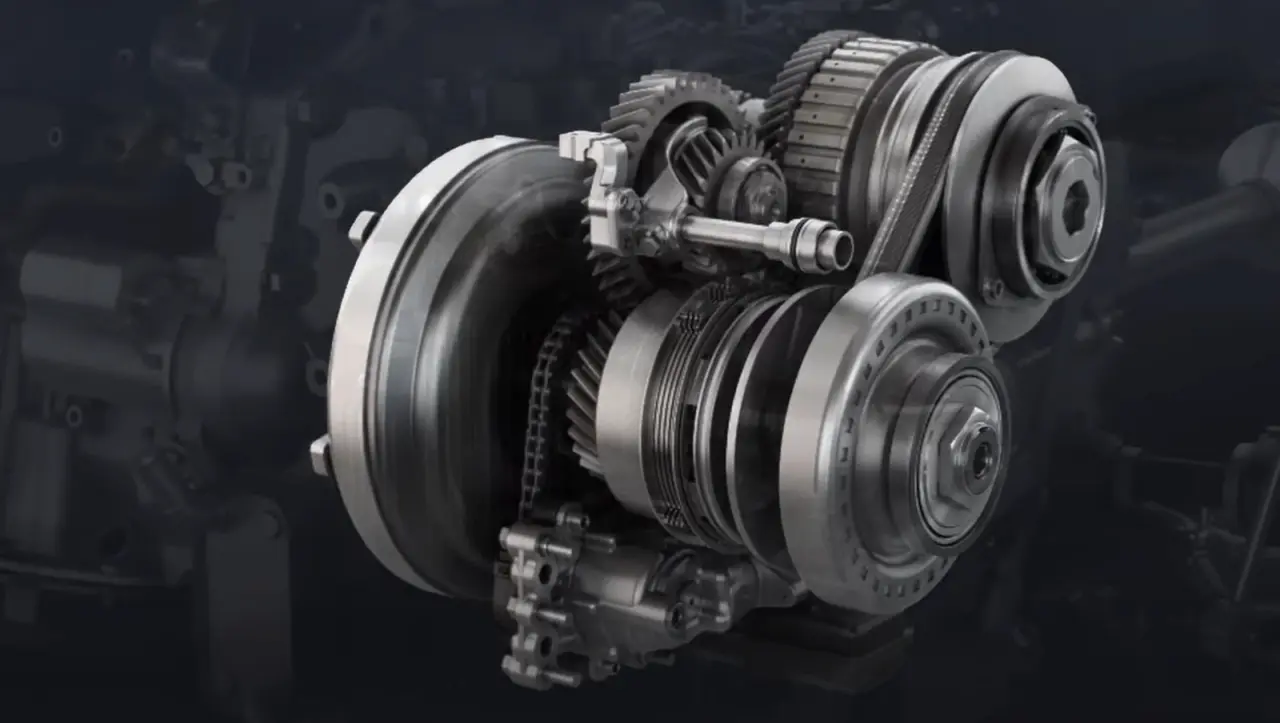
A Continuously Variable Transmission (CVT) is an automatic transmission that uses variable-diameter pulleys connected by a steel belt or chain instead of traditional gear sets.
As the pulleys change size, the transmission continuously adjusts the gear ratio, eliminating the need for conventional gear changes.
This design offers several benefits:
-
Smooth, uninterrupted acceleration
-
Improved fuel economy
-
Reduced engine strain
-
Comfortable driving in city traffic
However, because of its unique design, a CVT transmission is more sensitive to maintenance and operating conditions than many traditional automatic gearboxes.
What Causes CVT Transmission Problems?
Most CVT failures develop gradually due to wear, overheating, or neglected maintenance.
The most common causes include:
-
Delayed transmission fluid changes
-
Using incorrect or low-quality CVT fluid
-
Aggressive acceleration and hard driving
-
Frequent heavy loads or towing
-
Continuous operation at high temperatures
-
Clogged transmission filters
-
Lack of routine maintenance
Addressing these issues early can significantly extend the life of a CVT transmission.
Common CVT Transmission Problems
Shuddering or Vibration During Acceleration
One of the earliest signs of a developing CVT problem is vibration when accelerating from a stop or driving at low speed.
Common symptoms include:
-
Shuddering during take-off
-
Jerking at low speeds
-
Uneven acceleration
Possible causes:
-
Worn steel belt or chain
-
Damaged pulley surfaces
-
Old or contaminated transmission fluid
Possible solutions:
-
Replace the CVT fluid and filter
-
Inspect the belt or chain
-
Check the pulleys for wear
-
Perform a transmission rebuild if severe damage is found
Delayed Response and Loss of Power
Some drivers notice that the engine revs increase without corresponding acceleration.
Typical symptoms:
-
Slow acceleration
-
Engine revs rise excessively
-
Poor uphill performance
Possible causes:
-
Belt slipping
-
Low hydraulic pressure
-
Weak transmission oil pump
Recommended solutions:
-
Test hydraulic pressure
-
Inspect the pulley and belt system
-
Replace worn components if necessary
Whining or Unusual Noises
CVT transmissions normally operate quietly. Any unusual noises should be investigated promptly.
Possible symptoms:
-
Constant whining sound
-
Noise that increases with speed
-
Metallic grinding noises
Possible causes:
-
Worn bearings
-
Low transmission fluid level
-
Internal mechanical wear
Recommended solutions:
-
Check fluid level and condition
-
Replace damaged bearings
-
Rebuild the transmission if internal damage is extensive
Transmission Overheating
Overheating is one of the most common causes of long-term CVT damage.
Symptoms include:
-
Transmission warning light
-
Reduced vehicle performance
-
Limp mode activation
Possible causes:
-
Prolonged high-speed driving
-
Heavy towing or overloading
-
Inefficient transmission cooling
-
Degraded transmission fluid
Possible solutions:
-
Replace old CVT fluid
-
Inspect the cooling system
-
Consider installing an auxiliary transmission cooler if recommended for your vehicle
Failure to Engage Drive
In more serious cases, the transmission may fail to engage properly.
Symptoms include:
-
Vehicle will not move
-
Gear selector responds abnormally
-
Transmission warning messages
Possible causes:
-
Electronic control module failure
-
Faulty transmission sensors
-
Hydraulic system malfunction
Recommended actions:
-
Perform a diagnostic scan
-
Inspect electrical components
-
Update transmission software if available
-
Repair or replace defective components
How to Prevent CVT Transmission Problems
A CVT transmission can last many years when properly maintained.
The following practices can significantly reduce the risk of failure:
-
Replace CVT fluid at the intervals recommended by the vehicle manufacturer.
-
Always use the correct manufacturer-approved CVT transmission fluid.
-
Avoid aggressive launches and rapid acceleration.
-
Do not exceed the vehicle's recommended towing or load capacity.
-
Reduce prolonged full-throttle driving whenever possible.
-
Drive smoothly on steep hills rather than forcing the transmission.
-
Address warning lights or unusual noises immediately.
Is a CVT Transmission Reliable?
CVT transmissions have improved significantly over the past decade, and many modern systems offer excellent reliability when properly maintained.
Advantages include:
-
Excellent fuel efficiency
-
Smooth and comfortable driving
-
Fewer noticeable gear changes
-
Lower engine operating speeds
However, they also have limitations:
-
Sensitive to neglected maintenance
-
Less suitable for repeated heavy towing
-
Repairs can be expensive if major internal components fail
For drivers who mainly commute in urban areas or prefer relaxed driving, a CVT can be an excellent choice.
Should You Buy a Car with a CVT Transmission?
A CVT-equipped vehicle may be ideal if you value:
-
Comfortable everyday driving
-
Good fuel economy
-
Smooth acceleration
-
Quiet operation
Before purchasing a used vehicle with a CVT transmission, it is advisable to:
-
Review the maintenance records.
-
Confirm that transmission fluid changes have been performed on schedule.
-
Test drive the vehicle under various conditions.
-
Listen for whining noises or vibration.
-
Check for delayed acceleration or slipping.
A professional pre-purchase inspection can help identify potential transmission issues before you buy.
Final Thoughts
CVT transmissions provide a refined driving experience and excellent fuel efficiency, making them increasingly common in modern passenger vehicles.
Although they are generally reliable, their longevity depends heavily on regular maintenance, correct transmission fluid, and sensible driving habits. Ignoring early warning signs—such as shuddering, unusual noises, overheating, or delayed acceleration—can eventually lead to costly repairs.
With proper care, a well-maintained CVT transmission can deliver many years of dependable and efficient performance.