TR
TR EN
EN

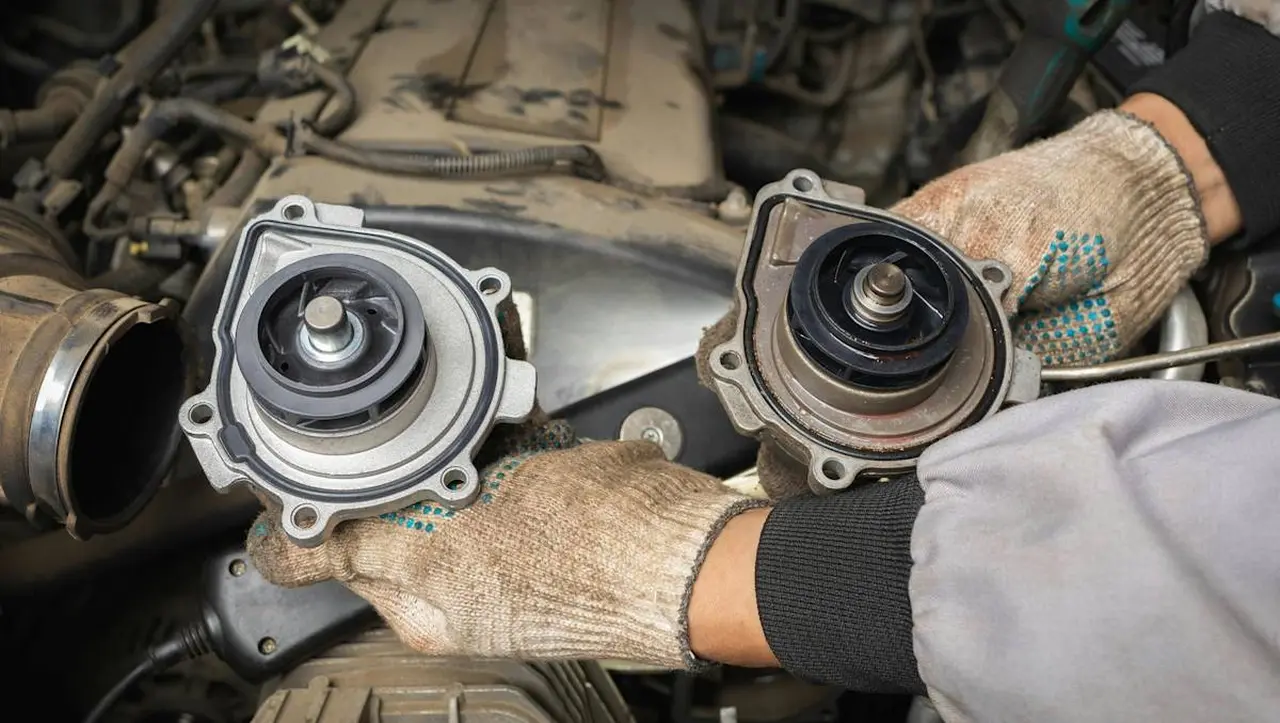
When Should a Water Pump Be Replaced? Signs of a Failing Water Pump
One of the most critical yet often overlooked components in a vehicle is the water pump (also known as the coolant pump). Many drivers only become aware of its existence when it fails. However, the water pump plays a vital role in keeping the engine operating safely by maintaining proper cooling. In this article, we'll explain when a water pump should be replaced, the warning signs of failure, and what can happen if the problem is ignored.
What Is a Water Pump and What Does It Do?
The water pump circulates the engine's coolant—a mixture of water and antifreeze—through the cooling system. As the coolant flows through the engine, it absorbs heat and carries it to the radiator, where the heat is dissipated.
If the water pump stops working or loses efficiency, coolant circulation is interrupted. As a result, the engine can overheat within a short period, potentially leading to severe mechanical damage.
When Should a Water Pump Be Replaced?
There is no universal replacement interval, as recommendations vary by manufacturer and vehicle model. However, in practice, a water pump is commonly inspected and often replaced between 80,000 and 150,000 km (50,000–90,000 miles).
On many vehicles, especially those equipped with a timing belt, the water pump is replaced during the timing belt service. Since both components are located in the same area, replacing them together saves labor costs and helps prevent future breakdowns.
Vehicle age is also an important factor. Even if a car has low mileage, the pump's seals and bearings can deteriorate after five to six years, increasing the risk of leaks or failure.
Common Signs of a Failing Water Pump
Water pumps rarely fail without warning. In most cases, they show symptoms before completely breaking down.
One of the most common signs is coolant loss. If the coolant level continues to drop without any obvious external leak, the water pump seal may be allowing coolant to escape.
Another common symptom is a whining, grinding, or humming noise coming from the front of the engine. This often indicates worn or failing pump bearings.
An increase in engine temperature is another warning sign. If your vehicle overheats more quickly than usual, especially in traffic or at low speeds, the water pump may not be circulating coolant effectively.
You may also notice coolant dripping underneath the vehicle after parking. While many drivers overlook small puddles, they can be an early indication of a leaking water pump.
What Happens If the Water Pump Fails?
Although it may seem like a minor component, a failed water pump can cause major engine damage.
If the pump stops circulating coolant, the engine will quickly overheat. Continued overheating can trigger a chain reaction of costly problems.
Initially, the head gasket may fail. If the engine continues to overheat, the cylinder head can warp, and internal engine components such as pistons and cylinders may also be damaged. In severe cases, a complete engine rebuild or replacement may be required.
In other words, neglecting a relatively inexpensive part can result in repair bills worth thousands of dollars.
Why You Shouldn't Delay Water Pump Replacement
One of the biggest mistakes drivers make is ignoring early warning signs and assuming the problem can wait.
When it comes to the water pump, delaying repairs is risky because once the pump fails completely, there may be little time to prevent engine damage.
If your vehicle begins overheating due to a failed water pump, immediate action is essential. Continuing to drive can dramatically increase repair costs.
Conclusion
The water pump is an essential part of your vehicle's cooling system. It should be inspected regularly and replaced when it reaches its expected service life or shows signs of wear.
Watch for symptoms such as:
-
Coolant loss
-
Engine overheating
-
Whining or grinding noises
-
Coolant leaks beneath the vehicle
Replacing a worn water pump before it fails is far less expensive than repairing a severely overheated engine. Preventive maintenance can save you significant time, money, and inconvenience while helping ensure your engine remains reliable for years to come.