TR
TR EN
EN

Does the Start-Stop System Damage the Engine?
The Start-Stop system has become a standard feature in most modern vehicles, helping reduce fuel consumption and lower exhaust emissions. By automatically switching the engine off when the vehicle comes to a stop and restarting it when the driver is ready to move again, it is especially effective in city driving.
Despite its widespread use, many drivers still ask the same question: Does the Start-Stop system damage the engine?
The short answer is no. Modern Start-Stop systems are specifically engineered to work without shortening engine life. Let's take a closer look at how the system works and why many common concerns are based on outdated information.
What Is a Start-Stop System?
A Start-Stop system automatically shuts the engine off when the vehicle is stationary, such as at a red light or in heavy traffic. As soon as the driver releases the brake pedal (or presses the clutch in a manual transmission), the engine restarts almost instantly.
The main goals of the system are to:
-
Reduce fuel consumption
-
Lower exhaust emissions
-
Improve efficiency during urban driving
-
Minimize unnecessary engine idling
The entire process is controlled electronically and operates automatically under suitable conditions.
Does Frequently Restarting the Engine Cause More Wear?
This is the most common concern among drivers. At first glance, repeatedly starting and stopping the engine may seem harmful.
However, vehicles equipped with Start-Stop technology are designed differently from conventional vehicles.
Manufacturers reinforce several components, including:
-
Heavy-duty starter motor
-
AGM or EFB battery designed for frequent cycling
-
Enhanced charging system
-
Improved engine management software
-
Lubrication systems optimized for frequent restarts
Because of these upgrades, the engine is built to handle thousands of additional start cycles throughout its lifetime.
Why Do Some People Believe It Damages the Engine?
The misconception comes largely from experiences with older vehicles.
In older cars:
-
Starter motors were less durable.
-
Conventional batteries were not designed for frequent starts.
-
Oil circulation was slower after starting.
-
Frequent engine restarts could increase wear.
Modern vehicles are different. Before activating the Start-Stop function, the vehicle's control unit checks numerous operating conditions, including:
-
Engine temperature
-
Battery charge level
-
Oil temperature
-
Cabin climate demand
-
Electrical system load
If conditions are not suitable, the system simply remains inactive.
Does It Wear Out the Battery Faster?
Not under normal operating conditions.
Start-Stop vehicles use specialized batteries that are specifically engineered for repeated charging and discharging cycles.
These batteries include:
-
AGM (Absorbent Glass Mat)
-
EFB (Enhanced Flooded Battery)
Compared with conventional batteries, they offer:
-
Higher cycle life
-
Greater durability
-
Better performance under heavy electrical loads
Problems usually arise only if:
-
An incorrect battery type is installed
-
Battery maintenance is neglected
-
The battery reaches the end of its service life
Does It Damage the Starter Motor?
No.
The starter motor in a Start-Stop vehicle is far more durable than a standard starter motor.
It is designed to:
-
Operate much more frequently
-
Restart the engine quickly
-
Withstand repeated start cycles over many years
Under normal maintenance, its lifespan is intended to match the vehicle's design requirements.
How Much Fuel Can It Save?
The biggest advantage of the Start-Stop system is reduced fuel consumption.
Fuel savings are most noticeable during:
-
Heavy city traffic
-
Frequent traffic lights
-
Long periods of idling
-
Stop-and-go commuting
Depending on driving conditions, fuel savings typically range between 5% and 15%.
Actual savings vary depending on traffic density, driving style, and climate conditions.
Are There Any Disadvantages?
While the system is generally reliable, some drivers notice minor inconveniences.
Possible drawbacks include:
-
Feeling the engine stop and restart frequently
-
Slight temporary reduction in air-conditioning performance while stopped
-
Higher replacement cost for AGM or EFB batteries
These issues mainly affect comfort or maintenance costs rather than engine durability.
When Doesn't the Start-Stop System Operate?
The system does not activate under every condition.
It may remain disabled when:
-
The engine is still cold
-
The battery charge is too low
-
The climate control system requires maximum cooling or heating
-
Electrical demand is high
-
The vehicle is on a steep incline
-
Certain safety conditions are not met
These limitations are intentional and help protect both the engine and the electrical system.
Can the Start-Stop System Be Turned Off?
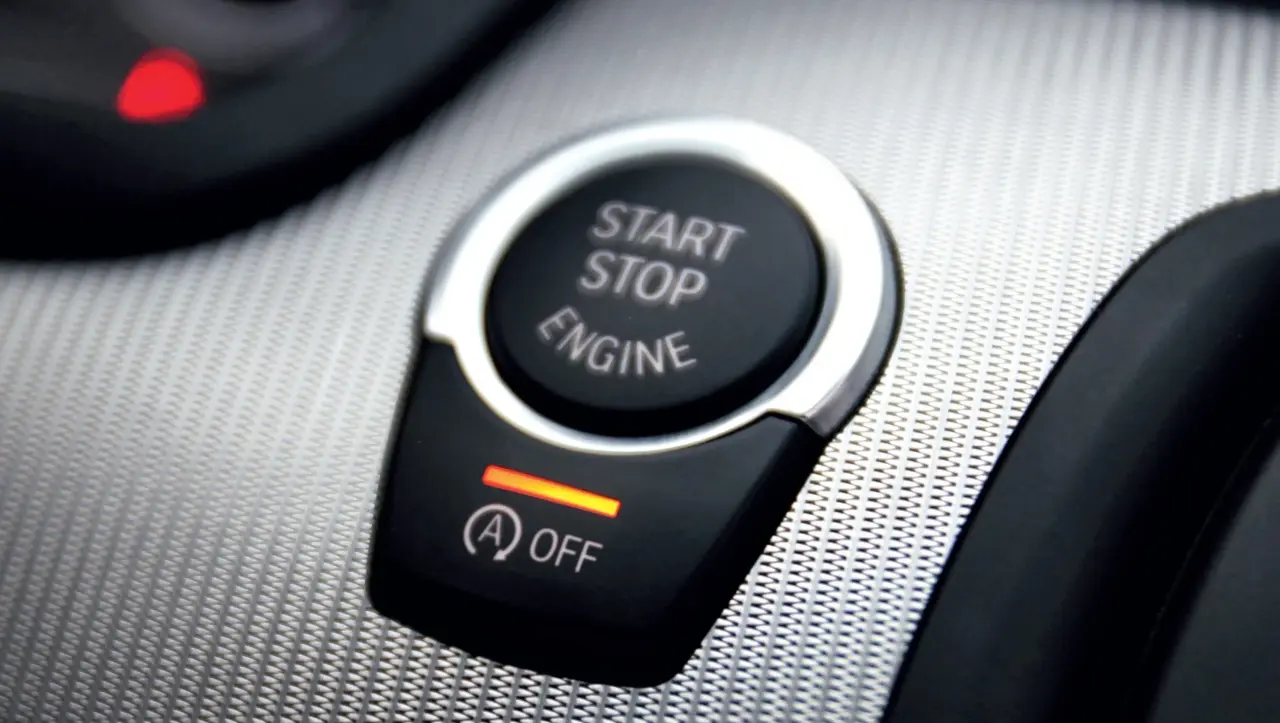
Many vehicles allow drivers to temporarily disable the Start-Stop system using a dashboard button.
Some drivers choose to turn it off because they:
-
Prefer smoother driving in heavy traffic
-
Want uninterrupted air-conditioning
-
Simply dislike frequent engine restarts
However, if the system is functioning properly, there is generally no mechanical reason to disable it permanently.
Conclusion
Modern automotive engineering clearly shows that the Start-Stop system does not damage the engine when the vehicle is properly maintained.
Vehicles equipped with this technology are specifically designed with reinforced components capable of handling frequent engine restarts. When functioning correctly, the system can improve fuel economy, reduce emissions, and minimize unnecessary idling without shortening engine life.
Although battery replacement costs may be slightly higher and some drivers may find the frequent restarts less comfortable, these are relatively minor trade-offs compared to the efficiency benefits the technology provides.
Ultimately, Start-Stop is not an engine-damaging feature—it is a carefully engineered system designed to make modern vehicles cleaner, more efficient, and better suited to everyday urban driving.