TR
TR EN
EN

Foggy Headlights in Europe: Safety Risks and MOT/TÜV Compliance
Headlights are one of the most important safety features on any vehicle. They allow drivers to see clearly at night, improve visibility during poor weather, and help other road users recognize approaching vehicles. However, as vehicles age, many drivers notice that their headlights become foggy or cloudy, reducing both light output and overall driving safety.
Across Europe, the condition of a vehicle's headlights is also assessed during periodic roadworthiness inspections such as the MOT, TÜV, and other national inspection programs. While minor cosmetic clouding may not automatically result in failure, severely fogged headlights can affect beam performance and lead to inspection issues.
This guide explains why headlights become foggy, how they impact road safety, what inspectors typically examine, and the best ways to restore them.
What Are Foggy Headlights?
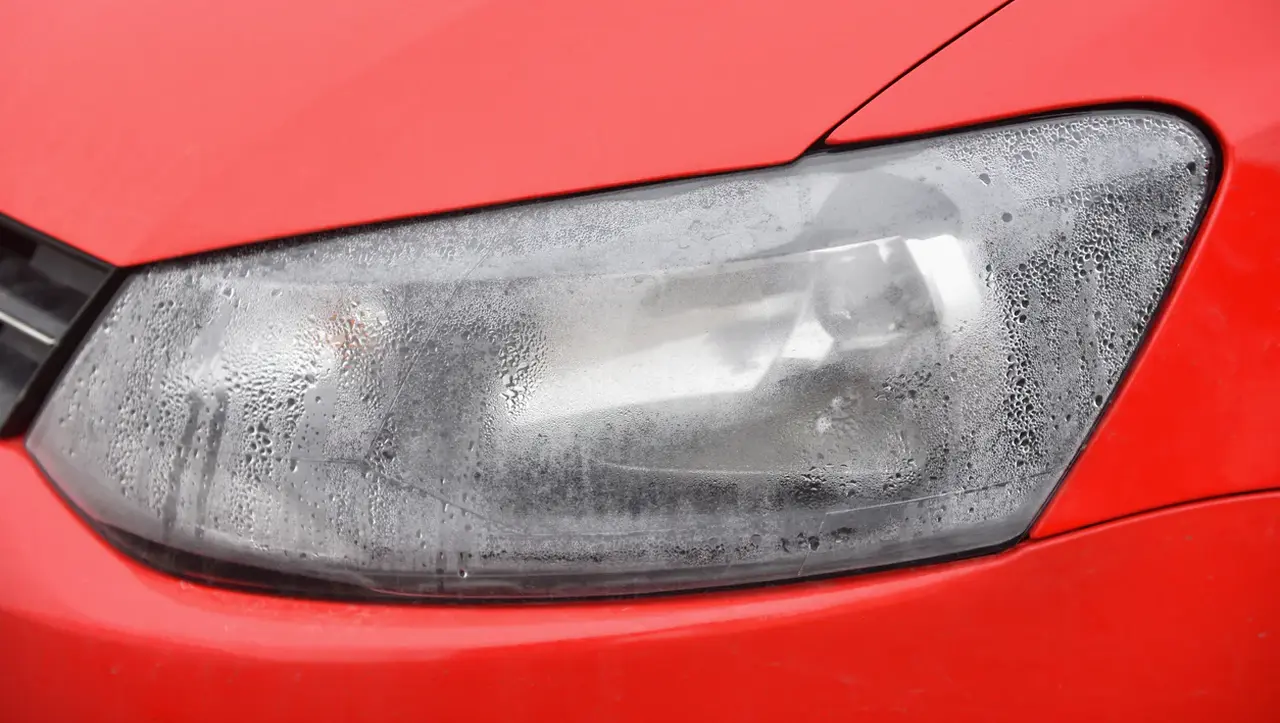
Foggy headlights are headlamp lenses that have lost their original transparency, making them appear cloudy, hazy, or dull.
Unlike clear lenses that allow maximum light to pass through, foggy headlights scatter light in multiple directions. This reduces the amount of usable light reaching the road and can increase glare for other drivers.
Most modern vehicles use polycarbonate plastic lenses, which are lightweight and impact-resistant but gradually deteriorate over time.
What Causes Headlights to Become Foggy?
Several factors can contribute to cloudy headlight lenses.
UV Damage
Ultraviolet radiation from sunlight slowly breaks down the protective coating applied by the manufacturer.
Once this coating wears away, the plastic surface begins to oxidize, causing the lens to appear cloudy.
Oxidation
Oxidation is the most common cause of foggy headlights.
Continuous exposure to oxygen, heat, and sunlight changes the outer layer of the plastic lens, reducing its transparency.
Road Debris
Small stones, sand, dust, and other particles constantly strike the headlight surface while driving.
Over time, these tiny impacts create microscopic scratches that scatter light.
Weather Exposure
Rain, snow, ice, road salt, and fluctuating temperatures gradually wear down the protective surface of the lens.
Vehicles parked outdoors year-round are generally more susceptible to weather-related deterioration.
Moisture Inside the Headlight
Cloudiness is not always caused by external oxidation.
If moisture enters the headlight housing through damaged seals or cracked components, condensation may form inside the lens.
This type of fogging cannot usually be removed through polishing and may require repairs or replacement of the headlight assembly.
Why Are Foggy Headlights Dangerous?
Reduced headlight clarity affects more than the appearance of your vehicle.
Foggy lenses can significantly reduce nighttime visibility and increase the risk of accidents.
Potential safety issues include:
-
Reduced illumination distance.
-
Poor visibility in rain or fog.
-
Difficulty identifying pedestrians and cyclists.
-
Increased glare for oncoming drivers.
-
Reduced reaction time in dark conditions.
Even high-performance LED or xenon bulbs cannot compensate for heavily clouded lenses.
Can Foggy Headlights Cause an MOT or TÜV Failure?
Yes.
Vehicle inspectors assess whether the lighting system provides adequate illumination and complies with road safety standards.
Although inspection procedures vary across Europe, foggy headlights may result in failure if they:
-
Significantly reduce light output.
-
Distort the beam pattern.
-
Prevent proper beam alignment.
-
Create excessive glare.
-
Have cracked or damaged lenses.
Minor clouding may only receive an advisory in some inspection systems, while severe deterioration usually requires repair before approval.
What Do Inspectors Check During Vehicle Inspection?
Lighting systems are carefully evaluated during European roadworthiness inspections.
Typical inspection points include:
Headlight Brightness
The headlights must provide sufficient light for safe driving.
Excessive clouding may reduce brightness below acceptable levels.
Beam Pattern
Inspectors verify that the light produces a clean and controlled cut-off line.
Foggy lenses may scatter light and distort the beam.
Beam Alignment
Proper alignment ensures that headlights illuminate the road without dazzling other road users.
Cloudy lenses can make accurate beam adjustment more difficult.
Lens Condition
Inspectors also examine the physical condition of the headlight assembly.
They check for:
-
Cloudiness
-
Yellowing
-
Cracks
-
Deep scratches
-
Moisture inside the housing
-
Loose mounting points
External Fogging vs. Internal Condensation
Not all foggy headlights have the same cause.
External Clouding
This develops on the outer surface of the lens due to oxidation and UV exposure.
It can often be corrected through professional restoration or polishing.
Internal Condensation
Condensation occurs inside the headlight housing.
It is usually caused by:
-
Damaged seals.
-
Cracked housings.
-
Faulty ventilation systems.
Internal moisture may reduce lighting performance and can indicate that repairs are necessary.
How Can You Restore Foggy Headlights?
Several restoration methods are available depending on the condition of the lenses.
Headlight Restoration Kits
Many commercial kits include:
-
Sandpaper
-
Polishing compound
-
Foam applicators
-
UV protective coating
When used correctly, these products can significantly improve clarity.
Professional Restoration
Professional technicians typically use multi-stage sanding, machine polishing, and durable UV coatings.
Professional restoration generally lasts longer than basic DIY polishing.
Headlight Replacement
If the headlight is cracked, heavily damaged, or suffering from severe internal condensation, replacing the entire unit may be the safest option.
Do Home Remedies Work?
Online videos often recommend household products such as:
-
Toothpaste
-
Baking soda
-
Vinegar
While these methods may temporarily improve appearance, they usually fail to restore long-term transparency because they do not replace the protective UV coating.
Without proper protection, oxidation typically returns.
How Can You Prevent Headlights from Becoming Foggy?
Regular maintenance can slow the aging process.
Helpful tips include:
-
Wash headlights regularly.
-
Apply UV-protective coatings after restoration.
-
Park in shaded or covered areas whenever possible.
-
Remove road salt promptly during winter.
-
Avoid abrasive cleaning materials.
-
Repair damaged seals before moisture enters the housing.
Preventive care is often less expensive than replacing headlight assemblies.
Can Brighter Bulbs Solve the Problem?
No.
Installing brighter halogen, LED, or xenon bulbs will not restore a foggy lens.
If the lens itself is cloudy, much of the additional light will still be scattered instead of reaching the road.
Restoring or replacing the lens is the proper solution.
Tips Before Your MOT or TÜV Inspection
Before presenting your vehicle for inspection:
-
Clean the headlight lenses thoroughly.
-
Restore cloudy or oxidized surfaces if necessary.
-
Check for internal condensation.
-
Test both low and high beams.
-
Verify beam alignment.
-
Replace faulty bulbs.
-
Repair damaged headlight seals.
Preparing your lighting system in advance can reduce the risk of inspection failure.
Frequently Asked Questions
Can foggy headlights fail an MOT or TÜV inspection?
Yes. If the condition of the headlight significantly reduces light output, affects the beam pattern, or creates safety concerns, the vehicle may fail inspection.
Are foggy and yellow headlights the same?
Not exactly. Foggy headlights usually refer to cloudy or hazy lenses, while yellowing describes discoloration caused by oxidation. Both conditions can reduce visibility and may occur together.
Can polishing permanently fix foggy headlights?
No. Polishing removes surface oxidation, but without a new UV-protective coating the cloudiness is likely to return over time.
Is condensation inside a headlight normal?
A small amount of temporary condensation may occur under certain weather conditions, but persistent moisture inside the headlight often indicates damaged seals or ventilation problems that should be repaired.
Foggy headlights are more than an aesthetic concern—they can reduce visibility, increase glare, and compromise road safety. Whether caused by UV damage, oxidation, or internal moisture, cloudy headlight lenses reduce the effectiveness of your vehicle's lighting system and may affect the outcome of a European roadworthiness inspection.
Regular cleaning, timely restoration, and proper maintenance can help preserve headlight performance and extend the life of the lighting system. If your headlights are severely fogged or damaged, repairing or replacing them before your next MOT, TÜV, or other inspection is a worthwhile investment in both safety and legal compliance.
Clear headlights don't just help you pass inspection—they help you see the road ahead and ensure that others can see you as well.