TR
TR EN
EN

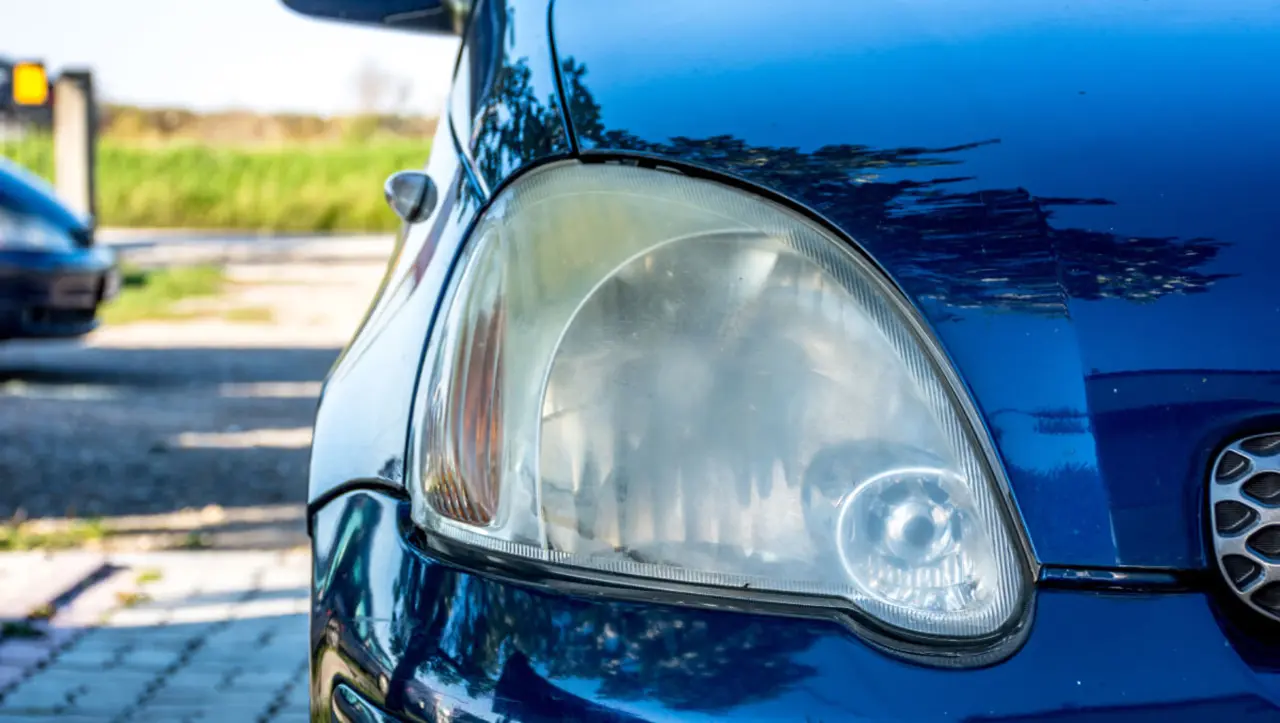
Yellowed Headlights in Europe: Causes, Cleaning, and MOT/TÜV Compliance
Clear headlights are essential for safe driving, especially at night and in poor weather conditions. Over time, however, many vehicles develop cloudy, faded, or yellowed headlights that reduce light output and affect both the appearance and safety of the vehicle.
Across Europe, headlight condition is also an important part of periodic roadworthiness inspections such as MOT, TÜV, and other national vehicle inspection programs. Severely yellowed or damaged headlights may lead to inspection failures if they significantly reduce visibility or no longer meet the required lighting standards.
In this guide, we'll explain why headlights turn yellow, how this affects vehicle safety, what inspectors typically check, and the best ways to restore headlight clarity.
Why Do Headlights Turn Yellow?
Most modern vehicles use polycarbonate plastic headlight lenses instead of glass.
Although polycarbonate is lightweight and impact-resistant, it is vulnerable to long-term environmental exposure.
Over time, the factory-applied UV protective coating gradually deteriorates, allowing the plastic surface to oxidize.
This oxidation causes the familiar:
-
Yellow discoloration
-
Cloudy appearance
-
Hazy surface
-
Loss of transparency
Without proper maintenance, the condition usually worsens year after year.
Common Causes of Yellowed Headlights
Several factors contribute to headlight aging.
UV Radiation
Continuous exposure to sunlight is the primary cause of lens oxidation.
Ultraviolet rays slowly break down the protective coating, allowing the plastic beneath to discolor.
Vehicles parked outdoors for many years typically show more severe yellowing.
Weather Conditions
Rain, snow, ice, and temperature fluctuations gradually wear away the protective surface.
Harsh winters and strong summer sunlight accelerate the aging process.
Road Debris
Small stones, sand, and dust constantly strike the headlight lenses while driving.
These tiny impacts create microscopic scratches that make the lens appear dull and cloudy.
Car Wash Chemicals
Some aggressive cleaning products and automatic car wash brushes can gradually damage the protective coating.
Repeated exposure may accelerate oxidation.
Air Pollution
Industrial pollution, road salt, and airborne contaminants can contribute to long-term surface deterioration.
Why Are Yellowed Headlights a Safety Problem?
Headlight clarity directly affects nighttime visibility.
As lenses become cloudy, less light reaches the road.
This can result in:
-
Reduced visibility at night.
-
Shorter illumination distance.
-
Poor performance in rain or fog.
-
Increased glare caused by scattered light.
-
Difficulty seeing pedestrians and cyclists.
Even powerful LED or xenon bulbs cannot perform properly if the lens itself has become heavily oxidized.
Can Yellowed Headlights Cause an MOT or TÜV Failure?
Yes.
Across Europe, inspectors evaluate whether the vehicle's lighting system provides safe and effective illumination.
Although inspection procedures vary between countries, heavily deteriorated headlights may result in failure if they:
-
Significantly reduce light output.
-
Distort the beam pattern.
-
Create excessive glare.
-
Prevent proper beam alignment.
-
Are cracked or structurally damaged.
Minor discoloration may not automatically fail an inspection, but severe oxidation often requires repair before approval.
What Do Inspectors Check?
During a periodic roadworthiness inspection, headlights are examined for both functionality and condition.
Typical inspection items include:
Light Output
The headlights must produce sufficient illumination for safe driving.
Excessively cloudy lenses may reduce brightness below acceptable levels.
Beam Pattern
Inspectors verify that the beam has a sharp and controlled cut-off line.
Damaged or oxidized lenses may scatter light and distort the beam.
Beam Alignment
Proper alignment ensures that headlights illuminate the road without dazzling other drivers.
Cloudy lenses can make accurate adjustment more difficult.
Lens Condition
Inspectors also examine the physical condition of the headlight assembly.
They look for:
-
Yellowing
-
Cloudiness
-
Cracks
-
Moisture inside the housing
-
Broken mounting points
How Can You Clean Yellowed Headlights?
Several restoration methods are available depending on the severity of the oxidation.
Headlight Restoration Kits
Commercial restoration kits typically include:
-
Sanding discs
-
Polishing compound
-
Microfiber cloths
-
UV protective coating
When used correctly, these kits can significantly improve headlight clarity.
Professional Restoration
Professional detailing services often use multi-stage sanding and machine polishing.
Many also apply a durable UV-resistant clear coating that helps prevent future oxidation.
This option generally provides longer-lasting results than simple polishing alone.
Headlight Replacement
If the lenses are heavily cracked, deeply damaged, or structurally weakened, replacing the entire headlight assembly may be the safest solution.
Although replacement is more expensive, it restores full optical performance.
Do DIY Cleaning Methods Work?
Various home remedies are widely promoted online, including:
-
Toothpaste
-
Baking soda
-
Vinegar mixtures
While these methods may temporarily improve appearance, they usually remove only surface contamination.
They do not restore the factory UV protection, meaning the headlights often become cloudy again within a short period.
For longer-lasting results, dedicated restoration products or professional restoration are generally recommended.
How Can You Prevent Headlights from Turning Yellow?
Proper maintenance can significantly extend the life of your headlights.
Helpful practices include:
-
Wash headlights regularly.
-
Apply UV-protective sealants after restoration.
-
Park in covered or shaded areas whenever possible.
-
Remove road salt promptly during winter.
-
Avoid abrasive cleaning materials.
-
Wax painted surfaces carefully without damaging plastic lenses.
Regular care slows oxidation and preserves light output.
Can LED or Xenon Bulbs Fix Cloudy Headlights?
No.
Installing brighter bulbs does not solve the underlying problem.
If the headlight lens has become cloudy, much of the additional light will still be scattered before reaching the road.
The lens itself must be restored or replaced to achieve proper performance.
When Should You Replace Instead of Restore?
Replacement may be the better option if:
-
The lens has deep internal cracks.
-
The housing contains water or condensation.
-
The reflector inside the headlight is damaged.
-
Previous restoration attempts have failed.
-
The lens is severely deteriorated.
In these cases, restoration alone may not restore safe lighting performance.
Tips Before Your Vehicle Inspection
Before attending your MOT, TÜV, or other roadworthiness inspection:
-
Clean the headlights thoroughly.
-
Check for cracks and damage.
-
Restore cloudy lenses if necessary.
-
Verify beam alignment.
-
Test both low and high beams.
-
Replace burned-out bulbs.
-
Ensure there is no moisture inside the housing.
A few simple maintenance steps can help prevent unnecessary inspection failures.
Frequently Asked Questions
Can yellow headlights fail an MOT or TÜV inspection?
Yes. If oxidation significantly reduces light output or distorts the beam pattern, inspectors may classify the headlights as defective and require repairs before the vehicle passes inspection.
Is headlight polishing permanent?
No. Polishing removes oxidation, but without a new UV-protective coating the lenses may begin to yellow again over time.
Can toothpaste permanently restore headlights?
No. Toothpaste may temporarily improve appearance by removing minor surface oxidation, but it does not replace the protective coating needed for long-term clarity.
Is replacing headlights better than restoring them?
It depends on the condition. Mild to moderate oxidation can often be successfully restored, while severely damaged or cracked headlight assemblies are usually best replaced.
Yellowed headlights are more than just a cosmetic issue—they can reduce nighttime visibility, increase glare, and affect your vehicle's ability to pass a European roadworthiness inspection. As the protective coating on polycarbonate lenses wears away, oxidation gradually reduces light transmission and compromises overall driving safety.
Fortunately, most cloudy headlights can be restored if the damage is limited to the outer surface. Regular cleaning, professional restoration, and UV protection can significantly extend the life of your headlights and help maintain optimal lighting performance.
Before your next MOT, TÜV, or other vehicle inspection, take a few minutes to inspect your headlights. Clear, properly functioning lights not only improve your chances of passing the inspection but also make every journey safer for you and other road users.