TR
TR EN
EN

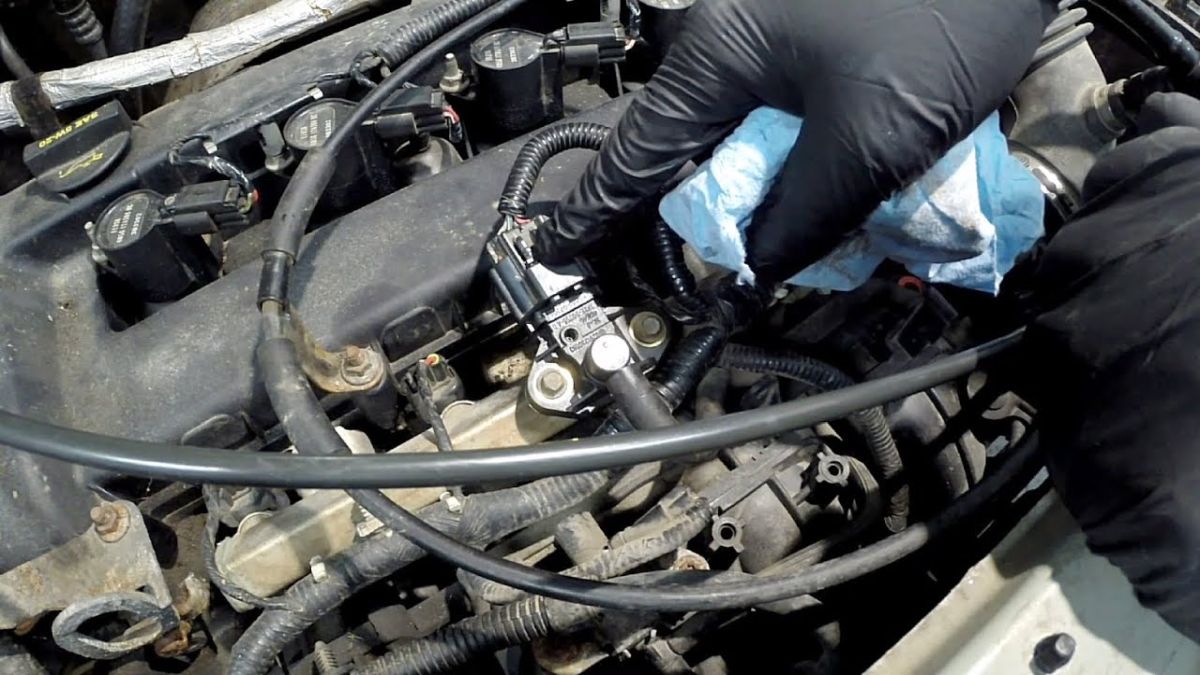
What Is a Fuel Pressure Sensor? What Are the Symptoms of Fuel Pressure Sensor Failure?
A fuel pressure sensor is an electronic component that measures the pressure inside a vehicle's fuel system and sends this information to the engine control unit (ECU).
The ECU uses fuel pressure information to determine whether the actual pressure matches the pressure required for the current operating conditions. This information can be particularly important in modern fuel-injection systems, where precise fuel pressure control is necessary for proper engine performance, fuel economy, emissions, and starting.
A faulty fuel pressure sensor can provide incorrect pressure information to the ECU. As a result, the ECU may command the fuel system incorrectly, potentially causing hard starting, poor acceleration, rough running, increased fuel consumption, misfires, or reduced engine power.
What Does a Fuel Pressure Sensor Do?
The main function of the fuel pressure sensor is to measure fuel pressure and report the measured value to the ECU.
The ECU can use this information together with data from other sensors, such as:
-
Engine speed
-
Engine load
-
Throttle position
-
Intake air pressure
-
Airflow
-
Coolant temperature
-
Oxygen or air-fuel ratio sensors
-
Crankshaft and camshaft position
-
Fuel temperature
Based on these inputs, the ECU can determine how much fuel the engine requires and how the fuel system should be controlled.
The fuel pressure sensor itself does not normally regulate pressure. Its primary function is measurement.
This is an important distinction between a fuel pressure sensor and a fuel pressure regulator or control valve.
How Does a Fuel Pressure Sensor Work?
Most modern fuel pressure sensors are electronic pressure transducers.
The sensor detects the pressure applied by the fuel and converts it into an electrical signal.
The ECU interprets this signal and determines the corresponding fuel pressure.
Depending on the vehicle and fuel system, the sensor may use a three-wire electrical connection consisting of:
-
Reference voltage
-
Ground
-
Signal
The exact electrical design varies by manufacturer.
The sensor's output changes as fuel pressure changes, allowing the ECU to monitor pressure continuously or under specific operating conditions.
Where Is the Fuel Pressure Sensor Located?
The location depends on the fuel system design.
A fuel pressure sensor may be installed:
-
On the fuel rail
-
Near the fuel injectors
-
On a low-pressure fuel line
-
Inside the fuel tank or fuel pump module
-
On a high-pressure fuel rail
-
On or near a high-pressure fuel pump
In gasoline direct-injection engines, the high-pressure fuel sensor is commonly associated with the high-pressure fuel rail.
In diesel common-rail systems, the rail pressure sensor is typically mounted directly on the common rail.
Some vehicles can have more than one pressure sensor because the fuel system has separate low-pressure and high-pressure sections.
Fuel Pressure Sensor in Gasoline Engines
Traditional gasoline engines with port fuel injection generally operate at relatively moderate fuel pressures compared with direct-injection systems.
Depending on the vehicle, the fuel pressure sensor may monitor pressure in the fuel rail or another part of the fuel delivery system.
The ECU can use the pressure information to help control:
-
Fuel pump operation
-
Fuel injection
-
Fuel pressure regulation
-
Air-fuel mixture
-
Diagnostic monitoring
Not every gasoline engine uses a separate electronic fuel pressure sensor in the same location, so the exact system design should always be checked.
Fuel Pressure Sensor in GDI Engines
Gasoline Direct Injection (GDI) systems require very precise fuel pressure control.
Unlike port injection, GDI injectors spray fuel directly into the combustion chamber.
A typical GDI system may contain:
-
Fuel tank
-
Low-pressure fuel pump
-
High-pressure fuel pump
-
Fuel pressure control valve
-
High-pressure fuel rail
-
Fuel pressure sensor
-
Direct injectors
-
ECU
The low-pressure side supplies fuel to the high-pressure pump.
The high-pressure pump then increases fuel pressure before the fuel reaches the rail and injectors.
The fuel pressure sensor allows the ECU to monitor the pressure in this high-pressure system.
If the sensor reports an incorrect value, the ECU may incorrectly adjust fuel pressure or detect a pressure problem that does not actually exist.
Fuel Pressure Sensor in Diesel Common-Rail Systems
Modern common-rail diesel engines also depend heavily on accurate fuel pressure measurement.
The common rail acts as a high-pressure fuel reservoir supplying the injectors.
The rail pressure sensor measures the pressure inside the rail and sends the information to the engine control system.
The ECU can then compare actual rail pressure with the requested pressure.
This is particularly important during:
-
Engine starting
-
Idling
-
Acceleration
-
High engine load
-
High engine speed
-
Cold operation
-
Regeneration and other engine-management strategies
A faulty rail pressure sensor can therefore cause significant drivability problems.
What Are the Symptoms of a Bad Fuel Pressure Sensor?
A failing fuel pressure sensor can produce many different symptoms.
Common symptoms include:
-
Hard starting
-
Long cranking
-
Engine starting and stalling
-
Rough idle
-
Engine hesitation
-
Poor acceleration
-
Loss of power
-
Misfires
-
Increased fuel consumption
-
Reduced engine performance
-
Check engine light
-
Fuel pressure-related diagnostic trouble codes
-
Limp mode on some vehicles
-
Unstable engine operation
-
Difficult hot or cold starting
The symptoms depend on whether the sensor is reporting a value that is too high, too low, or simply inconsistent.
Hard Starting and Long Cranking
One of the most common symptoms is difficult starting.
The ECU needs reliable fuel pressure information to control the fuel system correctly.
If the sensor sends an incorrect pressure value, the ECU may incorrectly control the fuel pump or fuel pressure system.
The engine may then require more cranking time before starting.
You may notice:
-
Longer-than-normal cranking
-
Difficult cold starts
-
Difficult hot starts
-
Several starting attempts
-
The engine starting and then immediately stalling
However, hard starting does not automatically mean that the fuel pressure sensor is faulty.
A weak fuel pump, leaking injector, low battery voltage, fuel pressure regulator problem, or restricted fuel filter can cause similar symptoms.
Engine Starts and Stalls
If the ECU receives an implausible fuel pressure signal, it may not be able to control fuel delivery correctly.
In some situations, this can cause the engine to start and then stall.
This is particularly important in modern electronically controlled fuel systems.
The ECU may also enter a protective strategy if the measured pressure is outside an acceptable range.
Rough Idle
An incorrect fuel pressure signal can affect the ECU's fuel control strategy.
If the ECU believes fuel pressure is different from the actual pressure, injector operation may not match the conditions required by the engine.
The result may include:
-
Rough idle
-
Engine vibration
-
RPM fluctuations
-
Occasional misfires
-
Poor throttle response
-
Stalling
Rough idle can have many causes, so fuel pressure sensor data should be checked before replacing the sensor.
Hesitation During Acceleration
A fuel pressure sensor problem can become more noticeable when engine demand increases.
During acceleration, the engine requires more fuel.
The ECU uses fuel pressure information to determine whether the fuel system is delivering the required pressure.
If the sensor sends an incorrect signal, the ECU may make incorrect adjustments.
The driver may experience:
-
Hesitation
-
Jerking
-
Poor throttle response
-
Delayed acceleration
-
Temporary power loss
-
Misfires under load
Loss of Engine Power
A faulty fuel pressure sensor can contribute to reduced engine power.
This may happen because the ECU receives an implausible pressure signal and changes fuel-system operation or activates a protective strategy.
In some vehicles, severe fuel pressure problems can cause the ECU to limit engine power.
This can result in:
-
Reduced acceleration
-
Poor high-RPM performance
-
Difficulty climbing hills
-
Limited engine speed
-
Limp mode
However, a fuel pressure sensor should not be blamed before actual fuel pressure is verified.
Increased Fuel Consumption
If the sensor reports incorrect pressure information, the ECU may control fuel delivery incorrectly.
Depending on the failure and system strategy, this can result in excessive fuel consumption.
Other causes should also be considered, including:
-
Faulty injectors
-
Incorrect fuel pressure
-
Faulty oxygen sensor
-
MAF sensor problems
-
Coolant temperature sensor faults
-
Thermostat problems
-
Ignition problems
-
Air intake problems
Check Engine Light
A faulty fuel pressure sensor will often trigger the check engine light when the ECU detects an electrical or plausibility problem.
The stored diagnostic trouble code may indicate:
-
Fuel pressure sensor circuit
-
Fuel pressure sensor range/performance
-
Fuel pressure too high
-
Fuel pressure too low
-
Fuel pressure not plausible
-
Fuel pressure regulation problem
The exact code depends on the vehicle manufacturer and fuel system.
A code related to fuel pressure does not automatically mean that the sensor itself has failed.
What Happens If the Fuel Pressure Sensor Reads Too Low?
If the sensor falsely reports low fuel pressure, the ECU may believe that the fuel system is not producing enough pressure.
Depending on the system, the ECU may respond by increasing fuel pump output or changing pressure-control commands.
This can cause incorrect fuel-system operation.
Possible symptoms include:
-
Difficult starting
-
Poor acceleration
-
Increased fuel consumption
-
Rough running
-
Check engine light
-
Fuel pressure control faults
The actual fuel pressure may be normal even though the sensor reports low pressure.
This is why comparing sensor data with an independent pressure measurement can be important.
What Happens If the Fuel Pressure Sensor Reads Too High?
If the sensor falsely reports excessive fuel pressure, the ECU may believe that the system has more pressure than it actually does.
The ECU may then change fuel pump or pressure-control commands.
Possible symptoms can include:
-
Poor engine performance
-
Hesitation
-
Starting problems
-
Incorrect fuel pressure control
-
Check engine light
-
Reduced engine power
Again, the reported pressure and actual pressure may be different.
Fuel Pressure Sensor vs Fuel Pressure Regulator
These two components are frequently confused.
The fuel pressure sensor measures pressure.
The fuel pressure regulator controls pressure.
A simple example is:
The sensor tells the ECU what the fuel pressure is.
The regulator or electronic pressure-control valve helps make the fuel pressure reach the required value.
Some modern systems use multiple control components, so the exact arrangement depends on the vehicle.
Replacing the regulator when the sensor is faulty will not necessarily solve the problem.
Likewise, replacing the sensor will not fix a mechanically defective regulator or weak fuel pump.
Can a Bad Fuel Pressure Sensor Cause Low Fuel Pressure?
A faulty sensor does not necessarily cause actual low fuel pressure.
This is an important diagnostic distinction.
The sensor measures pressure; it does not normally create the pressure.
For example, suppose actual fuel pressure is normal but the sensor reports an abnormally low value.
The ECU may then react to incorrect information and change fuel-system operation.
The result can become a real pressure problem in some systems.
Therefore, technicians should determine whether the problem is:
Actual low fuel pressure
or
Incorrect fuel pressure information.
These are two different faults.
How Is a Fuel Pressure Sensor Tested?
A proper diagnosis usually starts with a diagnostic scan.
The technician may check:
-
Stored diagnostic trouble codes
-
Freeze-frame data
-
Fuel pressure sensor voltage
-
Fuel pressure sensor readings
-
Requested fuel pressure
-
Actual fuel pressure
-
Fuel pump command
-
Fuel pressure control valve operation
-
Fuel trims where applicable
-
Engine RPM
-
Battery voltage
On suitable systems, actual fuel pressure can also be checked with an appropriate mechanical pressure gauge or another approved independent measurement method.
If the scan tool reports a pressure value that does not agree with an independent measurement, the sensor or its electrical circuit becomes more suspicious.
Checking the Fuel Pressure Sensor Wiring
A sensor can be perfectly functional while its wiring is damaged.
The electrical circuit should therefore be checked before replacing the sensor.
Possible problems include:
-
Broken wires
-
Corroded terminals
-
Loose connectors
-
Short circuits
-
Open circuits
-
Poor ground
-
Missing reference voltage
-
Signal wire problems
-
Water contamination inside the connector
Vibration and engine heat can make wiring faults intermittent.
This can create a situation where the vehicle works normally most of the time but develops a fuel pressure fault under certain conditions.
Fuel Pressure Sensor Failure Can Be Intermittent
Not every fuel pressure sensor fails permanently.
An intermittent fault can occur because of:
-
Internal sensor deterioration
-
Connector problems
-
Wiring damage
-
Heat
-
Vibration
-
Moisture
-
Electrical interference
-
Poor terminal contact
The vehicle may operate normally at one moment and then suddenly develop a fault.
For this reason, freeze-frame data and live sensor monitoring can be very useful.
Can a Fuel Pressure Sensor Cause Misfires?
Yes, indirectly.
A fuel pressure sensor does not normally cause a mechanical misfire by itself.
However, if the sensor sends incorrect information and the ECU responds incorrectly, fuel delivery can become unsuitable for the engine's operating conditions.
This can contribute to:
-
Lean operation
-
Rich operation
-
Poor combustion
-
Hesitation
-
Misfires
However, ignition coils, spark plugs, injectors, compression, air leaks, and other engine-management components should also be checked.
Can a Fuel Pressure Sensor Cause Poor Fuel Economy?
It can.
If the ECU receives incorrect pressure information, fuel-system control may become less efficient.
Depending on the system and failure mode, this can contribute to:
-
Increased fuel consumption
-
Poor combustion
-
Rich operation
-
Reduced performance
-
Increased emissions
However, poor fuel economy is not enough to diagnose a fuel pressure sensor.
Why Does a Fuel Pressure Sensor Fail?
Fuel pressure sensors can fail for several reasons.
Electrical deterioration
Internal electronic components can deteriorate over time.
Heat
Sensors installed near the engine or high-pressure fuel system can be exposed to significant heat.
Vibration
Continuous engine vibration can eventually affect electrical connections or internal components.
Fuel contamination
Contaminated fuel can contribute to problems within the fuel system.
Connector corrosion
Moisture or contamination can cause poor electrical contact.
Wiring damage
The sensor may be functional while its wiring is damaged.
Excessive fuel pressure
A fuel system operating outside its specified pressure range can place additional stress on components.
Should a Fuel Pressure Sensor Be Replaced Immediately?
Not necessarily.
A diagnostic trouble code involving fuel pressure does not automatically prove that the sensor is defective.
Before replacing the sensor, it is better to determine:
-
What pressure the ECU is requesting
-
What pressure the sensor reports
-
What the actual fuel pressure is
-
Whether the sensor reference voltage is correct
-
Whether the sensor ground is correct
-
Whether the signal changes correctly
-
Whether the wiring and connector are intact
-
Whether the fuel pump is operating correctly
-
Whether the pressure-control system is functioning
This approach prevents unnecessary parts replacement.
Fuel Pressure Sensor Replacement
The replacement procedure depends on the vehicle.
Some sensors are externally accessible on the fuel rail.
Others may be integrated into a fuel pump module or another part of the fuel system.
On high-pressure GDI and common-rail diesel systems, special care is required because fuel pressure can be extremely high.
The system must be depressurized according to the manufacturer's procedure before appropriate components are removed.
After replacement, some vehicles may require diagnostic checks, adaptations, or other procedures.
Is It Safe to Drive With a Bad Fuel Pressure Sensor?
It depends on the severity of the fault.
If the sensor is producing an incorrect signal, the ECU may still be able to operate the engine using backup strategies in some vehicles.
However, the engine may run poorly or enter a reduced-power mode.
Driving can be particularly problematic if the vehicle has:
-
Severe loss of power
-
Engine stalling
-
Strong hesitation
-
Serious misfires
-
Fuel leaks
-
Severe starting problems
-
High-pressure fuel-system faults
A vehicle with a suspected fuel-system safety problem should be inspected promptly.
Fuel System Safety
Fuel-system work requires caution because fuel is flammable and some modern systems operate at extremely high pressure.
Never loosen a high-pressure fuel line just to see whether fuel comes out.
Important precautions include:
-
Work in a well-ventilated area.
-
Keep flames and sparks away.
-
Do not smoke while working on the vehicle.
-
Follow the manufacturer's depressurization procedure.
-
Wear appropriate eye protection.
-
Clean spilled fuel immediately.
-
Never open a GDI or common-rail high-pressure system without following the correct service procedure.
High-pressure fuel can penetrate the skin and cause serious injury.
Conclusion
The fuel pressure sensor is an important part of a modern vehicle's fuel-management system. Its primary job is to measure fuel pressure and provide that information to the ECU.
A faulty sensor can cause hard starting, long cranking, rough idle, hesitation, poor acceleration, loss of power, misfires, increased fuel consumption, check engine light warnings and fuel pressure-related diagnostic trouble codes.
However, these symptoms do not automatically prove that the sensor itself is defective.
Fuel pumps, fuel pressure regulators, pressure-control valves, injectors, wiring, connectors and the ECU can all contribute to similar problems.
The most reliable diagnosis is to compare requested fuel pressure, sensor-reported pressure and actual fuel pressure, while also checking the sensor's reference voltage, ground, signal circuit and wiring.
This is especially important on GDI gasoline and common-rail diesel engines, where fuel pressure control is highly precise and operates at significantly higher pressures.