TR
TR EN
EN

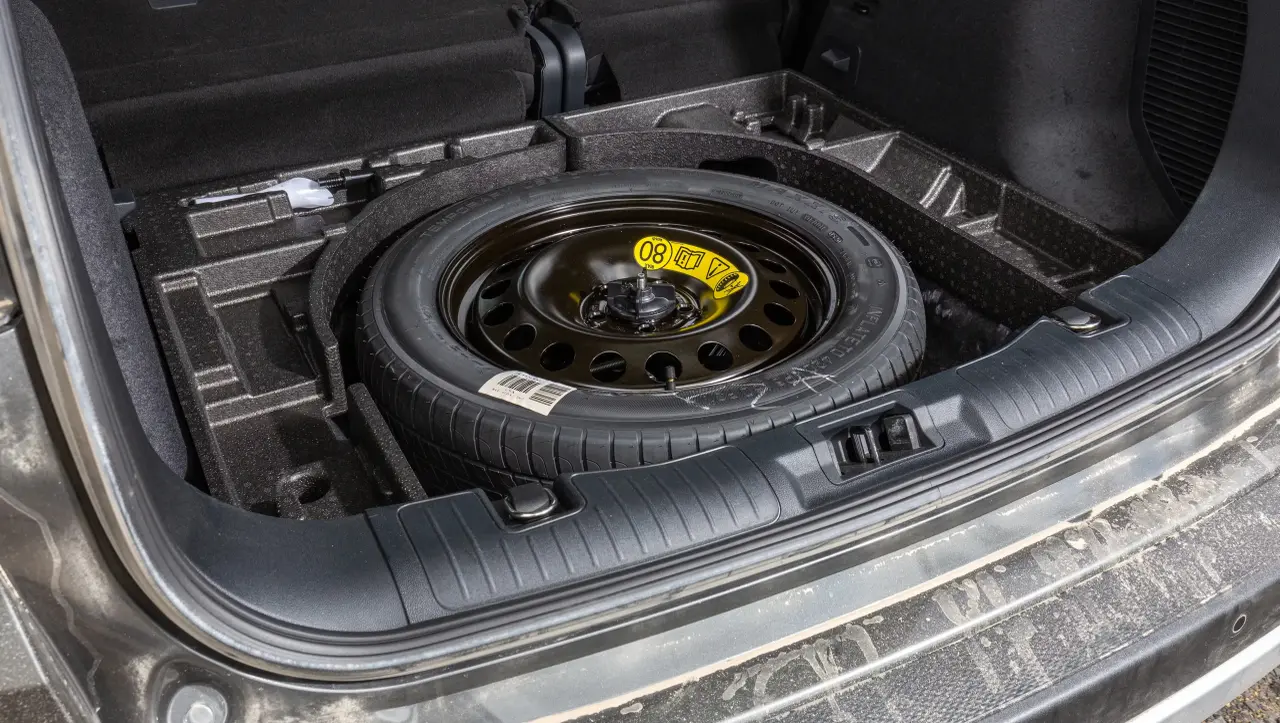
Is a Spare Wheel Mandatory in Europe? Can a Car Pass Inspection Without One?
Many drivers assume that every car sold in Europe must include a spare wheel. However, this is no longer the case. Modern vehicles increasingly rely on alternative solutions such as tire repair kits, run-flat tires, or roadside assistance instead of carrying a traditional spare tire.
This change has created confusion among vehicle owners and used car buyers. Is a spare wheel legally required? Will a missing spare tire cause a vehicle to fail inspection? And what alternatives are accepted across Europe?
In this guide, we'll explain how spare wheel regulations work in Europe, what inspectors check during vehicle inspections, and whether your vehicle can legally pass inspection without a spare wheel.
Is a Spare Wheel Legally Required in Europe?
In general, no.
There is no European Union-wide law requiring every passenger car to carry a spare wheel. Instead, vehicle manufacturers may equip their vehicles with different tire mobility solutions, provided the vehicle complies with applicable safety and type-approval requirements.
Today, many new vehicles leave the factory without a spare wheel.
Instead, manufacturers often provide:
-
Tire repair kits
-
Tire sealant and air compressor systems
-
Run-flat tires
-
Emergency mobility kits
-
Manufacturer roadside assistance programs
As a result, the absence of a spare wheel does not automatically mean a vehicle is non-compliant.
Why Have Many Manufacturers Stopped Including Spare Wheels?
Several factors have contributed to this change.
Reduced Vehicle Weight
Removing the spare wheel helps reduce overall vehicle weight, which can improve fuel efficiency and lower emissions.
Increased Luggage Space
Without a full-size spare tire, manufacturers can provide additional cargo capacity or install larger battery systems in hybrid and electric vehicles.
Lower Manufacturing Costs
Producing vehicles without a spare wheel reduces manufacturing costs while allowing manufacturers to offer alternative mobility solutions.
Advances in Tire Technology
Modern tires are generally more durable than older designs.
Many vehicles now use:
-
Run-flat tires
-
Self-sealing tires
-
Tire pressure monitoring systems (TPMS)
These technologies reduce the likelihood of sudden roadside tire changes.
What Alternatives to a Spare Wheel Are Common?
Many European vehicles include one of the following alternatives.
Tire Repair Kit
The most common solution consists of:
-
Tire sealant
-
Portable air compressor
-
Inflation hose
-
Power cable
These kits are designed to temporarily repair small punctures so the vehicle can be driven to a repair facility.
Run-Flat Tires
Run-flat tires allow limited driving even after losing air pressure.
Depending on the manufacturer, they may allow travel for a limited distance at reduced speeds before replacement becomes necessary.
Self-Sealing Tires
Some modern tires automatically seal small punctures using a special inner lining.
These tires reduce the need for immediate roadside repairs.
Roadside Assistance
Some manufacturers rely on emergency roadside assistance instead of providing any tire repair equipment.
This approach is becoming increasingly common among premium vehicle brands.
Can a Car Pass Inspection Without a Spare Wheel?
In most European countries, yes.
Periodic vehicle inspections generally focus on components that directly affect road safety and environmental compliance.
Inspectors typically examine:
-
Braking performance
-
Steering
-
Suspension
-
Tires
-
Lighting
-
Seat belts
-
Emissions
-
Windshield visibility
A missing spare wheel alone does not usually result in inspection failure if the vehicle was not originally required to carry one.
What Do Inspectors Actually Check?
Instead of checking for a spare wheel, inspectors usually examine the condition of the tires currently fitted to the vehicle.
Common inspection points include:
Tire Tread Depth
The tires must meet the legal minimum tread depth required by national regulations.
Tire Condition
Inspectors check for:
-
Cracks
-
Bulges
-
Sidewall damage
-
Excessive wear
-
Exposed cords
Unsafe tires may result in inspection failure.
Tire Size
The installed tires should comply with the vehicle manufacturer's approved specifications unless legally approved alternatives have been fitted.
Tire Pressure Monitoring System (TPMS)
Where required, the TPMS warning system should operate correctly.
When Might a Spare Wheel Still Be Important?
Although it may not be legally required, carrying a spare wheel can still be beneficial.
A spare tire may be particularly useful when:
-
Driving long distances.
-
Traveling in remote areas.
-
Crossing multiple European countries.
-
Driving in mountainous regions.
-
Towing a caravan or trailer.
-
Using vehicles with limited roadside assistance.
A repair kit cannot fix every type of tire damage.
Large cuts, sidewall damage, or tire blowouts usually require tire replacement.
What About Cross-Border Travel?
Roadworthiness inspection rules and equipment requirements vary between European countries.
Although most countries do not require passenger cars to carry a spare wheel, some jurisdictions may have specific requirements for commercial vehicles, buses, or special vehicle categories.
Before traveling internationally, it is advisable to check the regulations of each destination country, especially if driving a commercial vehicle or towing equipment.
Advantages of Carrying a Spare Wheel
Even if it is not legally required, a spare wheel offers several practical advantages.
Benefits include:
-
Faster roadside recovery.
-
Independence from repair services.
-
Ability to continue long journeys.
-
Greater reliability in rural areas.
-
Useful for damage that repair kits cannot fix.
For frequent travelers, a spare wheel can provide valuable peace of mind.
Disadvantages of Carrying a Spare Wheel
There are also some drawbacks.
A spare wheel:
-
Increases vehicle weight.
-
Reduces luggage space.
-
Requires periodic pressure checks.
-
May never be used.
-
Adds manufacturing costs.
These factors explain why many manufacturers have adopted alternative mobility solutions.
Can You Add a Spare Wheel Later?
Yes.
If your vehicle was originally supplied with a repair kit, you may be able to purchase:
-
A space-saver spare wheel.
-
A full-size spare wheel.
-
A matching jack.
-
A wheel wrench.
-
A storage kit designed for your vehicle.
Before purchasing, ensure that the spare wheel is compatible with your vehicle's specifications and braking system.
Frequently Asked Questions
Is a spare wheel required by European law?
Generally, no. There is no universal European requirement that every passenger car must carry a spare wheel.
Will my car fail inspection without a spare tire?
In most cases, no. Vehicle inspections primarily assess safety-critical systems rather than whether a spare wheel is present.
Are tire repair kits accepted?
Yes. Many manufacturers equip new vehicles with approved tire repair kits instead of spare wheels.
Are run-flat tires legal?
Yes. Run-flat tires are widely used across Europe and are accepted when installed according to the vehicle manufacturer's specifications.
Is a full-size spare better than a repair kit?
For severe tire damage, a full-size spare wheel is generally more versatile than a repair kit. However, repair kits offer weight and space savings and are sufficient for many minor punctures.
A spare wheel is no longer considered standard equipment on many modern vehicles in Europe. Advances in tire technology, repair kits, and roadside assistance have allowed manufacturers to replace traditional spare tires with alternative mobility solutions.
For most passenger cars, the absence of a spare wheel will not prevent the vehicle from passing a periodic inspection, as inspectors focus on the condition and safety of the installed tires rather than the presence of a spare.
That said, carrying a spare wheel can still be a practical choice—especially for drivers who travel long distances or in remote areas. Before relying solely on a repair kit or run-flat tires, make sure you understand their limitations and check that your vehicle's emergency equipment is complete and ready for use.