TR
TR EN
EN

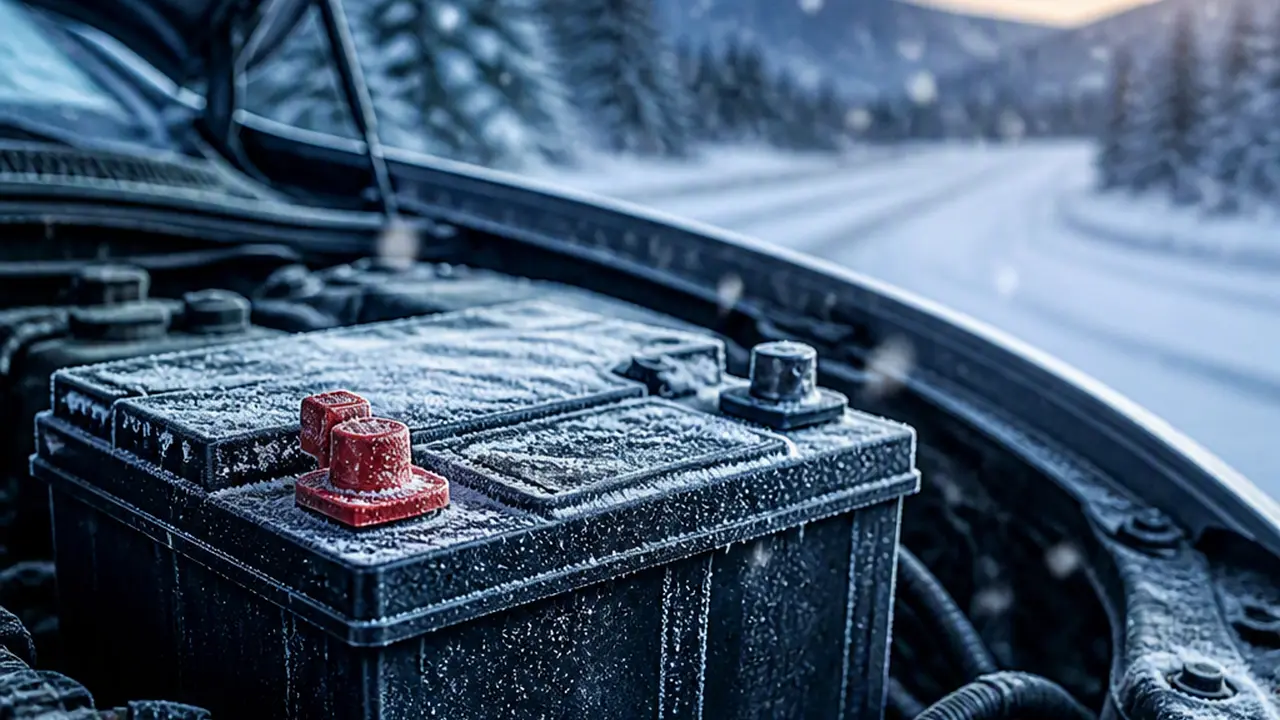
Why Do Car Batteries Die in Winter?
One of the most common problems drivers experience during the winter months is a vehicle that struggles to start or does not start at all on a cold morning. The question "Why does a car battery die in winter?" becomes especially common when temperatures drop.
Cold weather itself does not completely destroy a battery, but it significantly affects battery performance. Low temperatures reduce the battery’s available capacity, increase the energy required to start the engine, and expose weak batteries that may have been operating near the end of their service life.
In modern vehicles, the battery is not only responsible for starting the engine. It also supplies power for many electronic systems, including control modules, safety systems, infotainment systems, alarms, keyless entry systems, and various electrical components.
For this reason, the condition of the battery becomes much more important during winter.
How Does Cold Weather Affect a Car Battery?
A lead-acid battery produces electricity through chemical reactions between the battery plates and the electrolyte solution.
When temperatures decrease, these chemical reactions slow down.
As a result:
-
The battery produces less available power.
-
Charging efficiency decreases.
-
The battery struggles to deliver high current.
-
A weak battery may completely fail.
A battery that performs normally during warm weather may lose a significant amount of its performance in freezing conditions.
This is why many drivers discover that their battery is failing only when winter arrives.
Why Is Starting an Engine More Difficult in Cold Weather?
Cold weather affects not only the battery but also the engine itself.
Several factors make starting more difficult:
Engine oil becomes thicker
When temperatures drop, engine oil becomes more viscous. The starter motor must work harder to rotate the crankshaft because internal resistance increases.
Fuel ignition conditions change
A cold engine does not operate under the same conditions as a warm engine. Fuel vaporization and combustion efficiency can be reduced during cold starts.
Mechanical resistance increases
Cold engine components create more resistance until the engine reaches normal operating temperature.
Because of these factors, the starter motor requires more electrical energy from the battery during winter.
Why Do Weak Batteries Fail More Often in Winter?
Many drivers do not notice a weak battery during summer.
Warm temperatures allow the battery to operate more efficiently, even when its capacity has already started to decline.
However, winter conditions reveal the weakness because:
-
Battery capacity decreases.
-
The engine requires more starting power.
-
The starter motor operates under heavier load.
-
Electrical systems may consume more energy.
A battery that was already losing performance may suddenly become unable to start the vehicle in cold weather.
Why Does a Battery Produce Less Power When It Is Cold?
Inside a lead-acid battery, electricity is generated through chemical reactions.
Cold temperatures reduce the speed of these reactions.
The effects include:
-
Lower electrolyte activity
-
Reduced chemical reaction speed
-
Increased internal resistance
-
Reduced ability to provide high current
Starting an engine requires a large amount of current in a short period of time. Cold weather makes this process more difficult.
This is why the cold cranking performance of a battery is especially important during winter.
Does Battery Age Affect Winter Problems?
Yes.
Car batteries have a limited service life.
Over time:
-
Battery plates deteriorate.
-
Sulfation develops on the plates.
-
Internal resistance increases.
-
The battery loses its ability to hold a full charge.
An aging battery may still work during warm weather but fail when exposed to cold temperatures.
Battery life depends on several factors, including:
-
Climate conditions
-
Driving habits
-
Vehicle electrical demand
-
Charging system condition
-
Battery type
Can Short Trips Cause a Battery to Die?
Yes, especially during winter.
Starting the engine consumes a large amount of energy from the battery.
If the vehicle is only driven for short distances, the alternator may not have enough time to fully recharge the battery.
Examples include:
-
Starting the vehicle in the morning
-
Driving only a few minutes
-
Turning the engine off
-
Repeating the process every day
Over time, the battery gradually loses charge.
Short-trip driving is one of the most common reasons for winter battery problems.
Do Headlights and Electrical Systems Put More Stress on the Battery in Winter?
Yes.
During winter, drivers often use more electrical equipment, including:
-
Headlights
-
Heated seats
-
Rear window defroster
-
Heater blower fan
-
Heated steering wheel
-
Windshield wipers
-
Window defrosters
These systems are normally powered by the alternator while the engine is running.
However, during engine startup and the first minutes of operation, they can increase the electrical load on the vehicle.
Can an Alternator Problem Cause a Battery to Die in Winter?
Yes.
The battery stores electrical energy, but the alternator is responsible for recharging it while the engine is running.
If the alternator does not produce enough charging voltage:
-
The battery never reaches full charge.
-
Each startup reduces the available capacity.
-
The vehicle may eventually fail to start.
Common charging system problems include:
-
Alternator failure
-
Faulty voltage regulator
-
Loose drive belt
-
Poor electrical connections
-
Ground connection problems
A charging system test should always be performed before replacing a battery.
Can Corroded Battery Terminals Cause Problems?
Yes.
Corrosion or oxidation on battery terminals can reduce electrical conductivity.
Even if the battery itself is healthy, poor connections can prevent enough current from reaching the starter motor.
Possible symptoms include:
-
Slow cranking
-
Clicking sounds during startup
-
Electrical system fluctuations
-
Dim headlights
Battery terminals should be kept clean, tight, and free from corrosion.
Can a Car Battery Freeze?
Yes, but a fully charged battery is much less likely to freeze.
As a battery loses charge, the electrolyte becomes less concentrated, which raises its freezing point.
A discharged battery can freeze in extremely cold temperatures.
When the electrolyte freezes, it expands and can damage the battery case.
This is why maintaining proper battery charge is important in cold climates.
Are Diesel Vehicles More Affected by Winter Battery Problems?
Generally, yes.
Diesel engines often require more starting power in cold conditions because of:
-
Higher compression ratios
-
Heavier engine construction
-
Glow plug operation
Glow plugs consume electrical energy before and during cold starts.
For this reason, diesel vehicles require a strong and properly functioning battery, especially during winter.
Why Are Batteries More Important in Start-Stop Vehicles?
Vehicles equipped with start-stop systems place greater demands on the battery.
Compared with conventional vehicles, start-stop systems:
-
Perform more engine restarts.
-
Require more charge-discharge cycles.
-
Depend on advanced energy management systems.
Many start-stop vehicles use special batteries such as:
-
AGM batteries
-
EFB batteries
Installing an incorrect battery type can lead to premature failure and start-stop system problems.
How Can You Check a Battery Before Winter?
Several tests can determine whether a battery is ready for cold weather.
Battery voltage test
A fully charged 12-volt battery usually measures around 12.6 volts when the engine is off.
Starting voltage test
The voltage drop during engine cranking can reveal whether the battery can provide sufficient power.
Battery load test
Professional battery testers can measure:
-
Battery capacity
-
Cold cranking ability
-
Internal resistance
Charging system test
The alternator output should also be checked to ensure the battery is being properly charged.
How Can You Prevent Winter Battery Failure?
Several simple maintenance steps can reduce winter battery problems:
-
Keep battery terminals clean.
-
Avoid leaving the vehicle unused for long periods.
-
Reduce excessive short-distance driving.
-
Turn off unnecessary electrical equipment.
-
Check battery condition before winter.
-
Replace an aging battery before complete failure.
-
Use the correct battery type for the vehicle.
-
Check alternator charging performance.
A simple battery test before winter can prevent unexpected starting problems on cold mornings.
Does Jump-Starting Solve the Battery Problem?
Jump-starting can temporarily allow the vehicle to start, but it does not fix the underlying problem.
If the battery has lost capacity or is damaged, it may fail again soon.
Repeated jump-starting can also indicate a deeper issue, such as:
-
Weak battery condition
-
Charging system failure
-
Electrical drain while the vehicle is parked
After jump-starting, the battery and charging system should be properly tested.
Final Thoughts
The main reason car batteries fail more often in winter is that cold temperatures reduce battery performance while increasing the amount of energy required to start the engine.
A weak battery may appear normal during warm weather but fail when exposed to freezing conditions.
In addition to temperature, factors such as short trips, alternator problems, electrical loads, corrosion, and battery age can contribute to winter battery failures.
A healthy battery, a properly functioning charging system, and regular maintenance can significantly reduce the risk of starting problems during cold weather.