TR
TR EN
EN

Mandatory Vehicle Equipment in Europe: What’s Required and Checked During Inspection
Whether you're buying a used car, relocating to another European country, or preparing your vehicle for its next roadworthiness inspection, understanding Europe's mandatory vehicle equipment requirements is essential.
European countries have strict safety regulations designed to reduce accidents, improve visibility, and ensure that every vehicle on public roads meets minimum technical standards. While specific requirements may vary slightly from one country to another, most nations follow common safety principles based on European legislation and UNECE regulations.
Failing to carry required equipment—or having defective safety components—can lead to inspection failures, fines, or even restrictions on driving your vehicle.
This guide explains the equipment commonly required across Europe, what inspectors typically examine during vehicle inspections, and how drivers can prepare for compliance.
Why Does Europe Require Mandatory Vehicle Equipment?
Mandatory vehicle equipment is intended to improve road safety for everyone.
These requirements help:
-
Reduce the severity of road accidents.
-
Improve driver visibility.
-
Increase vehicle reliability.
-
Protect passengers and pedestrians.
-
Help emergency responders during roadside incidents.
-
Ensure vehicles remain mechanically safe throughout their service life.
Periodic inspections verify that these safety systems continue functioning as intended.
What Equipment Is Commonly Required in European Vehicles?
Although national regulations differ, several items are commonly required or strongly recommended throughout Europe.
Warning Triangle
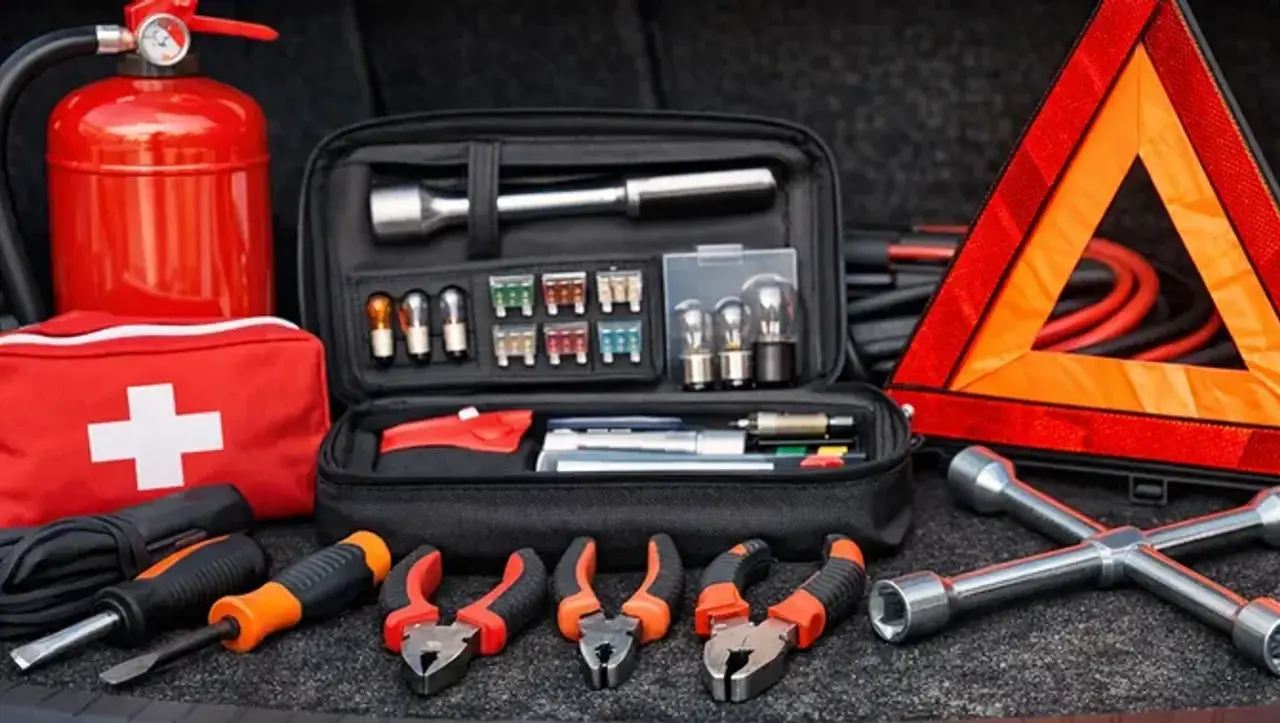
A warning triangle is one of the most recognized pieces of mandatory emergency equipment.
If your vehicle breaks down, it alerts approaching traffic and reduces the risk of secondary collisions.
Many European countries require drivers to place the warning triangle at an appropriate distance behind the vehicle, depending on road conditions and local regulations.
Inspectors may verify that the triangle is present and in usable condition where required.
High-Visibility Reflective Vest
Many European countries require drivers—and in some cases passengers—to carry a reflective safety vest.
The vest should be easily accessible inside the passenger compartment rather than stored deep inside the luggage compartment.
Reflective clothing significantly improves visibility during roadside emergencies, especially at night or during poor weather.
First Aid Kit
A first aid kit is mandatory in several European countries.
Even where not legally required, carrying one is strongly recommended.
A compliant kit typically contains:
-
Sterile bandages
-
Adhesive dressings
-
Medical gloves
-
Scissors
-
Emergency blanket
-
Antiseptic supplies
-
Basic wound dressings
Drivers should regularly check expiration dates and replace used or outdated items.
Fire Extinguisher
Some European countries require passenger vehicles to carry a fire extinguisher, while others make it mandatory only for commercial vehicles.
Where required, inspectors may check:
-
Expiration date
-
Pressure level
-
Secure mounting
-
Accessibility
Proper maintenance is essential for effective emergency use.
Spare Wheel or Emergency Repair Kit
Many modern vehicles no longer include a traditional spare wheel.
Instead, manufacturers often provide:
-
Tire repair kits
-
Sealant systems
-
Emergency inflation compressors
-
Run-flat tires
Although inspection requirements vary, drivers should ensure that emergency tire repair equipment is complete and functional.
Functional Seat Belts
Seat belts are among the most important vehicle safety systems.
During inspection, examiners typically verify:
-
Proper locking mechanism
-
Retractor operation
-
Secure mounting points
-
Absence of cuts or damage
-
Correct buckle function
Any defective seat belt may result in inspection failure.
Mirrors
Vehicles must provide adequate rearward visibility.
Inspectors usually check:
-
Interior mirror condition
-
Exterior mirrors
-
Secure mounting
-
Mirror adjustment
-
Cracked or broken glass
Damaged mirrors can significantly reduce driving safety.
Windshield Wipers and Washers
Good visibility is essential under all weather conditions.
Inspection generally includes:
-
Wiper blade condition
-
Wiper motor operation
-
Washer fluid spray
-
Windshield cleaning effectiveness
Worn blades may reduce visibility and lead to inspection remarks.
Vehicle Lighting Equipment
Lighting systems receive particularly close attention during inspections.
Inspectors commonly examine:
-
Low beam headlights
-
High beam headlights
-
Daytime running lights (where applicable)
-
Front position lights
-
Rear position lights
-
Brake lights
-
Turn indicators
-
Hazard warning lights
-
Reverse lights
-
Rear fog lights
-
License plate illumination
Lights must operate correctly, display the proper color, and be securely mounted.
Horn
The horn must function correctly and produce an audible warning signal.
An inoperative horn is considered a safety defect in many inspection programs.
Tires
Tires are one of the most frequently inspected components.
Inspectors evaluate:
-
Tread depth
-
Sidewall condition
-
Uneven wear
-
Cracks
-
Bulges
-
Correct size
-
Proper load and speed ratings
Unsafe tires may result in immediate inspection failure.
Braking System
Brake performance is one of the most critical inspection items.
Typical checks include:
-
Service brakes
-
Parking brake
-
Brake balance
-
Brake discs
-
Brake pads
-
Hydraulic leaks
-
Brake hoses
Brake testing equipment measures stopping performance to ensure compliance with safety standards.
Steering Components
Inspectors also examine steering performance.
Common inspection points include:
-
Steering play
-
Tie rods
-
Ball joints
-
Steering rack
-
Power steering system
-
Steering wheel security
Loose steering components present significant safety risks.
Suspension
The suspension system affects both comfort and vehicle stability.
Inspection usually includes:
-
Shock absorbers
-
Springs
-
Bushings
-
Suspension arms
-
Mounting points
Excessive wear can reduce braking efficiency and handling.
Exhaust and Emissions System
Environmental regulations require vehicles to meet applicable emissions standards.
Inspectors typically check:
-
Exhaust leaks
-
Catalytic converter condition
-
Diesel particulate filter (where applicable)
-
Smoke emissions
-
Noise levels
Tampered emissions equipment may result in inspection failure.
Registration Plates
License plates must remain:
-
Clearly visible
-
Securely attached
-
Properly illuminated
-
Undamaged
-
Legible
Damaged or improperly mounted plates may require correction before approval.
Vehicle Identification Number (VIN)
The VIN is used to verify the vehicle's identity.
Inspectors may confirm:
-
VIN readability
-
Consistency with registration documents
-
Signs of tampering
Any discrepancies can trigger additional investigation.
What Do Inspectors Check During a European Vehicle Inspection?
Although inspection procedures differ slightly across Europe, examiners generally evaluate five main areas.
Vehicle Identification
-
Registration documents
-
VIN verification
-
License plates
Safety Equipment
-
Seat belts
-
Mirrors
-
Horn
-
Emergency equipment (where required)
Mechanical Condition
-
Brakes
-
Steering
-
Suspension
-
Tires
Lighting and Visibility
-
Headlights
-
Indicators
-
Brake lights
-
Windshield
-
Wipers
-
Washers
Environmental Compliance
-
Exhaust emissions
-
Noise
-
Emission control systems
Common Reasons Vehicles Fail Inspection
Many inspection failures are caused by relatively simple problems.
Common examples include:
-
Worn tires
-
Cracked windshield
-
Faulty headlights
-
Burned-out brake lights
-
Damaged suspension components
-
Brake imbalance
-
Oil leaks
-
Excessive exhaust emissions
-
Illegal window tint
-
Non-approved lighting modifications
Regular maintenance can prevent most of these issues.
Tips Before Your Inspection
Preparing your vehicle before inspection can save time and money.
Consider the following checklist:
-
Test all exterior lights.
-
Check tire pressure and tread depth.
-
Replace worn wiper blades.
-
Refill washer fluid.
-
Inspect seat belts.
-
Verify horn operation.
-
Check mirrors for damage.
-
Ensure license plates are clean and secure.
-
Remove any illegal modifications.
-
Carry mandatory emergency equipment where required.
A simple pre-inspection check can significantly increase the likelihood of passing on the first attempt.
Frequently Asked Questions
Is the same mandatory equipment required in every European country?
No. While many requirements are similar, individual countries may require additional items such as reflective vests, first aid kits, fire extinguishers, or spare bulbs. Always check the regulations of the country where the vehicle is registered and any countries you plan to visit.
Are emergency kits checked during vehicle inspection?
In some countries, yes. In others, they are checked during roadside inspections rather than during periodic technical inspections.
Can missing safety equipment result in fines?
Yes. Depending on national regulations, drivers may receive fines or be required to obtain the missing equipment before continuing their journey.
Do modified vehicles receive additional inspection?
Yes. Vehicles with aftermarket modifications—such as suspension changes, lighting upgrades, or window tint—may receive additional scrutiny to ensure compliance with applicable regulations.
Mandatory vehicle equipment plays a vital role in maintaining road safety across Europe. While the exact requirements vary between countries, the overall goal is the same: ensuring that every vehicle on public roads is safe, reliable, and properly equipped for emergencies.
Regular maintenance, carrying the required safety equipment, and preparing for periodic inspections can help drivers avoid unnecessary fines, inspection failures, and unexpected repair costs. Before travelling across borders, it's also wise to review the specific equipment requirements of each destination, as compliance rules may differ from one European country to another.