TR
TR EN
EN

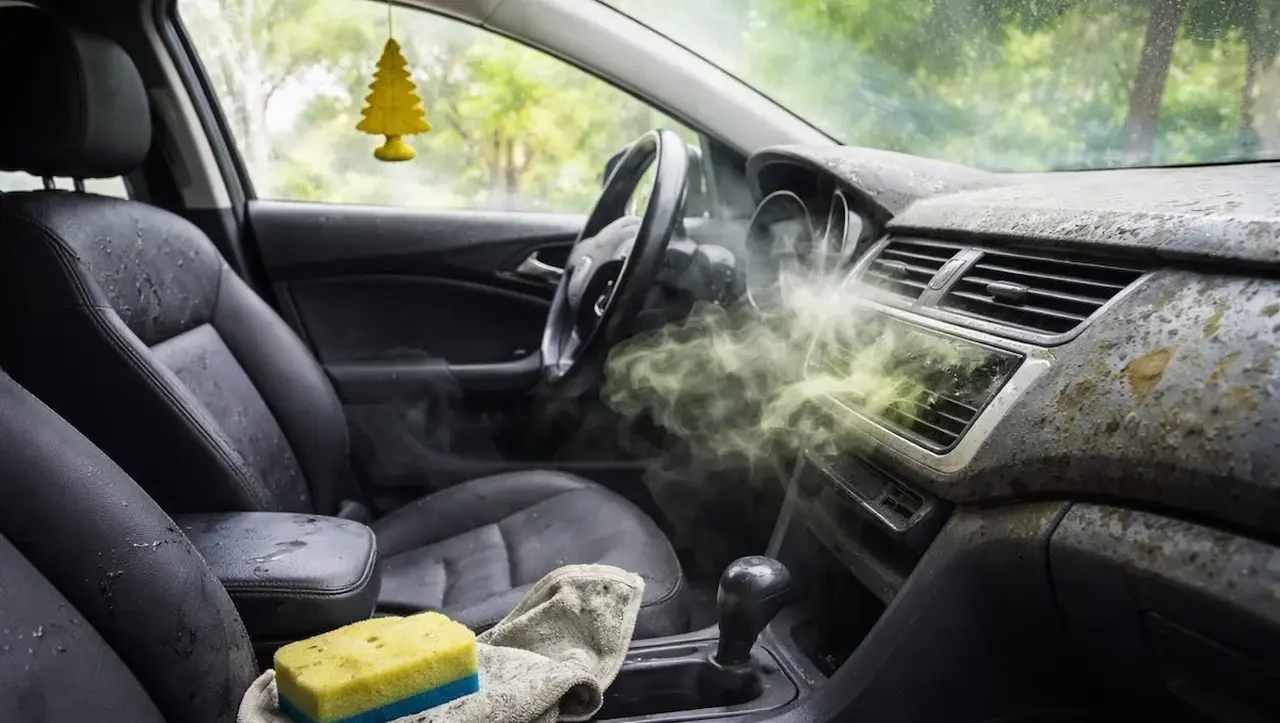
Why Does a Car Smell Musty or Moldy? Causes and How to Get Rid of It
A musty or moldy smell inside a vehicle can make driving unpleasant and may even affect your health. This problem is especially common during rainy seasons or in cars that have been left parked for long periods. In some cases, the odor is caused by simple moisture buildup, while in others it may indicate a serious water leak. So, what causes a musty smell inside a car, how can you identify the source, and what is the best way to eliminate it?
The primary cause of musty odors is excess moisture. When moisture remains trapped inside the vehicle, mold, mildew, and bacteria can develop in the carpets, upholstery, or air conditioning system. Over time, these microorganisms produce the unpleasant smell commonly associated with damp interiors.
In used cars, a strong musty odor can sometimes indicate previous water damage or flooding.
Why Does a Car Develop a Musty or Moldy Smell?
There are several possible causes of moisture buildup inside a vehicle.
The most common include:
-
Water leaking into the cabin
-
Mold and bacteria in the air conditioning system
-
Wet carpets or upholstery
-
Clogged sunroof drain tubes
-
Worn door seals
-
Water entering the trunk
-
Damaged window seals
-
Vehicles left unused for extended periods
Even a small water leak can eventually create a strong moldy odor.
The Air Conditioning System May Be the Cause
One of the most common sources of unpleasant odors is the air conditioning system.
Moisture, bacteria, and mold can accumulate on the A/C evaporator, especially if the system remains damp after use.
Turning off the engine immediately after using the A/C can leave moisture trapped inside the system, encouraging mold growth.
How to Tell If the A/C Is Causing the Odor
The air conditioning system is likely responsible if:
-
A bad smell appears immediately after turning on the A/C
-
The odor gradually fades after a few minutes
In this case, the A/C system may require cleaning or disinfection.
Your Vehicle May Have a Water Leak
One of the most serious causes of musty odors is water entering the vehicle.
Check the following areas carefully:
-
Under the floor mats
-
Trunk floor
-
Spare tire compartment
-
Inside the doors
-
Headliner
Moisture often remains trapped beneath the carpet padding, even when the carpet surface appears dry.
Clogged Sunroof Drains
Vehicles equipped with a sunroof have drainage channels designed to carry rainwater away.
If these drains become blocked:
-
Water may leak into the cabin.
-
The headliner can become wet.
-
Water may run down the interior pillars.
Over time, this creates ideal conditions for mold growth.
A Dirty Cabin Air Filter Can Cause Odors
A contaminated cabin air filter is another common source of unpleasant smells.
This is especially true if the filter is:
-
Old and overdue for replacement
-
Damp
-
Poor quality
Replacing the cabin air filter often improves air quality inside the vehicle.
How to Eliminate Musty Odors in a Car
To remove the odor permanently, you must first identify and eliminate its source.
Simply using air fresheners or odor eliminators will only mask the smell temporarily.
Clean the Air Conditioning System
The A/C evaporator and ventilation ducts should be cleaned thoroughly.
Professional services may include:
-
A/C disinfection
-
Ozone treatment
-
Antibacterial cleaning
Dry All Damp Areas
Every damp surface inside the vehicle should be completely dried.
Pay special attention to:
-
Carpet padding
-
Trunk floor
-
Headliner
In severe cases, removing the seats and carpets may be necessary to dry the interior properly.
Replace the Cabin Air Filter
Old or contaminated cabin air filters should always be replaced.
Repair Any Water Leaks
If water is entering the vehicle, the leak must be repaired first.
Otherwise, the odor will likely return even after cleaning.
Does Ozone Treatment Work?
Yes.
Professional ozone treatment can help:
-
Eliminate bacteria
-
Reduce mold odors
-
Sanitize the A/C system
However, ozone treatment alone is not a permanent solution if the underlying water leak remains unresolved.
Can Musty Odors Be Harmful to Your Health?
Long-term exposure to mold and mildew inside a vehicle may contribute to:
-
Allergic reactions
-
Headaches
-
Respiratory irritation
-
Eye irritation
Children and people with allergies or asthma may be especially sensitive.
What Can Musty Smells Indicate in a Used Car?
A strong moldy odor in a used vehicle may suggest:
-
Previous flood damage
-
Water intrusion
-
Long-term storage
-
Roof leaks
-
Poor-quality repairs
For this reason, vehicles with persistent musty odors should always be inspected carefully before purchase.
Conclusion
A musty smell inside a vehicle may be caused by something as simple as trapped moisture or as serious as an ongoing water leak.
For a permanent solution:
-
Identify the source of the odor.
-
Inspect the vehicle for water leaks.
-
Clean the air conditioning system.
-
Thoroughly dry all damp areas.
Persistent mold or mildew odors should never be ignored, as they may indicate hidden damage and can negatively affect both the vehicle and the health of its occupants.