TR
TR EN
EN

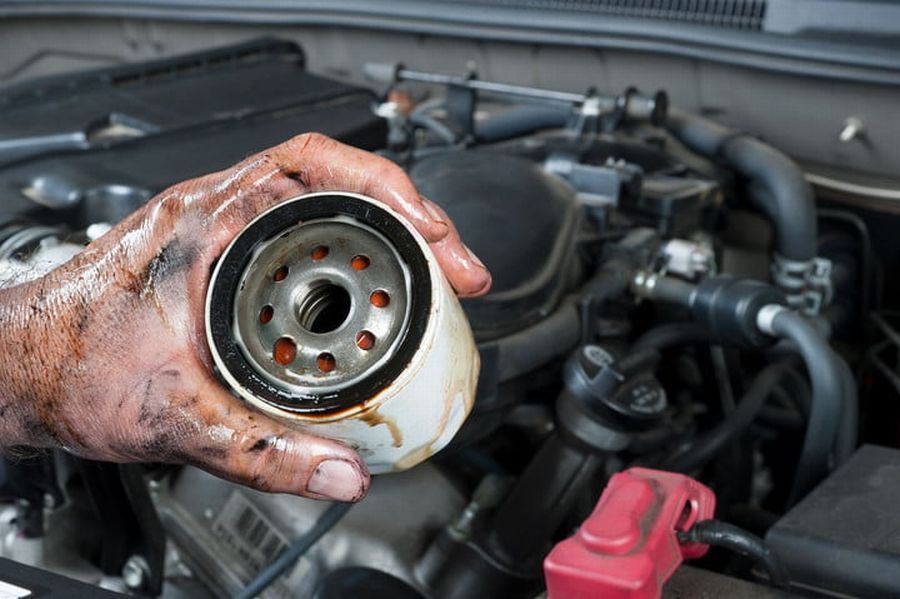
When Should Engine Oil and the Oil Filter Be Changed?
Engine oil is one of the most important fluids in a vehicle. It lubricates the moving parts inside the engine, reduces friction, helps control temperature, keeps contaminants suspended, and protects internal components against wear and corrosion.
The oil filter works together with the engine oil by removing dirt, metal particles, carbon deposits, and other contaminants from the oil before it circulates through the engine.
Changing the oil without replacing the oil filter is generally not the best practice. A dirty filter can become restricted or continue to hold contaminated oil, reducing the benefit of fresh engine oil.
How Often Should Engine Oil Be Changed?
The correct oil change interval depends on the engine, oil specification, vehicle manufacturer, driving conditions, and type of oil being used.
For many modern vehicles, an oil change interval may fall somewhere around 10,000–15,000 km or once a year, but some manufacturers specify shorter or longer intervals.
The vehicle's owner's manual should always take priority over a general mileage recommendation.
Some vehicles also use an electronic oil-life monitoring system that calculates the service interval based on driving conditions.
Why Does Engine Oil Need to Be Changed?
Engine oil does not remain in perfect condition indefinitely.
During normal engine operation, the oil is exposed to:
-
High temperatures
-
Combustion by-products
-
Fuel contamination
-
Moisture
-
Soot and carbon particles
-
Metal wear particles
-
Oxidation
Over time, the oil's additives become depleted and its ability to protect the engine can decrease.
Even if the oil level is correct, this does not necessarily mean the oil is still in good condition.
Why Should the Oil Filter Be Changed at the Same Time?
The oil filter captures contaminants that circulate through the lubrication system.
As the filter accumulates debris, its filtration efficiency and flow characteristics can change. A heavily contaminated filter may also increase the pressure difference across the filter.
Replacing the filter during every oil change ensures that the fresh oil is circulating through a clean filtration element.
This is why a typical oil service includes both:
-
Engine oil replacement
-
Oil filter replacement
What Happens If You Change the Oil Too Late?
Delaying an oil change for too long can increase engine wear.
Old oil can become contaminated and lose some of its original lubricating properties. In severe cases, sludge and deposits can accumulate inside the engine.
Possible consequences include:
-
Increased engine wear
-
Noisy engine operation
-
Reduced lubrication performance
-
Oil sludge formation
-
Increased oil consumption
-
Turbocharger lubrication problems
-
Reduced engine efficiency
-
Potential engine damage
The risk is particularly important for engines with turbochargers, variable valve timing, direct injection, or other systems that depend heavily on clean oil.
Does Short-Distance Driving Affect Oil Life?
Yes. Frequent short trips can be harder on engine oil than longer journeys.
When an engine is repeatedly started and driven for only a few kilometers, it may not reach operating temperature for long enough to evaporate accumulated moisture and fuel contamination from the oil.
This type of use is often considered severe service.
If a vehicle is mainly used for:
-
Short city trips
-
Frequent cold starts
-
Heavy traffic
-
Stop-and-go driving
-
Long periods of idling
the oil may need to be changed more frequently than the normal service interval.
What About Long-Distance and Highway Driving?
Long-distance driving at normal operating temperature is generally less demanding on engine oil than repeated short trips.
Once the engine reaches its normal operating temperature, moisture and some fuel contamination can evaporate more effectively.
However, highway driving does not mean the oil can be used indefinitely. The manufacturer's time and mileage limits should still be followed.
Does Engine Oil Color Tell You When to Change It?
Not reliably.
Fresh oil can become darker relatively quickly because it is designed to suspend contaminants and keep them away from engine surfaces.
Therefore, dark oil does not automatically mean that it must be replaced immediately.
Oil condition should be evaluated based on the manufacturer's service interval, vehicle usage, oil specification, mileage, time, and, when necessary, laboratory oil analysis.
How Long Can Engine Oil Stay in the Engine?
Time is important as well as mileage.
Even if the vehicle has covered very few kilometers, engine oil can deteriorate over time due to oxidation, moisture, and contamination.
For this reason, many manufacturers specify both:
Mileage interval: for example, a certain number of kilometers.
Time interval: for example, 12 months.
The first limit reached is normally the one that determines when the oil should be changed.
Should the Oil Be Changed Before the Manufacturer's Interval?
In some situations, changing the oil earlier can be beneficial.
Earlier oil changes may make sense when a vehicle is regularly subjected to severe operating conditions, such as:
-
Heavy traffic
-
Frequent short trips
-
Very dusty environments
-
High temperatures
-
Frequent towing
-
High engine loads
-
Performance driving
-
Long periods of idling
However, changing the oil excessively often is not necessarily useful if the correct oil is being used and the manufacturer's maintenance schedule is already appropriate for the vehicle.
What Happens If the Wrong Engine Oil Is Used?
Using the wrong oil can be just as problematic as changing the correct oil too late.
Engine manufacturers specify oil viscosity and performance standards for a reason. Modern engines may require specific approvals for their lubrication systems, emissions equipment, turbochargers, and variable valve timing systems.
For example, two oils with the same viscosity may have different manufacturer approvals and additive formulations.
Therefore, the oil should be selected according to the vehicle manufacturer's required specification, not simply by choosing a familiar viscosity such as 5W-30 or 5W-40.
How Do You Know Which Oil to Use?
The owner's manual is the best starting point.
The correct engine oil is determined by factors such as:
-
Engine type
-
Engine generation
-
Fuel type
-
Oil viscosity
-
Manufacturer approval
-
Emission system requirements
-
Turbocharger requirements
-
Operating temperature
It is important to distinguish between viscosity and oil specification. A suitable oil must meet the required specification as well as having the appropriate viscosity.
Should the Oil Filter Always Be Changed?
For a normal oil service, replacing the oil filter at the same time as the engine oil is recommended.
There may be specific manufacturer service schedules where the filter replacement interval differs, but in many vehicles replacing the filter during each oil change is the simplest and safest approach.
A new filter is relatively inexpensive compared with the cost of repairing an engine damaged by poor lubrication.
Signs That an Oil Service Should Not Be Delayed
The normal service interval should always be followed, but certain symptoms deserve additional attention.
These can include:
-
Oil pressure warning light
-
Unusual engine noise
-
Excessive oil consumption
-
Oil leaks
-
Thick sludge around the oil filler cap
-
Unusual oil pressure behavior
-
Turbocharger noise or lubrication-related symptoms
The oil pressure warning light is particularly important. It does not simply mean that the oil needs changing. It can indicate low oil pressure, insufficient oil level, a lubrication problem, or another serious fault.
How Often Should You Change Engine Oil and the Filter?
For a general guideline, many vehicles fall within the range of 10,000–15,000 km or once a year, but this should not replace the manufacturer's maintenance schedule.
If the vehicle is used under severe conditions, a shorter interval may be appropriate.
The most important points are:
-
Use the correct oil specification.
-
Use the correct oil viscosity.
-
Replace the oil at the recommended interval.
-
Replace the oil filter during the oil service.
-
Check the oil level regularly between services.
-
Do not ignore the oil pressure warning light.
-
Consider driving conditions when determining the service interval.
Regular oil and filter changes are among the simplest forms of preventive maintenance, yet they can have a major effect on engine longevity.