TR
TR EN
EN

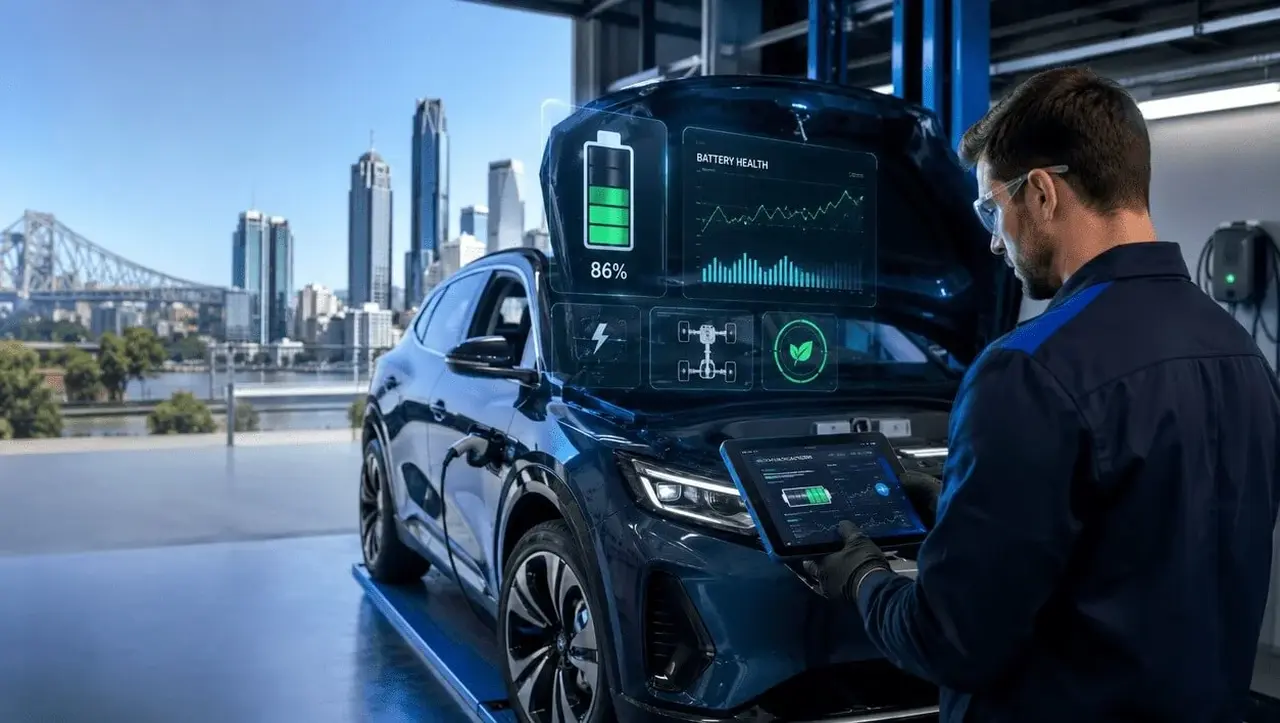
How to Check the Battery Health of an Electric Vehicle
The battery is one of the most important—and most expensive—components of an electric vehicle (EV). Whether you are buying or owning an EV, monitoring the battery's health is essential because it directly affects the vehicle's driving range, performance, charging time, and overall value.
So, how do you check the battery health of an electric vehicle, and how can you tell if the battery is deteriorating?
EV batteries gradually lose capacity over time, which is a normal part of aging. However, driving habits, charging practices, and climate conditions can significantly influence the battery's lifespan.
What Is Battery Health (SOH)?
Battery health is commonly expressed as:
-
SOH (State of Health)
This value indicates the battery's current capacity compared to its original capacity when new.
For example:
-
100% SOH → Battery is in like-new condition.
-
90% SOH → Approximately 10% capacity loss.
-
80% SOH → Noticeable battery degradation.
How to Check an EV Battery's Health
Battery health can be checked using several different methods.
Using the Vehicle's Display
Some electric vehicles allow you to view information such as:
-
Battery condition
-
Cell balance
-
Charging capacity
directly through the vehicle's infotainment or instrument display.
Many newer EV models provide detailed battery and energy information.
Using an OBD Scanner
One of the most accurate methods is using an OBD (On-Board Diagnostics) scanner.
This allows you to check:
-
Actual battery capacity
-
Individual cell voltages
-
Charge cycle count
-
Battery temperature
in greater detail.
Authorized Service Center Battery Test
A professional battery inspection is one of the most reliable ways to evaluate battery condition.
Service centers can perform:
-
Cell balancing analysis
-
Capacity testing
-
Diagnostic fault scans
How Can You Tell If the Battery Health Is Declining?
Several signs may indicate battery degradation.
The most common symptoms include:
-
Significant reduction in driving range
-
Faster battery depletion
-
Longer charging times
-
Sudden drops in battery percentage
-
Noticeable performance loss in cold weather
Reduced Driving Range Is the Most Common Sign
As battery capacity decreases:
-
The driving range on a full charge also decreases.
For example:
-
A vehicle that originally traveled 500 km (310 miles) on a full charge
-
May achieve only around 400 km (250 miles) after several years.
This is generally considered normal battery aging.
Does Frequent DC Fast Charging Affect Battery Life?
Frequent use of DC fast charging may:
-
Increase battery temperature
-
Accelerate battery cell degradation
For this reason, relying exclusively on DC fast charging is generally not recommended.
Factors That Affect Battery Life
The main factors that influence battery lifespan include:
-
Charging habits
-
High ambient temperatures
-
Frequent DC fast charging
-
Regularly charging to 100% or discharging to 0%
-
Leaving the battery discharged for extended periods
How Long Does an EV Battery Last?
Modern EV batteries are generally designed to last:
-
8 to 15 years
Many manufacturers also provide:
-
An 8-year or 160,000 km (100,000-mile) battery warranty
What Is Cell Imbalance?
An EV battery consists of many individual battery cells.
If some cells become weaker than others:
-
Charging performance may decline.
-
Driving range may decrease.
-
The battery management system may generate fault warnings.
Cell imbalance is typically detected during professional battery diagnostics.
Why Is Battery Inspection Important When Buying a Used EV?
The battery is the most expensive component of an electric vehicle.
Before purchasing a used EV, you should always check:
-
SOH (State of Health)
-
Charging history
-
Frequency of DC fast charging
-
Remaining battery warranty
Can an EV Battery Be Repaired?
In some cases:
-
Individual battery cells can be replaced.
-
Battery modules can be repaired.
However:
-
Replacing the entire battery pack is usually very expensive.
How to Maintain Good Battery Health
To maximize battery lifespan:
-
Avoid leaving the battery at 100% charge for extended periods.
-
Avoid regularly discharging the battery to 0%.
-
Minimize unnecessary use of DC fast charging.
-
Avoid exposing the vehicle to extreme heat for long periods whenever possible.
Conclusion
Battery health is one of the most important factors affecting the performance and value of an electric vehicle. The most common signs of battery degradation include:
-
Reduced driving range
-
Slower charging performance
-
Battery cell imbalance
Before purchasing a used electric vehicle, it is highly recommended to have a comprehensive battery health inspection performed. A healthy battery helps ensure reliable performance and extends the vehicle's useful service life for many years.