TR
TR EN
EN

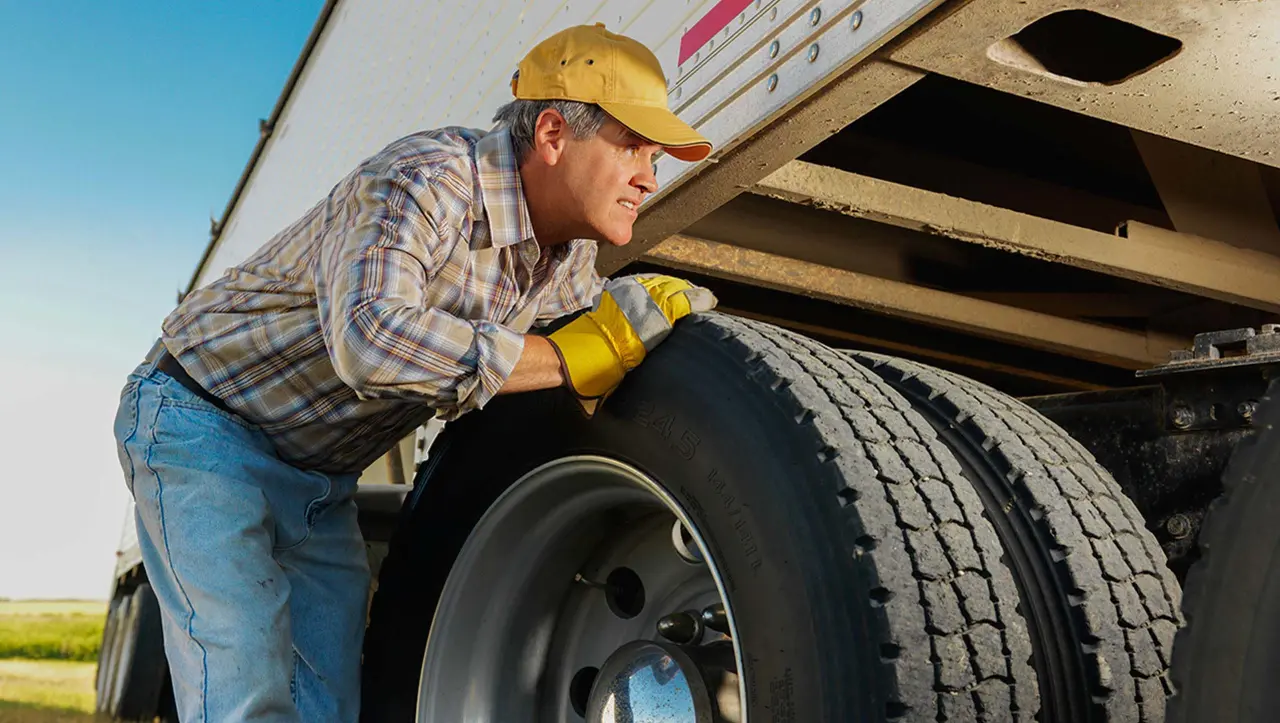
Why Do Trailer Tires Wear Unevenly?
Uneven tire wear is one of the most common problems encountered by heavy commercial vehicle operators. When trailer tires wear more on one side, develop scalloped tread patterns, or show excessive wear in specific areas, both driving safety and fuel efficiency can be negatively affected. It also significantly shortens tire life, resulting in higher operating costs.
So, what causes uneven trailer tire wear, and how can it be prevented?
What Is Uneven Trailer Tire Wear?
Under normal conditions, a tire should:
-
Maintain even contact with the road surface.
-
Wear evenly across the entire tread.
However, abnormal wear patterns may include:
-
Inner edge wear
-
Outer edge wear
-
Feathered wear
-
Cupping (scalloped wear)
-
Localized or spot wear
These wear patterns may indicate:
-
A mechanical problem
-
Improper vehicle operation or maintenance
1. Incorrect Wheel Alignment
One of the most common causes is:
-
Improper axle or wheel alignment.
When the trailer axles are not correctly aligned:
-
The tires contact the road at an incorrect angle.
-
One side of the tire wears faster than the other.
Common symptoms include:
-
Inner or outer edge wear
-
The trailer pulling or dragging while driving
-
Increased fuel consumption
2. Air Suspension Problems
On trailers equipped with air suspension, issues such as:
-
Damaged air springs (air bags)
-
Faulty ride height sensors
-
Uneven suspension operation
can affect how the tires contact the road.
As a result:
-
Certain tires may carry more weight than others.
3. Incorrect Tire Pressure
Both underinflation and overinflation can significantly reduce tire life.
With low tire pressure:
-
Tire shoulders wear excessively.
-
Heat buildup increases.
With high tire pressure:
-
The center of the tread wears more quickly.
-
Traction is reduced.
4. Overloading
Loading the trailer beyond its rated capacity places excessive stress on the tires.
This may cause:
-
Shoulder wear
-
Sidewall deformation
-
Heat-related tire damage
5. Brake System Problems
Dragging brakes can cause abnormal tire wear due to excessive friction.
Common causes include:
-
Sticking brake calipers
-
Brake drum problems
-
Brake shoes or pads rubbing continuously
These issues often result in excessive wear on a single tire.
6. Bent Axles or Chassis Damage
Following a collision or heavy impact, the trailer may develop:
-
Bent axles
-
Chassis misalignment
In these situations:
-
The tires no longer contact the road evenly.
7. Worn or Low-Quality Shock Absorbers
If the suspension dampers are worn:
-
The tires may bounce excessively.
This can lead to:
-
Cupping
-
Scalloped tread wear
8. Wheel Balancing Problems
Improper wheel balancing creates vibration while driving.
This may result in:
-
Localized tread wear
-
Uneven tire surfaces
9. Uneven Load Distribution
On some trailers:
-
Cargo is repeatedly loaded on the same side.
This causes:
-
Uneven tire wear on one side of the trailer.
10. Poor Road Conditions
Driving on rough roads increases the impact forces acting on the tires.
Common examples include:
-
Construction sites
-
Roads with frequent speed bumps
-
Potholes
These conditions accelerate tire wear and may damage the tire structure.
Does Uneven Tire Wear Affect Fuel Consumption?
Yes.
Unevenly worn tires:
-
Increase rolling resistance.
As a result:
-
Fuel consumption rises.
How Often Should Trailer Tires Be Inspected?
The following should be checked regularly:
-
Tire pressure
-
Wheel alignment
-
Suspension system
-
Tire tread condition
Routine inspections help detect problems before they become expensive repairs.
Should Trailer Tires Be Rotated?
Yes.
Rotating trailer tires at recommended intervals can:
-
Promote more even tread wear.
-
Extend overall tire life.
Conclusion
The most common causes of uneven trailer tire wear include:
-
Incorrect wheel alignment
-
Air suspension problems
-
Improper tire pressure
-
Brake system faults
-
Overloading
If uneven tire wear is not identified and corrected early:
-
Tire life will be reduced.
-
Fuel consumption will increase.
-
Driving safety may be compromised.
For this reason, regular inspections of trailer tires, suspension components, and the running gear are essential for maintaining safety, maximizing tire life, and reducing operating costs.