TR
TR EN
EN

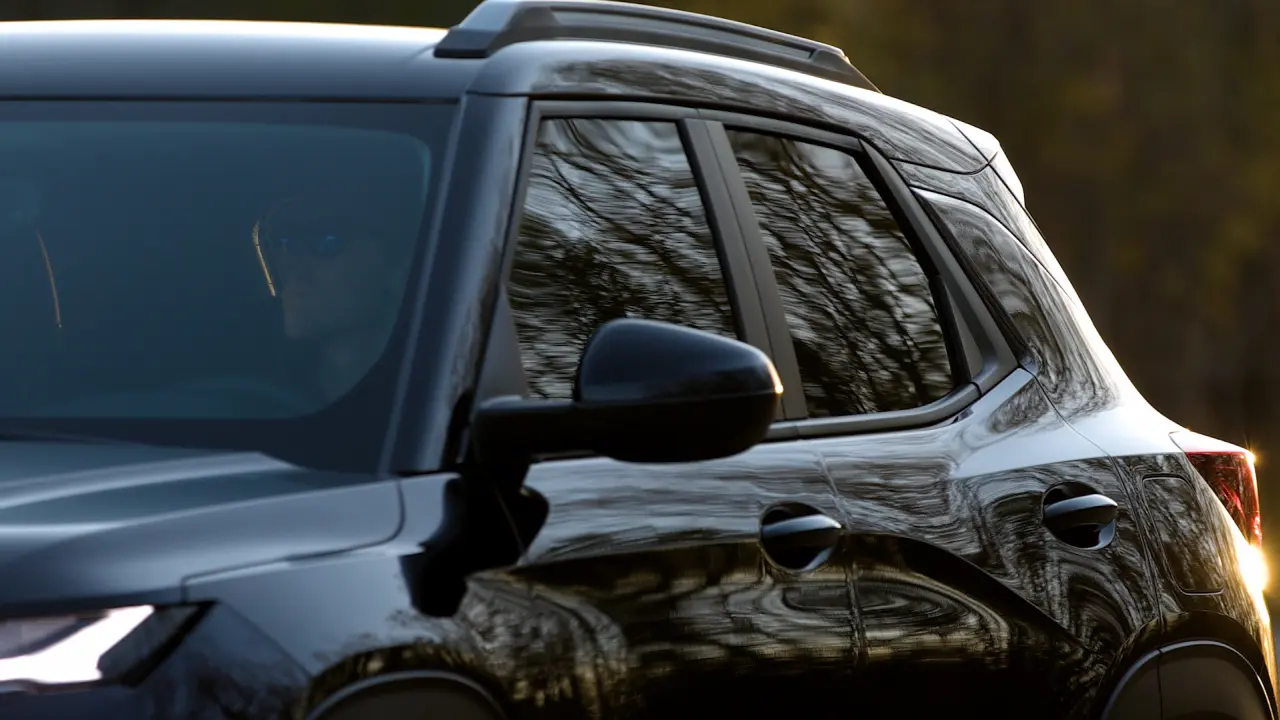
What Is Automotive Window Tint? How Is It Applied?
Automotive window tint is a thin film applied to a vehicle's glass surfaces to reduce sunlight, heat, glare, and ultraviolet (UV) radiation entering the cabin. Depending on the type of film, it can also provide additional privacy and help protect the vehicle's interior from sunlight-related fading.
Window tint is available in different shades, materials, and performance levels. The darkest film is not necessarily the best film. Heat rejection, UV protection, optical clarity, durability, and legal requirements are also important when choosing a product.
What Does Automotive Window Tint Do?
Window tint can provide several benefits during daily driving.
Reduces sunlight and glare
Tinted glass reduces the amount of visible light entering the cabin. This can make driving more comfortable, especially when the sun is low on the horizon.
Helps reduce cabin heat
High-quality films can reject a significant portion of solar energy. This can reduce the amount of heat entering the vehicle through the windows and may make the cabin more comfortable in hot weather.
The amount of heat reduction depends on the film technology. A dark film is not automatically better at rejecting heat.
Blocks ultraviolet radiation
Many quality automotive films can block a very high percentage of UV radiation.
This can help protect passengers and reduce UV-related deterioration of interior materials such as dashboards, seats, door panels, and other trim components.
Provides additional privacy
Darker rear window film can make it more difficult to see into the vehicle from outside.
However, privacy depends on both the film's visible light transmission and the original factory tint of the vehicle's glass.
Can protect the glass and interior
Window film adds another thin layer to the inside surface of the glass. Some films can also help hold small glass fragments together if the glass is broken.
The level of safety or shatter resistance varies considerably between different film types, so ordinary tint film should not automatically be described as security film.
What Are Automotive Window Films Made Of?
Automotive window films are generally made from a thin polymer film, often based on polyester, with additional layers used to provide specific properties.
Depending on the technology, a film may contain:
-
Dye
-
Metal particles
-
Ceramic particles
-
Adhesive layers
-
UV-blocking components
-
Scratch-resistant coatings
The construction of the film has a major effect on its appearance and performance.
For example, dyed films are generally more affordable, while ceramic films are designed to provide strong heat and UV rejection without necessarily becoming extremely dark.
Types of Automotive Window Tint
There is no single type of window tint that is ideal for every vehicle.
Dyed window film
Dyed films are usually among the more affordable options. They primarily provide shading, privacy, and glare reduction.
Their heat-rejection performance is generally lower than that of higher-end ceramic technologies, and lower-quality dyed films may fade or change color over time.
Metalized window film
Metalized films contain microscopic metallic particles.
They can provide good solar-energy rejection and durability, but the metallic content can sometimes interfere with radio, GPS, cellular, or other signals depending on the construction of the film and the vehicle.
Carbon window film
Carbon films are designed to provide a darker appearance and better heat rejection than many basic dyed films.
They are generally less reflective than some metalized films and can offer good resistance to fading.
Ceramic window film
Ceramic films use ceramic particles designed to reject solar energy while maintaining good optical clarity.
One of their major advantages is that they can provide strong heat rejection without requiring extremely dark visible-light transmission.
They also generally do not create the same type of signal-interference concerns associated with some metalized films.
However, ceramic films are usually more expensive.
How Is Automotive Window Tint Applied?
Professional window tint installation is a multi-stage process.
The quality of the installation is just as important as the quality of the film. Even an expensive film can look poor if the glass is not properly prepared or the film is incorrectly installed.
1. The glass is thoroughly cleaned
The first step is cleaning the inside of the window.
Dust, grease, fingerprints, old adhesive, and other contaminants must be removed because even a very small particle trapped underneath the film can create a visible bump or defect.
2. The film is measured and cut
The installer measures the window and cuts a piece of film larger than the glass area.
Professional installers may use templates or specialized cutting systems to obtain a precise shape.
3. The film is shaped to the glass
Automotive windows are often curved, especially rear windows.
The film may therefore need to be heat-shaped so that it follows the curvature of the glass instead of forming wrinkles or excessive tension.
This is particularly important for large rear windshields.
4. The adhesive side is prepared
The protective liner is removed from the film and the adhesive surface is exposed.
A suitable installation solution is generally used to allow the installer to position the film and remove trapped air and liquid.
5. The film is placed on the glass
The film is carefully positioned against the inside surface of the window.
The installer then uses a squeegee or similar tool to push out excess installation solution and air.
This stage requires careful technique because excessive pressure, incorrect positioning, or contamination can cause permanent defects.
6. The edges are trimmed
Once the film is correctly positioned, the excess material around the window is trimmed.
The goal is to obtain a clean edge that follows the shape of the glass and remains securely attached.
7. The film is cured
After installation, some moisture may remain between the film and the glass.
Small amounts of haze, water pockets, or bubbles can therefore be visible temporarily.
As the film cures and the remaining moisture evaporates, the appearance normally becomes clearer.
The curing time depends on the film, weather, temperature, humidity, and installation method.
Can Window Tint Be Applied Without Removing the Glass?
In many vehicles, window tint can be installed without removing the glass.
The installer works directly on the inside surface of the window.
However, the exact procedure depends on the vehicle's design. Door panels, seals, trim pieces, and other components may sometimes need to be moved or removed to obtain a cleaner installation.
For a professional installation, avoiding unnecessary disassembly is generally preferable, but accessibility should not be sacrificed if it would result in poor film placement.
What Happens if the Glass Is Not Clean Enough?
Poor glass preparation is one of the most common causes of installation defects.
If dust or other particles remain on the glass, they can become trapped underneath the film.
This may result in:
-
Small bumps
-
Dust spots
-
Permanent imperfections
-
Uneven adhesion
-
Visible contamination
-
Edge lifting
For this reason, preparation is not simply a preliminary step. It is one of the most important parts of the entire installation process.
What Causes Bubbles After Window Tint Installation?
Small amounts of moisture immediately after installation are normal.
However, permanent bubbles or large irregular areas can indicate a problem.
Possible causes include:
-
Excess installation solution
-
Poor squeegee technique
-
Dust contamination
-
Poor adhesion
-
Incorrect installation temperature
-
Low-quality film
-
Improper curing
-
Film damage
If bubbles remain after the recommended curing period, the installer should inspect the film rather than assuming that they will disappear automatically.
Can Window Tint Be Applied to the Front Windshield?
This depends heavily on local regulations and the type of film.
A vehicle's windshield is a critical part of the driver's field of vision. Excessive tint, reflective film, or a film with insufficient visible light transmission can create both safety and legal problems.
For this reason, windshield film should never be selected only according to appearance.
If a transparent UV or heat-rejection film is being considered for the windshield, its visible light transmission (VLT) and compliance with applicable regulations should be verified before installation.
What Is VLT?
VLT stands for Visible Light Transmission.
It describes the percentage of visible light that can pass through the glass and film combination.
A higher VLT means more visible light passes through and the window appears lighter.
A lower VLT means less visible light passes through and the window appears darker.
For example, a film marketed as 70% VLT allows substantially more visible light through than a 20% VLT film.
One important point is that the final VLT is determined by the glass + film combination, not simply the number printed on the film package.
If a vehicle already has factory-tinted glass, applying a 70% film does not necessarily result in a final 70% VLT.
Is Darker Window Tint Always Better?
No.
Very dark film may provide more privacy, but darkness alone does not determine heat rejection.
A high-quality ceramic film with relatively high VLT can sometimes reject substantial solar energy while maintaining better visibility than a cheap, extremely dark film.
When choosing a film, it is better to consider:
-
Heat rejection
-
UV protection
-
VLT
-
Optical clarity
-
Color stability
-
Glare reduction
-
Signal compatibility
-
Durability
-
Legal requirements
rather than choosing the darkest available film.
How Long Does Automotive Window Tint Last?
The lifespan depends on the film technology, quality, installation, climate, exposure to sunlight, and cleaning practices.
High-quality films can remain usable for many years when correctly installed and maintained.
Low-quality dyed films may fade, turn purple, lose adhesion, or develop other visual defects sooner.
Signs that a film may need replacement include:
-
Purple or uneven color
-
Peeling edges
-
Bubbling
-
Haze
-
Scratches
-
Delamination
-
Reduced optical clarity
How Should Tinted Windows Be Cleaned?
Tinted windows should be cleaned carefully, particularly during the initial curing period.
After the film has fully cured, use a soft microfiber cloth and a suitable glass-cleaning product that is compatible with window film.
Avoid abrasive materials that can scratch the film.
The inside surface should also be wiped gently rather than aggressively scraping or rubbing it.
If the film manufacturer specifies a particular cleaning method, those instructions should take priority.
Can Window Tint Reduce Air Conditioning Load?
It can.
By reducing the amount of solar energy entering the cabin, effective window film can help keep the interior cooler.
This can reduce the amount of heat that the air-conditioning system needs to remove, particularly when the vehicle is parked or driven under strong sunlight.
However, the actual effect varies with:
-
Film technology
-
VLT
-
Glass area
-
Vehicle design
-
Outside temperature
-
Sun angle
-
Vehicle color
-
Air-conditioning efficiency
Therefore, window tint should not be presented as a guaranteed fuel-saving device.
What Should Be Considered Before Applying Window Tint?
Before installation, the most important question is not simply “How dark should it be?”
The correct approach is to consider the vehicle, the glass, the intended use, and applicable regulations.
The installer should evaluate the factory glass tint, select an appropriate film VLT, verify heat-rejection characteristics, and make sure the film is compatible with the vehicle's glass and electronic systems.
For vehicles equipped with antennas, radio systems, GPS, toll systems, or other devices integrated into the glass, the film's construction should also be considered.
Professional Installation or DIY?
DIY window tint installation is possible, but it requires considerable patience and technique.
The most difficult parts are usually:
-
Thorough glass preparation
-
Accurate cutting
-
Heat-shaping curved glass
-
Avoiding dust
-
Removing trapped moisture
-
Achieving clean edges
A professional installer has the appropriate tools and experience to handle these stages.
For a vehicle with complex curved glass or expensive ceramic film, professional installation is generally the safer choice because installation defects can be costly to correct.
How to Choose the Right Automotive Window Film
A good window film should not be selected based solely on how dark it looks.
A balanced choice should provide the desired level of heat rejection, UV protection, glare reduction, privacy, and optical clarity while remaining compatible with the vehicle and legal requirements.
For the front windows and windshield in particular, visibility and regulations should always take priority over appearance.
For rear windows, there is usually more flexibility, but the final result still depends on the original glass and the film selected.
The best automotive window tint is therefore not necessarily the darkest film. It is the film that provides the required solar and UV protection, maintains good visibility and optical quality, lasts for many years, and is correctly installed on the vehicle.