TR
TR EN
EN

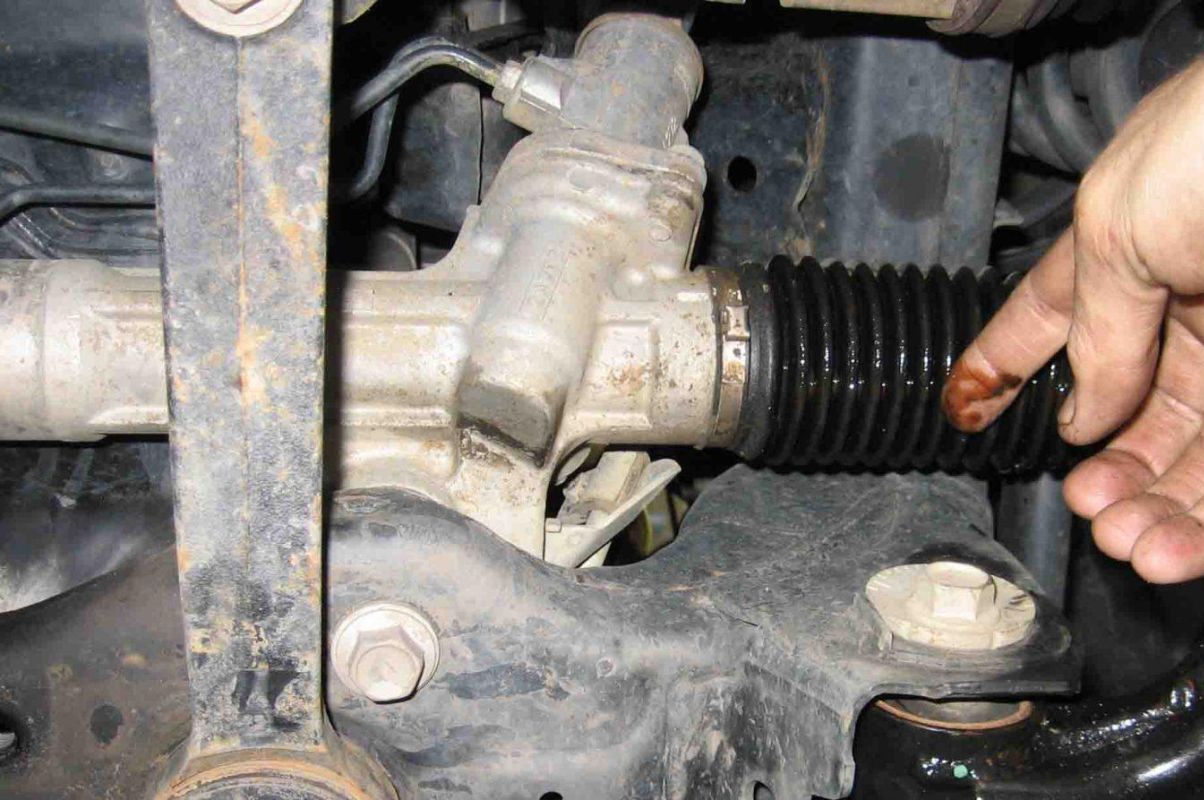
What Is a Steering Rack? What Are the Symptoms of Steering Rack Failure?
The steering rack is one of the most important components of a vehicle's steering system. It transfers the driver's steering input to the front wheels and allows the vehicle to change direction.
In most modern passenger cars, the steering rack is connected to the steering column through the steering shaft. When the driver turns the steering wheel, the steering rack converts this rotational movement into the lateral movement required to turn the wheels.
Depending on the vehicle, the steering rack can work with hydraulic, electro-hydraulic, or electric power assistance.
A worn or damaged steering rack can cause steering play, knocking noises, uneven steering effort, fluid leaks, wandering, and poor steering response. Because the steering system is directly related to vehicle control, steering rack problems should not be ignored.
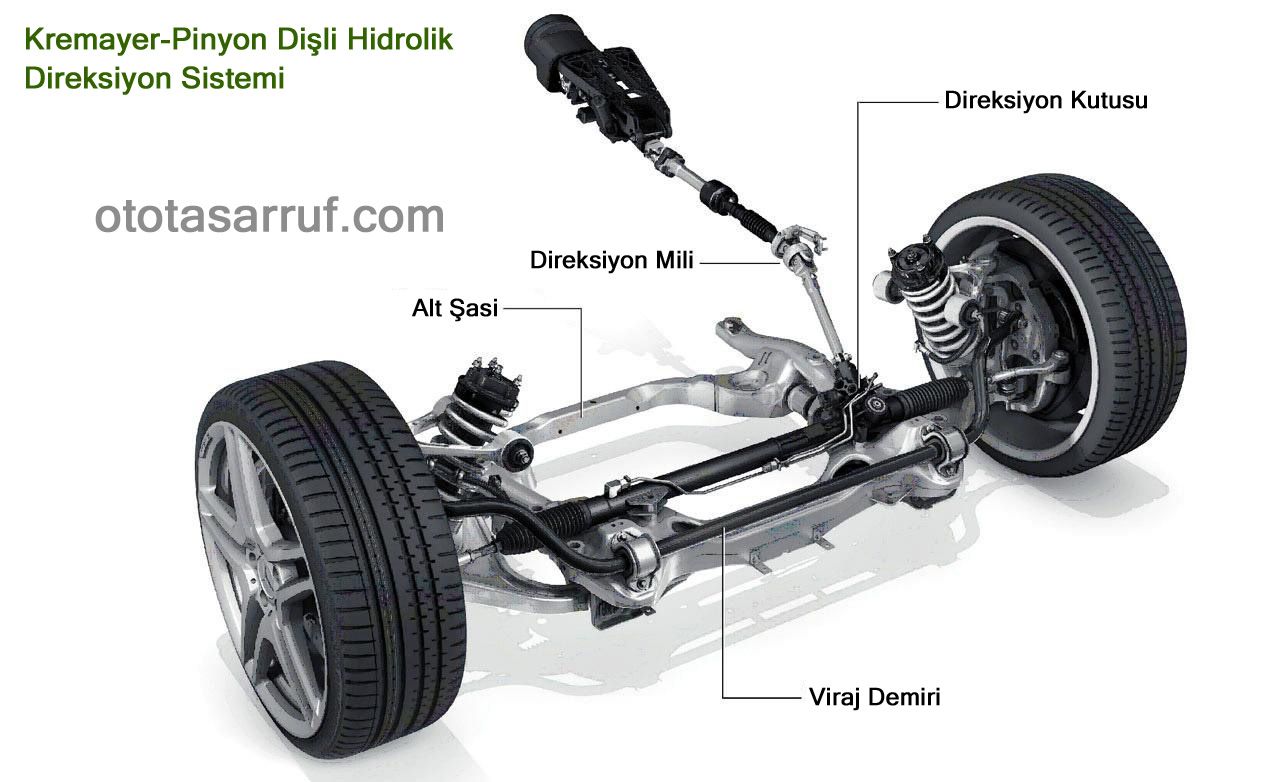
How Does a Steering Rack Work?
A conventional rack-and-pinion steering system uses two main components:
-
Steering pinion
-
Steering rack
The steering wheel rotates the steering column and steering shaft. This turns the pinion gear.
The pinion engages with the teeth on the steering rack. As the pinion rotates, the rack moves from side to side.
This lateral movement is transferred through the tie rods and tie-rod ends to the steering knuckles, causing the front wheels to turn.
The system essentially converts:
Rotational steering-wheel movement → lateral rack movement → wheel movement
What Is the Purpose of the Steering Rack?
The steering rack performs several important functions:
-
Transfers steering-wheel input to the wheels
-
Determines the direction of the front wheels
-
Provides precise steering response
-
Works with the power-assistance system
-
Helps maintain predictable steering behavior
-
Allows the wheels to move together according to the steering geometry
A steering rack must operate smoothly and accurately because even small amounts of unwanted play can affect vehicle stability and handling.
Types of Steering Racks
Steering racks can be divided into several categories depending on the assistance system.
Manual steering rack
Older or lightweight vehicles may use a mechanical rack without power assistance.
Hydraulic power steering rack
A hydraulic system uses pressurized fluid to assist the driver's steering input.
Electro-hydraulic steering rack system
An electric motor drives the hydraulic pump, allowing hydraulic assistance without a conventional engine-driven pump.
Electric power steering
Modern vehicles may use an electric motor to provide steering assistance. The motor may be mounted on the steering column, steering rack, or another part of the steering system.
The mechanical steering rack itself can therefore look similar while the assistance system around it differs considerably.
What Are the Symptoms of Steering Rack Failure?
A failing steering rack can produce different symptoms depending on the type of wear or damage.
Common symptoms include:
-
Excessive steering-wheel play
-
Knocking or clunking noises
-
Steering that feels loose
-
Uneven steering effort
-
Steering wheel not returning properly
-
Vehicle wandering
-
Poor steering response
-
Steering vibration
-
Fluid leakage on hydraulic systems
-
Notchy or stiff steering
-
Uneven tire wear
-
Steering noise during parking
-
Excessive movement in the steering linkage
One symptom alone is not enough to confirm steering rack failure. Other steering and suspension components can produce similar symptoms.
Excessive Steering Wheel Play
One of the clearest signs of steering-system wear is excessive steering-wheel play.
You may notice that the steering wheel can be moved slightly before the front wheels respond.
A small amount of movement can be normal depending on the steering system, but excessive free play may indicate wear in:
-
Steering rack
-
Pinion mechanism
-
Tie rods
-
Tie-rod ends
-
Steering column joints
-
Steering shaft
-
Steering rack mounts
The entire steering linkage should therefore be inspected before replacing the rack.
Knocking or Clunking From the Steering System
A steering rack problem may produce a knocking or clunking sound when the steering wheel is turned.
The noise may become more noticeable:
-
When parking
-
When changing steering direction
-
On uneven roads
-
When driving over small bumps
-
During rapid left-right steering movements
However, steering rack noise is frequently confused with worn tie-rod ends, control-arm bushings, stabilizer links, or other suspension components.
A physical inspection is necessary to identify the actual source.
Steering Feels Loose
A worn steering rack can make the vehicle feel less precise.
The driver may feel that the car requires constant small steering corrections, particularly at higher speeds.
The vehicle may not respond immediately to small steering-wheel movements.
This can be caused by excessive mechanical play, worn rack components, worn steering joints, or incorrect wheel alignment.
Steering Becomes Notchy
Another possible symptom is a steering wheel that does not turn smoothly.
Instead of moving progressively and smoothly, the steering may feel:
-
Notchy
-
Stiff at certain points
-
Uneven
-
Resistant around the center position
Internal wear, corrosion, damaged bearings, steering shaft problems, or issues with the power-assistance system can cause this behavior.
On electric power steering vehicles, the steering motor, torque sensor, control electronics, or software can also cause similar symptoms.
Steering Wheel Does Not Return Properly
After completing a turn, the steering wheel normally tends to return toward the center as the vehicle moves forward.
If the steering wheel does not return properly, possible causes include:
-
Steering rack problems
-
Incorrect wheel alignment
-
Damaged suspension components
-
Binding steering components
-
Faulty strut bearings
-
Tire-related problems
-
Insufficient steering assistance
A steering rack should not automatically be blamed without checking the alignment and suspension system.
Vehicle Wanders or Does Not Track Straight
A damaged or excessively worn steering system can contribute to poor directional stability.
The vehicle may feel as though it moves slightly from side to side or requires frequent steering corrections.
However, wandering can also be caused by:
-
Incorrect wheel alignment
-
Uneven tire pressure
-
Worn tires
-
Worn suspension components
-
Worn tie rods
-
Worn ball joints
-
Wheel bearing problems
For this reason, steering and suspension components should be inspected together.
Steering Rack Fluid Leak
Hydraulic steering racks contain seals that prevent power steering fluid from escaping.
As the seals age, fluid can leak from the rack.
Possible signs include:
-
Fluid around the steering rack
-
Wetness around the rack boots
-
Low power steering fluid level
-
Whining from the power steering system
-
Increasingly heavy steering
A leak from the steering rack can eventually cause loss of hydraulic assistance.
If fluid is accumulating inside a steering rack boot, this can be an especially important indication that an internal rack seal may be leaking.
Steering Rack Boot Problems
The steering rack is normally protected by rubber bellows or steering rack boots.
These boots protect the inner tie-rod joints and rack mechanism from:
-
Dirt
-
Water
-
Road debris
-
Dust
-
Moisture
A torn boot does not necessarily mean that the entire steering rack has failed.
However, a damaged boot allows contaminants to enter and can accelerate wear of internal components.
If the boot is damaged early, replacing it and inspecting the joint may prevent a more expensive steering repair.
Uneven Tire Wear
Steering rack problems can contribute to abnormal tire wear if they cause excessive play or alter wheel positioning.
You may notice:
-
Inner-edge wear
-
Outer-edge wear
-
Uneven wear between the front tires
-
Irregular tread wear
However, wheel alignment is one of the most common causes of abnormal tire wear.
After steering rack repairs, wheel alignment should generally be checked and adjusted according to the manufacturer's specifications.
Steering Vibration
Steering vibration is not automatically a sign of a bad steering rack.
Common causes include:
-
Wheel imbalance
-
Tire deformation
-
Bent wheel
-
Worn suspension components
-
Wheel bearing problems
-
Brake disc problems
-
Worn steering joints
If vibration is accompanied by steering play, knocking, or abnormal steering effort, the steering rack and linkage should also be inspected.
Steering Rack vs. Tie Rod
The steering rack and tie rod are different components.
The rack moves laterally when the steering wheel is turned.
The tie rods connect the steering rack to the steering knuckles and transfer this movement to the wheels.
A worn inner tie rod can produce symptoms that are very similar to a worn steering rack.
This is why replacing an expensive steering rack without checking the tie rods first can result in unnecessary expense.
Steering Rack vs. Tie-Rod End
The tie-rod end is the joint at the outer end of the tie rod.
It connects the steering linkage to the steering knuckle.
A worn tie-rod end can cause:
-
Steering play
-
Knocking
-
Uneven tire wear
-
Poor directional stability
-
Loose steering
These symptoms can easily be mistaken for steering rack failure.
A technician should check the inner and outer tie-rod components before condemning the rack.
Steering Rack Mount Problems
The steering rack must be securely mounted to the vehicle.
If rack mounting bushings or mounting points become worn or damaged, the rack itself can move when the steering wheel is turned.
This can create:
-
Knocking
-
Delayed steering response
-
Steering play
-
Unusual steering feedback
The rack may be mechanically healthy while its mounting system is causing the symptoms.
What Causes Steering Rack Failure?
Common causes include:
-
High mileage
-
Internal mechanical wear
-
Lack of lubrication
-
Contaminated hydraulic fluid
-
Low power steering fluid
-
Hydraulic fluid leaks
-
Torn rack boots
-
Water and dirt contamination
-
Damaged seals
-
Corrosion
-
Steering rack mounting problems
-
Accident or impact damage
-
Severe road conditions
On electric steering systems, electronic or motor-related faults can create additional failure possibilities.
Can a Bad Steering Rack Make Steering Heavy?
Yes, particularly on hydraulic or electrically assisted steering systems.
A mechanical steering rack can develop internal binding or damage that increases steering resistance.
On power-assisted systems, heavy steering may also be caused by:
-
Low hydraulic fluid
-
Failed power steering pump
-
Air in the hydraulic system
-
Faulty electric steering motor
-
Steering torque sensor problems
-
Electrical faults
-
Low system voltage
Therefore, heavy steering does not automatically mean that the steering rack needs to be replaced.
How Is a Steering Rack Diagnosed?
A proper diagnosis starts with a complete steering and suspension inspection.
A technician may check:
-
Steering-wheel free play
-
Rack movement
-
Inner tie rods
-
Outer tie-rod ends
-
Rack mounting points
-
Steering shaft
-
Steering column joints
-
Rack boots
-
Hydraulic lines
-
Power steering fluid
-
Steering assistance
-
Wheel alignment
-
Front suspension components
The vehicle may also be lifted so that the steering components can be inspected for excessive movement.
How Can Steering Rack Play Be Checked?
The front wheels and steering linkage can be inspected while the steering wheel is moved slightly from side to side.
The technician observes how the steering components respond.
If the steering wheel moves significantly before the steering rack or wheels respond, there may be excessive play somewhere in the steering system.
However, this test must be performed carefully because movement can originate from several different components.
Finding play does not automatically prove that the rack itself is worn.
Hydraulic Steering Rack Diagnosis
On a hydraulic system, diagnosis should include the hydraulic side of the system.
The technician may inspect:
-
Fluid level
-
Fluid condition
-
Hydraulic pressure
-
Pump operation
-
Rack seals
-
Hydraulic hoses
-
Fluid leaks
If the pump produces insufficient pressure, the steering may feel heavy even when the rack is mechanically sound.
Electric Steering Rack Diagnosis
Electric power steering requires a different diagnostic approach.
A diagnostic scan may reveal faults involving:
-
Steering torque sensor
-
Steering-angle sensor
-
Electric steering motor
-
Steering control module
-
Power supply
-
Communication networks
-
Internal position sensors
A warning light combined with heavy or abnormal steering should be diagnosed electronically as well as mechanically.
Simply replacing the steering rack may not solve an electrical steering fault.
Can a Steering Rack Be Repaired?
In many cases, steering racks can be rebuilt or repaired rather than replaced entirely.
Depending on the design and condition, repairs may involve:
-
Seal replacement
-
Bushing replacement
-
Bearing replacement
-
Internal component replacement
-
Rebuilding the rack mechanism
However, not every damaged rack is economical or technically suitable for rebuilding.
A severely damaged or corroded unit may require replacement.
Should the Steering Rack Be Replaced as a Pair?
Unlike some suspension components, steering racks are not normally replaced as a left-and-right pair because there is generally one steering rack for the front axle.
However, related components such as tie rods or tie-rod ends may require replacement depending on their condition.
If one component is worn, the entire steering linkage should be inspected.
Wheel Alignment After Steering Rack Replacement
Wheel alignment is extremely important after steering rack replacement or major steering linkage work.
Removing or replacing the rack can change the effective steering geometry and toe setting.
Incorrect alignment can cause:
-
Uneven tire wear
-
Vehicle pulling
-
Steering-wheel misalignment
-
Poor handling
-
Reduced tire life
The vehicle should therefore receive an appropriate alignment check after the repair.
Is It Safe to Drive With a Bad Steering Rack?
This depends on the severity of the problem.
A minor leak or slight wear may initially produce only subtle symptoms, but steering-system problems can worsen.
Driving becomes particularly dangerous when there is:
-
Significant steering play
-
Sudden loss of steering assistance
-
Severe steering binding
-
Excessive knocking
-
Damaged steering linkage
-
Major hydraulic fluid loss
-
Unpredictable steering response
Because steering is a primary vehicle-control system, serious steering rack symptoms should be inspected without delay.
How Long Does a Steering Rack Last?
There is no universal replacement interval for a steering rack.
Its service life depends on:
-
Vehicle design
-
Mileage
-
Road conditions
-
Driving style
-
Fluid maintenance
-
Steering-system condition
-
Exposure to water and dirt
-
Accident or impact damage
A properly maintained steering rack can last for many years and hundreds of thousands of kilometers in some vehicles.
However, rough roads, damaged rack boots, fluid contamination, and neglected leaks can significantly shorten its life.
How Can Steering Rack Problems Be Prevented?
Several maintenance practices can help extend steering-system life:
-
Check power steering fluid when applicable.
-
Repair hydraulic leaks promptly.
-
Inspect steering rack boots.
-
Replace damaged boots before contamination causes further wear.
-
Avoid unnecessary impacts from potholes and curbs.
-
Maintain correct tire pressure.
-
Perform wheel alignment when necessary.
-
Inspect tie rods and steering joints during suspension service.
-
Do not ignore steering noises or excessive play.
-
Use the correct hydraulic fluid when the vehicle has hydraulic power steering.
Final Thoughts
The steering rack is the component that converts steering-wheel rotation into the lateral movement needed to turn the vehicle's wheels. Because it sits at the center of the steering mechanism, problems with the rack can have a major effect on steering precision and vehicle control.
Excessive steering play, knocking noises, loose steering, notchy movement, poor return-to-center, wandering, hydraulic fluid leaks, and abnormal steering response can all indicate a steering-system problem.
However, these symptoms do not necessarily mean that the steering rack itself has failed. Tie rods, tie-rod ends, steering rack mounts, steering shafts, suspension components, wheel alignment, power steering pumps, and electric steering components can produce similar symptoms.
For this reason, the correct approach is to diagnose the complete steering system before replacing the rack. A proper inspection can identify the actual source of the problem and prevent unnecessary replacement of an expensive steering component.