TR
TR EN
EN

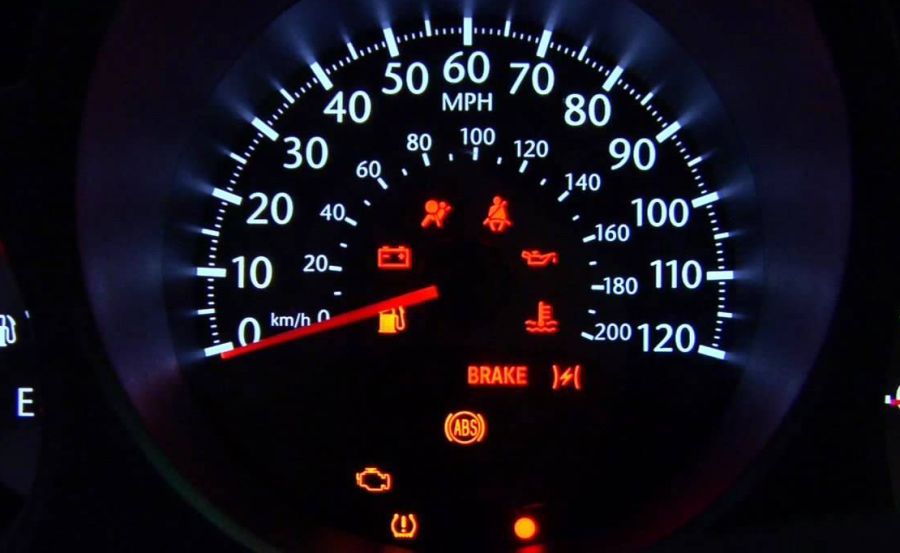
5 Warning Lights You Should Never Ignore
Modern vehicles use warning lights to tell the driver when something may be wrong with the engine, braking system, charging system, tires, or other critical components.
Not every warning light means that the vehicle must be stopped immediately. However, some warning lights indicate conditions that can quickly lead to serious mechanical damage or create a direct safety risk.
If one of the following warning lights comes on while driving, do not simply continue driving and hope it disappears. When the warning indicates a potentially serious problem, safely pull over, switch off the engine if appropriate, and determine what caused the warning before continuing.
1. Engine Oil Pressure Warning Light
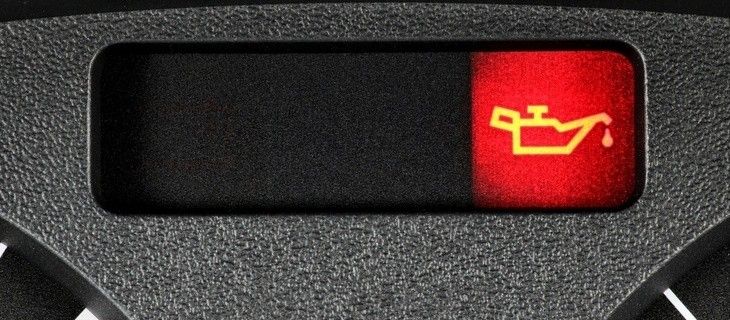
The oil pressure warning light is one of the most important warning lights on the dashboard.
It generally indicates that the engine oil pressure has fallen below the level required for safe engine operation. This is different from simply having a low oil level. An engine can have an adequate amount of oil and still suffer from low oil pressure because of a failing oil pump, excessive internal wear, or another lubrication-system problem.
If the oil pressure warning light comes on while driving, pull over safely and switch off the engine as soon as possible.
Do not continue driving simply because the engine still sounds normal.
After stopping the vehicle and allowing the engine to sit for several minutes, check the oil level with the dipstick if the vehicle is equipped with one.
Possible causes include:
-
Low engine oil level
-
Excessive oil consumption
-
An external oil leak
-
Incorrect or unsuitable oil viscosity
-
A failing oil pump
-
Excessive engine bearing clearances
-
A blocked oil passage or oil filter problem
-
A faulty oil pressure switch or sensor
-
Electrical or wiring problems affecting the warning circuit
A low oil level can eventually cause the oil pump to lose its ability to maintain adequate pressure, particularly during certain driving conditions.
Without sufficient lubrication, internal engine components can experience excessive friction and heat. Bearings, the crankshaft, connecting rods, camshafts, pistons, and other components can be severely damaged.
In extreme cases, continued operation with critically low oil pressure can cause bearing failure, severe internal damage, or engine seizure.
If the oil level is correct but the oil pressure warning remains illuminated, do not assume that the sensor is the problem and continue driving. The actual oil pressure should be checked with appropriate diagnostic equipment.
2. Engine Temperature or Overheating Warning Light
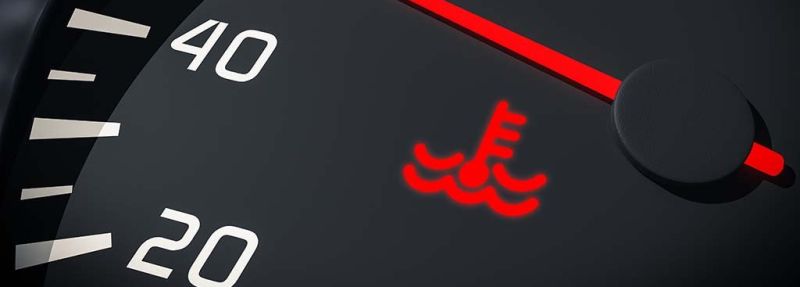
The engine temperature warning light indicates that the engine is overheating or that the coolant temperature has reached a dangerous level.
If this warning appears together with an overheating temperature gauge, steam, coolant loss, or other signs of excessive temperature, stop driving as soon as it is safe to do so.
Continuing to operate an overheating engine can cause extremely expensive damage.
Possible causes include:
-
Low coolant level
-
Coolant leaks
-
A faulty thermostat
-
A failing water pump
-
A radiator cooling fan problem
-
A blocked or restricted radiator
-
A damaged radiator hose
-
A faulty radiator cap or expansion tank
-
A cooling-system circulation problem
-
In some cases, an exhaust restriction or other engine problem
An overheating engine can suffer from head-gasket failure, cylinder-head warping or cracking, piston and ring damage, valve damage, and severe internal wear.
Modern engines, particularly those using aluminum cylinder heads, can be sensitive to excessive heat. Extreme temperatures can cause components to expand beyond their normal operating tolerances and create significant thermal stress.
Never Open a Hot Cooling System
Never immediately remove a radiator cap or pressurized coolant reservoir cap when the engine is hot.
The cooling system may be under significant pressure. Hot coolant or steam can escape suddenly and cause severe burns.
Turn the engine off and allow it to cool before checking the coolant level.
If the coolant level is low, the cause should also be investigated. Simply adding coolant may temporarily restore the level, but it will not repair a leak.
Once the engine has cooled sufficiently, use the coolant specified by the vehicle manufacturer. Many vehicles use a specific coolant type and concentration, so the owner's manual should be followed rather than assuming that every vehicle requires the same antifreeze mixture.
If the engine is overheating while towing or driving under heavy load, reducing the load and switching off the air conditioning may reduce heat production. However, this should not be considered a solution to an actual cooling-system failure.
3. Charging System Warning Light
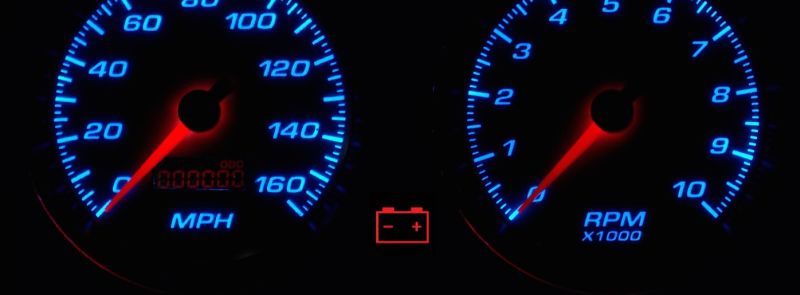
The charging system warning light is commonly represented by a battery symbol.
Despite its appearance, this light does not necessarily mean that the battery itself has failed.
It usually indicates a problem with the vehicle's charging system or that the alternator is no longer producing the required electrical output.
The vehicle may continue operating for a limited period using the remaining energy in the battery, but there is no reliable universal time limit. The available driving time can vary significantly depending on the battery condition and electrical load.
Using headlights, climate control, heated seats, windshield defrosters, audio equipment, and other electrical systems can increase the electrical load.
Possible causes include:
-
A failing alternator
-
A loose, damaged, or broken serpentine/accessory belt
-
A faulty alternator pulley or tensioner
-
Loose battery terminals
-
Corroded battery connections
-
Damaged battery cables
-
Poor engine or chassis grounds
-
A wiring or electrical fault
-
A battery that has reached the end of its service life
If the charging warning light comes on, avoid unnecessary electrical loads and head toward a safe location or repair facility if the vehicle is operating normally and it is safe to do so.
If the accessory belt has broken, however, the situation can be much more serious. On some vehicles, the same belt drives other components such as the water pump. A broken belt can therefore lead to overheating in addition to loss of charging.
Do not place your hands near belts or rotating components while the engine is running. Visual inspection should be performed only from a safe position.
4. Brake Warning Light
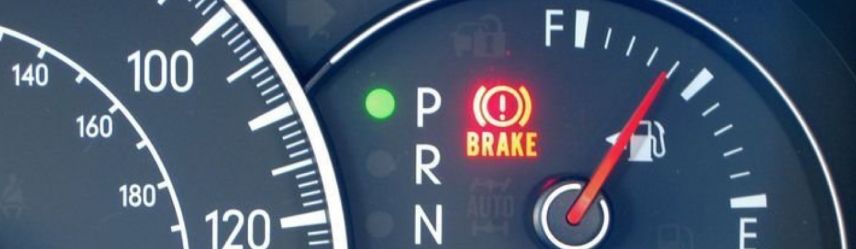
The brake warning light should never be taken lightly because the braking system is directly related to vehicle safety.
Depending on the vehicle, this warning light can illuminate because the parking brake is engaged, the brake fluid level is low, or there is a problem within the hydraulic braking system.
Some vehicles also use separate warning lights for ABS and electronic brake-system faults.
Possible causes include:
-
Parking brake not fully released
-
Low brake fluid
-
Brake fluid leakage
-
A leaking brake hose or brake line
-
A leaking brake caliper or wheel cylinder
-
A failing brake master cylinder
-
A hydraulic pressure problem
-
An electrical or sensor-related fault
If the warning light remains on after releasing the parking brake, the brake system should be checked.
Pay particular attention to how the brake pedal feels.
A brake pedal that suddenly becomes soft, unusually low, or sinks toward the floor can indicate a serious hydraulic problem.
What If the Brake Pedal Suddenly Goes to the Floor?
If the brake pedal suddenly loses normal resistance while you are driving, remain calm and concentrate on bringing the vehicle to a controlled stop.
Immediately release the accelerator and begin reducing speed.
If the brake system still produces some braking force, apply the brakes progressively while steering toward a safe location.
If pumping the pedal temporarily restores pressure, this still indicates a serious problem. Do not assume the brakes are safe simply because the pedal becomes firm again.
If normal braking is unavailable, use the parking brake carefully and progressively if the vehicle's system allows it. Do not suddenly apply a conventional mechanical parking brake at high speed because this can cause the rear wheels to lock and the vehicle to become unstable.
Select a lower gear where appropriate to increase engine braking, particularly on a downhill road.
The exact emergency procedure depends on the vehicle because modern vehicles can use mechanical handbrakes or electronic parking brakes with different operating strategies.
If the brake pedal remains abnormally soft or the vehicle cannot be stopped normally, the vehicle should not be driven to a repair shop. It should be recovered or towed.
If the brake pedal is soft, very low, sinks toward the floor, or requires repeated pumping, driving the vehicle is not safe.
5. Low Tire Pressure Warning Light
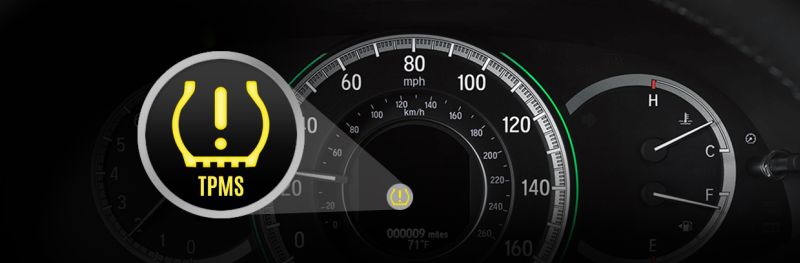
The tire pressure monitoring system, or TPMS, warns the driver when one or more tires have pressure below the vehicle manufacturer's specified level.
The exact pressure at which the warning activates varies by vehicle and TPMS system, so it should not be assumed that every car will illuminate the warning at exactly 25% below the recommended pressure.
Driving with significantly underinflated tires can be dangerous.
Low tire pressure can cause:
-
Increased tire flexing and heat buildup
-
Poor handling
-
Longer braking distances
-
Reduced stability
-
Uneven tire wear
-
Increased rolling resistance
-
Higher fuel consumption
-
Increased risk of tire damage or failure
A tire can lose pressure because of a puncture, damaged valve, wheel sealing problem, or another air leak.
Possible causes include:
-
A puncture caused by a nail, screw, or other object
-
A leaking valve
-
A damaged tire
-
A leak between the tire and wheel rim
-
Natural pressure loss over time
-
A faulty TPMS sensor
-
Incorrect tire pressure after maintenance
If the warning light comes on, inspect the tires as soon as it is safe to do so.
If one tire appears visibly damaged, severely underinflated, or flat, do not continue driving on it.
If the tires appear normal, check the pressure of all four tires with a reliable pressure gauge. Inflate them according to the pressure specified by the vehicle manufacturer.
The recommended pressure can usually be found on the driver's door-jamb label, fuel-filler area, or in the owner's manual.
Do not use a generic pressure such as 32–34 PSI as a universal rule. The correct pressure is determined by the vehicle, tire size, load, and manufacturer's specifications.
Check Tire Pressure When the Tires Are Cold
Tire pressure changes with temperature.
After driving, the tires become warmer and their pressure increases. For this reason, tire pressure is best checked when the tires are cold or have been driven only a short distance.
It is also a good habit to check tire pressures at least once a month and before long trips.
A TPMS warning should not automatically be blamed on the sensor. First verify the actual tire pressure with a reliable gauge.
If the pressure is correct but the warning remains illuminated, the TPMS sensor, valve, system calibration, or another component may require inspection.
Warning Lights Are Messages, Not Decorations
Dashboard warning lights are designed to give the driver an early indication that something may be wrong.
Some warnings allow you to drive carefully to a repair facility, while others require immediate action.
The most important distinction is between a warning that indicates possible mechanical damage and one that indicates a direct safety problem.
An oil pressure warning can mean that the engine is not receiving adequate lubrication. An overheating warning can indicate that the engine temperature is already too high. A charging-system warning can mean that the vehicle may soon lose electrical power. A brake warning can indicate a potentially dangerous loss of braking performance. A tire-pressure warning can indicate an underinflated or damaged tire.
Do Not Ignore a Warning Because the Car Still Drives Normally
One of the most dangerous assumptions a driver can make is:
“The car still drives, so the warning cannot be serious.”
A vehicle can continue moving even when a major problem has already begun.
An engine with low oil pressure may continue running until serious internal damage occurs. A cooling-system problem may allow the engine to operate normally for several minutes before overheating. A charging problem may not cause an immediate drivability issue until the battery becomes discharged.
For this reason, the warning light should always be considered together with other symptoms such as unusual noises, smells, smoke, changes in pedal feel, temperature changes, reduced engine performance, or visible fluid leaks.
If a red warning light appears and the owner's manual instructs you to stop the vehicle, follow that instruction.
When in Doubt, Stop Safely and Investigate
Not every dashboard warning requires an immediate roadside stop, but oil pressure, overheating, serious brake-system warnings, and other critical warnings should never be ignored.
The safest approach is simple: recognize the warning, reduce the risk, and determine the cause before continuing to drive.
Stopping for a few minutes and arranging proper diagnosis can prevent severe engine damage, brake failure, tire failure, or an expensive repair later.