TR
TR EN
EN

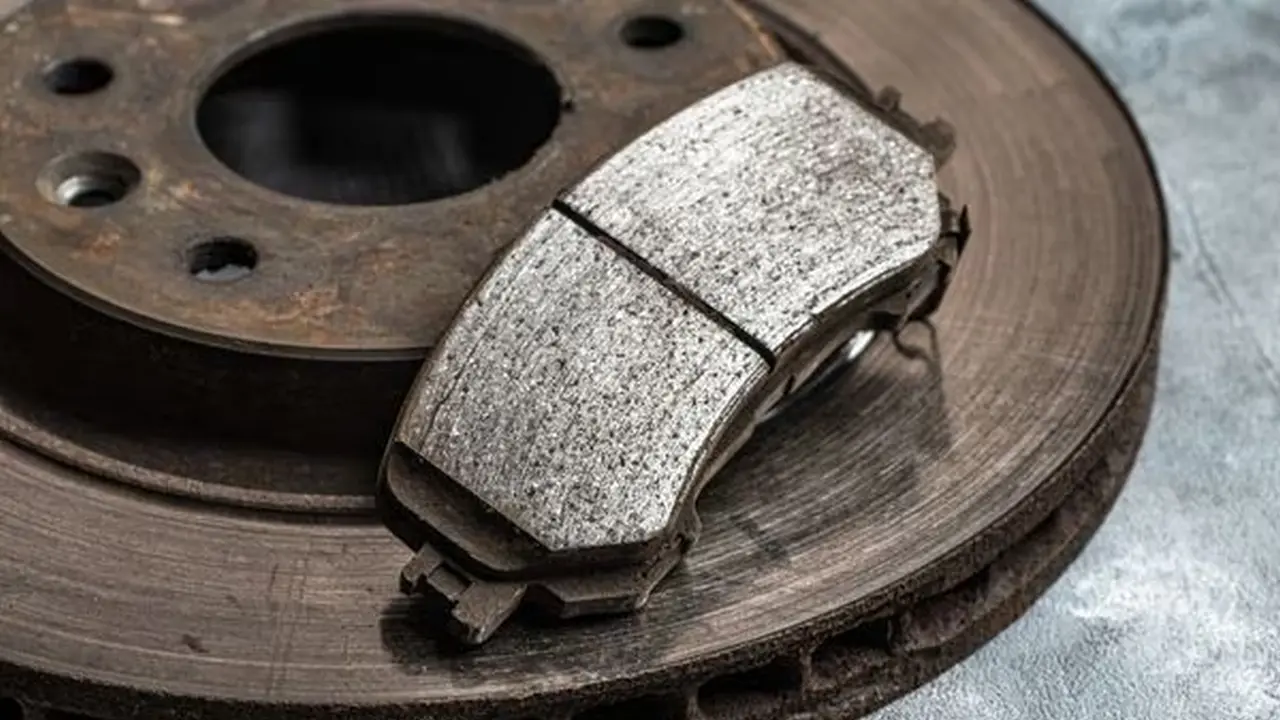
What Causes Brake Pad Glazing? Symptoms and Solutions
Glazed brake pads are a common brake problem that can reduce friction between the brake pad and brake disc. The condition usually develops when brake pads are exposed to excessive heat, but incorrect bedding, repeated hard braking, a sticking caliper, or unsuitable brake components can also contribute to it.
A glazed brake pad may still have plenty of friction material remaining and may look physically intact. However, its friction surface can become unusually hard and polished, reducing the amount of friction it can generate against the brake disc.
The result is often described by drivers as "the brakes don't bite like they used to." The brake pedal may feel completely normal, yet the vehicle may require more pedal pressure or a longer distance to slow down.
What Are Glazed Brake Pads?
Brake pads are made from a carefully formulated friction material containing various binders, fibers, fillers, and friction modifiers.
During braking, the pad presses against the brake disc and converts the vehicle's kinetic energy into heat.
Under normal conditions, the pad is designed to operate within a specific temperature range. If the friction material becomes excessively hot, its surface characteristics can change.
The surface can become:
-
Hard
-
Smooth
-
Shiny
-
Polished
-
Less capable of generating the expected friction
This condition is commonly called brake pad glazing.
The term "crystallized brake pads" is sometimes used informally, but glazed brake pads or brake pad glazing is generally the more useful terminology when describing this condition in English.
What Do Glazed Brake Pads Look Like?
A visual inspection can provide useful clues, although appearance alone cannot always confirm glazing.
A glazed friction surface may appear noticeably smoother and shinier than a normal brake pad.
Instead of having a relatively textured friction surface, the pad may have a hard, polished appearance.
Other possible signs include:
-
A shiny friction surface
-
Unusually smooth pad material
-
Darkened or heat-affected areas
-
Uneven contact across the pad
-
Heat discoloration
-
Reduced friction performance
However, not every shiny brake pad is necessarily glazed.
Brake dust, normal wear, pad material transfer, and the condition of the brake disc can also change the appearance of the friction surface.
The physical appearance should therefore be considered together with the vehicle's symptoms and brake-system condition.
Symptoms of Glazed Brake Pads
The symptoms of glazing can vary depending on how severe the condition is.
One of the most common complaints is that the brake pedal feels normal, but the vehicle does not slow down as aggressively as expected.
Possible symptoms include:
-
Reduced braking performance
-
Longer stopping distances
-
Increased pedal pressure required for the same braking effect
-
High-pitched brake squealing
-
A polished-looking brake pad surface
-
Reduced braking bite
-
Inconsistent braking performance
-
Reduced friction when the brakes are cold or hot, depending on the pad condition
A particularly important clue is the relationship between pedal feel and braking force.
If the pedal remains firm and normal but the vehicle's braking performance has noticeably decreased, friction-related problems such as glazed pads should be considered.
Why Do Brake Pads Become Glazed?
Excessive heat is the main factor.
Brake pads are designed to withstand substantial temperatures, but there is a limit to how much thermal energy they can absorb while maintaining their intended friction characteristics.
Glazing can develop under conditions such as:
-
Repeated hard braking
-
High-speed braking
-
Long downhill driving
-
Heavy vehicle loads
-
Towing
-
Aggressive driving
-
Insufficient brake cooling
-
Incorrect brake pad selection
-
Improper bedding of new pads
-
A brake caliper that does not release properly
The exact temperature at which glazing occurs is not universal because different brake pad formulations have different operating characteristics.
New Brake Pads Can Also Become Glazed
Installing new brake pads does not automatically eliminate the possibility of glazing.
In fact, the first period after installation is particularly important.
New brake pads need to establish proper contact with the brake discs. This process is commonly called bedding-in.
If new pads are subjected to repeated aggressive braking before they have been properly bedded, excessive localized heat can develop.
For example, repeatedly braking from high speeds immediately after installing new pads can create conditions that damage or alter the friction surface.
This is why the brake pad manufacturer's bedding procedure should be followed whenever one is provided.
What Is Brake Pad Bedding?
Bedding is the process of gradually establishing the proper contact and friction characteristics between the brake pad and disc.
A new pad does not necessarily have perfect contact with the existing disc surface immediately after installation.
During proper bedding, the contact surfaces gradually adapt to each other.
Depending on the manufacturer's procedure, this may involve a series of controlled moderate braking applications followed by cooling periods.
There is no single universal bedding procedure that applies to every vehicle and every brake pad.
The correct procedure depends on:
-
Pad compound
-
Disc type
-
Vehicle weight
-
Brake design
-
Manufacturer recommendations
The important point is to avoid unnecessarily overheating new brake components before they have been properly bedded.
Can a Sticking Caliper Cause Glazing?
Yes.
A sticking brake caliper is one of the important mechanical causes to investigate when a brake pad becomes severely glazed.
Normally, the brake pad should stop applying significant pressure to the disc when the driver releases the brake pedal.
If the caliper piston or slider mechanism is sticking, the pad may remain in contact with the disc.
The sequence can look like this:
Sticking caliper → continuous pad contact → friction → excessive heat → damaged friction surface → glazing
This can create a cycle in which the brake system continuously generates heat even when the driver is not actively braking.
Possible signs include:
-
One wheel becoming much hotter than the others
-
Burning brake smell
-
Uneven pad wear
-
Vehicle pulling to one side
-
Increased rolling resistance
-
Reduced fuel economy
-
Discolored brake disc
-
Premature pad wear
If a new set of pads becomes glazed again shortly after installation, the caliper and the rest of the brake assembly should be investigated rather than simply replacing the pads again.
Long Downhill Driving Can Overheat Brake Pads
Long descents are another common situation where brake temperatures can rise excessively.
Using the brake pedal continuously to maintain speed means the brakes are constantly converting kinetic and potential energy into heat.
This can gradually increase disc and pad temperatures.
Using an appropriate lower gear allows the engine to provide additional braking through engine braking, reducing the amount of work the friction brakes need to perform.
This does not mean that the service brakes should never be used on a downhill road. Instead, the goal is to avoid keeping the brakes continuously engaged when engine braking can safely assist with speed control.
Can Brake Fade and Glazing Happen Together?
Yes.
Brake fade and brake pad glazing are related to heat, but they are not exactly the same thing.
Brake fade generally refers to a temporary reduction in braking effectiveness caused by excessive brake temperature.
Glazing refers to a change in the friction surface of the brake pad, often associated with excessive heat and altered friction characteristics.
A vehicle can experience brake fade without permanently glazing the pads.
Likewise, glazed pads can continue to provide reduced braking performance even after the brakes have cooled down.
This distinction matters during diagnosis.
If braking becomes weak only after repeated heavy braking and then returns to normal after cooling, heat-related brake fade may be involved.
If braking remains noticeably weaker after the system has cooled, damaged or glazed friction surfaces should be considered.
Can Glazed Brake Pads Increase Stopping Distance?
They can.
The braking system depends on friction between the pad and disc. If the pad's friction characteristics have deteriorated, the brake system may not generate the expected braking force for a given amount of pedal pressure.
The vehicle may therefore require a longer distance to slow down.
However, there is no universal stopping-distance increase that can be assigned to all glazed brake pads.
Stopping distance also depends on:
-
Vehicle speed
-
Tire condition
-
Road surface
-
Brake temperature
-
Brake pad compound
-
Disc condition
-
Vehicle weight
-
ABS operation
-
Tire pressure
For this reason, glazing should be treated as a potential reduction in braking performance rather than a condition with a fixed numerical effect.
Does Glazing Make the Brake Pedal Hard?
Not necessarily.
This is an important distinction.
Glazed brake pads can reduce friction while leaving the hydraulic system and pedal feel essentially normal.
For example, the driver may have:
Normal pedal feel + weak braking = possible friction problem
Whereas:
Soft/spongy pedal + excessive travel = hydraulic or mechanical problem should be investigated
And:
Very hard pedal + reduced braking assistance = brake booster or brake-assist problem should be investigated
This distinction can prevent an unnecessary master-cylinder or brake-booster replacement when the actual problem is at the pad-disc interface.
Should the Brake Discs Be Replaced Too?
Not automatically.
The condition of the brake discs should be evaluated whenever the pads are found to be glazed.
The discs may have:
-
Heat spots
-
Uneven wear
-
Excessive scoring
-
Cracks
-
Severe corrosion
-
Excessive runout
-
Abnormal material transfer
-
Thickness below the manufacturer's limit
If the disc is within specification and its surface can be properly restored according to the manufacturer's requirements, replacement may not always be necessary.
However, if the disc is severely damaged or outside its service limits, replacing only the pads may not produce the expected result.
Can Glazed Brake Pads Be Resurfaced?
It depends on the severity of the glazing and the condition of the friction material.
In some cases, light surface glazing may be addressed through an appropriate professional surface treatment.
However, simply sanding the pad is not automatically a reliable repair.
If the friction material has been severely overheated or its properties have changed significantly, replacement may be the safer solution.
Brake pads should be replaced when they are:
-
Severely heat-damaged
-
Cracked
-
Contaminated
-
Unevenly worn
-
Structurally damaged
-
Significantly degraded
-
Unable to provide reliable friction
The decision should be based on the actual condition of the brake components, not simply their appearance.
Should You Replace Only the Brake Pads?
Not always.
If the underlying cause remains, the replacement pads can develop the same problem again.
For example, if the original pads glazed because a caliper was sticking, installing new pads without repairing the caliper does not solve the root cause.
The brake system should therefore be inspected for:
-
Caliper piston operation
-
Slider pin movement
-
Pad movement in the bracket
-
Brake hose condition
-
Disc condition
-
Wheel bearing condition where relevant
-
Brake fluid condition
-
Correct pad installation
-
Correct component selection
The objective is not simply to replace the glazed component but to find out why it became glazed in the first place.
Glazed Pads vs. Worn Pads
Glazing and wear are not the same thing.
A worn brake pad has lost friction material through normal or abnormal use.
A glazed pad may still have substantial material remaining but can have a compromised friction surface.
This means a brake pad can look thick enough to use and still have a braking-performance problem.
A proper brake inspection should therefore consider:
-
Remaining pad thickness
-
Surface condition
-
Wear pattern
-
Cracks
-
Contamination
-
Heat damage
-
Contact with the disc
Looking only at thickness is not enough.
Does Brake Noise Mean the Pads Are Glazed?
Not necessarily.
Glazed pads can produce high-pitched squealing, but brake noise has many possible causes.
Noise can be influenced by:
-
Pad material
-
Disc condition
-
Brake dust
-
Moisture
-
Corrosion
-
Pad movement
-
Caliper design
-
Installation
-
Vibration
-
Incorrect components
Therefore, brake noise alone is not enough to diagnose glazing.
Likewise, a glazed brake pad does not necessarily make noise.
Braking performance and physical inspection should be considered together.
How to Diagnose Glazed Brake Pads
A proper diagnosis should begin with the driver's description of the problem.
If the vehicle has reduced braking performance but the pedal remains normal, inspect the friction components first.
Look at the brake pad surface and compare it with the rest of the brake assembly.
Then inspect the disc for heat-related damage and abnormal wear.
The caliper should also be checked to make sure the piston and slider mechanisms move correctly.
If one wheel is significantly hotter than the others after a controlled test, this can provide an important clue that the brake is dragging.
Brake temperatures should be evaluated carefully because brake components can become extremely hot.
The technician should also consider the vehicle's recent history.
For example:
-
Were the pads recently replaced?
-
Was the vehicle driven aggressively?
-
Was it used on long downhill roads?
-
Was the vehicle heavily loaded?
-
Was a caliper recently serviced?
-
Did the problem begin immediately after brake work?
These details can help connect the symptoms with the likely cause.
What Should You Do If the Brake Pads Are Glazed?
The correct repair depends on the severity of the condition and the reason it developed.
If the pads are only lightly glazed and otherwise suitable for service, an appropriate professional surface treatment may be considered.
If the friction material has been severely heat-damaged, replacement is generally more appropriate.
At the same time, the technician should determine whether the brake discs are still within specification and whether the caliper is operating correctly.
If a mechanical problem caused the overheating, that problem must be repaired before installing replacement pads.
After installing new pads, the manufacturer's bedding procedure should be followed.
How to Prevent Brake Pad Glazing
Preventing excessive brake temperature is one of the most effective ways to reduce the risk of glazing.
Avoid unnecessary repeated hard braking when conditions do not require it.
On long downhill roads, use an appropriate gear to take advantage of engine braking while still using the service brakes as needed.
Avoid keeping the brake pedal lightly applied continuously for long periods.
When installing new brake pads, follow the manufacturer's bedding instructions.
It is also important to use brake pads that are appropriate for the vehicle and its intended operating conditions.
A vehicle that regularly carries heavy loads or operates in mountainous areas may place very different demands on its brakes compared with a vehicle used primarily for short urban trips.
When Should Glazed Brake Pads Be Taken Seriously?
Any noticeable reduction in braking performance deserves attention.
The situation is particularly important if you notice:
-
Significantly longer stopping distances
-
A major reduction in braking force
-
Burning brake smell
-
One wheel becoming unusually hot
-
Smoke from a brake
-
Severe brake vibration
-
The vehicle pulling to one side
-
A brake pedal that has suddenly changed in feel
-
Repeated overheating
-
Brake performance that changes dramatically with temperature
If braking performance has been significantly reduced, the vehicle should not simply be driven normally in the hope that the pads will recover.
Brakes are a safety-critical system, and the cause should be identified before the vehicle is returned to regular use.
The Important Question Is Why the Pads Glazed
Finding a shiny brake pad is only part of the diagnosis.
The more important question is why the brake pad became excessively hot in the first place.
If the cause was repeated heavy braking, the driving conditions may have created the problem.
If the vehicle was driven normally but one brake pad became severely glazed, a sticking caliper, brake hose problem, disc issue, incorrect component, or another mechanical fault may need to be investigated.
Replacing the pads without identifying the cause can therefore result in the same problem returning.
Glazed brake pads are ultimately a friction-surface problem, but they can also be a symptom of a larger brake-system issue. A proper inspection should evaluate the pads, discs, calipers, hydraulic system, and the conditions under which the overheating occurred.
A brake pad that still looks thick enough to use is not necessarily capable of providing its original braking performance. If the friction surface has been severely altered by heat, restoring reliable braking performance may require more than simply measuring the remaining pad thickness.