TR
TR EN
EN

Brake Lag: Causes and Solutions
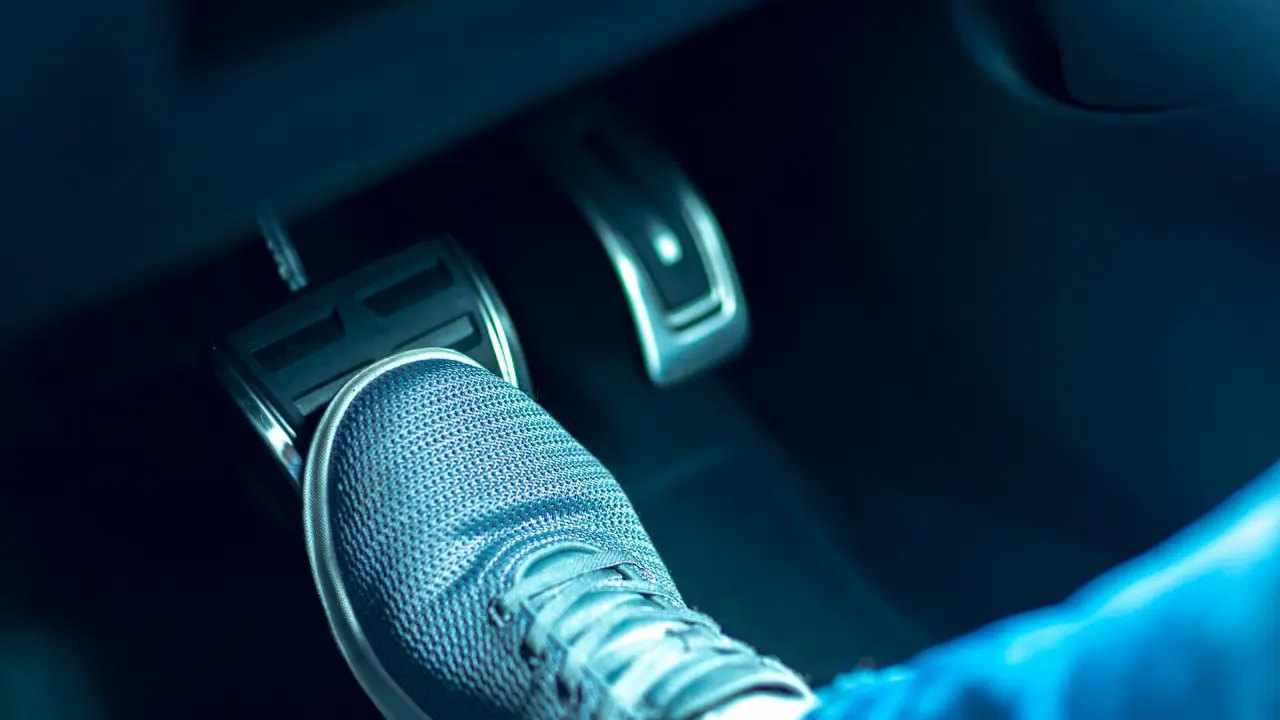
Brake lag is a condition where there seems to be a noticeable delay between pressing the brake pedal and the vehicle beginning to slow down as expected. In a properly functioning braking system, the response should be quick, consistent, and predictable.
A slight difference in braking response can sometimes be caused by normal operating conditions, such as wet brake discs after driving through water. However, a noticeable or newly developed delay can indicate a problem with the hydraulic system, brake components, brake assist, tires, or another part of the braking system.
The first step is to determine exactly what the driver means by "brake lag." A soft pedal, excessive pedal travel, weak braking force, and actual delayed brake engagement can feel similar from the driver's seat, but they can have very different causes.
What Does Brake Lag Feel Like?
Brake lag can present itself in several different ways.
A driver may notice that the vehicle does not begin slowing immediately after pressing the pedal, or that the pedal must be pressed farther than usual before the brakes become effective.
Common signs include:
-
A noticeable delay after pressing the brake pedal
-
Excessive brake pedal travel
-
A soft or spongy pedal
-
Brakes becoming stronger after pumping the pedal
-
Longer stopping distances
-
Reduced braking performance after repeated braking
-
The vehicle pulling to one side
-
A change in pedal feel compared with normal operation
-
Inconsistent braking from one pedal application to another
These symptoms should not automatically be attributed to one specific component.
For example, a low brake pedal and a vehicle that simply does not generate enough braking force are two different diagnostic situations.
The Brake System Normally Responds Very Quickly
Understanding how the braking system works makes brake lag easier to diagnose.
When the driver presses the brake pedal, the pedal movement is transferred to the master cylinder. The master cylinder generates hydraulic pressure, and brake fluid carries that pressure through the brake lines to the calipers or wheel cylinders.
The brake pads then clamp the brake discs, or the brake shoes press against the drums.
At the same time, the brake booster reduces the physical effort required from the driver.
This entire process happens very quickly.
If there is air in the hydraulic system, excessive mechanical clearance, a hydraulic leak, a sticking component, insufficient brake assistance, or another fault, the normal relationship between pedal movement and braking force can change.
Air in the Brake System
Air trapped inside the hydraulic system is one of the most important causes to investigate when the brake pedal feels soft or requires excessive travel.
Brake fluid transmits pressure efficiently because it is effectively incompressible. Air, on the other hand, can be compressed.
When the pedal is pressed, some of the pedal movement may therefore be used to compress the trapped air instead of immediately moving the brake components.
The result can be:
-
A spongy pedal
-
Increased pedal travel
-
Delayed braking response
-
A pedal that becomes firmer after repeated applications
This is particularly important if brake lag appeared after brake-system work.
For example, the problem may occur after:
-
Brake fluid replacement
-
Brake hose replacement
-
Caliper removal
-
Master cylinder replacement
-
Opening a hydraulic line
-
Other brake repairs
The system should be properly bled using the manufacturer's recommended procedure.
On some ABS-equipped vehicles, conventional bleeding may not remove all the air from the ABS hydraulic unit. A scan tool may be required to activate the ABS pump or valves during the bleeding procedure.
Low Brake Fluid Level
A low brake fluid level can also contribute to abnormal brake pedal behavior.
However, low fluid should not simply be treated as a condition that requires topping up the reservoir.
Brake fluid can gradually fall as brake pads wear because the caliper pistons move farther outward.
But a significant or rapidly falling fluid level can indicate a leak.
Potential leak locations include:
-
Brake hoses
-
Metal brake lines
-
Calipers
-
Wheel cylinders
-
Master cylinder
-
ABS hydraulic unit
-
Hydraulic connections
If the brake fluid level continues to fall, the source of the loss must be found.
Simply adding more fluid can hide the symptom while leaving the underlying safety problem unresolved.
A Hydraulic Leak Can Cause Serious Brake Problems
Hydraulic pressure is essential for transferring pedal force to the wheel brakes.
If brake fluid escapes from the system, the pressure available to operate the brakes can decrease.
A small leak may initially produce only a change in pedal feel. As the leak becomes worse, the pedal may travel farther and braking performance can deteriorate.
In a severe case, enough hydraulic fluid can be lost to cause partial or substantial loss of braking capability.
A visible brake fluid leak, rapidly falling fluid level, or suddenly soft brake pedal should therefore be treated as a serious problem.
Master Cylinder Problems
The master cylinder is responsible for converting brake pedal movement into hydraulic pressure.
Internal seals inside the master cylinder can wear over time. If the internal seals allow fluid to bypass the piston, the system may struggle to maintain hydraulic pressure.
One characteristic symptom is a brake pedal that slowly sinks while constant pressure is being applied.
Other possible signs include:
-
Excessive pedal travel
-
Inconsistent pedal height
-
Reduced braking force
-
A pedal that slowly moves toward the floor
-
A change in braking response without an obvious external leak
An internal master-cylinder problem may not produce visible fluid on the outside of the component, so visual inspection alone may not be sufficient.
Brake Pads Can Affect Braking Response
Worn brake pads can reduce braking performance and increase stopping distance.
However, worn pads should not automatically be described as the cause of hydraulic brake lag.
Depending on the vehicle and the degree of wear, the driver may notice:
-
Reduced braking force
-
Increased pedal travel
-
Noise
-
Uneven braking
-
Metal-to-metal contact in severe cases
The pads should be inspected for both thickness and condition.
Uneven wear can also provide valuable diagnostic information because it may indicate a caliper, guide pin, or mechanical problem.
Glazed Brake Pads
Brake pads that have been subjected to excessive heat can develop a hardened, polished surface.
This condition is commonly called glazing.
A glazed friction surface can reduce the effective friction between the brake pad and disc. The driver may therefore press the brake pedal normally but receive less braking force than expected.
In this situation, the pedal itself may feel completely normal.
That is an important diagnostic clue.
If the pedal feels normal but the vehicle does not slow sufficiently, the problem may be related to friction material, brake temperature, discs, tires, or another factor rather than hydraulic brake lag.
Brake Fade Can Feel Like Brake Lag
Brake fade occurs when braking performance decreases because the braking system becomes excessively hot.
It is more likely during demanding conditions such as:
-
Long downhill descents
-
Repeated hard braking
-
Heavy loads
-
Towing
-
Aggressive driving
-
High-speed repeated braking
There are different forms of brake fade, but the driver may generally notice that the brakes become less effective despite continued pedal input.
If braking performance becomes poor after repeated heavy braking and improves again after the brakes cool down, excessive brake temperature should be investigated.
Brake fade is different from air in the hydraulic system, although both can produce a feeling that the vehicle is not responding properly to the brake pedal.
Brake Disc Problems
Brake discs can also affect braking performance.
Severe overheating, uneven wear, corrosion, contamination, or surface damage can change the contact between the pad and disc.
Possible symptoms include:
-
Reduced braking effectiveness
-
Steering wheel vibration during braking
-
Brake pedal pulsation
-
Uneven friction
-
Noise
-
Longer stopping distances
A brake disc should not be judged solely by its visual appearance. Thickness, runout, surface condition, and the manufacturer's service limits may all be relevant.
A Sticking Caliper
A brake caliper that does not operate correctly can create either excessive brake drag or insufficient braking force.
A sticking piston or slider mechanism can prevent the pads from moving correctly.
Depending on the failure mode, the affected wheel may:
-
Stay partially applied
-
Overheat
-
Wear the pads unevenly
-
Produce a burning smell
-
Generate reduced braking performance
A caliper inspection should include the piston, slider pins, pad movement, pad guides, and signs of abnormal heat.
Rear Drum Brake Adjustment
Vehicles with rear drum brakes have another possible source of excessive pedal travel.
The brake shoes need to remain at an appropriate distance from the drum. If the automatic adjustment mechanism fails, the shoes may have to move farther before contacting the drum.
This additional movement can increase brake pedal travel and make the brakes feel less immediate.
If the pedal becomes noticeably firmer after being pumped several times, rear drum brake adjustment should be considered as part of the diagnosis.
Brake Hoses Can Deteriorate Internally
A brake hose may look perfectly acceptable from the outside while having an internal problem.
Older rubber brake hoses can deteriorate internally, and the inner layer can deform or separate.
This can interfere with the normal movement of brake fluid.
Brake hoses should therefore be checked for:
-
Cracks
-
Bulges
-
Abrasion
-
Kinks
-
External damage
-
Signs of age-related deterioration
The condition of the hose should be evaluated together with the rest of the hydraulic system.
Brake Booster Problems Usually Feel Different
Brake booster problems are often confused with hydraulic brake problems.
The brake booster is designed to reduce the effort required to apply the brakes.
If a vacuum brake booster loses its assistance, the brake pedal will commonly become much harder.
The driver may feel that the brakes are "not working properly," but the actual problem is different from a soft hydraulic pedal.
A useful distinction is:
Soft or spongy pedal: Investigate air, hydraulic problems, leaks, or excessive mechanical clearance.
Very hard pedal: Investigate the brake booster, vacuum supply, or brake-assist system.
Modern vehicles can use electric brake boosters or other brake-assist technologies, so the exact diagnostic procedure depends on the vehicle.
ABS and Electronic Brake Systems
ABS is now standard on most modern vehicles, and its hydraulic and electronic components can influence brake behavior.
The ABS hydraulic unit uses valves and, depending on the design, a pump to control brake pressure at individual wheels.
A fault in the ABS system may cause:
-
ABS warning light
-
ESC warning light
-
Changes in brake pedal behavior
-
Abnormal ABS activation
-
Reduced functionality of electronic brake-control features
If warning lights appear together with a change in braking performance, the ABS/ESC module should be scanned for diagnostic trouble codes.
A wheel-speed sensor fault, however, does not automatically mean that the basic hydraulic brake system is defective. The actual fault must be diagnosed.
Tires Are Part of the Braking System
The brake system generates the braking force, but the tires transfer that force to the road.
This means tire condition has a direct effect on stopping distance.
Worn or hardened tires can provide significantly less grip, particularly on wet roads.
The following should be checked:
-
Tire tread depth
-
Tire pressure
-
Tire age
-
Uneven wear
-
Tire condition
-
Road surface
-
Appropriate seasonal tire selection
For this reason, a vehicle that takes longer to stop does not necessarily have a brake-system fault.
The brakes and tires must be considered together.
How to Diagnose Brake Lag
The most effective diagnosis starts by identifying exactly what has changed.
Start with the pedal.
Ask whether the pedal is:
-
Soft
-
Spongy
-
Hard
-
Low
-
Excessively long
-
Normal but ineffective
This simple observation can significantly narrow the diagnostic direction.
Check the brake fluid.
Inspect the fluid level and look for signs of leakage.
Inspect the hydraulic system.
Check brake lines, hoses, calipers, wheel cylinders, connections, and the master cylinder.
Inspect the friction components.
Brake pads and shoes should be checked for wear, contamination, glazing, uneven contact, and damage. Discs and drums should also be inspected.
Check for mechanical clearance.
On vehicles with drum brakes, inspect shoe adjustment. On disc brakes, check caliper piston and slider operation.
Evaluate the brake booster.
If the pedal is unusually hard, investigate the brake-assist system rather than assuming there is air in the hydraulic system.
Scan the ABS/ESC system.
Electronic brake systems can store useful diagnostic information even when the driver primarily notices a mechanical change in braking behavior.
Perform a road test when appropriate.
The technician can evaluate pedal response, braking force, vehicle stability, ABS operation, and whether the symptom changes with temperature.
If Pumping the Brake Pedal Makes It Better
This is one of the most useful clues when investigating brake lag.
Suppose the first pedal application produces a low or soft pedal, but the second application makes the pedal noticeably higher and the brakes feel stronger.
That behavior suggests that something may be allowing excessive movement before the system develops the expected braking force.
Possible causes include:
-
Air in the hydraulic system
-
Excessive caliper piston retraction
-
Rear drum brake adjustment problems
-
Hydraulic problems
-
Master cylinder issues
-
Excessive mechanical clearance
The brakes should not be considered normal simply because pumping the pedal temporarily improves them.
Common Mistakes When Diagnosing Brake Lag
Replacing parts without identifying the actual symptom can make brake diagnosis unnecessarily expensive and may fail to solve the problem.
For example, a soft pedal does not automatically mean the master cylinder is defective.
Likewise, weak braking does not automatically mean the brake pads need to be replaced.
The diagnostic process should first establish whether the problem is related to:
-
Hydraulic pressure
-
Pedal travel
-
Mechanical movement
-
Friction material
-
Brake temperature
-
Brake assistance
-
ABS operation
-
Tire-road grip
Another common mistake is repeatedly adding brake fluid without investigating why the level is falling.
A brake fluid leak is a fault that requires repair, not simply a fluid-level issue.
Can You Drive With Brake Lag?
That depends on the severity and the exact cause, but a newly developed or significant change in braking response should not be ignored.
The vehicle should not be driven normally if:
-
The brake pedal suddenly becomes very soft
-
The pedal approaches the floor
-
Braking performance suddenly decreases
-
Brake fluid is leaking
-
The brake fluid level drops rapidly
-
The brakes only work properly after pumping the pedal
-
The vehicle pulls strongly during braking
-
There is severe brake vibration
-
There is smoke or a strong burning smell
-
The brake pedal becomes extremely hard and the vehicle does not slow properly
-
ABS/ESC warnings appear together with a significant change in braking behavior
A serious braking problem can develop rapidly, so continuing to drive simply because the vehicle can still stop is not a reliable indication that the system is safe.
Preventing Brake Lag
Regular brake maintenance is one of the best ways to prevent unexpected changes in braking behavior.
Brake pads, shoes, discs, drums, calipers, hoses, and brake fluid should be inspected according to the vehicle manufacturer's maintenance requirements.
Brake fluid should be replaced at the recommended interval, and any hydraulic work should be followed by the correct bleeding procedure.
Tire condition should also be checked because maximum braking performance depends on available road grip.
Most importantly, any noticeable change in brake pedal feel should be investigated rather than ignored.
Brake lag is not a single specific failure. It is a description of a braking response that does not feel as immediate or consistent as it should.
The key to finding the cause is to separate delayed pedal response, excessive pedal travel, reduced braking force, brake fade, and poor tire grip. Once that distinction is made, the diagnostic process becomes much more straightforward.
A properly functioning braking system should respond consistently every time the brake pedal is pressed. If that response suddenly changes, finding the reason is far more important than simply replacing the most obvious brake component.