TR
TR EN
EN

Can You Drive a Car With a Faulty Turbocharger?
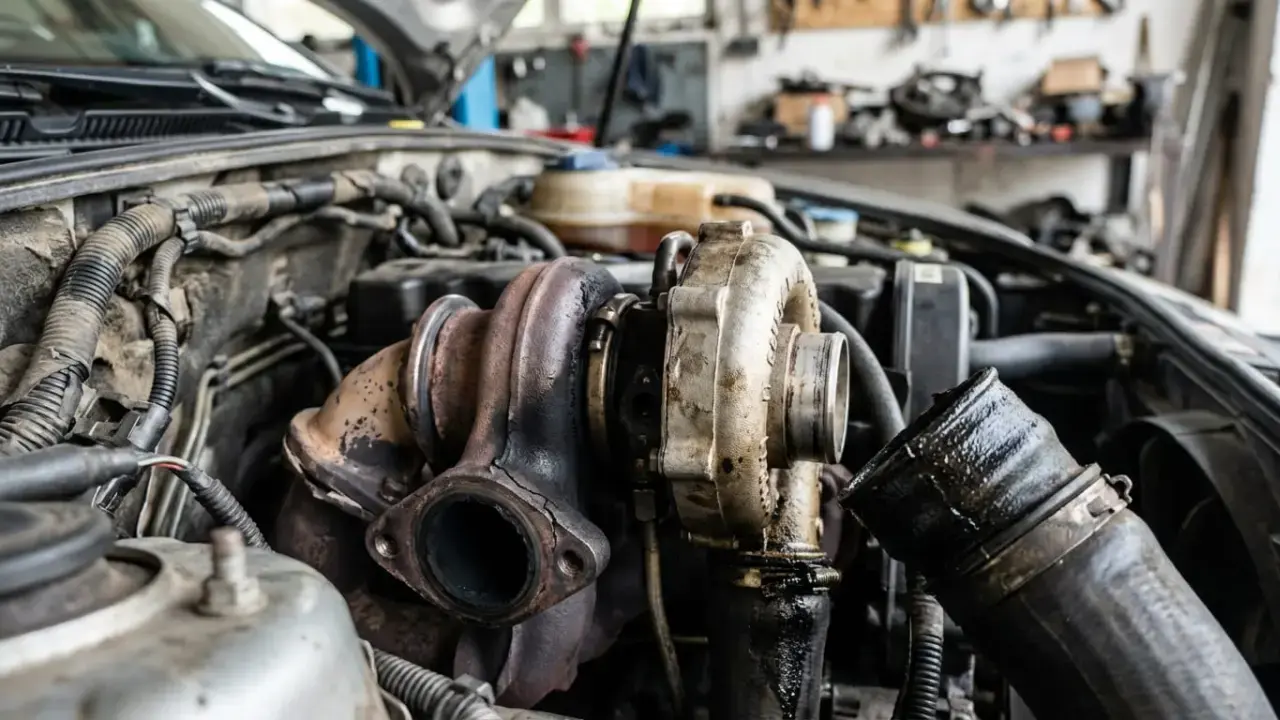
A turbocharger is an important component in modern turbocharged engines. By forcing more air into the engine, it helps increase power and improve engine efficiency. However, when the turbocharger develops a fault, the problem may not be limited to reduced performance. Depending on the type of failure, continuing to drive the vehicle can potentially cause further damage to the turbocharger, engine, or other components.
So, can you drive a car with a faulty turbocharger?
There is no single answer for every situation. The severity and type of turbocharger failure are important. A vehicle with a minor boost-related problem may still be driven carefully to a repair shop, while a turbocharger with severe mechanical damage or an oil leak can make continued driving risky.
What Happens When a Turbocharger Fails?
The main purpose of a turbocharger is to supply the engine with additional air. The engine control system monitors boost pressure and other operating parameters to determine whether the turbocharger is working as expected.
When the turbocharger cannot produce the required boost, the engine may lose a significant amount of power, particularly during acceleration.
Common symptoms may include:
-
Reduced engine power
-
Poor acceleration
-
Delayed or weak turbo response
-
Check engine light
-
Limp mode
-
Unusual whistling, whining, or mechanical noises
-
Excessive exhaust smoke
-
Increased engine oil consumption
-
Changes in fuel consumption
-
Irregular throttle response
However, these symptoms do not automatically mean that the turbocharger itself has failed. A leaking boost hose, intercooler problem, wastegate fault, variable-geometry mechanism, air sensor problem, or exhaust restriction can produce similar symptoms.
For this reason, the turbocharger should be properly diagnosed before it is replaced.
Can You Drive With a Minor Turbo Problem?
In some cases, a vehicle with a minor turbocharger problem may still operate normally enough to reach a repair shop.
For example, the vehicle may have reduced boost because of a small air leak or a problem with the turbocharger control system. If the engine is running smoothly and there is no excessive smoke, severe oil consumption, or abnormal mechanical noise, a short trip to a workshop may be possible.
Even in this situation, the vehicle should not be driven aggressively.
Avoid high engine speeds, full-throttle acceleration, heavy loads, and prolonged high-speed driving. The purpose of driving the vehicle should simply be to reach a repair facility as safely as possible.
When Should You Stop Driving the Vehicle?
Some symptoms indicate that the turbocharger problem may be serious enough that the vehicle should not be driven.
Heavy blue or gray smoke
Blue or bluish-gray exhaust smoke can indicate that engine oil is entering the combustion or exhaust system. If the turbocharger is allowing excessive oil to pass through, engine oil consumption may increase significantly.
Continuing to drive while the engine is rapidly losing oil can create a much more serious engine problem.
Metallic or grinding turbo noise
A turbocharger normally produces some operating noise, but a sudden grinding, scraping, metallic, or siren-like sound should not be ignored.
Such noises can indicate excessive shaft play, bearing wear, or contact between the turbocharger wheel and housing.
If the internal components are severely damaged, continuing to drive may make the situation considerably worse.
Rapid loss of engine oil
If the engine oil level is dropping quickly at the same time that turbocharger problems are occurring, the vehicle should not be driven until the cause has been identified.
Running the engine with insufficient oil can result in severe engine damage.
Heavy smoke combined with major power loss
A vehicle producing large amounts of smoke while also suffering from significant power loss requires prompt diagnosis.
The problem may involve the turbocharger, lubrication system, intake system, exhaust system, or several components at the same time.
Uncontrolled engine acceleration in a diesel engine
A particularly dangerous situation can occur on some diesel engines when a severely damaged turbocharger allows a large amount of engine oil into the intake system.
The engine can begin burning this oil as an uncontrolled fuel source and may continue increasing its speed even when the accelerator is released.
This condition is often referred to as a diesel engine runaway.
If an engine begins revving uncontrollably, the vehicle should not be driven.
Can a Faulty Turbocharger Damage the Engine?
Yes, depending on the failure.
The turbocharger is directly connected to the engine's lubrication and air systems. If its bearings or seals are severely damaged, engine oil may enter areas where it should not.
Mechanical failure can also cause internal turbocharger components to break apart. In severe cases, damaged components can affect the intake or exhaust system.
Another important issue is the cause of the turbocharger failure itself.
For example, if the turbocharger failed because of inadequate oil supply, simply installing a new turbocharger without repairing the lubrication problem could cause the replacement turbocharger to fail again.
What Causes Turbocharger Failure?
Turbocharger problems can have many different causes.
One of the most important is inadequate lubrication. Low engine oil, incorrect oil, contaminated oil, or a restricted turbocharger oil supply can cause serious wear to the turbocharger bearings.
Other possible causes include:
-
Blocked or heavily restricted air filters
-
Leaking boost hoses
-
Damaged intercooler components
-
Wastegate problems
-
A sticking variable-geometry mechanism
-
Turbocharger actuator faults
-
Excessive exhaust backpressure
-
Foreign objects entering the turbocharger
-
Excessive shaft or bearing wear
-
Poor maintenance
-
Problems within the engine lubrication system
This is why replacing the turbocharger without investigating the underlying cause is not always the correct solution.
How Is a Turbocharger Problem Diagnosed?
A proper diagnosis should begin with the vehicle's fault codes and operating data.
The actual boost pressure can be compared with the pressure requested by the engine control system. Intake air measurements and other relevant sensor data can also provide useful information.
The turbocharger hoses and intercooler connections should be inspected for leaks or damage.
The turbocharger itself may need to be inspected for excessive shaft play, damaged compressor or turbine blades, abnormal oil contamination, and signs of contact between internal components.
The engine lubrication system should also be checked, particularly the oil level, oil condition, and turbocharger oil supply.
A proper diagnosis is important because a turbocharger can sometimes appear to be faulty when the actual problem is somewhere else in the air, exhaust, fuel, or control system.
Replacing the Turbocharger Is Not Always the Complete Repair
One of the most common mistakes with turbocharger problems is replacing the turbocharger without finding out why it failed.
Suppose the original turbocharger was damaged because of restricted oil flow. If only the turbocharger is replaced while the oil supply problem remains, the replacement turbocharger may suffer the same fate.
The same principle applies to boost leaks, exhaust restrictions, lubrication problems, or a faulty turbocharger control mechanism.
A proper repair therefore involves two questions:
What part failed?
and
Why did it fail?
Answering both questions is essential for a reliable repair.
Can You Take a Car With a Bad Turbo on a Long Trip?
Generally, taking a vehicle on a long trip after a turbocharger failure has been identified is not a good idea.
Even if the vehicle is still running, the condition of the turbocharger may deteriorate further under high engine load and prolonged driving.
A small oil leak can become a major leak, while a worn turbocharger shaft or bearing can eventually fail completely.
If the turbocharger problem is already known, the safest approach is to have the vehicle inspected and repaired before undertaking a long journey.
How Should You Drive the Car to the Repair Shop?
If the symptoms are mild and the engine is operating normally, a short trip to a repair shop may be possible.
Drive gently, avoid high engine speeds and heavy acceleration, and pay close attention to any changes in smoke, noise, oil consumption, or engine behavior.
However, if the vehicle produces heavy smoke, rapidly loses engine oil, makes severe metallic noises, suffers major power loss, or a diesel engine begins revving uncontrollably, it is better not to drive the vehicle.
In these circumstances, having the vehicle transported to a repair facility is the safer option.
Should a Turbocharger Problem Be Ignored?
A turbocharger problem should not be ignored simply because the vehicle is still driveable.
Some failures begin with a relatively small loss of performance and gradually become more serious. Continuing to operate the vehicle under high load can accelerate the damage.
Early diagnosis may prevent a turbocharger problem from developing into a much more expensive repair involving the engine, intake system, exhaust system, or other components.
So, Can You Drive a Car With a Faulty Turbo?
A vehicle with a minor turbocharger-related problem may sometimes be driven a short distance to a repair shop, but continuing to use it normally is not recommended.
Heavy smoke, rapid oil consumption, metallic turbocharger noises, severe power loss, or uncontrolled engine acceleration are warning signs that the vehicle should not be driven.
The most important point is that a turbocharger should not simply be replaced without investigating the reason for its failure. Finding the underlying cause is just as important as replacing or repairing the damaged turbocharger.
A turbocharger problem may initially appear to be a simple performance issue, but in severe cases, continuing to drive can turn a relatively manageable repair into major engine damage.