TR
TR EN
EN

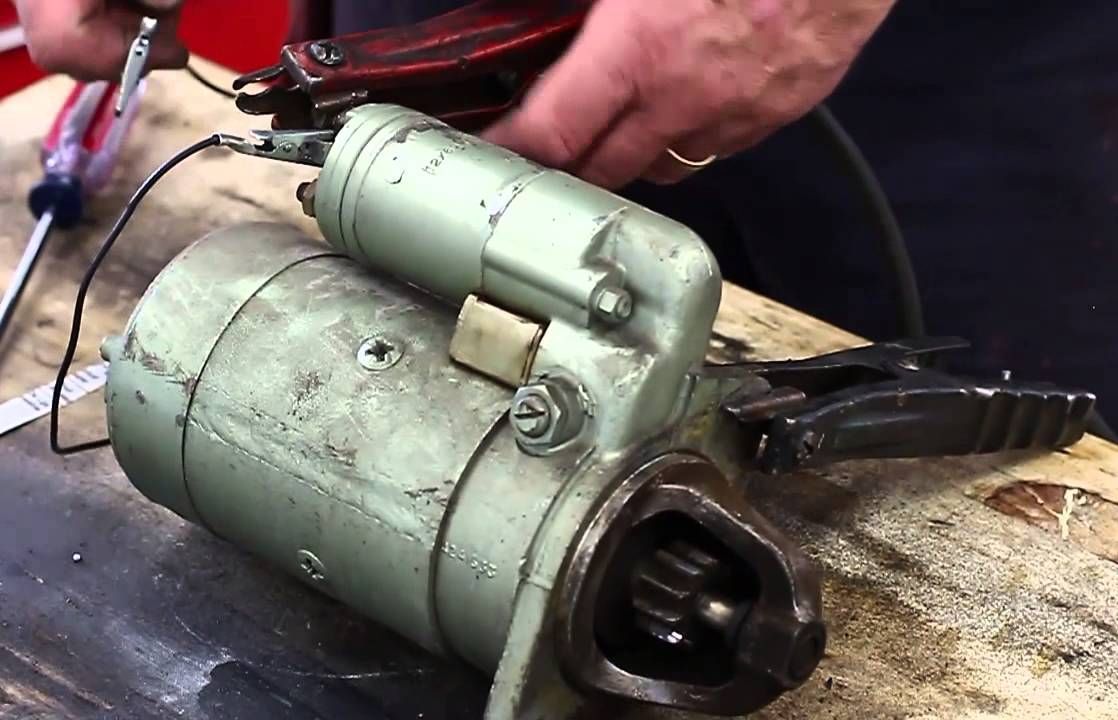
What Is a Starter Motor? What Are the Symptoms of Starter Motor Failure?
The starter motor is an important component of a vehicle's starting system. Its main job is to turn the engine's crankshaft when the driver starts the vehicle. The engine cannot normally begin running on its own from a stationary position, so the starter motor provides the initial mechanical movement needed to start combustion.
Although the starter motor operates for only a few seconds during each engine start, it draws a very high amount of electrical current. Over time, the starter motor, solenoid, brushes, bearings, or electrical connections can wear out and cause starting problems.
How Does a Starter Motor Work?
When the driver turns the ignition key to the START position or presses the start button, the vehicle's starting system sends a signal to the starter circuit.
The starter solenoid then activates and connects battery power to the starter motor. At the same time, the starter's drive gear moves forward and engages with the engine's flywheel or flexplate.
The electric motor then rotates the gear, which turns the flywheel and crankshaft. This allows the engine to begin its normal operating cycle.
Once the engine starts and the driver releases the key or the starting command ends, the starter motor disengages from the flywheel.
What Are the Symptoms of a Bad Starter Motor?
Starter motor failure can produce several different symptoms. The most common ones include:
-
The engine does not crank.
-
A single click is heard when starting.
-
Repeated clicking comes from the starter area.
-
The starter motor turns slowly.
-
The engine cranks intermittently.
-
The vehicle starts after several attempts.
-
The starter continues running after the engine starts.
-
Grinding or unusual noises are heard during starting.
-
The starter works when the engine is cold but struggles when hot.
Not every no-start problem means the starter motor is defective. The battery, starter relay, ignition switch, wiring, grounds, and immobilizer system can produce similar symptoms.
The Starter Motor Does Not Turn
One of the clearest signs of a starter problem is when the engine does not crank at all.
You may turn the key or press the start button and hear only a click, or there may be complete silence.
Possible causes include:
-
Failed starter motor
-
Faulty starter solenoid
-
Weak battery
-
Poor battery terminal connection
-
Bad ground connection
-
Faulty starter relay
-
Damaged starter wiring
-
Ignition switch problem
-
Clutch or brake safety switch problem
-
Immobilizer or electronic control problem
For this reason, the starter should not immediately be replaced simply because the engine does not crank.
A Single Click When Starting
A single loud click followed by silence is a common starter-related symptom.
The click may come from the starter solenoid engaging, while the starter motor itself fails to rotate.
This can happen when the starter motor has worn internal components, such as brushes or the commutator. It can also occur when the battery cannot supply enough current.
A technician should therefore check battery voltage and voltage drop before condemning the starter motor.
Rapid Clicking Sounds
Rapid clicking when attempting to start is more commonly associated with insufficient electrical power than with a mechanically failed starter motor.
A weak or discharged battery may cause the starter solenoid to engage and disengage repeatedly. This produces a rapid clicking sound.
Corroded battery terminals or poor electrical connections can create a similar problem because the starter cannot receive enough current.
Slow Engine Cranking
If the starter motor turns the engine much more slowly than normal, starting may take longer than usual.
Slow cranking can be caused by:
-
A weak battery
-
High resistance in the battery cables
-
Poor ground connection
-
Worn starter motor
-
Internal starter motor friction
-
Damaged starter bearings
-
Engine mechanical resistance
If the battery is known to be healthy and fully charged but the starter still turns slowly, the starter motor becomes a stronger suspect.
Intermittent Starter Problems
A starter motor does not always fail suddenly.
An aging starter may work normally several times and then fail unexpectedly. After waiting a few minutes or trying the key again, it may suddenly work.
This type of intermittent failure can be caused by worn brushes, a damaged commutator, solenoid contacts, internal electrical connections, or excessive heat.
Intermittent starting problems should be investigated because the vehicle may eventually reach a point where the starter stops working completely.
Starter Works When Cold but Not When Hot
Some worn starter motors become difficult to operate after the engine reaches operating temperature.
Heat can increase electrical resistance and affect worn internal components. A starter that works perfectly when the engine is cold may become weak or completely inactive after the vehicle has been driven.
This symptom is particularly useful during diagnosis because the fault may disappear again after the starter cools down.
Grinding Noise During Starting
A grinding or harsh mechanical noise when starting can indicate a problem with the starter's drive gear or the flywheel/flexplate teeth.
The starter gear must engage correctly with the flywheel. If engagement is incomplete or the gear is damaged, the teeth can grind against each other.
Possible causes include:
-
Worn starter drive gear
-
Damaged flywheel teeth
-
Faulty starter solenoid
-
Incorrect starter installation
-
Starter alignment problems
This type of noise should not be ignored because continued operation can cause additional damage.
Starter Motor Continues Running After the Engine Starts
The starter should disengage immediately after the starting command ends.
If the starter continues to operate after the engine has started, there may be a problem with the starter solenoid, relay, ignition switch, or another part of the starting circuit.
This condition is serious because the starter motor is not designed to operate continuously while the engine is running at high speed.
The vehicle should be switched off and the problem diagnosed as soon as possible.
What Causes Starter Motor Failure?
Several factors can shorten the life of a starter motor.
Normal wear
Starter motors contain brushes, bearings, gears, electrical contacts, and other moving parts. These components gradually wear with repeated use.
Battery problems
A weak battery can make the starter operate under abnormal conditions. Repeated low-voltage starting attempts can put additional stress on the starter system.
Corroded connections
Corrosion on battery terminals, starter terminals, or ground connections increases electrical resistance and reduces the current available to the starter.
Excessive heat
Starter motors located close to the exhaust manifold or other hot components can be exposed to significant heat. Repeated heat exposure can contribute to starting problems.
Oil or fluid contamination
Oil leaks can contaminate the starter motor and cause electrical or mechanical problems over time.
Internal mechanical wear
Bearings, gears, bushings, and the starter drive mechanism can become worn and prevent the starter from operating correctly.
How Is a Starter Motor Diagnosed?
A proper starter diagnosis begins with the battery and electrical connections.
The battery should be tested to determine whether it can provide sufficient voltage and current. Battery terminals and engine/chassis ground connections should also be inspected.
If the battery is healthy, the technician can check whether the starter receives the correct starting signal.
Voltage-drop testing is particularly useful. It can identify excessive resistance in the positive cable or ground circuit that might otherwise be mistaken for a bad starter motor.
If the starter receives the correct voltage and ground but does not operate properly, the starter itself becomes the main suspect.
Can a Bad Starter Drain the Battery?
A faulty starter can contribute to battery discharge, especially if it repeatedly fails to start the engine and the driver makes many starting attempts.
However, a starter motor is not normally responsible for draining the battery while the vehicle is parked.
If a battery repeatedly goes flat overnight, other causes such as a parasitic electrical drain, weak battery, alternator problem, or electrical module staying active should also be investigated.
Can You Drive With a Bad Starter Motor?
If the starter motor has completely failed, the vehicle may still operate normally once the engine has been started. The problem is that the engine may not restart after it is switched off.
For example, a vehicle with an intermittent starter fault may start normally in the morning but fail to start after stopping at a fuel station.
For this reason, continuing to use a vehicle with clear starter symptoms can leave you stranded.
Starter Motor or Battery: Which One Is Faulty?
Starter and battery problems are often confused because both can cause starting difficulties.
A weak battery may cause:
-
Slow cranking
-
Rapid clicking
-
Dim headlights
-
Electrical systems becoming weak during starting
A starter problem may cause:
-
A single click
-
No starter operation despite a healthy battery
-
Intermittent starting
-
Grinding noises
-
Starter operation that changes significantly with temperature
These symptoms are useful clues, but electrical testing is the best way to distinguish between the two.
When Should the Starter Motor Be Replaced?
A starter motor should generally be replaced or rebuilt when testing confirms an internal fault.
Replacement may be necessary when:
-
The starter motor does not operate despite receiving proper power and ground.
-
The solenoid is defective.
-
The internal brushes are excessively worn.
-
The starter drive gear is damaged.
-
The motor has excessive internal resistance.
-
The starter has severe mechanical wear.
-
The starter repeatedly fails when hot.
Depending on the vehicle and the starter design, rebuilding the original unit may sometimes be possible. In other cases, replacing it with a quality new or remanufactured starter is the better option.
A starter motor problem should be diagnosed together with the battery, cables, grounds, relay, ignition switch, and starting control system. Replacing the starter without checking these components can result in unnecessary expense and may fail to solve the actual starting problem.