TR
TR EN
EN

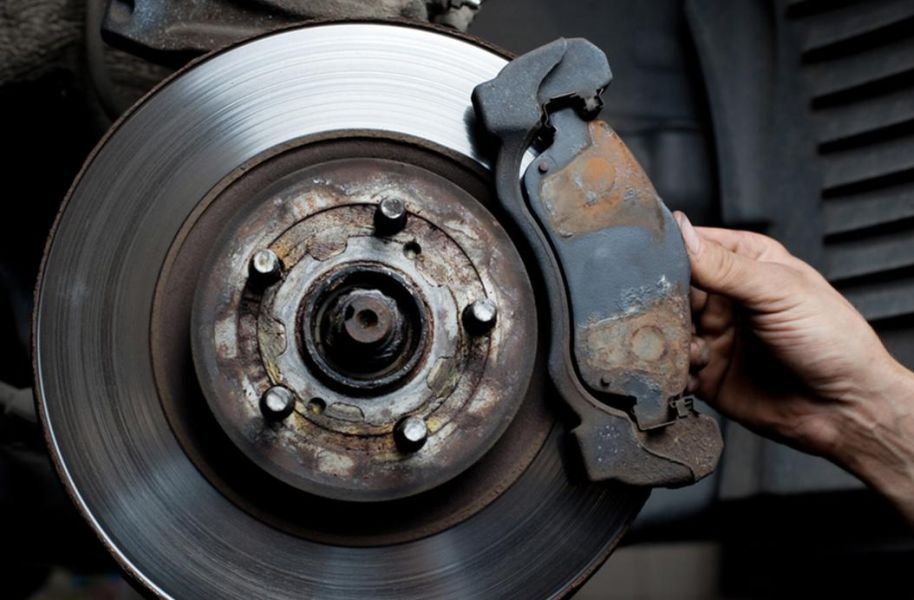
What Are the Most Common Brake Problems?
The braking system is one of the most important safety systems in a vehicle. Brake pads, discs, calipers, brake fluid, hoses, the master cylinder, and other components must work together correctly to provide safe and consistent braking.
Brake problems can start with a simple noise or vibration, but some faults can significantly reduce braking performance. Recognizing the common symptoms early can help prevent more expensive repairs and, more importantly, dangerous situations.
Worn Brake Pads
Brake pad wear is one of the most common brake problems. Every time the brakes are applied, the friction material on the pads gradually wears away.
Common symptoms of worn brake pads include:
-
Squealing or grinding noises
-
Longer braking distances
-
Reduced braking performance
-
Brake warning indicators
-
Visible reduction in pad thickness
-
Scratches or damage on the brake disc
If the friction material becomes completely worn, the metal backing plate can contact the brake disc. This can damage the disc and considerably increase repair costs.
Brake pad wear is normal, but excessively worn pads should never be ignored.
Brake Disc Wear and Damage
Brake discs, also known as rotors, are exposed to high temperatures and friction. Over time, they can become worn, scored, uneven, or excessively thin.
A damaged brake disc may cause:
-
Steering wheel vibration during braking
-
Brake pedal pulsation
-
Vibration throughout the vehicle
-
Uneven braking
-
Grooves or deep scoring on the disc
-
Blue or purple discoloration caused by excessive heat
A brake disc should not be replaced simply because it looks worn. Its thickness should be measured and compared with the manufacturer's minimum specification.
Sticking Brake Caliper
The brake caliper pushes the brake pads against the disc when the driver presses the brake pedal. If the caliper piston or guide pins become stuck, the brake pad may remain partially pressed against the disc.
This can cause the affected brake to remain hot even when the driver is not braking.
Typical symptoms include:
-
One wheel becoming significantly hotter than the others
-
Burning brake smell
-
Vehicle pulling to one side
-
Uneven brake pad wear
-
Excessive brake disc heat
-
Increased fuel consumption
-
Reduced vehicle performance
A severely sticking caliper can overheat the brake disc and pad and may also damage nearby components.
Old or Contaminated Brake Fluid
Brake fluid transfers hydraulic pressure from the master cylinder to the brake calipers or wheel cylinders.
Brake fluid absorbs moisture over time. As its moisture content increases, its boiling point can decrease. This becomes particularly important during heavy or repeated braking, when brake temperatures can become very high.
Old or contaminated brake fluid may contribute to:
-
A soft brake pedal
-
Reduced braking performance
-
Brake fluid discoloration
-
Corrosion inside hydraulic components
-
Brake fade under heavy braking
Brake fluid should be replaced according to the vehicle manufacturer's recommended maintenance schedule and the correct specification should always be used.
Low Brake Fluid Level
A low brake fluid level can have several possible causes.
It may be related to normal brake pad wear, but it can also indicate a hydraulic leak. Therefore, simply adding more fluid without finding the reason for the low level is not always an appropriate solution.
A low brake fluid level may be accompanied by:
-
Brake warning light
-
Soft or spongy pedal
-
Reduced braking performance
-
Visible fluid leakage
-
Longer pedal travel
If the fluid level drops repeatedly, the brake system should be inspected for leaks.
Brake Fluid Leak
A hydraulic leak is a more serious brake problem because the braking system depends on fluid pressure.
Leaks can occur from:
-
Brake hoses
-
Metal brake lines
-
Caliper seals
-
Wheel cylinders
-
Master cylinder seals
-
Hydraulic connections
A leaking brake system may cause the brake pedal to become soft or gradually sink toward the floor.
If a significant amount of brake fluid is lost, braking performance can deteriorate rapidly. A vehicle with a suspected hydraulic brake leak should not continue to be driven until the problem has been properly diagnosed.
Air in the Brake System
Air should not normally be present inside the hydraulic brake system. Unlike brake fluid, air can be compressed.
When air enters the system, part of the pedal movement is used to compress the air instead of transferring hydraulic pressure efficiently.
This can produce:
-
A spongy brake pedal
-
Excessive pedal travel
-
Reduced braking response
-
Inconsistent pedal feel
Air can enter the system after certain brake repairs, when the fluid level becomes extremely low, or when there is a leak.
The system may need to be properly bled to remove trapped air.
Brake Hose Problems
Flexible brake hoses connect the moving suspension and brake components to the rigid brake lines.
Over time, brake hoses can develop:
-
Cracks
-
Swelling
-
External damage
-
Internal deterioration
-
Fluid leaks
An internally deteriorated hose can sometimes restrict the movement of brake fluid. In certain situations, this can contribute to a brake remaining partially applied.
Brake hoses should be inspected whenever brake work is performed, especially on older vehicles.
Brake Line Corrosion
Metal brake lines are exposed to moisture, road salt, dirt, and other environmental conditions.
Corrosion can weaken the lines and eventually cause hydraulic leaks.
This problem is particularly important on vehicles that have spent many years in areas where roads are heavily salted during winter.
Rust around a brake line should not be treated as a cosmetic issue. Severe corrosion can eventually result in brake fluid leakage and loss of braking pressure.
Uneven Brake Pad Wear
Brake pads should normally wear relatively evenly. If one pad is significantly thinner than its counterpart, there may be an underlying problem.
Possible causes include:
-
Sticking caliper piston
-
Seized guide pin
-
Incorrectly installed brake components
-
Caliper movement problems
-
Damaged brake hardware
Replacing only the worn pad without correcting the cause can result in the same problem returning.
Brake Noise
Not every brake noise means the brake system is failing, but unusual sounds should be investigated.
Common brake noises include:
High-Pitched Squealing
This can be caused by brake pad material, vibration, contamination, worn pads, or the design of the pad itself.
Grinding
Grinding is more concerning. It can indicate that the friction material has worn away and the metal backing plate is contacting the disc.
Clicking or Rattling
Loose or incorrectly fitted brake hardware can sometimes cause clicking or rattling noises.
The exact cause should be determined before replacing components unnecessarily.
Brake Pedal Feels Soft or Spongy
A soft brake pedal can indicate a hydraulic problem.
Possible causes include:
-
Air in the brake lines
-
Old or contaminated brake fluid
-
Brake fluid leakage
-
Master cylinder problems
-
Excessive brake component movement
A brake pedal that suddenly becomes soft should be treated seriously, especially if braking performance has also decreased.
Brake Pedal Becomes Hard
A hard brake pedal can have different causes from a soft pedal.
One possible cause is a problem with the brake booster or its vacuum supply. Depending on the vehicle, problems with the vacuum hose, check valve, vacuum pump, or brake booster itself can affect pedal assistance.
The result can be a brake pedal that requires considerably more force than normal.
Vehicle Pulls to One Side When Braking
If the vehicle moves toward the left or right when the brakes are applied, braking force may not be balanced between the wheels.
Possible causes include:
-
Sticking brake caliper
-
Uneven brake pad wear
-
Contaminated brake pad
-
Brake hose problem
-
Uneven brake disc condition
-
Suspension or steering problems
The braking system should be inspected, but suspension and steering components should also be considered because they can produce similar symptoms.
Brake Vibration During Braking
Vibration is another common complaint.
If the steering wheel shakes primarily when braking, the front braking system may be involved. Excessive disc runout, disc thickness variation, uneven pad deposits, or other mechanical problems can produce this symptom.
However, wheel balance, suspension components, wheel bearings, and steering components can also cause vibration. The symptom alone is therefore not enough to identify the exact fault.
Brake Fade
Brake fade occurs when braking performance decreases because the braking components become excessively hot.
It can occur during:
-
Long downhill driving
-
Repeated hard braking
-
Heavy vehicle use
-
High-speed braking
-
Track or performance driving
There are different forms of brake fade. Excessive temperature can reduce the effectiveness of the friction material, while extremely high temperatures can also affect the brake fluid and other components.
Using the correct brake pads, discs, and brake fluid for the vehicle is important for maintaining consistent braking performance.
Parking Brake Problems
The parking brake can also develop faults.
Depending on the vehicle design, problems may involve:
-
Parking brake cables
-
Rear brake calipers
-
Electric parking brake motors
-
Brake shoes
-
Sensors
-
Control modules
A parking brake that does not hold the vehicle securely should be inspected rather than simply adjusted without determining the underlying cause.
ABS Problems
Modern vehicles are generally equipped with an Anti-lock Braking System (ABS).
An ABS fault can illuminate the ABS warning light and may be caused by:
-
Faulty wheel speed sensor
-
Damaged sensor wiring
-
Sensor contamination
-
Damaged reluctor ring
-
ABS hydraulic unit problems
-
Electrical or communication faults
The conventional hydraulic brakes may continue to operate in some cases, but ABS and related electronic safety functions may not be available. The exact behavior depends on the vehicle and the nature of the fault.
Brake Warning Light
A brake warning light should never be ignored.
Depending on the vehicle, it may indicate:
-
Low brake fluid
-
Parking brake activation
-
Hydraulic brake system fault
-
Brake pad wear
-
Electronic brake system fault
Because the meaning of warning lights varies between vehicles, the owner's manual and diagnostic system should be consulted when the warning remains illuminated.
How Can Brake Problems Be Prevented?
Regular brake inspections can identify many problems before they become serious.
During routine maintenance, technicians should check:
-
Brake pad thickness
-
Brake disc thickness
-
Disc surface condition
-
Caliper operation
-
Brake fluid level and condition
-
Brake hoses
-
Metal brake lines
-
Parking brake operation
-
ABS sensors and wiring
-
Uneven brake wear
It is also important to use brake components that meet the vehicle manufacturer's specifications.
A brake problem should not be diagnosed only by replacing the component that appears to be worn. For example, if one brake pad is wearing much faster than the others, replacing the pad without checking the caliper may allow the underlying problem to continue.
When Should a Brake Problem Be Treated as Urgent?
Some brake symptoms require immediate attention.
The vehicle should be inspected without delay if you notice:
-
A suddenly soft or sinking brake pedal
-
Major loss of braking performance
-
Brake fluid leaking
-
Grinding noises accompanied by poor braking
-
A brake warning light combined with reduced braking performance
-
A wheel becoming extremely hot
-
Strong burning brake smell
-
Severe pulling during braking
-
Repeated brake pedal pulsation accompanied by other braking problems
The braking system is not an area where continued driving should be used as a diagnostic method. If braking performance has changed significantly, the vehicle should be checked before normal driving continues.