TR
TR EN
EN

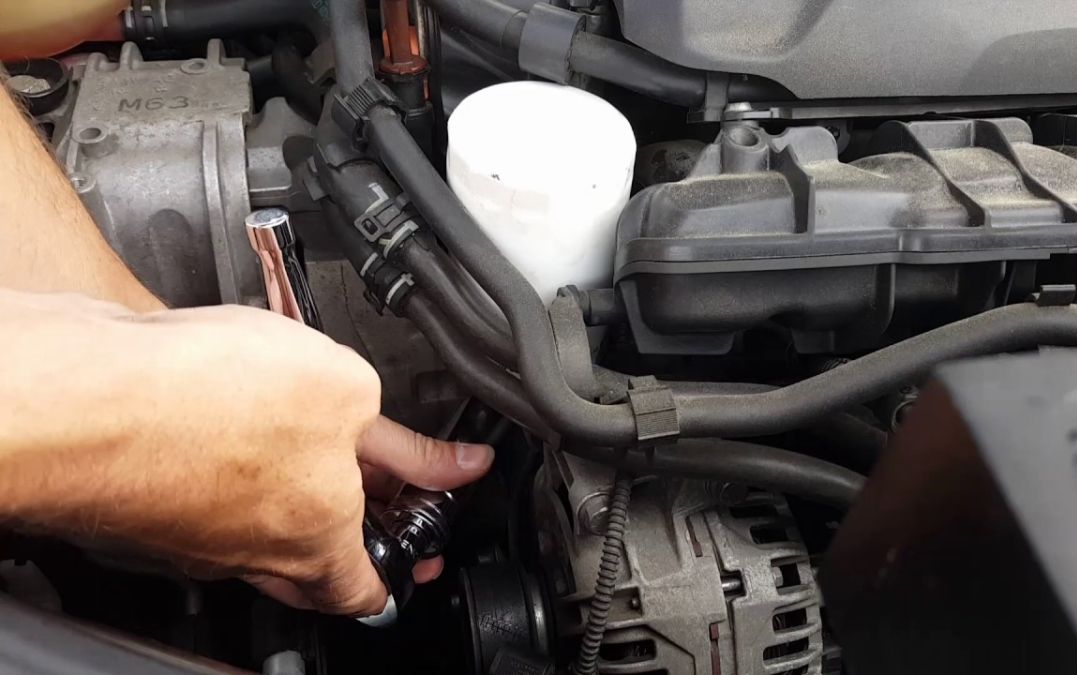
What Is an Oil Pressure Sensor? What Are the Symptoms of Failure?
The oil pressure sensor is an important component of the engine lubrication system. Its main job is to monitor the oil pressure inside the engine and send this information to the vehicle’s engine control unit (ECU) or dashboard warning system.
If the sensor detects that the oil pressure is too low, the vehicle can warn the driver through the oil pressure warning light. A faulty sensor, however, can also cause incorrect warnings even when the actual engine oil pressure is normal.
Understanding the symptoms of an oil pressure sensor failure is important because low engine oil pressure can cause serious and expensive engine damage if it is ignored.
What Does an Oil Pressure Sensor Do?
The engine requires a constant supply of pressurized oil to lubricate components such as:
-
Crankshaft bearings
-
Connecting rod bearings
-
Camshaft bearings
-
Hydraulic lifters
-
Variable valve timing components
-
Turbocharger bearings, if equipped
The oil pump creates pressure by circulating engine oil through the lubrication system. The oil pressure sensor monitors this pressure and communicates the condition to the vehicle's electrical system.
Depending on the vehicle, the sensor may operate as a simple pressure switch or as an electronic pressure sensor that provides a variable signal to the ECU.
Where Is the Oil Pressure Sensor Located?
The exact location varies depending on the engine design, but the oil pressure sensor is generally installed directly into an engine oil passage.
Common locations include:
-
Near the oil filter housing
-
On the engine block
-
Near the oil pump or oil galleries
-
Close to the crankshaft area
-
Near the cylinder head on some engines
Because the sensor must measure oil pressure directly, it is normally screwed into a pressurized oil passage.
How Does an Oil Pressure Sensor Work?
There are two common types of oil pressure monitoring systems.
Oil pressure switch
Older and simpler systems may use a pressure switch. When oil pressure falls below a predetermined level, the switch changes state and activates the oil warning light.
Electronic oil pressure sensor
Modern vehicles may use a sensor that measures oil pressure continuously and sends an electrical signal to the ECU. The ECU can then determine whether the pressure is within the expected range.
This type of system can provide more detailed information and may allow the ECU to detect pressure-related problems under different engine operating conditions.
Symptoms of a Bad Oil Pressure Sensor
An oil pressure sensor can fail electrically, mechanically, or internally. The symptoms may vary depending on the type of sensor and the vehicle's monitoring system.
Oil pressure warning light stays on
One of the most common symptoms is an oil pressure warning light that remains illuminated after the engine starts.
However, this does not automatically mean the sensor is defective. The actual oil pressure should always be checked before replacing the sensor.
Oil pressure warning light comes on intermittently
A failing sensor may produce an unstable signal. As a result, the oil pressure warning light may turn on and off while driving.
This can be especially noticeable when the engine is idling, braking, cornering, or when the engine reaches operating temperature.
Oil pressure warning light appears at idle
If the warning light comes on when the engine is warm and idling but disappears when engine speed increases, there are several possible causes.
A defective sensor is one possibility, but low oil pressure, incorrect oil viscosity, worn engine bearings, or a weak oil pump can produce the same symptom.
Incorrect oil pressure readings
Vehicles equipped with an oil pressure gauge or digital pressure display may show unusual or inconsistent readings when the sensor is faulty.
The displayed pressure may suddenly drop, increase, or remain at an unrealistic value.
Oil leaking around the sensor
Oil may leak from the sensor itself or from its sealing area.
A damaged sensor body, cracked housing, worn seal, or improperly installed sensor can allow engine oil to escape.
If oil is visible around the sensor, it should be inspected promptly.
Check Engine Light
On some modern vehicles, an oil pressure sensor malfunction can cause the Check Engine Light to illuminate.
The ECU may detect an electrical problem, implausible pressure signal, open circuit, short circuit, or signal outside the expected range.
Fault codes
Depending on the vehicle, sensor-related diagnostic trouble codes may be stored in the ECU.
The exact code depends on the manufacturer and engine. Therefore, the stored code should be interpreted together with live data and the actual oil pressure.
What Causes an Oil Pressure Sensor to Fail?
Several problems can cause the sensor to malfunction.
Internal sensor failure
The internal electrical or pressure-sensitive components can wear out over time. This can cause the sensor to send an incorrect signal to the ECU.
Oil contamination
Engine oil contains contaminants and deposits that can eventually affect components exposed to the oil passage. Severe sludge buildup can interfere with pressure measurement.
Damaged wiring
The sensor itself may be perfectly functional while its wiring is damaged.
Common electrical problems include:
-
Broken wires
-
Corroded terminals
-
Loose connectors
-
Short circuits
-
Open circuits
-
Oil contamination inside the connector
Connector problems
A loose or corroded connector can cause intermittent readings and warning lights.
This is particularly important when the problem appears and disappears depending on engine vibration or temperature.
Oil leakage
A damaged sensor or sealing surface can cause an external oil leak. If the leak becomes severe, the engine oil level can eventually drop enough to create a genuine low-pressure condition.
Can a Bad Oil Pressure Sensor Damage the Engine?
The sensor itself normally does not directly cause engine damage.
The real danger is confusing a faulty sensor with a genuine low-oil-pressure condition.
For example, if the oil pressure warning light stays on because the sensor is defective, the engine may still have normal oil pressure. In this situation, replacing the sensor solves the warning problem.
However, if the warning light is caused by genuinely low oil pressure and the sensor is incorrectly blamed, continuing to drive can cause serious engine damage.
Low oil pressure can result in inadequate lubrication of bearings, camshafts, turbochargers and other moving components.
Low Oil Pressure vs. Bad Oil Pressure Sensor
This distinction is extremely important.
A warning light does not prove that the sensor itself has failed.
Actual low oil pressure can be caused by:
-
Low engine oil level
-
Incorrect engine oil viscosity
-
Wrong oil filter
-
Blocked oil passages
-
Sludge buildup
-
Worn engine bearings
-
Failing oil pump
-
Damaged oil pickup tube
-
Excessive internal engine wear
For this reason, replacing the sensor without checking the actual oil pressure is not always the correct repair.
How Is an Oil Pressure Sensor Diagnosed?
A proper diagnosis should begin with a visual and electrical inspection.
The technician can check the sensor connector, wiring and surrounding area for oil leakage or damage.
If the vehicle has stored diagnostic trouble codes, they should be read using an OBD-II scanner.
Live data can also be useful on vehicles equipped with an electronic oil pressure sensor.
The most important test, however, is measuring the actual engine oil pressure with a mechanical oil pressure gauge.
The sensor can be removed and replaced temporarily with a suitable pressure gauge. The engine can then be operated at different speeds and temperatures to compare the measured pressure with the manufacturer's specifications.
If the mechanical pressure is normal but the ECU or dashboard reports an abnormal value, the sensor or its wiring becomes a much stronger suspect.
Should You Replace the Sensor Immediately?
Not necessarily.
If the oil pressure warning light comes on, the first step should be checking the engine oil level and determining whether the engine actually has sufficient oil pressure.
If the oil level is correct but the warning remains on, the vehicle should be diagnosed before continuing to drive.
A sensor replacement is relatively simple on many engines, but replacing it without confirming the cause can result in unnecessary parts replacement.
Is It Safe to Drive With an Oil Pressure Warning?
If the red oil pressure warning light remains on while the engine is running, it should not be treated like an ordinary warning light.
The safest approach is to stop the engine and check the oil level as soon as it is safe to do so.
If the oil level is correct and the warning remains on, the vehicle should be inspected rather than driven normally.
A genuine loss of oil pressure can cause severe engine damage within a short period of time.
Oil Pressure Sensor Replacement
Replacing the sensor usually involves disconnecting its electrical connector, removing the old sensor and installing a new one with the correct sealing method.
The exact procedure depends on the engine.
After replacement, the system should be checked for oil leaks and the warning light or stored fault codes should be verified.
Some vehicles may also require the fault memory to be cleared after the repair.
It is important to use a sensor that matches the engine's specifications. An incorrect sensor can produce inaccurate pressure readings even if it physically fits the engine.
Why Oil Pressure Sensor Problems Should Not Be Ignored
An oil pressure sensor is a relatively small component, but the information it provides is critical for engine protection.
A faulty sensor can cause false warnings, incorrect readings or diagnostic trouble codes. More importantly, the same symptoms can also be caused by genuine low oil pressure.
For that reason, the correct approach is not simply to replace the sensor whenever the oil warning light appears. The oil level, electrical circuit and actual engine oil pressure should be checked to determine whether the problem is the sensor or a more serious lubrication-system fault.
If actual oil pressure is normal, the sensor and its wiring can then be investigated with much greater confidence.