TR
TR EN
EN

Why Does the Airbag Warning Light Come On? How Can It Be Turned Off?
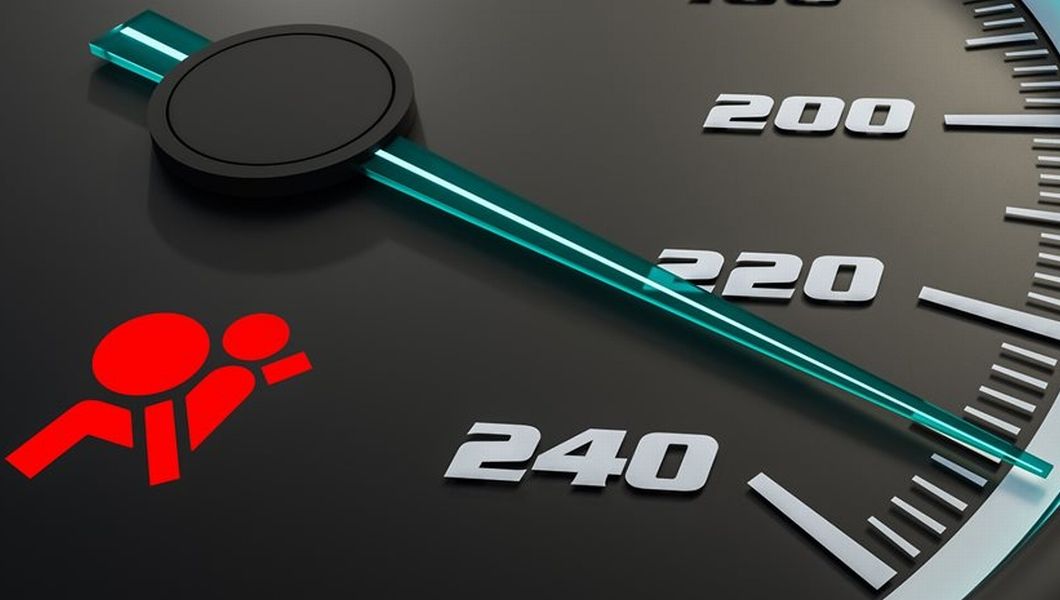
The airbag warning light is one of the most important warning lights on a vehicle's dashboard. It indicates that the Supplemental Restraint System (SRS), which includes the airbags and seat belt pretensioners, has detected a fault or abnormal condition.
When the airbag light remains illuminated after the engine starts, the system may not operate as intended in a collision. Depending on the fault, one or more airbags or seat belt pretensioners may be disabled.
For this reason, an illuminated airbag warning light should not simply be reset. The underlying problem should first be identified and repaired.
What Does the Airbag Warning Light Mean?
When the ignition is switched on, the vehicle normally performs an SRS self-check. The airbag warning light may illuminate for several seconds and then turn off. This is normal.
If the light remains on after the engine starts, comes on while driving, or continues flashing, the SRS control unit has detected a problem.
The system can monitor various components, including:
-
Driver airbag
-
Passenger airbag
-
Side airbags
-
Curtain airbags
-
Seat belt pretensioners
-
Passenger seat occupancy sensors
-
Steering wheel clock spring
-
Crash or impact sensors
-
SRS wiring
-
Airbag connectors
-
SRS control module
-
Battery voltage
Why Does the Airbag Light Come On?
There are many possible reasons for an illuminated airbag warning light. The problem may be caused by a connector, wiring, sensor, airbag component, pretensioner or the SRS control module itself.
Loose or Damaged Wiring Under the Seats
One of the common causes of an airbag warning light is a problem with the electrical connections underneath the front seats.
Depending on the vehicle, these connectors may be used for:
-
Seat belt pretensioners
-
Side airbags
-
Passenger occupancy sensors
-
Seat position sensors
Moving the seat repeatedly can put stress on the wiring and connectors. A loose connector, damaged wire or poor electrical contact can cause the SRS control unit to detect an intermittent fault.
This problem is particularly common after a seat has been removed, repaired or moved extensively.
Seat Belt Pretensioner Failure
Seat belt pretensioners are an important part of the SRS system.
During a serious collision, the pretensioner rapidly tightens the seat belt to help keep the occupant in the correct position.
A problem with the pretensioner, its wiring or connector can turn on the airbag warning light.
Possible causes include:
-
Damaged wiring
-
Loose connectors
-
Corrosion
-
Internal pretensioner failure
-
Previous accident damage
-
Incorrect installation
Passenger Seat Occupancy Sensor Problem
Many modern vehicles have an occupancy sensor inside the passenger seat.
The SRS system uses information from this sensor to determine whether the passenger seat is occupied and how the restraint system should operate.
A malfunctioning occupancy sensor or damaged wiring can cause the airbag warning light to remain illuminated.
Seat removal, seat repairs or electrical work around the passenger seat can sometimes trigger this type of fault.
Steering Wheel Clock Spring Failure
The steering wheel clock spring is another component that can cause an airbag warning light.
It is located behind the steering wheel and allows electrical circuits to remain connected while the steering wheel rotates.
The clock spring may carry electrical connections for:
-
Driver airbag
-
Horn
-
Steering wheel buttons
-
Other steering wheel electronics
If the clock spring becomes damaged or is incorrectly centered after steering wheel work, the driver airbag circuit may develop a fault.
A faulty clock spring can also cause the horn or steering wheel controls to stop working.
Low Battery Voltage
Low or unstable battery voltage can also trigger an SRS fault on some vehicles.
A weak battery, battery replacement, jump-starting or a significant voltage drop during engine starting can cause the SRS control unit to store a fault.
The airbag light may remain on even after the battery voltage returns to normal because the fault can remain stored in the SRS control module.
In this situation, the battery and charging system should also be checked.
Airbag Connector Problems
Airbag connectors are designed to provide reliable electrical connections, but they can still become loose or damaged.
Possible causes include:
-
Previous repairs
-
Seat removal
-
Accident damage
-
Corrosion
-
Pulled or stretched wiring
-
Incorrect connector installation
Even a poor electrical connection can be enough to trigger an SRS warning.
Previous Accident or Airbag Deployment
A vehicle that has been involved in an accident may develop an SRS fault even if no airbag appears to have deployed.
Impact sensors, wiring, pretensioners and the SRS control module can all be affected by a collision.
If an airbag or seat belt pretensioner has deployed, simply clearing the warning light is not a proper repair.
Depending on the vehicle, deployed components may need to be replaced and the SRS control module may require appropriate repair or replacement.
Water or Moisture Damage
Water entering the cabin can cause electrical problems in the SRS system.
Moisture may reach:
-
SRS connectors
-
Wiring harnesses
-
Seat connectors
-
SRS control module
-
Floor-mounted electrical connections
If the airbag light appeared after flooding, water leakage, carpet cleaning or significant moisture exposure, the SRS wiring and connectors should be inspected carefully.
How Is an Airbag Fault Diagnosed?
The correct way to diagnose an airbag problem is to communicate directly with the SRS control module using a suitable diagnostic scanner.
A basic OBD-II scanner may not be capable of accessing the airbag system.
A professional diagnostic tool can read SRS-related fault codes and identify the affected circuit or component.
The system may report a fault related to:
-
Driver airbag circuit
-
Passenger airbag circuit
-
Side airbag
-
Curtain airbag
-
Seat belt pretensioner
-
Occupancy sensor
-
Crash sensor
-
Clock spring
-
SRS communication
-
Internal SRS control module fault
The exact fault code should be evaluated before replacing any component.
How Can the Airbag Warning Light Be Turned Off?
The correct method depends on the cause of the fault.
If the problem is still active, simply clearing the fault code will usually not solve the problem. The SRS component, wiring or connector causing the fault must first be repaired.
After the repair, the stored SRS fault code can normally be cleared using a suitable diagnostic scanner.
However, some vehicles also support a manual SRS reset procedure. This method is not available on every vehicle, so it should only be used if the procedure is supported by the specific make and model.
Can the Airbag Warning Light Be Reset Manually?
On some vehicles, the SRS warning light can be reset manually after the underlying problem has been repaired.
A procedure used on certain vehicles is as follows:
-
Insert the key into the ignition and turn it to the ON position without starting the engine.
-
Watch the airbag warning light. It may remain illuminated for approximately 7 seconds and then turn off.
-
As soon as the airbag light turns off, switch the ignition back to the OFF position and wait approximately 3 seconds.
-
Turn the ignition back to the ON position and repeat the same procedure two more times.
-
Start the vehicle and check the airbag warning light.
If the vehicle supports this procedure and the underlying SRS problem has already been repaired, the airbag light should illuminate during the initial self-check and then turn off.
Important: This manual reset procedure is not universal. The exact SRS reset method varies depending on the manufacturer, model, model year and SRS control system.
If the light remains on after attempting the procedure, the SRS system should be scanned with suitable diagnostic equipment.
Can You Turn Off the Airbag Light Without Repairing the Fault?
It may be possible to erase a stored SRS fault code, but this does not mean that the problem has been repaired.
For example, if a connector under the seat has poor contact, clearing the code may temporarily turn the light off. Once the SRS system detects the same problem again, the warning light may return.
Therefore, resetting the airbag light should be considered the final step after the underlying problem has been repaired.
Is It Safe to Drive With the Airbag Light On?
Driving with an illuminated airbag warning light is not recommended.
The vehicle may drive normally because an SRS fault does not necessarily affect the engine or transmission.
The problem is that you cannot assume the entire restraint system will operate correctly during a collision.
Depending on the fault, a particular airbag or seat belt pretensioner may be disabled. In some cases, the problem can affect a larger part of the SRS system.
For this reason, the warning light should be diagnosed as soon as possible.
Can Disconnecting the Battery Turn Off the Airbag Light?
Disconnecting the battery is sometimes suggested as a way to reset an airbag warning light.
However, this is not a reliable repair method.
An SRS fault stored in the control module may remain in memory even after the battery is disconnected. If the fault is still present, the warning light will return.
More importantly, airbag and pretensioner systems contain pyrotechnic components. Their wiring and connectors should not be handled casually.
Can You Repair Airbag Wiring Yourself?
Airbag and seat belt pretensioner circuits should not be treated like ordinary vehicle wiring.
These systems contain pyrotechnic components that can activate under certain conditions.
For this reason, airbag connectors, pretensioners and SRS wiring should be handled according to the manufacturer's safety and repair procedures.
Improvised electrical tests or incorrect methods can create a safety risk.
What Should You Check When the Airbag Light Comes On?
If the airbag light remains illuminated, a sensible diagnostic sequence is:
-
Check whether any recent electrical or seat-related work was performed.
-
Inspect visible wiring and connectors for damage.
-
Check the battery and charging voltage.
-
Scan the SRS control module for fault codes.
-
Identify which circuit or component is causing the fault.
-
Repair the actual problem.
-
Clear the stored SRS fault code.
-
Perform another SRS system check.
If the warning returns immediately after being cleared, there is likely still an active fault that needs to be diagnosed.
Why Should You Not Ignore the Airbag Warning Light?
The airbag warning light is not simply a routine maintenance reminder.
It indicates that the SRS system has detected a problem that may affect occupant protection during an accident.
A vehicle can drive perfectly normally while having a serious airbag or seat belt pretensioner fault.
Common causes include loose seat connectors, damaged wiring, pretensioner problems, occupancy sensors, clock spring failure, low battery voltage and previous accident damage.
The safest approach is therefore to identify and repair the underlying fault first. Once the SRS system is confirmed to be functioning correctly, the stored fault can be cleared using the appropriate diagnostic procedure or, on certain vehicles, the manufacturer's supported manual reset method.