TR
TR EN
EN

What Is a Crankcase Oil Separator? Symptoms and Sludge Causes
The crankcase ventilation system is an important part of a modern internal combustion engine. Its job is to control the gases that accumulate inside the crankcase, separate oil mist from these gases, and route the remaining vapors back into the engine so they can be burned.
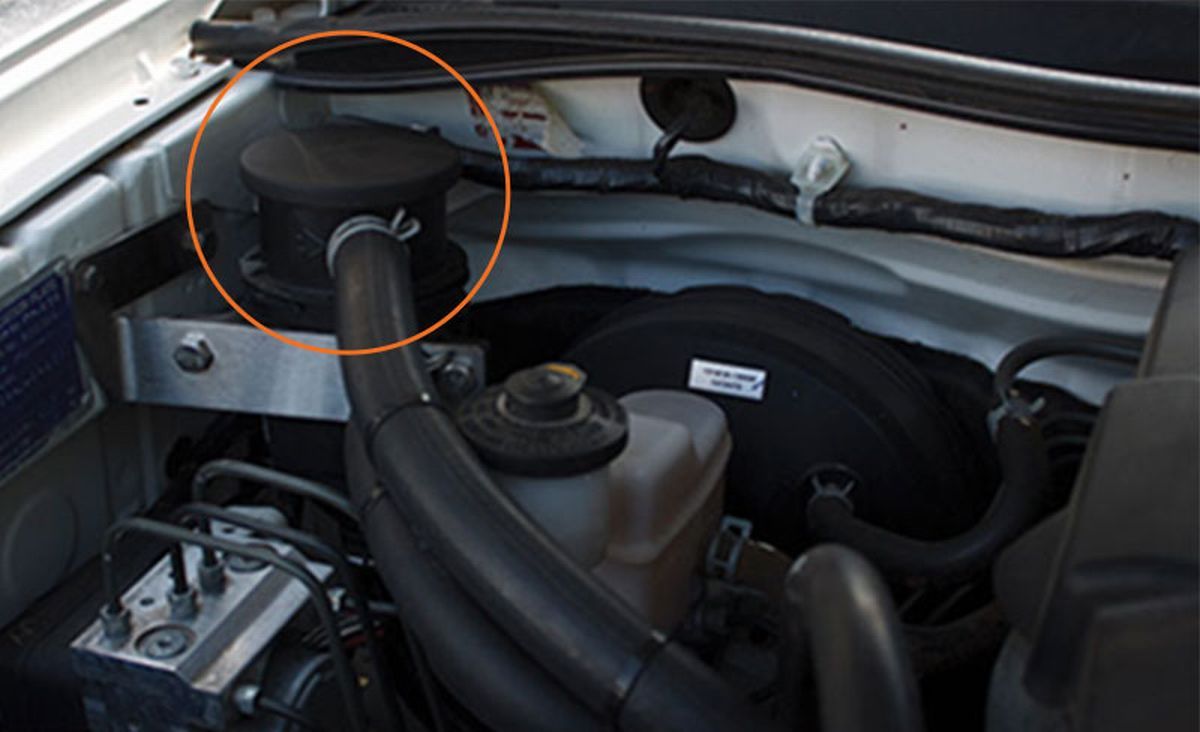
The component responsible for separating oil from crankcase gases is commonly called an oil separator, crankcase oil separator, or breather oil separator. Depending on the engine design, it may be integrated into the valve cover, crankcase ventilation assembly, or another part of the engine.
A properly functioning system helps maintain the correct crankcase pressure, reduces emissions, prevents excessive oil consumption, and protects the engine from pressure-related problems.
Why Does the Crankcase Need Ventilation?
Even in a healthy engine, a small amount of combustion gas passes the piston rings and enters the crankcase.
These gases are known as blow-by gases.
Blow-by gases can contain:
-
Combustion gases
-
Fuel vapor
-
Water vapor
-
Oil mist
-
Unburned hydrocarbons
If these gases were allowed to remain inside the crankcase, pressure would gradually increase.
Excessive crankcase pressure could then force oil past seals and gaskets and cause leaks.
For this reason, engines use a crankcase ventilation system to continuously manage these gases.
What Is the Crankcase Ventilation System?
The crankcase ventilation system provides a controlled path for crankcase gases to leave the crankcase.
Modern gasoline and diesel engines commonly use a positive crankcase ventilation system (PCV) or a similar closed crankcase ventilation arrangement.
Instead of simply releasing crankcase gases into the atmosphere, the system directs them back into the engine's intake system.
The gases can then be burned during normal combustion.
This reduces hydrocarbon emissions and prevents pressure from building up inside the engine.
What Is a Crankcase Oil Separator?
The oil separator is designed to separate liquid oil and oil droplets from the crankcase gases.
Crankcase gases contain oil mist because the crankcase contains moving components that are continuously splashing and circulating engine oil.
If this oil mist were sent directly into the intake, the engine could consume excessive amounts of oil and the intake system could become heavily contaminated.
The oil separator therefore attempts to return as much oil as possible to the engine while allowing the gases to continue through the ventilation system.
How Does the Oil Separator Work?
The exact design varies between engines.
Some systems use:
-
Baffles
-
Internal chambers
-
Cyclonic separation
-
Mesh elements
-
Pressure-sensitive diaphragms
-
Valves
-
Multi-stage oil separation
The crankcase gases enter the separator, where the oil droplets are separated from the gas flow.
The separated oil is directed back toward the crankcase or cylinder head.
The remaining gases are then routed into the intake system.
This process allows the engine to maintain controlled crankcase pressure without continuously sending large quantities of oil into the intake.
What Is the PCV Valve?
On many engines, the PCV valve controls crankcase gas flow.
The valve regulates how much crankcase vapor is allowed to enter the intake system under different engine operating conditions.
At idle, intake vacuum can be relatively high, so the system needs to control the flow carefully.
During acceleration and higher engine loads, intake vacuum changes and the ventilation flow must also change.
Some modern engines use more complex systems rather than a traditional standalone PCV valve.
In many cases, the PCV valve and oil separator are incorporated into a single assembly.
What Happens If the Crankcase Ventilation System Becomes Blocked?
A blocked crankcase ventilation system can prevent blow-by gases from escaping properly.
Crankcase pressure can then increase.
Possible consequences include:
-
Oil leaks
-
Oil seepage around seals
-
Increased oil consumption
-
Oil being pushed through engine seals
-
Rough engine operation
-
Intake contamination
-
Turbocharger oil-related problems
-
Increased crankcase pressure
-
Unusual engine noises
A blockage can become particularly problematic in cold weather if moisture and oil deposits freeze or form thick sludge inside the ventilation passages.
Symptoms of a Faulty Oil Separator or PCV System
A crankcase ventilation problem can produce several symptoms, and they can vary considerably depending on whether the system is blocked, leaking, or allowing too much airflow.
Common symptoms include:
-
Rough idle
-
Whistling or hissing noises
-
Increased oil consumption
-
Oil leaks
-
Oil around the engine seals
-
Excessive crankcase pressure
-
Vacuum problems
-
Check Engine Light
-
Lean mixture fault codes
-
Oil inside the intake system
-
Smoke from the exhaust
-
Difficult starting in severe cases
The same symptoms can also be caused by other engine problems, so diagnosis is important.
Whistling or Hissing Noise From the Engine
A damaged PCV diaphragm or a ventilation valve that is allowing excessive airflow can sometimes produce a noticeable whistling, squealing, or hissing sound.
The noise may change when:
-
The engine speed changes
-
The oil filler cap is removed
-
The throttle is opened
-
The engine reaches operating temperature
On some engines, a loud whistle from the valve-cover or crankcase ventilation area is a strong indication that the PCV system should be inspected.
Oil Leaks Caused by Excessive Crankcase Pressure
One of the important functions of crankcase ventilation is preventing excessive pressure buildup.
If the ventilation system becomes blocked, pressure can increase inside the engine.
This pressure can push engine oil past seals and gaskets.
Oil may then appear around:
-
Valve-cover gasket
-
Crankshaft seals
-
Camshaft seals
-
Oil-filter housing
-
Oil filler area
-
Other engine sealing points
A new oil leak does not always mean the seal itself suddenly failed. Excessive crankcase pressure can be the underlying cause.
Increased Engine Oil Consumption
A faulty crankcase ventilation system can contribute to increased oil consumption.
If the oil separator is not separating oil effectively, excessive oil mist may enter the intake system.
The engine may then burn this oil.
In turbocharged engines, oil contamination in the intake system can become particularly noticeable because the turbocharger moves a large volume of air through the intake tract.
However, high oil consumption can also be caused by:
-
Worn piston rings
-
Valve-stem seals
-
Turbocharger problems
-
Cylinder wear
-
External leaks
The crankcase ventilation system should therefore be checked as part of a complete diagnosis.
Oil Inside the Intake System
A small amount of oil vapor or oily residue in the intake system can be normal on some engines.
The crankcase ventilation system naturally sends vapor through the intake.
However, excessive amounts of liquid oil or heavy oil accumulation may indicate:
-
Failed oil separator
-
Faulty PCV valve
-
Excessive crankcase pressure
-
Excessive blow-by
-
Turbocharger oil leakage
-
Incorrect oil level
The amount and location of the oil are important when diagnosing the cause.
What Causes Excessive Crankcase Pressure?
Not every crankcase pressure problem is caused by the ventilation system itself.
Possible causes include:
Blocked PCV passages
Deposits can restrict the flow of crankcase gases.
Faulty PCV valve
The valve may become stuck, contaminated, or mechanically damaged.
Damaged diaphragm
Many modern systems use a diaphragm that can tear or become brittle with age.
Blocked oil separator
Heavy oil deposits and sludge can restrict the separator.
Excessive engine blow-by
Worn piston rings or cylinder walls can allow significantly more combustion gas into the crankcase.
This distinction is important. If a new oil separator is installed but the engine has severe piston-ring wear, the underlying crankcase pressure problem may remain.
Why Does Sludge Form Under the Oil Filler Cap?
One of the most common questions related to crankcase ventilation is the appearance of a creamy, beige, or yellowish deposit underneath the oil filler cap.
This substance is often described as oil sludge, milky residue, or mayonnaise-like deposits.
There are several possible causes, and not all of them indicate a serious engine failure.
Condensation From Short Trips
One of the most common causes is condensation.
Combustion naturally produces water vapor. Some moisture also enters the crankcase through blow-by gases.
When the engine is repeatedly used for short trips, the oil may not become hot enough for long enough to evaporate this moisture.
The moisture can then mix with oil vapor and form a light-colored emulsion.
This often appears under the oil filler cap.
Short trips in cold weather are especially likely to produce this type of residue.
Cold Weather Can Increase the Deposits
Low temperatures can make condensation more noticeable.
If the vehicle is driven only a few kilometers at a time, the engine oil may never reach a temperature high enough to evaporate accumulated moisture.
As a result, creamy deposits may form around:
-
Oil filler cap
-
Filler neck
-
Valve cover
-
Crankcase ventilation passages
A small amount of light-colored residue under the cap does not automatically mean the head gasket has failed.
Faulty Crankcase Ventilation Can Contribute to Sludge
A malfunctioning ventilation system can make moisture accumulation worse.
If the PCV system is blocked or not circulating crankcase gases correctly, moisture and fuel vapor may remain inside the engine longer.
This can increase the formation of deposits.
For this reason, excessive sludge should be considered together with the condition of the crankcase ventilation system.
Can a Head Gasket Failure Cause Milky Oil?
Yes, but the location and amount of the contamination are important.
A damaged head gasket can allow coolant to enter the engine oil.
When coolant mixes with engine oil, it can produce a milky or creamy appearance.
However, a small amount of creamy residue only under the oil filler cap is not enough to diagnose a head-gasket failure.
Other warning signs should be checked, such as:
-
Coolant level continuously dropping
-
Overheating
-
Persistent white exhaust smoke
-
Bubbles in the coolant reservoir
-
Engine misfire
-
Coolant contamination in the oil
-
Milky oil on the dipstick
-
Abnormally high cooling-system pressure
If the engine oil itself becomes heavily contaminated, the vehicle should not continue operating until the cause is determined.
Fuel Contamination Can Also Affect Engine Oil
Fuel can enter the crankcase under certain conditions.
This can occur with problems such as:
-
Excessive short-trip driving
-
Faulty injectors
-
Poor combustion
-
Excessive fuel enrichment
-
Certain diesel regeneration conditions
Fuel contamination can reduce the oil's viscosity and alter its protective properties.
It should therefore be investigated if the oil level is unexpectedly increasing or the oil develops a strong fuel smell.
Does Sludge Under the Oil Cap Always Mean the Engine Is Bad?
No.
This is an important distinction.
A small amount of light-colored residue under the oil cap, particularly in winter and on vehicles used for frequent short trips, can be caused by condensation.
It becomes more concerning when the residue is accompanied by other symptoms such as:
-
Coolant loss
-
Overheating
-
Milky oil on the dipstick
-
Significant oil consumption
-
Persistent white exhaust smoke
-
Rough engine operation
-
Heavy sludge throughout the engine
The condition of the oil on the dipstick is usually more informative than looking only underneath the filler cap.
How Is a Crankcase Ventilation Problem Diagnosed?
Diagnosis should begin with a visual and mechanical inspection.
The technician may check:
-
PCV valve
-
Oil separator
-
Ventilation hoses
-
Diaphragm
-
Intake connections
-
Crankcase pressure
-
Oil leaks
-
Oil condition
-
Intake contamination
-
Fuel trims
-
Related fault codes
Depending on the engine, crankcase pressure or vacuum can be measured with appropriate equipment.
A scan tool can also help identify mixture-related problems caused by an unwanted air leak through the ventilation system.
Do Not Replace the Oil Separator Without Diagnosis
An oil separator is often blamed whenever oil appears in the intake or around the engine.
However, replacing it without determining the cause can lead to unnecessary repairs.
For example, excessive crankcase pressure may be caused by worn piston rings rather than a blocked separator.
Likewise, a small amount of oil in the intake may be completely normal for a particular engine design.
The amount of contamination, crankcase pressure, engine condition, and ventilation operation should all be considered together.
Why Is the Crankcase Ventilation System Important?
The crankcase ventilation system performs several important functions at the same time.
It:
-
Controls crankcase pressure
-
Removes blow-by gases
-
Separates oil mist
-
Returns separated oil to the engine
-
Reduces emissions
-
Prevents excessive oil leakage
-
Helps maintain correct engine operation
-
Reduces intake contamination
A relatively small ventilation component can therefore have a significant effect on the overall engine.
Practical Assessment of Oil Filler Cap Deposits
If you find a small amount of creamy residue underneath the oil filler cap, especially during cold weather and after repeated short trips, condensation should be considered first.
If the residue is heavy, appears throughout the engine oil, or is accompanied by coolant loss, overheating, white exhaust smoke, increasing oil level, or other symptoms, a more serious problem should be investigated.
At the same time, the PCV valve, oil separator, hoses, and crankcase ventilation passages should be checked.
The key is to avoid diagnosing the engine based on the appearance of the oil filler cap alone. Crankcase ventilation problems, condensation, fuel contamination, and coolant contamination can produce different types of deposits, and the correct diagnosis requires looking at the complete set of symptoms.