TR
TR EN
EN

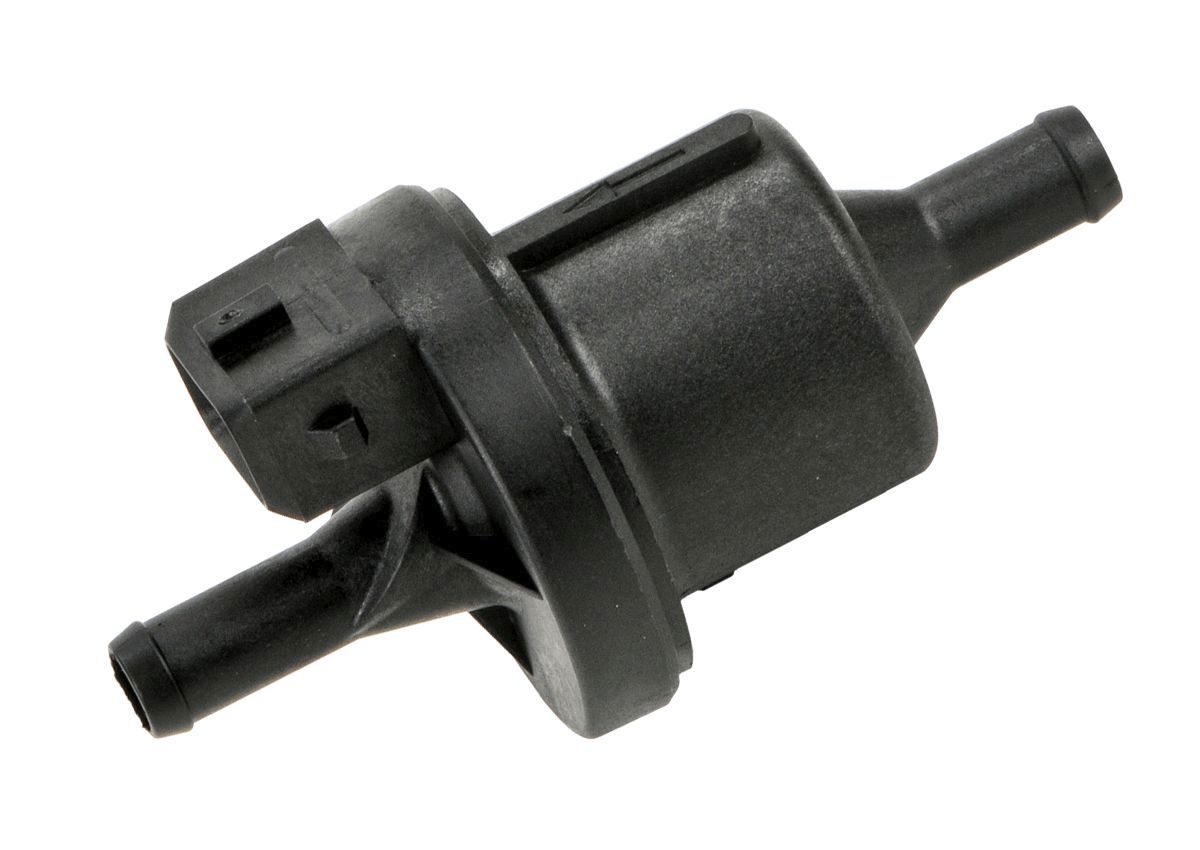
What Is a Canister Valve? What Are the Symptoms of Canister Valve Failure?
The canister valve is an important part of a vehicle’s EVAP (Evaporative Emission Control) system. Its main purpose is to control the flow of fuel vapors stored in the charcoal canister and send them into the engine to be burned.
Fuel inside the tank continuously produces vapor, especially when the fuel is warm. These vapors should not simply be released into the atmosphere. The EVAP system temporarily stores them in a charcoal canister and later directs them into the engine under conditions controlled by the ECU.
The component commonly called the canister valve is usually the EVAP purge valve, also known as the purge solenoid valve.
How Does the Canister Valve Work?
The charcoal canister stores fuel vapor coming from the fuel tank.
When the engine is operating under suitable conditions, the ECU commands the purge valve to open. Engine vacuum then draws the stored fuel vapors from the canister into the intake system.
The vapors are mixed with incoming air and burned inside the engine.
The ECU controls the valve according to factors such as:
-
Engine temperature
-
Engine speed
-
Engine load
-
Throttle position
-
Fuel mixture
-
Vehicle operating conditions
The valve does not simply remain permanently open. It is usually controlled electronically, often with a pulsed signal from the ECU.
What Happens If the Canister Valve Gets Stuck Open?
A purge valve that remains open when it should be closed can allow fuel vapors to enter the intake system at the wrong time.
This can create an air-fuel mixture problem, particularly at idle and during starting.
Possible symptoms include:
-
Rough idle
-
Engine hesitation
-
Difficult starting
-
Engine stalling
-
Fluctuating idle speed
-
Check Engine Light
-
Lean or rich mixture conditions
-
Increased fuel consumption
-
Fuel smell
-
EVAP-related fault codes
In some vehicles, a purge valve stuck open can make the engine behave as though there is an uncontrolled vacuum leak.
What Happens If the Canister Valve Gets Stuck Closed?
If the valve cannot open when commanded, the stored fuel vapors cannot be properly purged into the engine.
The EVAP system may then detect that the expected purge operation is not occurring.
This can cause:
-
Check Engine Light
-
EVAP system fault codes
-
Failed emissions testing
-
Fuel vapor pressure problems
-
Fuel smell in some cases
The engine may continue to run almost normally because the purge system is not directly responsible for basic engine operation.
However, the fault can remain stored in the ECU and may cause the vehicle to fail an emissions inspection.
Common Symptoms of a Faulty Canister Valve
Check Engine Light
One of the most common indications is the Check Engine Light.
The ECU monitors the EVAP system and can detect problems with purge flow, valve operation, or the electrical circuit.
Depending on the vehicle, codes such as P0440, P0441, P0443, P0444, P0445, P0455 and related EVAP codes may appear.
A particular code should not automatically be interpreted as proof that the purge valve itself is defective.
Rough Idle
A purge valve stuck open can allow fuel vapor and additional air to enter the intake while the engine is idling.
This can disturb the air-fuel mixture and cause unstable engine operation.
The driver may notice that the RPM rises and falls slightly or that the engine vibrates more than usual.
Hard Starting After Refueling
This is a particularly useful symptom.
If the purge valve is stuck open, excessive fuel vapor can enter the intake system during or immediately after refueling.
The engine may then become difficult to start.
In some vehicles, the engine may crank for longer than normal before starting or may start and immediately struggle to maintain idle.
A recurring hard-start condition after filling the fuel tank is therefore an important clue when diagnosing the EVAP purge system.
Engine Stalling
If the purge valve allows too much vapor into the intake, the air-fuel mixture can become unstable.
In severe cases, the engine may stall, particularly:
-
At idle
-
Immediately after starting
-
After refueling
-
When coming to a stop
Fuel Smell
A faulty EVAP system can sometimes cause a noticeable fuel odor.
However, fuel smell should not automatically be blamed on the purge valve. A leaking fuel line, fuel tank, filler neck, injector, fuel cap, or another EVAP component can produce a similar symptom.
A strong fuel smell should be investigated promptly.
Canister Valve Electrical Failure
The purge valve contains an electrically operated solenoid.
If the solenoid fails electrically, the ECU may detect:
-
Open circuit
-
Short circuit
-
Excessive resistance
-
Insufficient current
-
Electrical signal problems
Possible causes include:
-
Broken wiring
-
Corroded connector
-
Loose terminal
-
Shorted wiring
-
Failed solenoid coil
-
Poor electrical connection
-
ECU driver circuit problem
This means that replacing the valve without checking the wiring can sometimes result in an unnecessary repair.
Canister Valve Mechanical Failure
The valve can also fail mechanically.
For example, internal contamination may cause it to remain:
-
Permanently open
-
Permanently closed
-
Intermittently open
-
Partially open
Fuel vapor deposits or other contamination can interfere with the valve mechanism.
An intermittent purge valve can be particularly difficult to diagnose because the vehicle may operate normally during some drives and develop symptoms during others.
How Can a Canister Valve Be Tested?
A diagnostic scan is a good starting point.
The technician can check:
-
Stored EVAP fault codes
-
Pending codes
-
Fuel trims
-
Purge command
-
Purge valve activation
-
EVAP pressure data
-
Other related sensor values
The valve itself can also be tested electrically.
Depending on the vehicle, the technician may check the solenoid's resistance and verify that it receives the correct power and control signal.
A scan tool may also be capable of commanding the purge valve on and off while the technician observes engine behavior.
Checking Whether the Valve Is Stuck Open
One important diagnostic question is whether the valve seals properly when it is commanded closed.
A purge valve that should be closed should not allow unrestricted airflow through the system.
If it leaks when closed, it can behave like an unintended vacuum leak.
This is one reason why simply checking whether the solenoid clicks is not enough. A valve can make an audible clicking sound and still fail to seal correctly.
EVAP Leak and Canister Valve Are Not the Same Problem
This distinction is important.
The EVAP system contains several components, including:
-
Fuel tank
-
Charcoal canister
-
Purge valve
-
Vent valve
-
Fuel filler cap
-
EVAP hoses
-
Vapor lines
-
Pressure sensors
An EVAP fault code does not automatically mean the purge valve is faulty.
For example, a cracked EVAP hose can create a leak code even though the purge valve works perfectly.
Likewise, a defective purge valve can create a purge-flow problem without there being an actual leak in the fuel vapor lines.
Can a Bad Canister Valve Increase Fuel Consumption?
It can, depending on the failure.
A purge valve that operates incorrectly can disturb fuel mixture control. The ECU may compensate using fuel-trim corrections, and in some cases this can contribute to increased fuel consumption.
However, significant fuel consumption should not automatically be attributed to the purge valve. Problems with injectors, oxygen sensors, fuel pressure, ignition, intake leaks, or other engine-management components can produce similar symptoms.
Can You Drive With a Faulty Canister Valve?
A vehicle with a minor EVAP purge valve problem may continue to run and drive normally.
However, ignoring the problem is not recommended.
A faulty valve can cause:
-
Poor idle quality
-
Starting problems
-
Stalling
-
Increased emissions
-
Check Engine Light
-
Failed emissions testing
If the vehicle repeatedly stalls, becomes difficult to start, or develops a strong fuel smell, the problem should be diagnosed without unnecessary driving.
Canister Valve Replacement
If testing confirms that the purge valve itself is defective, replacement is generally straightforward on vehicles where the valve is externally accessible.
The repair should also include inspection of:
-
EVAP hoses
-
Electrical connector
-
Wiring
-
Charcoal canister
-
Vent valve
-
Fuel cap
-
Related EVAP components
After replacement, the fault codes may need to be cleared and the vehicle driven through the appropriate EVAP monitor conditions so the ECU can complete its self-tests.
A Practical Diagnostic Clue
One of the most useful clues is hard starting or rough running immediately after refueling.
If this happens repeatedly and the vehicle also has EVAP-related fault codes, the purge valve deserves particular attention.
On the other hand, if the vehicle only has an EVAP leak code, the entire EVAP system should be checked rather than replacing the purge valve immediately.
The canister valve is a relatively small component, but incorrect operation can affect idle quality, starting behavior, emissions, and fuel mixture control. The best approach is to confirm whether the valve is electrically functional, mechanically sealing, and responding correctly to ECU commands before replacing it.