TR
TR EN
EN

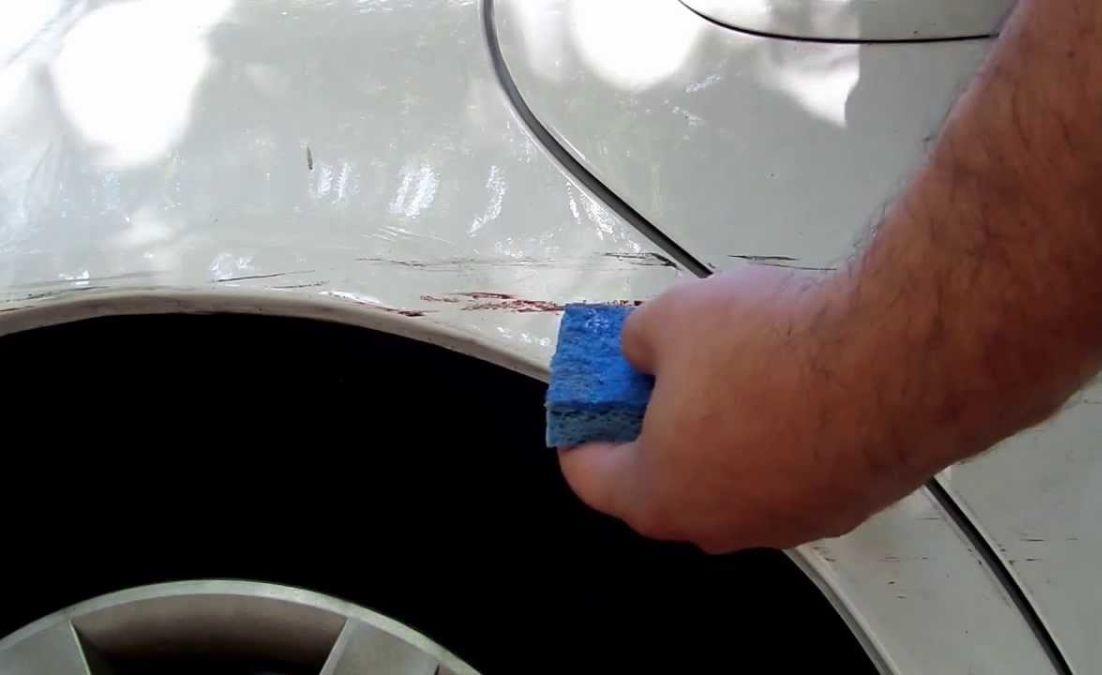
How to Remove Paint Splashes From a Car’s Bodywork?
Paint splashes on a car can happen during road construction, building painting, spray-painting work, body-shop repairs, or even when another vehicle is being painted nearby. If the paint is noticed while it is still fresh, it can often be removed relatively easily. Once it has fully dried and hardened, however, more care is required to avoid damaging the original paint and clear coat.
The most important rule is to remove the contamination without damaging the vehicle’s clear coat. Scraping with a sharp object or using an aggressive solvent can cause more damage than the paint splash itself.
First Identify the Type of Paint
Before trying to remove the paint, it helps to determine what type of paint has landed on the vehicle.
Common types include:
-
Water-based wall paint
-
Synthetic paint
-
Spray paint
-
Acrylic paint
-
Road-marking paint
-
Industrial paint
-
Paint transferred from another vehicle
Different paints react differently to cleaning products. A solvent that works well on one type of paint may damage the vehicle's clear coat or plastic trim.
If the Paint Is Still Fresh
Fresh paint is usually the easiest to remove.
Start by rinsing the affected area thoroughly with plenty of water. This helps remove loose dirt and reduces the risk of scratching the surface.
Then use a quality automotive shampoo and a soft microfiber wash mitt or cloth.
Avoid aggressively rubbing fresh paint with a dry cloth. Keeping the surface wet and lubricated reduces the chance of creating scratches.
If the contamination is water-based and has not hardened, normal washing may remove a significant amount of it.
Wash the Vehicle Before Removing Dried Paint
If the paint has already dried, do not immediately start scraping it.
Wash the entire affected area first.
Dust, sand, and other particles can become trapped between the cleaning tool and the clear coat. Rubbing contaminated paint against a dirty surface can create fine scratches and swirl marks.
After washing and drying the vehicle, inspect the paint splashes carefully.
Small, superficial spots may be removable without aggressive treatment.
Using a Clay Bar to Remove Paint Spots
One of the safest methods for removing small paint particles from automotive paint is an automotive detailing clay bar.
A clay bar is designed to remove bonded contaminants from the surface, including:
-
Small paint particles
-
Industrial fallout
-
Road contamination
-
Overspray
-
Fine deposits
-
Other bonded surface contaminants
To use a clay bar:
-
Wash and dry the vehicle.
-
Spray an appropriate clay lubricant onto the surface.
-
Gently move the clay bar across the contaminated area.
-
Use very little pressure.
-
Check the surface frequently.
-
Wipe the area with a clean microfiber towel.
Never use a clay bar on a dry surface. Adequate lubrication is essential.
If the paint contamination is relatively light and located mainly on the surface of the clear coat, clay can be highly effective.
Can a Plastic Scraper Be Used?
If the paint has formed thicker, raised spots, a plastic scraper may sometimes be useful.
However, avoid using:
-
Screwdrivers
-
Metal spatulas
-
Knives
-
Razor blades
-
Utility blades
-
Other sharp metal tools
These can easily cut or scratch the clear coat.
If a plastic scraper is appropriate, use very light pressure and keep the tool at a shallow angle. Test a small, inconspicuous area first.
If the paint does not release easily, do not force it. A more controlled detailing method is preferable.
Can Paint Thinner Be Used?
This is one of the most common mistakes when trying to remove paint from a car.
Some solvents can dissolve the unwanted paint, but they can also attack the vehicle's clear coat, original paint, plastic trim, rubber seals, or other surfaces.
Strong products such as:
-
Lacquer thinner
-
Strong paint thinners
-
Acetone
-
Industrial solvents
-
Aggressive paint removers
should not be used casually on automotive paint.
Removing the unwanted paint is not a successful repair if the clear coat underneath becomes dull, softened, stained, or damaged.
Can a Mild Automotive Solvent Be Used?
Some automotive detailing products are specifically designed to remove adhesive residue, tar, overspray, or other surface contamination while being safer for cured automotive finishes.
These products can be useful when clay alone is not sufficient.
However, always check that the product is suitable for automotive painted surfaces and clear coat before using it.
Apply a small amount to a microfiber cloth rather than flooding the entire panel with solvent.
Work on a small section and wipe the area clean afterward.
How to Remove Spray Paint From a Car
Spray paint can be more difficult because its composition varies considerably.
If the spray paint is sitting on top of the original clear coat, it may sometimes be removed using:
-
Automotive-safe detailing clay
-
Paint-overspray remover
-
Suitable detailing solvent
-
Controlled machine polishing
The method should become progressively more aggressive rather than starting with the strongest chemical available.
A good approach is:
Wash → Clay → Automotive-safe chemical remover → Polish
Only move to the next step if the previous method does not remove the contamination.
Removing Road Paint From a Car
Road-marking paint can be particularly troublesome because it can dry quickly and bond strongly to the vehicle.
Fresh road paint should be dealt with as soon as possible.
Dried road paint may require a combination of:
-
Thorough washing
-
Automotive-safe chemical treatment
-
Clay
-
Careful mechanical removal
-
Polishing
If large areas of the vehicle are covered with road paint, professional detailing is usually safer than attempting aggressive removal at home.
What If the Paint Has Been on the Car for a Long Time?
Old paint contamination can become extremely hard.
Sunlight and heat can cause the material to cure and bond more strongly to the surface. In some cases, the contamination may also begin to affect the appearance of the clear coat underneath.
At this stage, repeatedly rubbing the area harder is usually not the correct solution.
A professional detailer may use:
-
Specialized chemical removers
-
Clay systems
-
Controlled wet sanding
-
Machine polishing
-
Paint correction
The appropriate method depends on whether the unwanted paint is sitting on top of the clear coat or has actually damaged the original finish.
When Is Polishing Necessary?
If the unwanted paint has been successfully removed but the surface remains:
-
Dull
-
Lightly scratched
-
Hazy
-
Covered with fine marks
-
Uneven in appearance
polishing may be required.
Polishing removes a very small amount of the clear coat and can restore gloss when used correctly.
However, polishing should not be treated as a method for removing thick paint contamination. Large deposits should be removed first, followed by polishing if necessary.
What About Wet Sanding?
Wet sanding can remove stubborn contamination, but it is a much more aggressive procedure.
It should generally be considered only when:
-
The contamination is firmly bonded.
-
Less aggressive methods have failed.
-
The clear coat has sufficient thickness.
-
The person performing the work understands paint correction.
Wet sanding can permanently damage the clear coat if too much material is removed.
On modern vehicles, clear-coat thickness is limited, so unnecessary sanding should be avoided.
Do Not Use a Heat Gun Carelessly
Heat can soften certain types of paint and make removal easier, but using a heat gun directly on automotive paint is risky.
Excessive heat can:
-
Damage the clear coat
-
Soften plastic components
-
Affect trim
-
Damage seals
-
Create uneven gloss
-
Cause paint defects
For most small paint splashes, controlled chemical or mechanical detailing methods are safer.
What If the Paint Has Damaged the Original Finish?
Sometimes the unwanted paint is not the only problem.
If the contamination has been on the vehicle for a long time, it may have:
-
Etched the clear coat
-
Caused staining
-
Reduced gloss
-
Damaged the underlying finish
In this situation, removing the foreign paint may not completely restore the appearance.
The panel may then require paint correction or, in severe cases, repainting.
When Should You Take the Car to a Professional?
Professional detailing is recommended when:
-
A large part of the vehicle is covered with paint.
-
The paint has completely hardened.
-
The contamination is thick.
-
The vehicle has a delicate or recently repaired finish.
-
The paint type is unknown.
-
Solvent removal is required.
-
The clear coat has already been scratched or damaged.
-
Wet sanding or machine correction may be necessary.
A professional can usually start with the least aggressive method and increase the level of correction only when necessary.
The Safest General Approach
For most paint splashes on automotive bodywork, the safest strategy is to avoid aggressive methods at the beginning.
A sensible progression is:
Wash → Clay bar → Automotive-safe paint/overspray remover → Polish if necessary → Paint correction for severe cases
Do not immediately reach for paint thinner, acetone, a razor blade, or a metal scraper.
The goal is not simply to remove the unwanted paint. The goal is to remove it while preserving the original paint and clear coat underneath.