TR
TR EN
EN

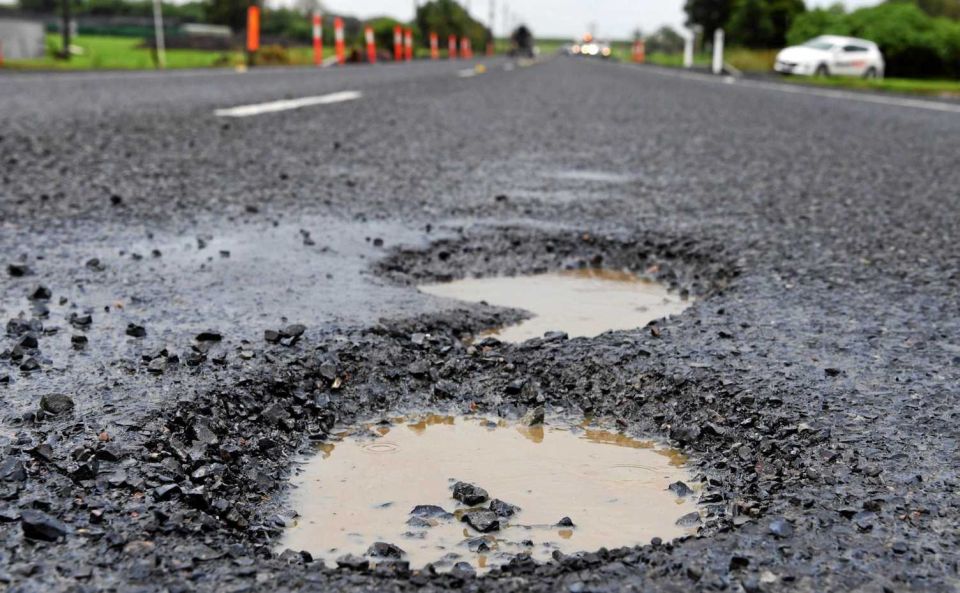
Damage Caused by Asphalt Potholes to Cars
Asphalt potholes are more than an inconvenience for drivers. Hitting a pothole, especially at high speed, can place a sudden and severe load on the vehicle's suspension, steering, wheels, tires, and even body structure.
A pothole that looks relatively small can cause significant damage if the vehicle enters it with one wheel at speed. The severity depends on the pothole's depth and shape, vehicle speed, tire pressure, wheel size, suspension design, and the angle at which the wheel enters the pothole.
What Happens When a Car Hits a Pothole?
When a tire drops suddenly into a pothole, the suspension has to absorb a large amount of energy in a very short period.
If the pothole is deep or the vehicle is traveling quickly, the suspension may reach the end of its available travel. The wheel can then experience a strong impact against the bottom or edge of the pothole.
The impact forces are transferred through several components:
-
Tire
-
Wheel rim
-
Wheel bearing
-
Steering components
-
Control arms
-
Ball joints
-
Tie rods
-
Shock absorbers
-
Suspension springs
-
Subframe
This is why pothole damage is not always visible immediately.
Tire Damage
Tires are among the components most commonly damaged by potholes.
A strong impact can cause:
-
Sidewall bulges
-
Sidewall cuts
-
Internal cord damage
-
Tread separation
-
Air leakage
-
Sudden tire pressure loss
-
Uneven tire wear
One of the most dangerous forms of damage is an internal tire failure that does not immediately become visible.
A tire may appear normal from the outside but have damaged internal cords. A bulge on the sidewall is particularly serious because it can indicate internal structural damage.
A tire with a significant sidewall bulge should generally be replaced rather than repaired.
Wheel Rim Damage
Potholes can easily bend or crack a wheel rim, particularly when the vehicle is equipped with low-profile tires.
Steel wheels may bend and sometimes can be straightened depending on the damage. Alloy wheels can also bend, but a severe impact may cause cracking.
A damaged wheel can cause:
-
Air leakage
-
Steering vibration
-
Wheel imbalance
-
Difficulty maintaining tire pressure
-
Visible deformation
-
Vibration at higher speeds
A cracked alloy wheel should not simply be ignored because its structural integrity may be compromised.
Suspension Damage
The suspension system absorbs impacts and keeps the tires in contact with the road.
A severe pothole can damage or accelerate wear in components such as:
-
Shock absorbers
-
Struts
-
Springs
-
Control arms
-
Bushings
-
Ball joints
-
Stabilizer links
-
Steering knuckles
Not every pothole will immediately break a suspension component. More commonly, a strong impact can bend a component, damage a bushing, or create play that becomes noticeable later.
Shock Absorber and Strut Problems
Shock absorbers and struts are particularly important because they control the movement of the suspension.
A severe pothole impact can damage a shock absorber or cause existing wear to become more noticeable.
Possible symptoms include:
-
Excessive bouncing
-
Repeated suspension movement
-
Oil leakage from the shock absorber
-
Knocking noises
-
Reduced stability
-
Increased body movement
-
Uneven tire contact with the road
If the vehicle begins bouncing excessively after hitting a pothole, the shock absorber and related suspension components should be inspected.
Wheel Alignment Can Change
A pothole impact can alter wheel alignment, especially if the suspension or steering components are bent or displaced.
The driver may notice:
-
Vehicle pulling to one side
-
Steering wheel no longer centered
-
Uneven tire wear
-
Vehicle feeling unstable
-
Steering that feels different from before
-
The car wandering on a straight road
Even if no component is visibly broken, a strong impact can change alignment enough to affect tire wear and handling.
Steering System Damage
The steering system can also be affected by pothole impacts.
Depending on the vehicle, components such as the tie rods, tie-rod ends, steering rack mounts, ball joints, and steering knuckles can experience high impact loads.
Possible symptoms include:
-
Steering wheel vibration
-
Steering looseness
-
Knocking while turning
-
Difficulty keeping the vehicle straight
-
Changes in steering response
-
Vehicle pulling to one side
If the steering suddenly feels different after hitting a pothole, the vehicle should be inspected rather than assuming the problem is only wheel alignment.
Wheel Bearing Damage
A pothole impact can also place a sudden radial or lateral load on the wheel bearing.
A bearing that was already worn may become noticeably louder after a severe impact.
Possible symptoms include:
-
Humming noise
-
Growling noise
-
Grinding sound
-
Noise that increases with road speed
-
Play at the wheel
Wheel bearing noise is not always caused by a pothole, but a sudden change immediately after a major impact deserves attention.
Subframe and Chassis Damage
Severe potholes can sometimes damage components beyond the suspension.
A particularly hard impact may affect:
-
Subframe mounting points
-
Suspension mounting points
-
Crossmembers
-
Underbody components
-
Exhaust components
-
Engine or transmission mounts
This is less common than tire, wheel, alignment, or suspension damage, but it can occur after a very severe impact.
Exhaust System Damage
The underside of the vehicle can hit the edge or bottom of a deep pothole.
The exhaust system is particularly vulnerable because parts of it run underneath the vehicle.
A pothole can cause:
-
Bent exhaust pipes
-
Damaged exhaust hangers
-
Cracked exhaust components
-
Loose heat shields
-
New rattling noises
A metallic rattling sound that begins immediately after a pothole impact may come from the exhaust or a loose heat shield rather than the suspension.
Underbody and Engine Protection Damage
Low vehicles and cars with large underbody components may suffer additional damage.
Depending on the vehicle, a pothole can damage:
-
Engine splash shields
-
Plastic undertrays
-
Lower engine covers
-
Transmission covers
-
Fuel system components
-
Wiring
-
Oil pans
A particularly deep pothole can cause the underside of the vehicle to make direct contact with the road surface.
If an oil warning light appears after a severe impact, the engine should be stopped and the oil level and underside inspected immediately.
Why Low-Profile Tires Are More Vulnerable
Low-profile tires provide less sidewall height between the road and the wheel.
This can improve steering response and handling, but it also reduces the amount of tire sidewall available to absorb a severe impact.
As a result, vehicles with:
-
Large wheels
-
Low-profile tires
-
High-performance tires
may be more susceptible to wheel and tire damage when hitting deep potholes.
This does not mean that smaller wheels are immune, but the tire and wheel combination has a major effect on impact resistance.
Tire Pressure Makes a Difference
Incorrect tire pressure can increase the risk of pothole damage.
An underinflated tire generally has less structural support against a sharp impact. This can allow the wheel to contact the inside of the tire more severely.
Overinflation can also change the way the tire absorbs impacts.
The correct tire pressure should therefore be maintained according to the vehicle manufacturer's specifications, usually found on the driver's door-frame label or in the owner's manual.
Why Pothole Damage May Not Appear Immediately
Some pothole damage is immediately obvious, but other problems develop gradually.
For example, a pothole may slightly bend a suspension component or wheel. The vehicle may still feel normal at first, but uneven tire wear or steering vibration can become noticeable later.
A damaged bushing can also begin making noise only after some time.
For this reason, unusual symptoms that appear after a pothole impact should not automatically be considered unrelated.
Common Symptoms After Hitting a Pothole
The following symptoms deserve attention:
-
Steering wheel vibration
-
Vehicle pulling to one side
-
Steering wheel no longer centered
-
New knocking or clunking noises
-
Tire pressure loss
-
Sidewall bulge
-
Visible wheel damage
-
New humming or bearing noise
-
Uneven tire wear
-
Excessive suspension bouncing
-
Vehicle instability
-
New exhaust rattling
-
Scraping noises from underneath the vehicle
The type of symptom can provide a useful clue about which area needs inspection.
What Should You Do After a Severe Pothole Impact?
If you hit a pothole hard, first find a safe place to stop and check the vehicle.
Look for:
-
Tire damage or bulges
-
Loss of tire pressure
-
Cracked or visibly bent wheels
-
Fluid leaks
-
Loose underbody panels
-
Changes in steering behavior
If the tire is losing pressure rapidly, the sidewall is damaged, or the wheel is visibly cracked, continuing to drive can be dangerous.
If the vehicle appears normal but the steering wheel suddenly becomes off-center or the car begins pulling to one side, have the suspension and wheel alignment inspected.
Is Wheel Alignment Enough?
Not always.
If a pothole causes the vehicle to pull to one side, an alignment check is useful, but alignment should not be treated as the entire diagnosis.
If the alignment cannot be brought back within specification, or if it changes again shortly afterward, a bent suspension or steering component may be the underlying problem.
A proper inspection should determine why the alignment changed before simply adjusting it.
How Can Pothole Damage Be Prevented?
Drivers cannot always avoid potholes, but several habits can reduce the risk of serious damage.
Maintain the correct tire pressure and keep tires in good condition. Avoid excessive speed on roads where potholes are common.
When a pothole is unavoidable, braking hard directly over the pothole is not always ideal. Heavy braking can cause the vehicle's front suspension to compress, leaving less suspension travel available to absorb the impact.
If it is safe to do so, reducing speed before reaching the pothole and keeping the vehicle stable can help reduce the severity of the impact.
Avoid sudden steering movements, especially if other vehicles are nearby.
The Most Important Point After a Pothole Impact
A pothole does not necessarily mean that the vehicle has suffered serious damage. Many impacts cause no lasting problem.
However, a hard impact followed by a new vibration, steering change, tire pressure loss, unusual noise, or visible tire damage should not be ignored.
The tire and wheel should be checked first, followed by the suspension, steering components, wheel bearing, and alignment when necessary.
A small-looking pothole can sometimes cause surprisingly expensive damage, particularly on vehicles with large wheels and low-profile tires. Prompt inspection can prevent a minor impact-related problem from developing into a larger safety or repair issue.