TR
TR EN
EN

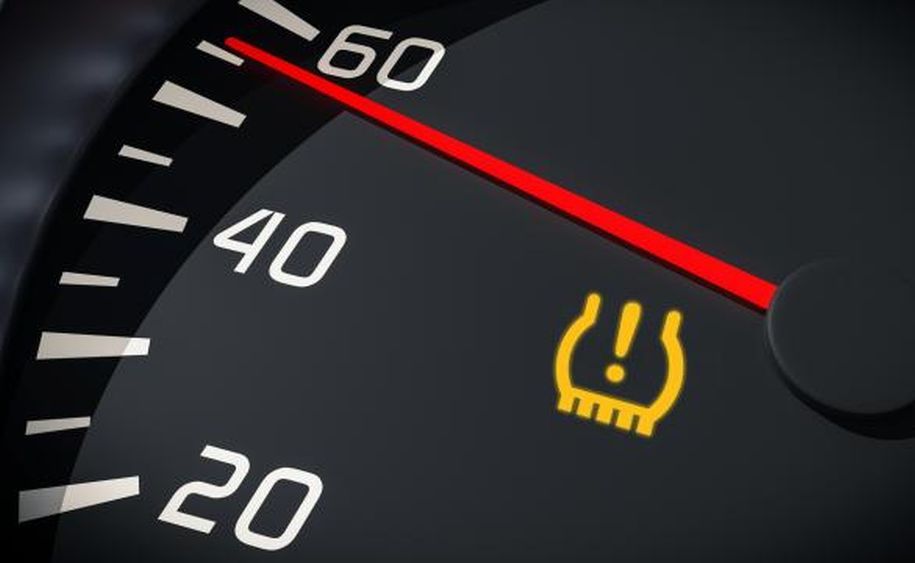
Why Does the Tire Pressure Warning Light Come On?
The tire pressure warning light is one of the most useful safety warnings in a modern vehicle. It indicates that the vehicle's tire pressure monitoring system, commonly called TPMS (Tire Pressure Monitoring System), has detected a problem with one or more tires.
In the simplest case, the warning light comes on because a tire has lost air. However, low tire pressure is not the only possible cause. Temperature changes, incorrect tire pressure, a damaged tire, a faulty TPMS sensor, or a problem with the monitoring system itself can also trigger the warning.
Understanding why the light comes on is important because driving with incorrect tire pressure can affect braking, handling, fuel consumption, and tire life.
What Does the Tire Pressure Warning Light Mean?
The warning light usually looks like a tire cross-section with an exclamation mark in the center.
When it illuminates, the system is warning that:
-
One or more tires may have low pressure.
-
A tire may have lost pressure suddenly.
-
Tire pressure may be outside the recommended range.
-
A TPMS sensor or related component may have a fault.
The exact behavior depends on the vehicle.
Some vehicles display a simple warning light, while others show the individual tire pressure on the instrument cluster or infotainment screen.
The Most Common Cause: Low Tire Pressure
The most common reason for the warning light is simply low tire pressure.
A tire can lose pressure because of:
-
A puncture
-
A nail or screw
-
A leaking valve
-
A damaged valve core
-
A damaged wheel
-
A tire bead leak
-
Natural pressure loss over time
Even a relatively small leak can eventually reduce the pressure enough to trigger TPMS.
If the warning light appears, checking the pressure of all four tires is the first thing that should be done.
Why Does Tire Pressure Decrease in Cold Weather?
Temperature has a direct effect on tire pressure.
When the outside temperature drops, the air inside the tire contracts and the measured pressure decreases.
This is why the tire pressure warning light may appear during cold mornings even when the tire has no puncture.
For example, a vehicle that was driven during warmer weather may show a low-pressure warning after a significant overnight temperature drop.
This does not mean the warning should be ignored.
The tire pressures should still be measured when the tires are cold and adjusted according to the vehicle manufacturer's recommended values.
Can Hot Tires Cause the Warning Light?
Tire pressure normally increases as the tires heat up during driving.
This is expected.
For this reason, tire pressure should generally be checked when the tires are cold rather than immediately after a long drive.
Do not deliberately reduce the pressure of a hot tire simply because the pressure reading is higher than the cold specification.
The correct reference is the manufacturer's recommended cold tire pressure.
What Tire Pressure Should You Use?
The correct tire pressure is determined by the vehicle manufacturer.
The recommended pressure can usually be found on:
-
The driver's door-jamb label
-
The driver's door frame
-
The owner's manual
-
The vehicle manufacturer's documentation
Do not use the maximum pressure printed on the tire sidewall as the normal operating pressure unless the manufacturer specifically recommends it.
The tire sidewall pressure is generally related to the tire's maximum allowable pressure under specified conditions, not necessarily the correct pressure for your vehicle.
Can One Tire Have Low Pressure Without Looking Flat?
Yes.
A tire does not need to look visibly flat for its pressure to be too low.
Modern radial tires can maintain their general shape even when they have lost a significant amount of air.
This is why visual inspection alone is not reliable.
If the TPMS warning appears, use a proper pressure gauge to check the tires.
What If the Tire Pressure Is Correct but the Light Is Still On?
If all tires have the correct pressure but the warning light remains illuminated, there may be another reason.
Possible causes include:
-
TPMS sensor failure
-
Sensor battery depletion
-
Incorrect sensor data
-
Sensor damage
-
TPMS calibration requirement
-
Wheel replacement without compatible sensors
-
Communication problems
-
TPMS control-module faults
Some vehicles also require the TPMS system to be reset or recalibrated after tire pressure has been corrected.
What Is TPMS?
TPMS stands for Tire Pressure Monitoring System.
Its purpose is to monitor tire pressure and warn the driver when pressure becomes too low.
There are two main types of TPMS.
Direct TPMS
Direct TPMS uses pressure sensors installed inside the wheels.
These sensors measure actual tire pressure and transmit the information to the vehicle.
Depending on the design, the sensor may also provide:
-
Tire temperature
-
Sensor identification
-
Pressure information
-
Battery status information
Direct TPMS can usually identify which tire has a pressure problem.
Indirect TPMS
Indirect TPMS does not necessarily use a pressure sensor inside each tire.
Instead, it uses wheel-speed information from the ABS system.
A tire with lower pressure has a slightly different rolling circumference. This changes its rotational behavior compared with the other wheels.
The system can detect this difference and determine that a tire may be underinflated.
Indirect TPMS therefore works differently from direct pressure measurement.
Why Does the Warning Light Flash?
The behavior of the warning light can provide an important clue.
On many vehicles, a warning light that flashes for a period of time and then remains illuminated can indicate a TPMS system fault rather than simply low tire pressure.
Possible causes include:
-
Failed sensor
-
Sensor battery problem
-
Communication failure
-
Incorrect sensor
-
TPMS control-system fault
The exact warning strategy varies by manufacturer, so the owner's manual should be consulted for the specific vehicle.
Why Does the Light Come On After Changing Tires?
A TPMS warning can appear after changing wheels or tires for several reasons.
For example:
-
A TPMS sensor may have been damaged during tire installation.
-
A sensor may have been replaced with an incompatible unit.
-
The vehicle may not have learned the new sensor ID.
-
The system may need recalibration.
-
A sensor battery may have failed.
If the warning appears immediately after tire or wheel work, the TPMS system should be checked rather than assuming that the tires simply need air.
Does Changing the Tires Require TPMS Reset?
It depends on the vehicle and TPMS design.
Some systems automatically learn the new sensor information after driving.
Others require a relearn procedure.
Indirect systems may require a manual calibration or reset after adjusting tire pressures.
The correct procedure depends on the specific vehicle.
Why Does the Warning Light Come Back After Filling the Tire?
If you inflate a tire and the warning light disappears but returns later, the tire may have a slow leak.
Possible causes include:
-
Small puncture
-
Valve leakage
-
Bead leakage
-
Wheel damage
-
Tire damage
A slow leak can be particularly difficult to notice because the tire may lose only a small amount of pressure every few days or weeks.
In this situation, repeatedly adding air without finding the leak is not a proper solution.
Can a Damaged Wheel Cause Low Tire Pressure?
Yes.
A bent or cracked wheel can prevent the tire bead from sealing correctly.
This can create a slow air leak.
Wheel damage is especially worth checking if the pressure loss began after:
-
Hitting a pothole
-
Striking a curb
-
Driving over a severe road impact
A tire shop can perform a leak inspection to determine whether the wheel or tire is responsible.
Can a Tire Valve Cause the Warning Light?
Yes.
The valve is part of the tire's air-retention system.
A damaged valve stem or valve core can slowly release air.
On vehicles with direct TPMS, the valve and sensor assembly may also be integrated into the same unit.
A leaking valve can therefore produce the same warning as a punctured tire.
Can the Tire Pressure Warning Light Come On Because of Overinflation?
The exact behavior depends on the vehicle.
TPMS is primarily intended to warn about underinflation, but some systems can detect pressure values that are outside the expected operating range.
Even if the warning light is not triggered, overinflating the tires is not recommended.
Excessive pressure can affect:
-
Ride comfort
-
Tire contact patch
-
Handling
-
Wet-road grip
-
Tire wear
Always use the manufacturer's recommended pressure.
What Happens If You Drive With Low Tire Pressure?
Driving with underinflated tires can create several problems.
The tire flexes more than intended, generating additional heat.
This can increase the risk of:
-
Premature tire wear
-
Sidewall damage
-
Poor handling
-
Longer braking distances
-
Increased rolling resistance
-
Higher fuel consumption
-
Tire failure
The risk becomes greater at high speeds or when the vehicle is heavily loaded.
Can Low Tire Pressure Increase Fuel Consumption?
Yes.
A tire with low pressure has greater rolling resistance.
The engine must produce more power to maintain the same vehicle speed.
As a result, fuel consumption can increase.
The effect may not be dramatic with a small pressure difference, but driving for long periods with significantly underinflated tires can noticeably reduce efficiency.
Can Low Tire Pressure Damage the Tire?
Yes.
Underinflation causes the sidewall to flex more than intended.
Excessive flexing generates heat and can accelerate tire deterioration.
Severe underinflation can cause internal damage that is not always visible from the outside.
If a tire has been driven for a significant distance while severely underinflated, simply adding air does not necessarily mean the tire is safe.
It should be inspected for internal damage.
Why Does the Warning Light Come On After a Tire Rotation?
If the vehicle uses direct TPMS, rotating the wheels may change the physical location of the sensors.
Some systems automatically identify the new positions, while others require a relearn procedure.
If the system is not correctly calibrated, the vehicle may display incorrect tire-position information.
The warning light itself can still indicate a pressure problem even if the tire positions shown by the system are incorrect.
What Should You Do When the Tire Pressure Light Comes On?
Do not simply ignore it.
A sensible procedure is:
-
Slow down and drive cautiously.
-
Look for an obviously damaged or deflated tire.
-
Check the pressure of all tires with a reliable gauge.
-
Compare the readings with the manufacturer's recommended cold pressures.
-
Inflate or correct the pressures as necessary.
-
Inspect for punctures or leaks.
-
Reset or recalibrate TPMS if the vehicle requires it.
-
If the warning returns, have the tire and TPMS system inspected.
If a tire is visibly damaged or rapidly losing air, do not continue driving unnecessarily.
Can the TPMS Light Turn Off by Itself?
Yes.
If the system detects that tire pressure has returned to an acceptable range, the warning may disappear automatically.
However, some vehicles require a reset or relearn procedure.
Even if the light goes out, it is still worth determining why the pressure became low in the first place.
What If the Tire Is Correctly Inflated but the Warning Keeps Returning?
This situation requires further diagnosis.
A technician may check:
-
Actual tire pressure
-
Tire and wheel leaks
-
TPMS sensor data
-
Sensor battery condition
-
Sensor identification
-
TPMS communication
-
ABS wheel-speed signals on indirect systems
-
TPMS control module
-
Calibration status
A diagnostic scan may be necessary if the system has stored a fault code.
Can a Spare Tire Trigger the TPMS Warning?
It can, depending on the vehicle.
Some vehicles have a TPMS sensor in the spare wheel, while others do not.
If a vehicle is equipped with a spare tire that does not contain a recognized sensor, the TPMS system may detect a missing sensor or system fault.
The exact behavior varies by vehicle.
Why Should You Not Ignore the Warning?
The warning light is not simply a convenience feature.
Correct tire pressure directly affects the vehicle's contact with the road.
Incorrect pressure can influence:
-
Steering response
-
Braking performance
-
Cornering stability
-
Tire temperature
-
Tire wear
-
Fuel consumption
A warning that appears repeatedly should therefore be investigated rather than reset and forgotten.
The Difference Between a Tire Pressure Problem and a TPMS Fault
It is important to distinguish between the two.
If the system detects genuinely low tire pressure, the solution is to find the reason for the pressure loss and restore the correct pressure.
If the tire pressures are correct but the TPMS system reports a fault, the problem may be electronic rather than pneumatic.
Replacing a TPMS sensor will not fix a leaking tire, just as inflating the tire will not repair a failed sensor.
A Simple Rule to Remember
If the tire pressure warning light comes on, check the actual tire pressures first.
Do not rely only on how the tire looks.
If the pressure is low, find out why. A puncture, valve leak, damaged wheel, or other problem may be responsible.
If all pressures are correct and the warning remains or repeatedly returns, the TPMS system itself should be checked.
The warning light is designed to give you an early indication of a potential tire-pressure problem. Taking it seriously can prevent premature tire wear, poor vehicle handling, and, in severe cases, a tire failure while driving.