TR
TR EN
EN

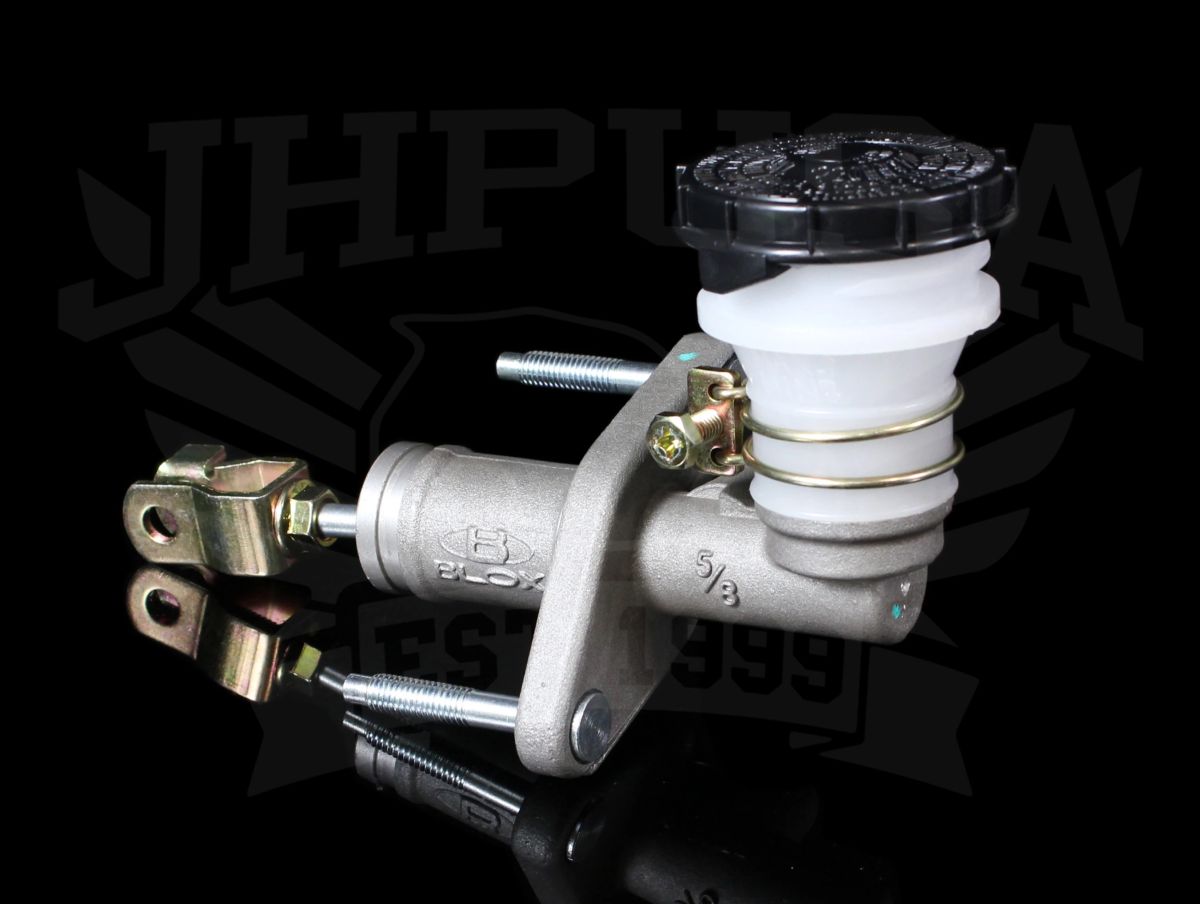
What Is a Clutch Master Cylinder? What Are the Symptoms of Failure?
The clutch master cylinder is one of the most important components in a hydraulic clutch system. It transfers the force applied to the clutch pedal into hydraulic pressure, allowing the clutch release mechanism to operate.
When the driver presses the clutch pedal, the master cylinder pushes hydraulic fluid through the clutch hydraulic line toward the clutch slave cylinder or concentric slave cylinder. The resulting hydraulic pressure moves the release mechanism, allowing the clutch to disengage from the engine.
A faulty clutch master cylinder can cause anything from a slightly unusual clutch pedal feel to serious difficulty selecting gears.
How Does a Clutch Master Cylinder Work?
The basic operating principle is relatively simple.
When the clutch pedal is pressed:
-
The pedal pushes the master cylinder pushrod.
-
The pushrod moves the master cylinder piston.
-
The piston pressurizes the hydraulic clutch fluid.
-
Hydraulic pressure travels through the clutch line.
-
The slave cylinder receives this pressure.
-
The slave cylinder moves the clutch release mechanism.
-
The clutch disengages from the engine.
When the pedal is released, the hydraulic pressure decreases and the clutch returns to its normal engaged position.
This system allows relatively modest pedal force to operate the clutch mechanism.

Where Is the Clutch Master Cylinder Located?
The clutch master cylinder is normally located near the clutch pedal and mounted to the firewall or bulkhead separating the passenger compartment from the engine compartment.
In many vehicles, it is connected directly to the clutch pedal through a pushrod.
The master cylinder usually has:
-
A hydraulic fluid reservoir or connection to a shared reservoir
-
A piston assembly
-
Seals
-
A pushrod
-
Hydraulic connections
-
A return mechanism
The exact design varies between vehicles.
Some vehicles use a separate clutch fluid reservoir, while others share the brake fluid reservoir with the clutch hydraulic system.
What Are the Symptoms of a Bad Clutch Master Cylinder?
A failing clutch master cylinder can produce several recognizable symptoms.
Common symptoms include:
-
Soft clutch pedal
-
Spongy clutch pedal
-
Clutch pedal slowly sinking toward the floor
-
Clutch pedal remaining on the floor
-
Difficulty changing gears
-
Difficulty selecting first or reverse gear
-
Grinding when selecting gears
-
Clutch engagement point changing unexpectedly
-
Clutch pedal feeling different from normal
-
Clutch pedal becoming hard or unusually light
-
Hydraulic fluid leakage
-
Low clutch fluid level
-
Clutch operation becoming intermittent
-
Clutch temporarily working and then failing
-
Clutch not fully disengaging
Not every vehicle will exhibit all of these symptoms.
Clutch Pedal Slowly Sinks to the Floor
One of the most important symptoms of a failing clutch master cylinder is a pedal that gradually loses pressure while being held down.
For example, the driver may press the clutch pedal and hold it.
Initially, the pedal feels normal.
After several seconds, however, the pedal may begin moving toward the floor without the driver's foot being intentionally moved.
This can indicate that hydraulic pressure is not being maintained.
An internal leak inside the master cylinder can allow hydraulic fluid to bypass the piston seals rather than maintaining pressure in the hydraulic circuit.
This is often called internal bypassing.
Soft or Spongy Clutch Pedal
A clutch pedal that suddenly becomes soft or spongy can indicate a hydraulic problem.
Possible causes include:
-
Air in the clutch hydraulic system
-
Low hydraulic fluid
-
Hydraulic fluid leakage
-
Failing clutch master cylinder
-
Failing clutch slave cylinder
-
Damaged hydraulic line
-
Incorrect bleeding procedure
Therefore, a soft pedal does not automatically prove that the master cylinder is defective.
The entire hydraulic system needs to be inspected.
Difficulty Selecting Gears
A clutch master cylinder problem can make it difficult to select gears because the clutch may not completely disengage.
The driver may notice that:
-
First gear is difficult to select
-
Reverse gear grinds
-
The vehicle tries to move with the clutch fully depressed
-
Gear changes become increasingly difficult
-
The problem is worse when the engine is running
If the clutch does not release sufficiently, the transmission input shaft can continue rotating.
This makes gear engagement more difficult and can cause grinding.
Difficulty Selecting Reverse Gear
Reverse gear can be particularly useful when diagnosing a clutch hydraulic problem.
If reverse gear becomes difficult to engage or produces grinding while the clutch pedal is fully depressed, the clutch may not be completely disengaging.
However, this does not automatically mean the clutch master cylinder is bad.
Other possibilities include:
-
Air in the hydraulic system
-
Slave cylinder failure
-
Clutch disc problems
-
Pressure plate problems
-
Clutch release mechanism problems
-
Transmission problems
-
Incorrect clutch adjustment on certain designs
A hydraulic diagnosis should therefore be performed before replacing the master cylinder.
Clutch Pedal Stays on the Floor
A clutch pedal that remains on the floor is a serious symptom.
Possible causes include:
-
Master cylinder failure
-
Slave cylinder failure
-
Hydraulic fluid loss
-
Broken hydraulic line
-
Failed pedal return mechanism
-
Mechanical clutch release failure
If the hydraulic system loses the ability to generate pressure, the clutch may no longer disengage.
The vehicle may then become impossible or unsafe to drive normally.
Hydraulic Fluid Leakage
External leakage is another important clue.
Depending on the vehicle, fluid may leak:
-
Around the master cylinder
-
Near the clutch pedal
-
From the hydraulic connection
-
Along the clutch hydraulic line
-
Around the slave cylinder
-
Into the bellhousing area
A leak around the clutch pedal or the rear of the master cylinder can be a strong indication of a master cylinder seal or body problem.
However, the source of the fluid must be identified carefully because brake fluid may also be present in the same area in vehicles using a shared reservoir.
Does a Clutch Master Cylinder Always Leak Externally When It Fails?
No.
This is an important point.
A master cylinder can fail internally without producing an obvious external leak.
The piston seals can deteriorate and allow hydraulic fluid to bypass internally.
In this situation, the driver may experience:
-
Pedal sinking
-
Loss of hydraulic pressure
-
Incomplete clutch disengagement
-
Intermittent clutch operation
without seeing a significant fluid leak underneath the vehicle.
This is why simply looking for fluid on the ground is not enough to diagnose the component.
Clutch Master Cylinder vs. Clutch Slave Cylinder
These two components work together but perform different jobs.
The clutch master cylinder generates hydraulic pressure when the clutch pedal is pressed.
The clutch slave cylinder receives that pressure and uses it to operate the clutch release mechanism.
A problem in either component can produce similar symptoms.
For example, both can cause:
-
Soft clutch pedal
-
Difficulty changing gears
-
Incomplete clutch disengagement
-
Low hydraulic pressure
-
Clutch pedal problems
The diagnostic process must determine which component is actually responsible.
Clutch Master Cylinder vs. Brake Master Cylinder
The clutch master cylinder should not be confused with the brake master cylinder.
The brake master cylinder generates hydraulic pressure for the braking system.
The clutch master cylinder generates hydraulic pressure for the clutch system.
They may use similar hydraulic principles, but they perform different functions.
Some vehicles use a shared brake fluid reservoir, which can make the systems appear more closely connected.
A low fluid level in a shared reservoir can affect clutch operation, but the underlying cause still needs to be identified.
What Causes a Clutch Master Cylinder to Fail?
Several problems can eventually cause master cylinder failure.
Worn piston seals
The internal seals can deteriorate with age and repeated operation.
Internal bypassing
Damaged seals may allow fluid to bypass the piston instead of maintaining pressure.
External leakage
A damaged seal or cylinder body can allow hydraulic fluid to escape.
Contaminated fluid
Dirty or contaminated hydraulic fluid can damage internal components and affect seal performance.
Moisture in the hydraulic fluid
Brake fluid is hygroscopic in many systems, meaning it absorbs moisture over time. Moisture can contribute to corrosion and deterioration within hydraulic components.
Corrosion
Internal corrosion can damage the piston or cylinder bore.
Damaged pushrod or pedal mechanism
A mechanical problem between the pedal and master cylinder can also affect clutch operation.
Excessive heat
High temperatures around the engine compartment can accelerate deterioration of seals and hydraulic components.
Can Air in the Clutch System Cause the Same Symptoms?
Yes.
Air in a hydraulic clutch system can produce symptoms that look very similar to a failing master cylinder.
Air is compressible, while hydraulic fluid is effectively incompressible.
When air enters the system, part of the pedal movement is used to compress the air instead of generating the required hydraulic pressure.
This can result in:
-
Spongy pedal
-
Long pedal travel
-
Incomplete clutch disengagement
-
Difficulty changing gears
-
Inconsistent clutch engagement
For this reason, the hydraulic system should be checked and properly bled before condemning the master cylinder.
Can Low Clutch Fluid Cause a Bad Clutch Master Cylinder?
Low fluid does not automatically mean the master cylinder is defective.
Low fluid usually means that fluid has been lost or consumed due to a leak, depending on the system.
Possible leak points include:
-
Master cylinder
-
Slave cylinder
-
Hydraulic line
-
Hydraulic connections
-
Reservoir
The source of the fluid loss must be located.
Simply adding more fluid without finding the cause is not a proper repair.
How Do You Test a Clutch Master Cylinder?
Diagnosis should begin with a visual inspection.
Check:
-
Clutch fluid level
-
Master cylinder body
-
Area around the clutch pedal
-
Hydraulic lines
-
Hydraulic connections
-
Slave cylinder
-
Signs of fluid leakage
Then evaluate the pedal behavior.
A useful test is to press the clutch pedal firmly and hold it.
If the pedal gradually sinks toward the floor while constant pressure is maintained, an internal hydraulic pressure loss is possible.
The master cylinder is a strong suspect, but other hydraulic problems should still be considered.
Can You Test a Clutch Master Cylinder With a Scan Tool?
Usually, a conventional hydraulic clutch master cylinder is not directly monitored by the engine ECU.
Therefore, a basic clutch master cylinder failure will generally not produce a dedicated OBD-II diagnostic trouble code.
Some modern vehicles have additional clutch-position sensors or electronically controlled systems.
In those vehicles, the ECU or other control modules may detect related problems.
However, a scan tool cannot normally prove that a conventional hydraulic master cylinder is mechanically or hydraulically healthy.
Physical and hydraulic testing remain important.
Can a Clutch Master Cylinder Be Repaired?
Some master cylinders can technically be rebuilt using seals and internal components.
However, whether rebuilding is practical depends on the design, availability of quality rebuild kits, cylinder condition, and manufacturer recommendations.
If the cylinder bore is corroded or damaged, replacing seals alone may not provide a reliable repair.
For many modern vehicles, replacing the complete master cylinder is the more practical solution.
Does a Bad Clutch Master Cylinder Mean the Clutch Disc Is Bad?
No.
This is a common diagnostic mistake.
A hydraulic clutch problem and a worn clutch disc are different problems.
A worn clutch disc commonly causes:
-
Engine RPM increasing without corresponding vehicle acceleration
-
Clutch slipping under load
-
Burning clutch smell
-
Engagement near the top of the pedal travel
A hydraulic master cylinder problem more commonly causes:
-
Incomplete clutch disengagement
-
Difficulty selecting gears
-
Soft or sinking pedal
-
Loss of hydraulic pressure
-
Pedal remaining on the floor
There can be overlapping symptoms, so the complete clutch system should be evaluated.
Can a Bad Master Cylinder Cause Clutch Slipping?
Usually, a failing master cylinder is more likely to cause clutch disengagement problems than conventional clutch-disc slipping.
However, certain hydraulic faults can prevent the clutch from fully returning to its normal engaged position.
For example, if hydraulic pressure does not release correctly, the clutch may remain partially disengaged.
This can produce abnormal clutch behavior.
Therefore, if a clutch is slipping, the master cylinder should not automatically be blamed. The clutch disc, pressure plate, release bearing, hydraulic system, and pedal mechanism should all be considered.
Can You Drive With a Bad Clutch Master Cylinder?
Driving with a failing clutch master cylinder is not recommended.
If the component is gradually losing hydraulic pressure, the clutch may suddenly stop disengaging.
This can leave the driver unable to select gears normally.
The problem can also become worse without much warning.
If the clutch pedal suddenly becomes very soft, remains on the floor, gear selection becomes difficult, or hydraulic fluid is leaking, the vehicle should be inspected as soon as possible.
What Should Be Checked Before Replacing the Clutch Master Cylinder?
Before replacing the master cylinder, a systematic diagnosis should be performed.
Check the:
-
Clutch fluid level
-
Hydraulic fluid condition
-
Master cylinder
-
Slave cylinder
-
Hydraulic lines
-
Hydraulic connections
-
Clutch pedal mechanism
-
Pushrod
-
System for trapped air
-
Clutch release mechanism
-
Clutch assembly if hydraulic components test correctly
If the system has air, bleeding the system may restore normal operation.
If there is an external leak, the leaking component must be repaired.
If the master cylinder cannot maintain hydraulic pressure despite a properly filled and bled system, replacement is generally justified.
Conclusion
The clutch master cylinder converts mechanical force from the clutch pedal into hydraulic pressure. This pressure is transmitted to the slave cylinder, which operates the clutch release mechanism.
A failing clutch master cylinder can cause a soft or spongy clutch pedal, a pedal that slowly sinks toward the floor, difficulty selecting gears, grinding when selecting reverse, incomplete clutch disengagement, hydraulic fluid leakage, and intermittent clutch operation.
However, these symptoms are not exclusive to the master cylinder. Air in the hydraulic system, low fluid, a leaking slave cylinder, damaged hydraulic lines, pedal problems, and mechanical clutch faults can produce similar symptoms.
One of the most useful diagnostic clues is a clutch pedal that gradually sinks while being held down. This can indicate that hydraulic pressure is being lost internally, although the entire hydraulic system should still be checked before replacing the master cylinder.
The correct approach is therefore not to replace the master cylinder simply because the clutch pedal feels abnormal. Check the fluid, inspect for leaks, examine the master and slave cylinders, bleed the system if necessary, and verify the hydraulic pressure and clutch operation.
A proper diagnosis can prevent unnecessary replacement of expensive clutch components and help identify whether the actual problem is the clutch master cylinder, slave cylinder, hydraulic system, or mechanical clutch assembly.