TR
TR EN
EN

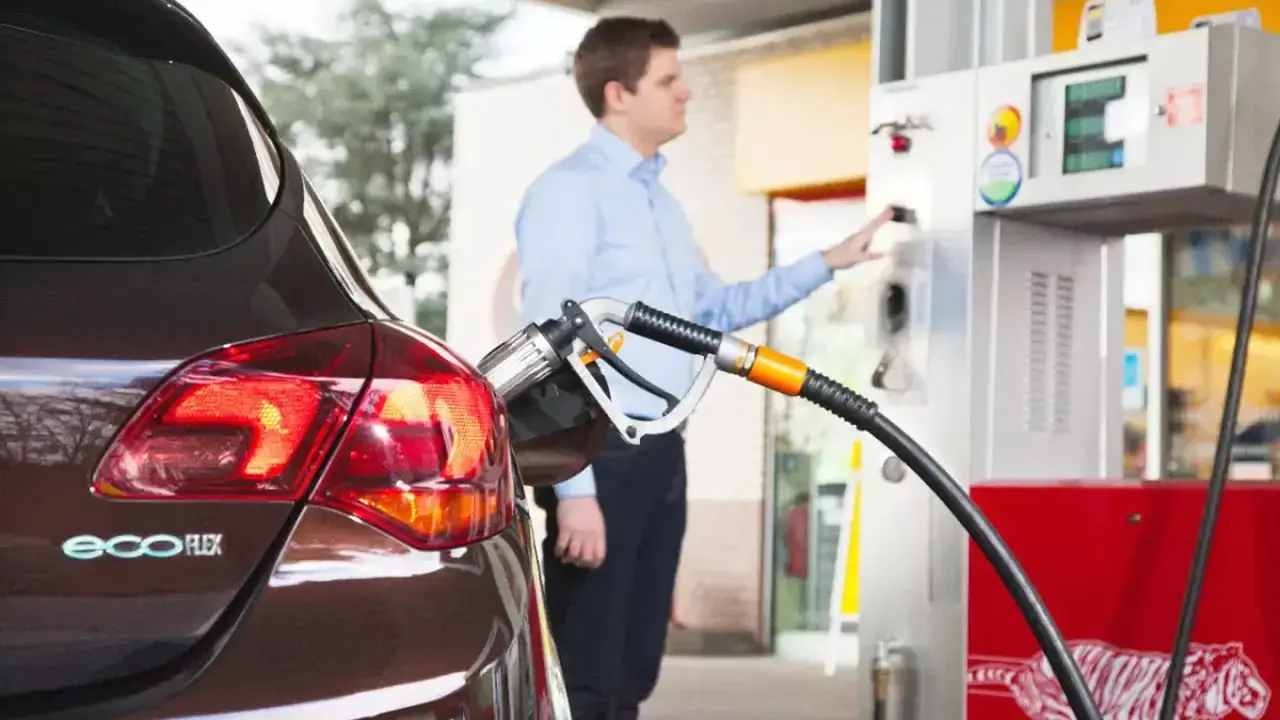
Is LPG Safe? What Drivers Should Know About LPG Vehicle Safety
LPG is widely used as an alternative fuel for passenger cars, taxis, commercial vehicles and fleets around the world. Because LPG is stored under pressure and is highly flammable, some drivers naturally wonder whether an LPG-powered vehicle is safe.
The short answer is yes, a properly designed, approved, correctly installed and regularly maintained LPG system can be used safely.
However, LPG safety depends heavily on the condition of the tank, multivalve, fuel lines, regulator, injectors, electrical connections and safety valves. A poorly installed or damaged system can create serious risks.
Why Do People Question LPG Safety?
LPG is a flammable hydrocarbon fuel. Unlike gasoline, which is stored as a liquid at normal atmospheric pressure, LPG is stored under pressure so that it remains in liquid form inside the tank.
This means an LPG vehicle contains:
-
A pressurized fuel tank
-
High-pressure or pressurized fuel lines
-
A multivalve
-
Pressure regulation equipment
-
LPG injectors
-
Electrical control components
-
Automatic shut-off and safety devices
These components have to work together correctly.
The presence of a pressurized fuel system does not automatically make an LPG vehicle dangerous. Modern LPG systems are specifically designed with multiple safety mechanisms to control the fuel and isolate it when necessary.
LPG Tanks Are Designed for Pressurized Fuel
The LPG tank is one of the most important safety components in the system.
It is designed specifically to store LPG under pressure and must meet the applicable technical and certification requirements.
A proper LPG tank is not an ordinary metal container. It is manufactured to withstand the pressure and operating conditions associated with LPG storage.
The tank is also equipped with a multivalve assembly that performs several important functions.
Depending on the system, the multivalve can provide functions related to:
-
Fuel filling
-
Fuel withdrawal
-
Excess-flow protection
-
Tank isolation
-
Pressure relief
-
Fuel-level measurement
This means the tank and multivalve form an important part of the vehicle's overall safety system.
What Happens If an LPG Tank Is Overfilled?
Modern LPG systems include protection against excessive filling.
LPG tanks are normally not filled completely with liquid. A certain amount of free space is required because LPG expands as its temperature increases.
The multivalve incorporates a filling limitation mechanism designed to prevent the tank from being filled beyond the permitted level.
This is an important safety feature because completely filling a pressurized liquid-fuel tank would leave insufficient room for thermal expansion.
What Happens During an Accident?
One of the biggest concerns about LPG vehicles is what happens during a crash.
A properly installed LPG system includes safety features designed to reduce the uncontrolled release of fuel.
The tank is securely mounted to the vehicle, while the multivalve and fuel system incorporate mechanisms intended to limit or stop fuel flow when abnormal conditions occur.
The exact safety architecture varies according to the LPG system and applicable regulations, but the objective is the same:
Prevent a damaged vehicle from continuously releasing LPG.
This is one reason why proper installation and tank mounting are so important.
Can an LPG Tank Explode?
The image of an LPG tank simply exploding during a normal accident is misleading.
An approved LPG tank is specifically designed to contain pressurized fuel.
However, like any pressurized flammable-fuel system, it can become dangerous under severe conditions.
For example, extreme external heat can cause pressure inside the tank to increase significantly. LPG tanks therefore incorporate safety mechanisms intended to manage excessive pressure.
The greatest risks generally arise when the system is:
-
Damaged
-
Incorrectly installed
-
Heavily corroded
-
Modified improperly
-
Fitted with non-compliant components
-
Poorly maintained
Therefore, tank condition and system compliance are much more important than simply asking whether the vehicle uses LPG.
LPG Is Heavier Than Air
One important characteristic of LPG is that it is generally heavier than air.
If LPG escapes from a vehicle, it can accumulate near the ground or in low areas instead of immediately dispersing upward.
This becomes particularly important in:
-
Enclosed garages
-
Underground parking areas
-
Service pits
-
Basements
-
Poorly ventilated spaces
A significant LPG leak in an enclosed area can therefore create both a fire and explosion hazard.
This is one reason why LPG vehicles may be subject to specific parking restrictions in some countries and facilities.
Why LPG Smell Should Never Be Ignored
LPG itself is naturally odorless, but an odorant is added so that leaks can be detected more easily.
If an LPG vehicle suddenly develops a strong gas smell, the driver should not assume that it is normal.
The vehicle should be stopped safely and the LPG system inspected.
If a strong LPG smell is present:
-
Avoid smoking.
-
Keep away from flames and sparks.
-
Do not operate electrical equipment unnecessarily near a suspected leak.
-
Move the vehicle to a safe, well-ventilated location if it can be done without creating additional risk.
-
Shut off the LPG system if the vehicle is equipped with an appropriate manual shut-off mechanism and it is safe to do so.
-
Have the system inspected by a qualified technician.
A persistent LPG smell should always be treated as a potential leak until proven otherwise.
LPG and Electrical Safety
An LPG system also contains electrical components.
The LPG ECU, injectors, sensors, solenoids and wiring must be installed correctly.
Poor electrical connections can cause:
-
Intermittent operation
-
Short circuits
-
Incorrect fuel control
-
Solenoid problems
-
Warning lights
-
Inconsistent switching between fuels
The wiring should be protected against heat, vibration, moisture and mechanical damage.
Improvised electrical connections are particularly undesirable in an LPG system.
What About the LPG Regulator?
The regulator, sometimes called the vaporizer in conventional LPG systems, is responsible for reducing LPG pressure and preparing the fuel for the engine.
It is a critical component because it has to operate reliably under changing engine loads and temperatures.
A regulator problem can cause:
-
Poor acceleration
-
Rough idle
-
Difficult switching to LPG
-
Fuel mixture problems
-
Increased consumption
-
Engine warning lights
Regular inspection of the regulator and its associated connections is therefore important.
LPG Injectors Also Affect Safety
LPG injectors are responsible for delivering the required amount of fuel to the engine.
When injectors become contaminated, worn or incorrectly calibrated, the engine may not receive the correct amount of fuel.
This can result in poor combustion and increased emissions.
Injector problems are primarily a performance and emissions issue, but any abnormal fuel-system behavior should still be diagnosed promptly because the LPG system is a complete fuel-delivery system rather than a simple add-on device.
Can an LPG Vehicle Catch Fire?
Any vehicle containing a flammable fuel can potentially catch fire.
Gasoline, diesel and LPG vehicles all have fuel-related fire risks.
The important question is how the fuel system is designed to control those risks.
A properly installed LPG system incorporates features intended to:
-
Control fuel pressure
-
Limit fuel flow
-
Shut off fuel when necessary
-
Prevent excessive filling
-
Protect the tank
-
Isolate the fuel system during abnormal conditions
The greatest concern is therefore not simply that LPG is flammable, but whether the vehicle's LPG installation remains in good technical condition.
Why Professional Installation Matters
A high-quality LPG kit cannot compensate for poor installation.
The installation should follow the system manufacturer's requirements and applicable technical regulations.
Particular attention should be paid to:
-
Tank mounting
-
Multivalve installation
-
Fuel-line routing
-
Heat protection
-
Electrical wiring
-
Regulator installation
-
Injector placement
-
Gas-tight connections
-
Engine-bay component positioning
Fuel lines should be protected from abrasion, excessive heat and mechanical damage.
A conversion performed only with the lowest possible installation cost can become much more expensive if problems appear later.
Is LPG Safe in Underground Parking Garages?
This depends on local regulations and the design of the parking facility.
There is no universal rule that applies identically everywhere.
Because LPG is heavier than air, a leak inside an enclosed underground area can create a dangerous accumulation of gas.
Some countries and parking facilities therefore restrict LPG vehicles, while specially designed facilities may permit them if appropriate ventilation, gas detection, electrical protection and other safety measures are provided.
Drivers should always follow the rules displayed at the entrance of a parking facility.
What Should LPG Vehicle Owners Check Regularly?
An LPG vehicle does not require constant inspection by the driver, but certain warning signs should never be ignored.
Pay attention to:
-
LPG smell
-
Difficult switching between gasoline and LPG
-
Rough idle
-
Sudden loss of power
-
Abnormally high fuel consumption
-
Engine misfires
-
Warning lights
-
Unusual noises from the LPG system
-
Damaged fuel lines
-
Visible corrosion around the tank or components
The LPG tank and its mounting points should also be inspected periodically.
Tank Corrosion Is a Serious Issue
Because the tank is one of the most important components in the system, corrosion should not be treated as a cosmetic problem.
Surface corrosion may sometimes be manageable, but severe corrosion, deformation or physical damage requires professional inspection.
The same applies to mounting brackets and attachment points.
A tank that is technically sound but poorly secured can become a major hazard in an accident.
LPG Maintenance Is Also About Safety
Regular LPG maintenance should include more than replacing filters.
A qualified technician should be able to inspect the complete system, including:
-
LPG tank
-
Multivalve
-
Regulator
-
Injectors
-
Filters
-
Fuel lines
-
Pressure sensors
-
Temperature sensors
-
Solenoid valves
-
Electrical wiring
-
LPG ECU
-
Mounting points
The engine itself should also be maintained properly.
Ignition problems, worn spark plugs, faulty oxygen sensors, vacuum leaks and other engine faults can affect LPG operation and should not automatically be blamed on the LPG system.
What Should You Do If You Suspect an LPG Leak?
If you smell LPG strongly while driving, do not continue using the vehicle as if nothing has happened.
Stop in a safe location away from traffic and ignition sources.
If the situation is clearly unsafe, move away from the vehicle and contact appropriate roadside assistance or emergency services.
Do not attempt to locate a significant leak with a lighter, match or other flame.
A professional technician should inspect the system and identify the source before the vehicle returns to normal operation.
LPG Safety Depends on the Whole System
The safety of an LPG vehicle does not depend on one component alone.
A good tank cannot compensate for damaged fuel lines.
A high-quality LPG kit cannot compensate for poor installation.
A properly installed system cannot remain safe indefinitely if severe corrosion or damage is ignored.
Safe LPG operation requires the entire system to remain compliant and functional.
So, Is LPG Safe?
Yes, LPG can be a safe automotive fuel when the system is approved, correctly installed, properly maintained and used according to the applicable regulations.
The safety features built into modern LPG systems are designed specifically to control pressure, fuel flow, filling and abnormal operating conditions.
At the same time, LPG should never be treated as harmless. It is a flammable fuel stored under pressure, and leaks can be particularly dangerous in enclosed or poorly ventilated areas.
For the driver, the most important rules are simple: use a properly installed system, keep the tank and components in good condition, never ignore an LPG smell, follow inspection requirements, and have any unusual behavior checked by a qualified technician.
In other words, LPG itself is not what makes a vehicle unsafe; an improperly installed, damaged or neglected LPG system is the real concern.