TR
TR EN
EN

What Is an Exhaust Gas Temperature Sensor? What Are the Symptoms of EGT Sensor Failure?
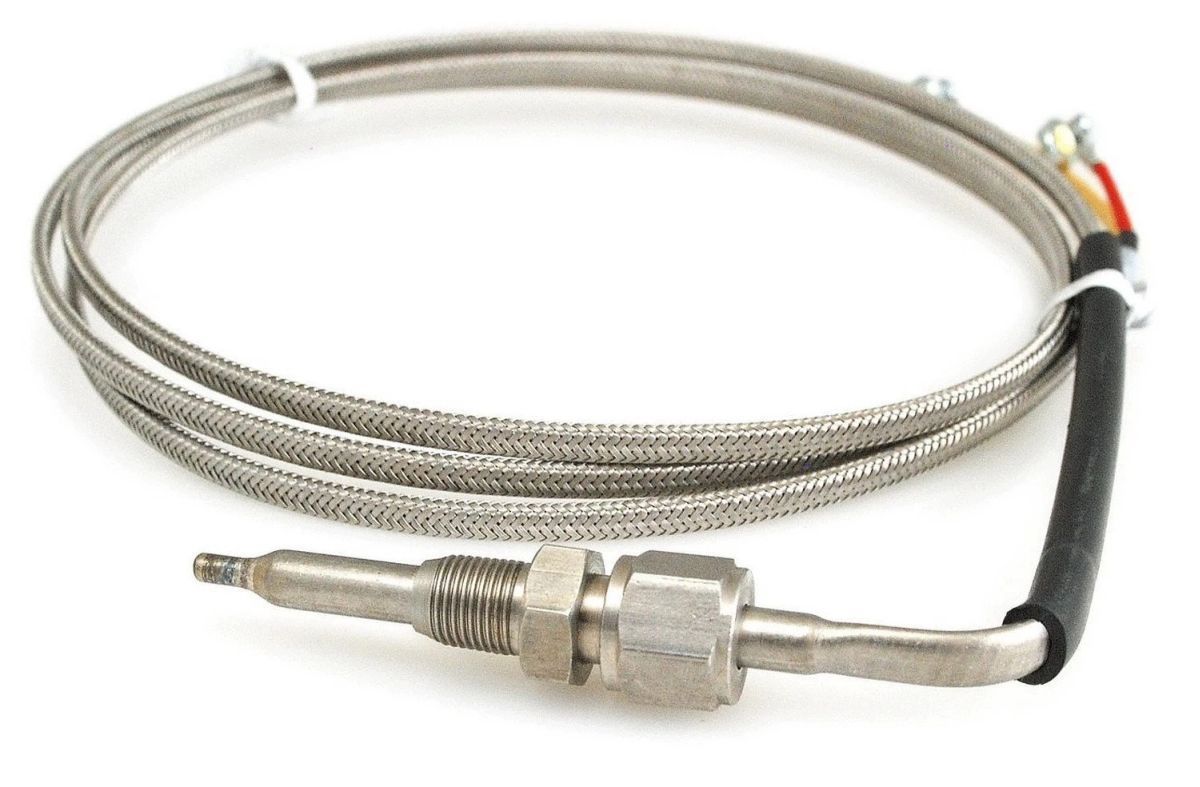
The Exhaust Gas Temperature (EGT) sensor is an important component of a modern vehicle’s engine and emissions management system. Its main purpose is to measure the temperature of exhaust gases at a specific point in the exhaust system and send this information to the engine control unit (ECU).
The ECU uses EGT information to protect the engine, turbocharger, catalytic converter, diesel particulate filter (DPF), and other exhaust components from excessive temperatures.
EGT sensors are especially common in modern turbocharged diesel and gasoline engines, where exhaust temperature can become extremely high under heavy load.
What Does an EGT Sensor Do?
An EGT sensor continuously or periodically measures exhaust gas temperature.
The ECU can use this information for several purposes, including:
-
Protecting the turbocharger from excessive heat
-
Controlling fuel injection
-
Managing exhaust emissions
-
Protecting the catalytic converter
-
Controlling DPF regeneration
-
Monitoring SCR and other emissions systems
-
Adjusting engine operating strategies
-
Detecting abnormal combustion or exhaust temperatures
The exact number and location of EGT sensors varies depending on the engine and emissions system.
Some vehicles have only one EGT sensor, while others can have several sensors positioned at different points in the exhaust system.
Where Is the EGT Sensor Located?
An EGT sensor is installed directly in the exhaust system.
Depending on the vehicle, it may be located:
-
Near the exhaust manifold
-
Before the turbocharger
-
After the turbocharger
-
Before the catalytic converter
-
After the catalytic converter
-
Before the DPF
-
After the DPF
-
Around the SCR system
Diesel vehicles with advanced emissions systems can have multiple EGT sensors.
For example, a vehicle may use one sensor before the DPF and another after the DPF so that the ECU can monitor temperature changes during regeneration.
How Does an EGT Sensor Work?
Many EGT sensors work by using a temperature-sensitive electrical element.
As exhaust temperature changes, the electrical characteristics of the sensor change. The ECU monitors the sensor signal and calculates the corresponding exhaust temperature.
Depending on the design, EGT sensors may use different technologies, including thermocouple and thermistor-based designs.
The ECU does not simply use the temperature reading for display. It uses the information as part of a larger control strategy.
This is why an EGT sensor problem can sometimes affect engine operation even when the vehicle appears to run normally.
Why Is Exhaust Temperature Important?
Exhaust temperature can provide important information about what is happening inside the engine and exhaust system.
Excessive exhaust temperature can damage or accelerate deterioration of components such as:
-
Turbocharger
-
Exhaust valves
-
Catalytic converter
-
DPF
-
Exhaust manifold
-
Exhaust sensors
-
SCR components
At the same time, insufficient exhaust temperature can prevent certain emissions-control processes from operating correctly.
For example, DPF regeneration requires exhaust temperatures to reach specific levels. The ECU therefore needs reliable temperature information before and during the regeneration process.
What Are the Symptoms of a Bad EGT Sensor?
An EGT sensor can fail electrically, mechanically, or because of contamination and extreme heat exposure.
Common symptoms include:
-
Check engine light
-
EGT sensor-related diagnostic trouble codes
-
DPF regeneration problems
-
Reduced engine performance
-
Limp mode
-
Increased fuel consumption
-
Poor throttle response
-
Incorrect exhaust temperature readings
-
Cooling fan operation in some vehicles
-
Increased emissions
-
Turbocharger protection strategies
-
Difficulty completing DPF regeneration
The exact symptoms depend on which sensor has failed and how the ECU responds to an implausible temperature signal.
Check Engine Light
One of the most common signs of EGT sensor failure is the check engine light.
If the ECU detects that the sensor signal is outside its expected range, it can store a diagnostic trouble code.
The ECU may also detect a problem when the temperature reading does not make sense compared with other engine parameters.
For example, an exhaust temperature reading that remains extremely low after the engine has been operating under heavy load may indicate a sensor or wiring problem.
DPF Regeneration Problems
EGT sensors are particularly important on diesel vehicles equipped with a Diesel Particulate Filter (DPF).
During active DPF regeneration, the ECU deliberately increases exhaust temperature to burn accumulated soot inside the filter.
The ECU needs accurate temperature information to determine whether the regeneration process is reaching the required temperature and whether the DPF is being protected from excessive heat.
If an EGT sensor provides an incorrect reading, the ECU may:
-
Refuse to start regeneration
-
Interrupt regeneration
-
Extend regeneration time
-
Trigger a DPF warning
-
Store an emissions-related fault code
-
Enter a protection strategy
This means that an EGT sensor fault can sometimes appear to be a DPF problem even when the DPF itself is not defective.
Reduced Engine Power
Some vehicles may reduce engine power when an EGT sensor fails.
This is generally a protective strategy.
If the ECU cannot reliably determine exhaust temperature, it may assume that a potentially dangerous temperature condition exists or may be unable to safely control certain engine functions.
Depending on the vehicle, this can result in:
-
Reduced boost
-
Limited engine torque
-
Restricted RPM
-
Limp-home mode
-
Changes in fuel injection strategy
Not every vehicle will reduce power when an EGT sensor fails.
Increased Fuel Consumption
A faulty EGT sensor can sometimes contribute to increased fuel consumption.
This may happen because the ECU receives incorrect temperature information and changes engine or emissions-control strategies.
For example, an incorrect temperature signal can affect DPF regeneration behavior on a diesel vehicle.
Repeated or incomplete regeneration cycles can increase fuel consumption because additional fuel may be used to raise exhaust temperature.
Poor Throttle Response
An EGT sensor fault may cause poor or inconsistent throttle response in some vehicles.
The ECU can use exhaust temperature information when managing turbocharger boost, fuel delivery, emissions systems, and protection strategies.
If the ECU detects an unreliable temperature signal, it may limit certain functions.
The driver may then notice slower acceleration or an unusual response from the accelerator pedal.
Turbocharger Protection
Turbochargers operate under extremely demanding temperature and pressure conditions.
An EGT sensor located near the turbocharger can provide valuable information for protecting the turbocharger from excessive thermal stress.
If the ECU detects an abnormally high temperature—or loses confidence in the temperature measurement—it may reduce boost or modify engine operation.
Therefore, an EGT sensor fault should not automatically be treated as a minor sensor issue.
EGT Sensor Diagnostic Trouble Codes
EGT sensor faults can produce different diagnostic trouble codes depending on the vehicle manufacturer and sensor position.
Common fault descriptions include:
-
Exhaust Gas Temperature Sensor Circuit High
-
Exhaust Gas Temperature Sensor Circuit Low
-
Exhaust Gas Temperature Sensor Range/Performance
-
Exhaust Gas Temperature Sensor Circuit Malfunction
-
Exhaust Gas Temperature Sensor Intermittent
-
Implausible Exhaust Gas Temperature
Some vehicles identify individual sensors by position or bank, such as:
-
Sensor 1
-
Sensor 2
-
Sensor 3
-
Bank 1
-
Bank 2
The exact code definition should always be checked against the specific vehicle.
What Causes EGT Sensor Failure?
EGT sensors operate in one of the harshest environments in the vehicle.
They are exposed to very high temperatures, exhaust pressure, vibration, and chemical contaminants.
Common causes of failure include:
Extreme heat
Repeated exposure to high exhaust temperatures can eventually damage the sensing element.
Age and thermal cycling
Repeated heating and cooling cycles can weaken the sensor over time.
Wiring damage
The wiring near the exhaust system is exposed to considerable heat. Melted insulation, broken wires, or damaged connectors can cause an EGT fault.
Connector corrosion
Moisture and contamination can cause poor electrical connections.
Physical damage
A sensor can be damaged during exhaust, turbocharger, DPF, or catalytic-converter repairs.
Carbon and soot contamination
Deposits can affect the sensor depending on its design and location.
Incorrect installation
A sensor that is incorrectly installed, over-tightened, or damaged during installation may fail prematurely.
Exhaust system modifications
Changes to the exhaust system, turbocharger, DPF, catalytic converter, or engine calibration can alter exhaust temperatures and sensor operating conditions.
Can an EGT Sensor Be Tested?
Yes.
An EGT sensor can be tested using diagnostic equipment and, depending on the sensor design, electrical test equipment.
A technician can compare:
-
EGT sensor temperature
-
Coolant temperature
-
Intake air temperature
-
Other EGT sensors
-
Exhaust temperature before and after emissions components
-
Engine load
-
RPM
Live data is particularly useful.
For example, if several temperature sensors show realistic values while one sensor reports an obviously unrealistic temperature, the faulty sensor or its circuit becomes a strong suspect.
Checking the EGT Sensor Wiring
The sensor itself is not always the problem.
Because EGT sensors are installed close to the exhaust, their wiring is exposed to severe heat.
A diagnostic inspection should therefore include:
-
Connector condition
-
Wiring insulation
-
Broken wires
-
Short circuits
-
Open circuits
-
Corrosion
-
Loose terminals
-
Evidence of heat damage
Replacing the sensor without checking the wiring can result in the same fault returning.
Can a Bad EGT Sensor Damage the Engine?
A failed EGT sensor does not automatically mean that the engine will be damaged.
However, ignoring the problem can create secondary issues depending on the vehicle.
For example, an incorrect EGT reading may affect:
-
DPF regeneration
-
Turbocharger protection
-
Fuel injection
-
Emissions control
-
Catalytic converter temperature management
If the sensor causes repeated regeneration problems or incorrect engine-control strategies, additional components can eventually be affected.
EGT Sensor vs Coolant Temperature Sensor
These two sensors measure completely different temperatures.
The coolant temperature sensor measures engine coolant temperature and helps the ECU determine engine operating temperature.
The EGT sensor measures exhaust gas temperature.
An engine can have a normal coolant temperature while exhaust gas temperature is extremely high.
This is why the two sensors cannot be used interchangeably.
EGT Sensor vs Oxygen Sensor
An EGT sensor measures temperature.
An oxygen sensor measures the oxygen content of exhaust gases and helps the ECU determine the air-fuel mixture or monitor emissions-system operation.
They may be installed near each other in some exhaust systems, but they perform completely different functions.
How Long Does an EGT Sensor Last?
There is no universal replacement interval for EGT sensors.
Their lifespan depends heavily on:
-
Engine design
-
Exhaust temperature
-
Driving conditions
-
Turbocharger operation
-
DPF regeneration frequency
-
Sensor quality
-
Exhaust system condition
-
Wiring condition
Vehicles that regularly operate under heavy loads or perform frequent DPF regeneration can expose EGT sensors to significant thermal stress.
Should an EGT Sensor Be Replaced Immediately?
If the ECU has confirmed an EGT sensor fault, the problem should be diagnosed rather than simply ignored.
However, replacing the sensor immediately without testing is not always the correct approach.
The fault may be caused by:
-
Sensor failure
-
Wiring damage
-
Connector problems
-
Incorrect installation
-
Exhaust system problems
-
A related emissions-system fault
A proper diagnosis identifies the actual cause before parts are replaced.
Can You Drive With an EGT Sensor Fault?
Whether the vehicle can be driven depends on the specific fault and vehicle.
If the vehicle runs normally and only a warning light is present, it may still be possible to drive it temporarily.
However, continued driving is not recommended if there are additional symptoms such as:
-
Limp mode
-
Major power loss
-
Excessive smoke
-
Turbocharger problems
-
Severe overheating
-
DPF warning
-
Flashing engine warning light
An EGT fault should be investigated, particularly on a diesel vehicle where the sensor plays an important role in DPF regeneration.
Final Thoughts
The Exhaust Gas Temperature (EGT) sensor is a small component with an important role in modern engine and emissions management.
It measures exhaust temperature and provides the ECU with information needed to protect the turbocharger and exhaust components while controlling systems such as the catalytic converter and DPF.
Check engine lights, DPF regeneration problems, reduced power, increased fuel consumption, and EGT-related diagnostic trouble codes can all indicate a problem with the sensor or its circuit.
Because the sensor operates in an extremely hot environment, both the sensor and its wiring should be inspected carefully during diagnosis. A faulty EGT sensor should not simply be replaced based on a fault code alone; the complete circuit and related exhaust-system components should also be checked.