TR
TR EN
EN

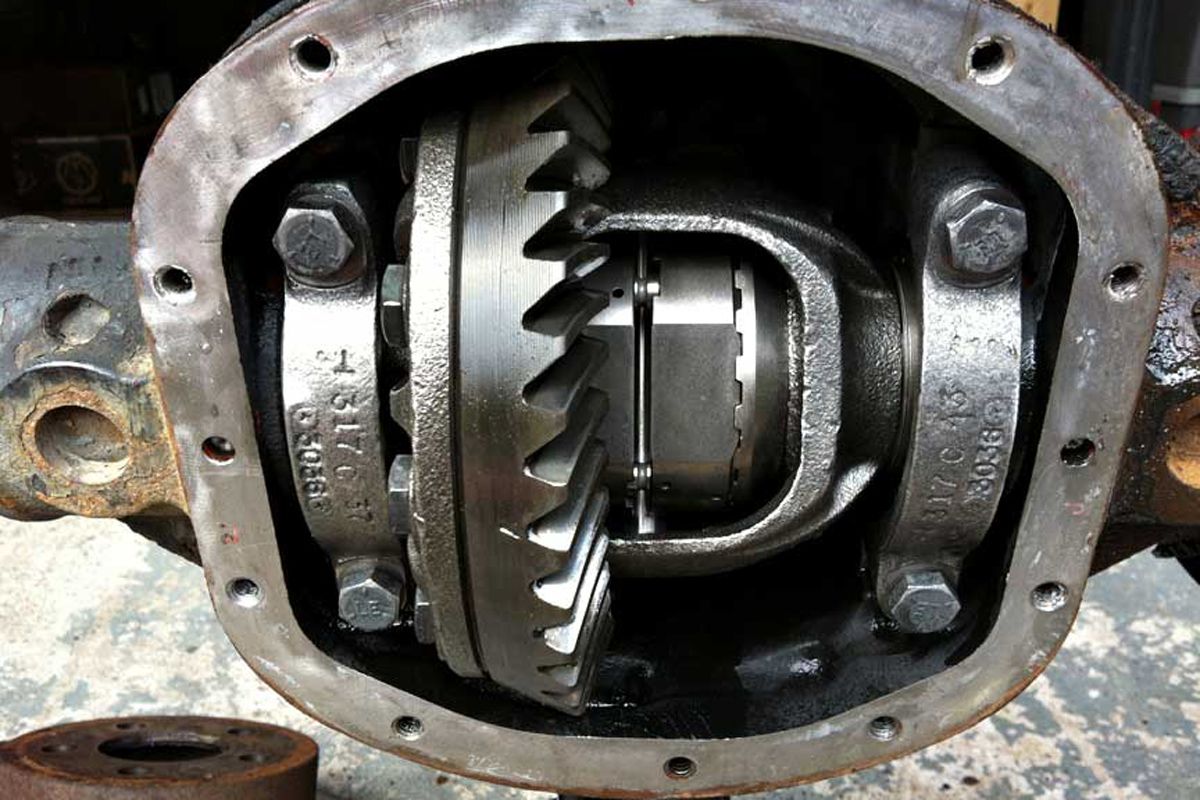
What Is a Differential? Differential Failure Symptoms
A differential is one of the most important components in a vehicle’s drivetrain. Its main purpose is to transfer power from the transmission to the driven wheels while allowing the left and right wheels to rotate at different speeds when necessary.
This difference in wheel speed becomes especially important when the vehicle turns. During a corner, the outside wheel travels a longer distance than the inside wheel. Therefore, the outside wheel needs to rotate faster. Without a differential, the tires would have to slip across the road surface to compensate for the difference in distance.
A properly functioning differential provides smooth power delivery, reduces tire scrub, and prevents unnecessary stress on the drivetrain.
Differential problems can develop gradually or appear suddenly. Common symptoms include whining, humming, grinding, clunking, vibration, oil leakage, and noises that change when accelerating or releasing the throttle.
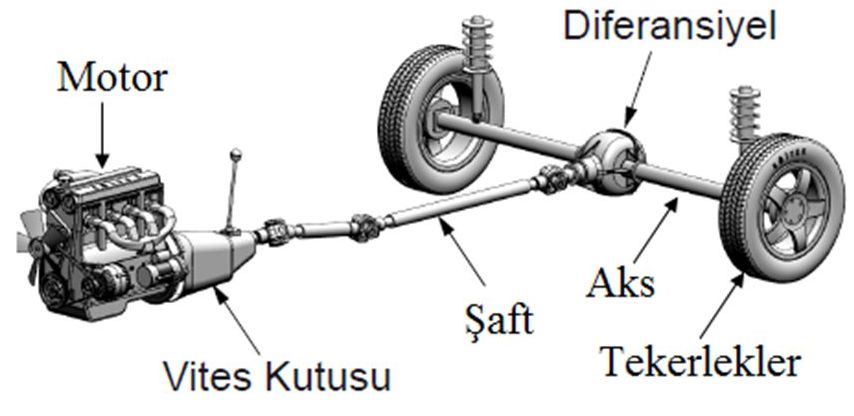
What Does a Differential Do?
The differential performs several important functions within the drivetrain.
Its primary functions are:
-
Transferring engine torque to the driven wheels.
-
Allowing the left and right wheels to rotate at different speeds.
-
Reducing tire scrub during cornering.
-
Reducing stress on axles and other drivetrain components.
-
Providing smoother and more predictable vehicle operation.
The exact design varies depending on whether the vehicle is front-wheel drive, rear-wheel drive, or all-wheel drive.
How Does a Differential Work?

A conventional differential contains several gears that work together to distribute torque between the two driven wheels.
Power enters the differential through the pinion gear and is transferred to the ring gear. Inside the differential assembly, side gears and differential gears allow the two axle shafts to rotate at different speeds.
When the vehicle is traveling straight, both wheels generally rotate at approximately the same speed.
When the vehicle enters a corner, the differential allows the outside wheel to rotate faster than the inside wheel. This is necessary because the outside wheel travels a greater distance.
For example, when turning left, the left-side wheel follows a shorter path while the right-side wheel travels along a longer path. The differential automatically accommodates this difference.
Why Does a Differential Fail?
Differentials are designed to withstand considerable loads, but their gears, bearings, and other components can wear over time.
One of the most common causes of differential problems is insufficient or degraded differential oil. The gears and bearings require proper lubrication to operate correctly. If the oil level becomes too low, friction and operating temperatures can increase significantly.
Common causes of differential failure include:
-
Low differential oil level
-
Oil leaks
-
Old or contaminated differential oil
-
Incorrect differential lubricant
-
Worn bearings
-
Worn or damaged gears
-
Excessive drivetrain loads
-
High torque and repeated hard acceleration
-
Incorrect gear mesh or differential adjustment
-
Physical impact or mechanical damage
-
Excessive towing or heavy-load operation
A relatively small oil leak can eventually cause serious internal damage if it is ignored.
Differential Failure Symptoms
Differential problems can produce different symptoms depending on whether the issue involves the gears, bearings, seals, housing, or lubrication system.
Some noises may only occur at a particular speed, while others may become more noticeable during acceleration or deceleration.
The most common symptoms include the following.
Whining or Humming Noise
A whining or humming noise is one of the most recognizable signs of a differential problem.
The sound may become louder as vehicle speed increases. In some cases, it changes depending on whether the driver is accelerating, maintaining speed, or releasing the accelerator.
A differential bearing problem can produce a continuous humming or rumbling sound, while worn gear teeth or incorrect gear mesh may create a more pronounced whining noise.
The location of the sound is important because wheel bearings, tires, transmission components, and CV joints can produce similar noises.
Grinding or Growling
Grinding, growling, or harsh mechanical noises can indicate more serious internal wear.
Possible causes include:
-
Damaged gear teeth
-
Severely worn bearings
-
Insufficient lubrication
-
Metal particles in the differential oil
-
Incorrect gear alignment
If grinding becomes noticeable, continued driving can increase the damage considerably.
Clunking or Knocking
A clunking noise when accelerating, decelerating, or changing between forward and reverse can indicate excessive play within the drivetrain.
The differential itself may be responsible, but other components can produce similar symptoms.
Possible sources include:
-
Differential gear backlash
-
Worn differential gears
-
Worn axle components
-
Worn driveshaft joints
-
Worn CV joints
-
Loose drivetrain components
-
Worn differential mounts
Therefore, the entire drivetrain should be inspected before replacing the differential.
Vibration
A failing differential can sometimes cause vibration, particularly at certain vehicle speeds or under acceleration.
However, vibration is not specific to differential failure. Unbalanced wheels, damaged tires, worn driveshaft components, bent axles, wheel bearings, and suspension problems can produce similar symptoms.
For this reason, vibration should be diagnosed together with other symptoms rather than automatically attributed to the differential.
Differential Oil Leakage
Oil leakage is one of the symptoms that should not be ignored.
Differentials use seals and gaskets to keep the lubricant inside the housing. As seals age, they can become hard or damaged and begin to leak.
Common leakage areas include:
-
Axle seals
-
Pinion seal
-
Differential cover or gasket
-
Housing joints
-
Drain or fill plugs
A low oil level can eventually lead to gear and bearing failure.
Burning Smell
A burning smell from the drivetrain area can sometimes indicate overheating caused by insufficient lubrication.
When differential oil is low or severely degraded, internal components may operate with increased friction. The resulting heat can cause the remaining lubricant to deteriorate even further.
A burning smell should be investigated promptly, especially if it is accompanied by unusual noises.
Metal Particles in Differential Oil
During a differential oil change, the drained lubricant can provide valuable information about the condition of the internal components.
A small amount of fine metallic material may indicate normal wear, depending on the differential design and service history. However, significant metal particles, chunks of metal, or visible gear material are warning signs.
If the oil contains substantial metallic debris, the differential should be inspected for internal gear or bearing damage.
Noise When Accelerating
A differential may produce a noticeable whine or humming sound specifically under acceleration.
This can be related to gear contact, bearing wear, incorrect preload, or excessive backlash.
The fact that the noise appears only under load is an important diagnostic clue.
Noise When Releasing the Accelerator
Some differential problems become more obvious when the accelerator pedal is released.
A change in noise between acceleration and deceleration can help a technician determine whether the problem is related to gear contact, backlash, bearings, or another drivetrain component.
This is why it is useful to describe exactly when the noise occurs rather than simply reporting that the differential is noisy.
How Is a Differential Problem Diagnosed?
A proper diagnosis should begin with a complete inspection rather than immediately replacing the differential.
A technician may perform the following checks:
Visual inspection
The differential housing, seals, axle areas, driveshaft connections, and surrounding components should be checked for oil leaks or physical damage.
Oil level inspection
The differential lubricant should be checked to determine whether the level is correct.
Oil condition inspection
The color, smell, consistency, and presence of metallic debris can provide clues about internal wear.
Road test
The vehicle can be driven under controlled conditions to determine whether the noise appears during:
-
Acceleration
-
Constant-speed driving
-
Deceleration
-
Cornering
-
Low-speed operation
-
High-speed operation
Mechanical inspection
If necessary, the differential can be removed and disassembled to inspect the gears, bearings, seals, and internal components.
Differential Noise Does Not Always Mean Differential Failure
One of the most important points in diagnosis is that several other components can produce noises that sound similar to differential problems.
A worn wheel bearing, for example, can create a humming sound that increases with vehicle speed.
A damaged CV joint may produce clicking during turns.
A driveshaft or universal joint problem can cause vibration or clunking.
Tire wear can also create a humming or rumbling sound that may be mistaken for drivetrain noise.
For this reason, the source of the noise should be confirmed before expensive differential repairs are performed.
Can a Differential Be Repaired?
Yes. A differential does not necessarily have to be replaced as a complete assembly.
Depending on the damage, repairs may involve replacing:
-
Bearings
-
Seals
-
Differential gears
-
Side gears
-
Pinion components
-
Ring and pinion gears
-
Gaskets
-
Differential oil
If the housing is severely damaged or several internal components are worn, replacing the complete differential assembly may be more economical.
The correct repair depends on the type and extent of the damage.
How Long Does a Differential Last?
There is no universal mileage at which a differential must be replaced.
A well-maintained differential can last for a very long time. Its service life depends on vehicle design, driving style, load, towing conditions, lubricant quality, and maintenance history.
Regularly checking for leaks and using the correct lubricant are among the most important ways to protect the differential.
Vehicles that frequently carry heavy loads, tow trailers, or operate under severe conditions may place considerably more stress on the differential.
Can You Drive With a Bad Differential?
Driving with a minor differential noise may be possible for a limited period, but ignoring the problem is risky.
If the problem is caused by low oil or early bearing wear, continued operation can turn a relatively manageable repair into extensive gear and housing damage.
Severe grinding, strong vibration, significant oil leakage, or rapidly worsening noise should be treated as reasons to stop using the vehicle until it has been inspected.
A differential failure can also affect the vehicle’s ability to transfer power safely to the wheels.
How to Prevent Differential Problems
Regular maintenance can significantly reduce the likelihood of serious differential damage.
Important precautions include:
-
Check for oil leaks periodically.
-
Use the lubricant specified by the vehicle manufacturer.
-
Maintain the correct oil level.
-
Replace differential oil at the recommended service interval when applicable.
-
Avoid ignoring new drivetrain noises.
-
Inspect the differential after severe impacts.
-
Pay attention to vibration or clunking during acceleration.
-
Use the correct lubricant for limited-slip differentials when required.
Limited-slip and electronically controlled differentials can have specific lubricant requirements, so using the wrong oil can cause abnormal operation or accelerated wear.
Differential vs. Transmission
The differential and transmission are related but perform different jobs.
The transmission changes the gear ratio between the engine and the wheels. This allows the engine to operate within an appropriate RPM range under different driving conditions.
The differential, on the other hand, distributes the transmitted power to the driven wheels and allows them to rotate at different speeds during cornering.
In some vehicles, particularly front-wheel-drive vehicles, the differential is integrated into the transmission or transaxle assembly. In rear-wheel-drive vehicles, it is commonly housed separately at the rear axle.
Final Thoughts
The differential is a critical drivetrain component that allows the driven wheels to rotate at different speeds while transferring engine power to them.
Whining, humming, grinding, clunking, vibration, oil leakage, and unusual noises during acceleration or deceleration can all indicate a potential differential problem.
However, these symptoms can also originate from wheel bearings, CV joints, driveshafts, tires, or other drivetrain components. Therefore, an accurate diagnosis should identify the actual source before any major component is replaced.
Regular lubrication checks, proper differential oil, leak inspection, and timely attention to unusual noises can help prevent minor problems from developing into expensive differential repairs.