TR
TR EN
EN


Common Symptoms of a Worn Timing Belt
A timing belt is one of the most important components in an internal combustion engine. It synchronizes the crankshaft with the camshaft so that the engine valves open and close at precisely the correct time.
Unlike many mechanical components, a timing belt can become severely worn without producing obvious symptoms. In some cases, the belt may appear to work normally until it suddenly fails. However, certain warning signs can indicate that the timing belt, tensioner, idler pulleys, or related components need to be inspected.
1. Unusual Noise From the Engine
A properly functioning timing belt should operate relatively quietly. Abnormal sounds from the timing belt area may indicate excessive wear, incorrect tension, damaged belt teeth, or a problem with a tensioner or idler pulley.
Possible noises include:
-
Ticking
-
Squealing
-
Whining
-
Rattling
-
Grinding
-
Scraping
-
Rhythmic clicking
If the noise changes with engine RPM, the timing system should be inspected.
However, it is important not to assume that every noise from the front of the engine is caused by the timing belt. The serpentine belt, alternator, water pump, tensioner, or other accessories can produce similar sounds.
2. Visible Cracks or Surface Damage
If the timing belt can be inspected safely, physical deterioration is an important warning sign.
A worn timing belt may show:
-
Small cracks between or across the teeth
-
Frayed edges
-
Missing pieces of rubber
-
Damaged or rounded teeth
-
Glossy or hardened rubber
-
Excessive wear on the belt surface
-
Oil contamination
-
Coolant contamination
-
Separation of belt layers
Cracking and fraying indicate that the belt material is deteriorating. A belt that looks significantly damaged should not be considered safe simply because the engine is still running normally.
Modern timing belts can also deteriorate internally, meaning that visual inspection alone cannot always determine their remaining service life.
3. Rough or Uneven Engine Operation
The timing belt maintains the relationship between the crankshaft and camshaft. If the belt stretches excessively, the teeth become damaged, or the belt jumps over one or more teeth, valve timing can become incorrect.
This may cause:
-
Rough idle
-
Engine vibration
-
Misfires
-
Hesitation
-
Poor throttle response
-
Reduced engine performance
-
Difficulty maintaining a stable idle
These symptoms are not exclusive to timing belt problems. Ignition faults, fuel-system problems, vacuum leaks, injector problems, and sensor failures can produce similar symptoms.
4. Difficulty Starting the Engine
Incorrect valve timing can make an engine difficult to start.
You may notice that the engine:
-
Takes longer to start
-
Requires several attempts to start
-
Runs poorly immediately after starting
-
Starts and then stalls
-
Suddenly refuses to start
If the timing belt has jumped significantly, the engine may crank normally but fail to start because the valve timing is no longer correct.
A suddenly different cranking sound is particularly important. If the engine appears to crank faster and with less resistance than normal, a serious timing-related problem should be considered.
5. Loss of Engine Power
Incorrect valve timing can prevent the engine from breathing efficiently.
As a result, the vehicle may experience:
-
Weak acceleration
-
Reduced power at higher RPM
-
Poor throttle response
-
Difficulty climbing hills
-
Reduced engine performance under load
-
Increased fuel consumption
A small timing error may produce relatively subtle performance changes, while a larger timing error can cause severe running problems or prevent the engine from starting.
6. Engine Misfires
A timing belt that has jumped a tooth can change the relationship between piston movement and valve operation.
The engine may then develop misfires, particularly during:
-
Acceleration
-
Cold starts
-
High engine load
-
Higher RPM
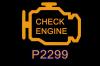
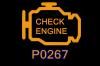
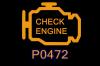
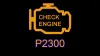
The Check Engine Light may also illuminate and diagnostic trouble codes related to engine misfires or camshaft/crankshaft correlation may be stored.
For example, the engine control module may detect that the camshaft position does not correspond correctly with the crankshaft position.
7. Check Engine Light
A timing problem can sometimes trigger the Check Engine Light.
Depending on the vehicle, diagnostic trouble codes may indicate:
-
Camshaft position problems
-
Crankshaft position problems
-
Camshaft/crankshaft correlation errors
-
Variable valve timing performance problems
-
Engine misfires
A correlation code does not automatically mean that the timing belt itself is defective. A faulty camshaft sensor, crankshaft sensor, variable valve timing component, wiring problem, or mechanical timing issue can produce similar codes.
Therefore, the code should be used as a diagnostic clue rather than as proof that the timing belt needs replacement.
8. Oil or Coolant Contamination
Timing belts are designed to operate dry on most engines. Oil or coolant contamination can accelerate deterioration of the belt material.
Possible sources include:
-
Camshaft seals
-
Crankshaft seals
-
Water pump leaks
-
Coolant leaks
-
Other engine oil leaks near the timing cover
A belt contaminated with oil or coolant may lose its mechanical strength and should be inspected carefully.
Replacing the belt without repairing the source of the contamination can allow the replacement belt to deteriorate prematurely.
9. Visible Belt Dust or Rubber Debris
A severely deteriorating timing belt can produce rubber particles or debris inside the timing belt cover.
If unusual belt material is found during inspection, the condition of the belt and the entire timing system should be evaluated.
The tensioner and idler pulleys should also be checked because a failing pulley can damage a relatively new belt.
10. Problems With the Timing Belt Tensioner or Idler Pulleys
Sometimes what appears to be a timing belt problem is actually caused by another component in the timing system.
The timing belt system may include:
-
Timing belt
-
Automatic or manual tensioner
-
Idler pulleys
-
Water pump
-
Camshaft gears
-
Crankshaft timing gear
A worn tensioner or seized idler pulley can create abnormal noise, belt misalignment, uneven wear, or excessive belt movement.
For this reason, replacing only the belt may not be sufficient if other timing components are worn.
Can a Timing Belt Look Fine but Still Be Bad?
Yes.
A timing belt can look acceptable from the outside while its internal reinforcement or rubber structure has deteriorated.
Age, heat cycles, mileage, contamination, and operating conditions all affect belt life.
This is why manufacturers specify a replacement interval based on mileage, time, or both. Waiting for visible cracks or obvious symptoms is not a reliable replacement strategy.
What Happens If the Timing Belt Jumps a Tooth?
If the belt jumps over one or more teeth, the camshaft timing changes.
The engine may continue running, but it can develop:
-
Rough idle
-
Misfires
-
Poor acceleration
-
Loss of power
-
Increased fuel consumption
-
Difficulty starting
The severity depends on the engine design and how far the timing has shifted.
A timing belt that has jumped should be treated as a mechanical timing problem rather than simply a worn-belt problem.
What Happens If the Timing Belt Breaks?
A broken timing belt immediately stops the camshaft from rotating correctly while the crankshaft may continue to rotate.
On an interference engine, this can allow the pistons and valves to collide, potentially causing severe internal engine damage.
Possible damage includes:
-
Bent valves
-
Damaged valve guides
-
Damaged pistons
-
Broken rocker arms or followers
-
Cylinder-head damage
-
In severe cases, extensive engine damage
Not every engine is an interference engine, so the consequences of a broken timing belt depend on the specific engine design.
How Is a Worn Timing Belt Diagnosed?
Diagnosis should begin with the vehicle's maintenance history.
The technician should determine:
-
When the timing belt was last replaced
-
The vehicle's current mileage
-
Whether the recommended replacement interval has been exceeded
-
Whether there are abnormal noises
-
Whether the engine has developed performance problems
-
Whether oil or coolant contamination is present
-
Whether timing-related fault codes are stored
If access is possible, the belt and related components can be visually inspected. Mechanical timing can also be checked when symptoms or diagnostic evidence suggest that the belt has jumped.
On many modern engines, however, much of the timing system is enclosed and cannot be properly evaluated without removing covers or following the manufacturer's inspection procedure.
When Should a Timing Belt Be Replaced?
A timing belt should generally be replaced according to the vehicle manufacturer's specified mileage and time interval, even if there are no symptoms.
The correct interval varies significantly between engines. It may depend on:
-
Engine design
-
Belt material
-
Vehicle model and year
-
Mileage
-
Age
-
Operating conditions
-
Manufacturer recommendations
There is no single universal mileage interval that applies to every timing belt.
When the belt is replaced, it is often sensible to inspect or replace the tensioner, idler pulleys, and water pump when these components are driven by the timing belt, depending on the engine design and manufacturer's recommendations.
Can You Keep Driving With a Worn Timing Belt?
This depends on the condition of the belt and the symptoms.
If the belt is visibly damaged, contaminated, severely worn, making abnormal noises, or suspected of having jumped timing, continued driving is not advisable.
The main concern is that a timing belt can deteriorate further and fail without much additional warning.
A belt failure can leave the vehicle stranded and, on an interference engine, may result in expensive internal engine damage.
Final Thoughts
A worn timing belt may cause unusual noises, rough running, difficult starting, reduced engine performance, misfires, or timing-related fault codes. However, one of the most important facts about timing belts is that they do not always provide clear warning signs before failure.
For that reason, the manufacturer's replacement interval is more important than waiting for symptoms.
If a timing belt is overdue, visibly damaged, contaminated with oil or coolant, or suspected of having jumped a tooth, the timing system should be inspected before the vehicle is driven further. Correct diagnosis is especially important because the tensioner, idler pulleys, water pump, sensors, and other components can produce symptoms that resemble a timing belt problem.