TR
TR EN
EN

How to Bleed a Hydraulic Clutch?
A hydraulic clutch uses brake/clutch fluid and hydraulic pressure to transfer the driver's pedal movement to the clutch release mechanism. When air enters the hydraulic system, the clutch pedal may become soft, spongy, or inconsistent, and the clutch may not fully disengage.
Bleeding the hydraulic clutch removes trapped air from the system and restores proper hydraulic pressure.
Why Does Air Get Into a Hydraulic Clutch System?
A properly sealed hydraulic clutch system should not normally contain air.
Air can enter the system because of:
-
Low clutch fluid level
-
Hydraulic fluid leakage
-
Replacement of the clutch master cylinder
-
Replacement of the clutch slave cylinder
-
Replacement of a hydraulic clutch line
-
Incorrectly performed repairs
-
A damaged hose or pipe
-
A leaking hydraulic connection
-
A master-cylinder seal failure
-
A slave-cylinder seal failure
Air can also enter when the fluid reservoir becomes completely empty during maintenance.
What Are the Symptoms of Air in the Clutch System?
Air in the hydraulic clutch system can produce several noticeable symptoms.
Common symptoms include:
-
Soft clutch pedal
-
Spongy pedal feel
-
Clutch pedal staying close to the floor
-
Clutch engagement point changing
-
Difficulty selecting gears
-
Difficulty shifting into first gear
-
Difficulty selecting reverse
-
Grinding when selecting a gear
-
Clutch not fully disengaging
-
Pedal becoming temporarily harder after repeated pumping
If pumping the clutch pedal several times temporarily improves clutch operation, trapped air or a hydraulic problem should be suspected.
What Is Needed to Bleed a Hydraulic Clutch?
The exact equipment depends on the vehicle, but the basic tools usually include:
-
Correct clutch or brake fluid
-
Suitable wrench for the bleeder screw
-
Transparent bleeding hose
-
A clean container
-
Protective gloves
-
Shop towels
-
A suitable fluid reservoir or pressure bleeder if available
Always use the fluid specification specified by the vehicle manufacturer.
Many hydraulic clutch systems use the same fluid reservoir as the brake system, while others have a separate clutch reservoir.
Where Is the Clutch Bleeder Screw?
The bleeder screw is usually located on the clutch slave cylinder or hydraulic clutch assembly.
Depending on the vehicle, the slave cylinder may be:
-
Mounted externally on the transmission
-
Mounted near the clutch fork
-
Integrated inside the transmission as a concentric slave cylinder
An externally mounted slave cylinder is generally easier to bleed.
A concentric slave cylinder is located inside the transmission bell housing, and access to the bleeding point varies considerably between vehicles.
Before Bleeding the Clutch
Before starting the bleeding process, inspect the entire hydraulic system.
Check:
-
Fluid level
-
Master cylinder
-
Hydraulic lines
-
Hose connections
-
Slave cylinder
-
Bleeder screw
-
Reservoir
-
Visible fluid leaks
If there is an active leak, bleeding the system alone will not solve the problem.
The system must first be repaired.
Step-by-Step Hydraulic Clutch Bleeding
The traditional two-person method is one of the simplest ways to bleed a hydraulic clutch.
1. Locate the Fluid Reservoir
Find the clutch fluid reservoir.
On some vehicles, the clutch and brake systems share the same reservoir. In this case, make sure the fluid level remains safely above the minimum mark throughout the bleeding process.
Never allow the reservoir to run empty while bleeding.
If it becomes empty, air can enter the system again and the bleeding process may need to be repeated.
2. Locate the Bleeder Screw
Find the clutch slave-cylinder bleeder screw.
Clean the area around the screw before opening it.
This prevents dirt from entering the hydraulic system.
3. Attach the Bleeding Hose
Place one end of a transparent hose over the bleeder screw.
Put the other end into a clean container.
Ideally, the end of the hose should remain positioned so that expelled fluid does not flow back toward the bleeder.
The transparent hose is useful because it allows you to see air bubbles leaving the system.
4. Pump the Clutch Pedal
Ask an assistant to slowly press the clutch pedal several times.
After several pumps, the assistant should hold the pedal down.
Do not allow the pedal to be released while the bleeder screw is open.
5. Open the Bleeder Screw
While the clutch pedal is being held down, slightly loosen the bleeder screw.
Hydraulic fluid and air should flow through the hose.
You may see:
-
Air bubbles
-
Foam
-
Fluid
-
A combination of air and fluid
Once the flow decreases, close the bleeder screw before the assistant releases the clutch pedal.
This sequence is important.
If the pedal is released while the bleeder screw is still open, air can potentially be drawn back into the system.
6. Repeat the Process
Repeat the process:
-
Pump the clutch pedal.
-
Hold the pedal down.
-
Open the bleeder screw.
-
Allow air and fluid to escape.
-
Close the bleeder screw.
-
Release the pedal.
-
Check the fluid level.
Continue until the fluid leaving the system is free of visible air bubbles.
Do Not Let the Reservoir Run Dry
This is one of the most important points when bleeding a hydraulic clutch.
During bleeding, fluid leaves the system.
If the reservoir becomes empty, air can enter the master cylinder and hydraulic line.
You may then have to repeat the entire bleeding procedure.
Check the fluid level frequently and keep it within the manufacturer's specified range.
How Many Times Should the Clutch Be Pumped?
There is no universal number.
Usually, several slow pedal strokes are sufficient before each bleeding cycle.
The important thing is not the exact number of pumps but whether air continues to come out of the system.
Avoid rapidly pumping the pedal dozens of times.
Slow and controlled pedal movement generally provides better control of the bleeding process.
What If the Clutch Pedal Stays on the Floor?
If the pedal does not return normally after bleeding, there may still be air in the system.
However, a pedal that remains on the floor can also indicate a mechanical or hydraulic problem.
Possible causes include:
-
Excessive air in the system
-
Master-cylinder failure
-
Slave-cylinder failure
-
Fluid leakage
-
Damaged hydraulic line
-
Incorrect bleeding procedure
-
Clutch pedal mechanism problem
Do not assume that continued bleeding will solve every case.
What If Pumping the Pedal Makes It Harder?
If the clutch pedal becomes firmer after repeatedly pumping it, air may be present in the hydraulic system.
Repeated pumping can temporarily compress the air and make the pedal feel better.
However, this does not remove the air.
If the pedal becomes soft again after sitting for a while, the system should be properly bled and inspected for leaks or component failure.
What If No Fluid Comes Out of the Bleeder Screw?
If opening the bleeder screw produces little or no fluid, several possibilities should be considered.
Possible causes include:
-
Blocked bleeder screw
-
Restricted hydraulic line
-
Faulty master cylinder
-
Incorrectly positioned component
-
Severe air contamination
-
Internal hydraulic restriction
First, make sure the reservoir contains sufficient fluid.
If the system still does not produce fluid, further diagnosis may be necessary.
Can You Bleed a Hydraulic Clutch Without an Assistant?
Yes.
There are several alternative methods.
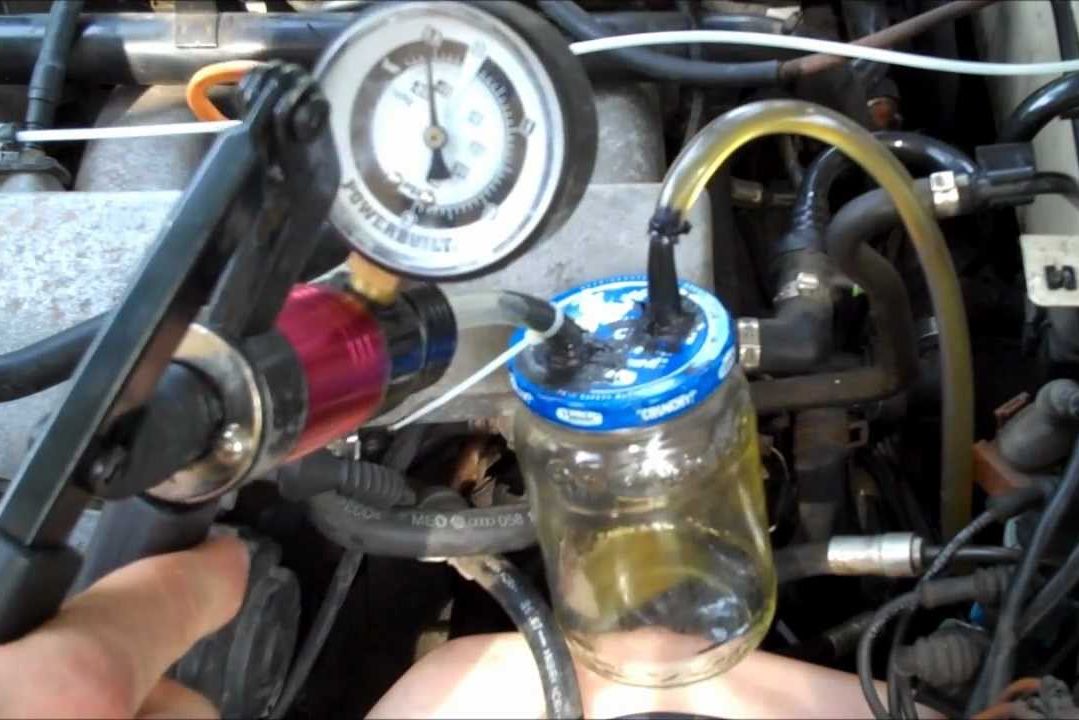
Vacuum bleeding
A vacuum bleeder can be connected to the slave-cylinder bleeder screw.
The tool draws fluid and air through the system.
Pressure bleeding
A pressure bleeder applies controlled pressure to the fluid reservoir and forces fluid through the hydraulic system.
This can be particularly useful when a conventional pedal-bleeding procedure is difficult.
One-person bleeding tools
Some systems use special check valves or bleeding devices that reduce the possibility of fluid flowing backward when the pedal is released.
However, the correct procedure varies between vehicles.
Why Can Vacuum Bleeding Sometimes Be Misleading?
When using a vacuum bleeder, air bubbles may sometimes appear around the threads of the bleeder screw.
This does not necessarily mean that the hydraulic system still contains a large amount of air.
The vacuum can pull air around the outside of the bleeder screw threads.
For this reason, the bleeding process should be evaluated based on the overall pedal feel and the condition of the expelled fluid rather than simply counting bubbles.
What Fluid Should Be Used?
The correct fluid specification is critical.
Depending on the vehicle, the clutch hydraulic system may use a specified brake-fluid type.
Some vehicles use:
-
DOT 3
-
DOT 4
-
DOT 5.1
However, the correct specification must be confirmed for the particular vehicle.
DOT 5 silicone brake fluid should not be used in a system designed for glycol-based DOT 3, DOT 4, or DOT 5.1 fluid.
Never select fluid simply because the container says "brake fluid."
Follow the vehicle manufacturer's specification.
What Happens If the Wrong Fluid Is Used?
Using an incompatible fluid can damage seals and other hydraulic components.
This can eventually cause:
-
Fluid leakage
-
Swollen seals
-
Master-cylinder problems
-
Slave-cylinder problems
-
Clutch disengagement problems
If the wrong fluid has been added, the system may require more than simple bleeding. A complete fluid flush and inspection of the hydraulic components may be necessary.
Should the Clutch Fluid Be Replaced During Bleeding?
If the hydraulic system uses old or contaminated fluid, bleeding can also serve as a fluid replacement procedure.
Continue bleeding until fresh fluid with the appropriate appearance flows from the bleeder, while ensuring the reservoir never runs dry.
However, heavily contaminated fluid or a system exposed to the wrong fluid may require a more comprehensive flush.
How Do You Know When the Clutch Has Been Properly Bled?
A properly bled hydraulic clutch should generally have:
-
Consistent pedal resistance
-
A predictable engagement point
-
Normal pedal return
-
Smooth clutch disengagement
-
Easy gear selection
-
No grinding when selecting gears
-
No visible air bubbles during the final bleeding cycles
-
No hydraulic fluid leaks
The exact pedal feel varies between vehicle models, so it is useful to compare the result with the vehicle's normal behavior.
Test the Clutch After Bleeding
After completing the bleeding procedure, check the clutch before returning the vehicle to normal use.
With the engine running, depress the clutch and attempt to select:
-
First gear
-
Reverse
-
Other gears
Gear selection should occur without abnormal grinding.
Also check whether the clutch fully disengages and whether the pedal consistently returns to its normal position.
Then inspect the hydraulic system again for leaks.
What If the Clutch Is Still Spongy After Bleeding?
If the pedal remains soft or spongy after repeated bleeding, do not continue bleeding indefinitely.
There may be another problem.
Possible causes include:
-
Hydraulic leak
-
Faulty clutch master cylinder
-
Faulty slave cylinder
-
Damaged hydraulic hose
-
Air trapped in a difficult section of the system
-
Incorrect bleeding procedure
-
Incorrectly installed hydraulic component
-
Mechanical clutch problem
Some vehicles have specific bleeding procedures because of the design and position of the hydraulic components.
What If the Clutch Still Does Not Disengage?
A clutch that does not fully disengage can be caused by either a hydraulic or mechanical problem.
Hydraulic causes can include:
-
Air in the system
-
Low fluid level
-
Master-cylinder failure
-
Slave-cylinder failure
-
Hydraulic leakage
Mechanical causes can include:
-
Damaged clutch disc
-
Pressure-plate problem
-
Release-bearing failure
-
Clutch fork problem
-
Incorrect clutch installation
-
Damaged flywheel components
If proper hydraulic bleeding does not restore clutch operation, the mechanical clutch assembly should be investigated.
Can Air Enter a Clutch System Without a Visible Leak?
Yes.
A hydraulic system can have an internal problem that allows air to enter without producing an obvious external fluid leak.
For example, a worn master-cylinder seal may allow internal bypass or abnormal hydraulic behavior.
Therefore, the absence of visible fluid leakage does not completely rule out a hydraulic component problem.
Important Safety Precautions
Brake and clutch fluid can damage paint and some materials.
During bleeding:
-
Wear suitable gloves and eye protection.
-
Keep fluid away from painted surfaces.
-
Use a clean container.
-
Do not reuse contaminated fluid.
-
Use only the specified fluid.
-
Clean the area around the bleeder screw.
-
Secure the vehicle properly before working underneath it.
-
Never work underneath a vehicle supported only by a jack.
If the clutch shares the brake-fluid reservoir, be particularly careful not to contaminate the braking system.
Final Thoughts
Bleeding a hydraulic clutch is the process of removing trapped air from the clutch hydraulic circuit so that the system can generate consistent hydraulic pressure.
The traditional procedure is straightforward: keep the reservoir filled, connect a bleeding hose, press and hold the clutch pedal, open the bleeder screw, allow air and fluid to escape, close the screw, and then release the pedal. Repeat the process until the system is free of air.
However, bleeding is not a repair for every clutch problem. If the pedal remains soft, the clutch continues to drag, gears are difficult to select, or fluid levels continue to fall, the system should be inspected for leaks or defective components.
A properly bled hydraulic clutch should provide consistent pedal pressure, predictable engagement, and complete clutch disengagement.