TR
TR EN
EN

What Is Engine Break-In? How Is Engine Break-In Done?
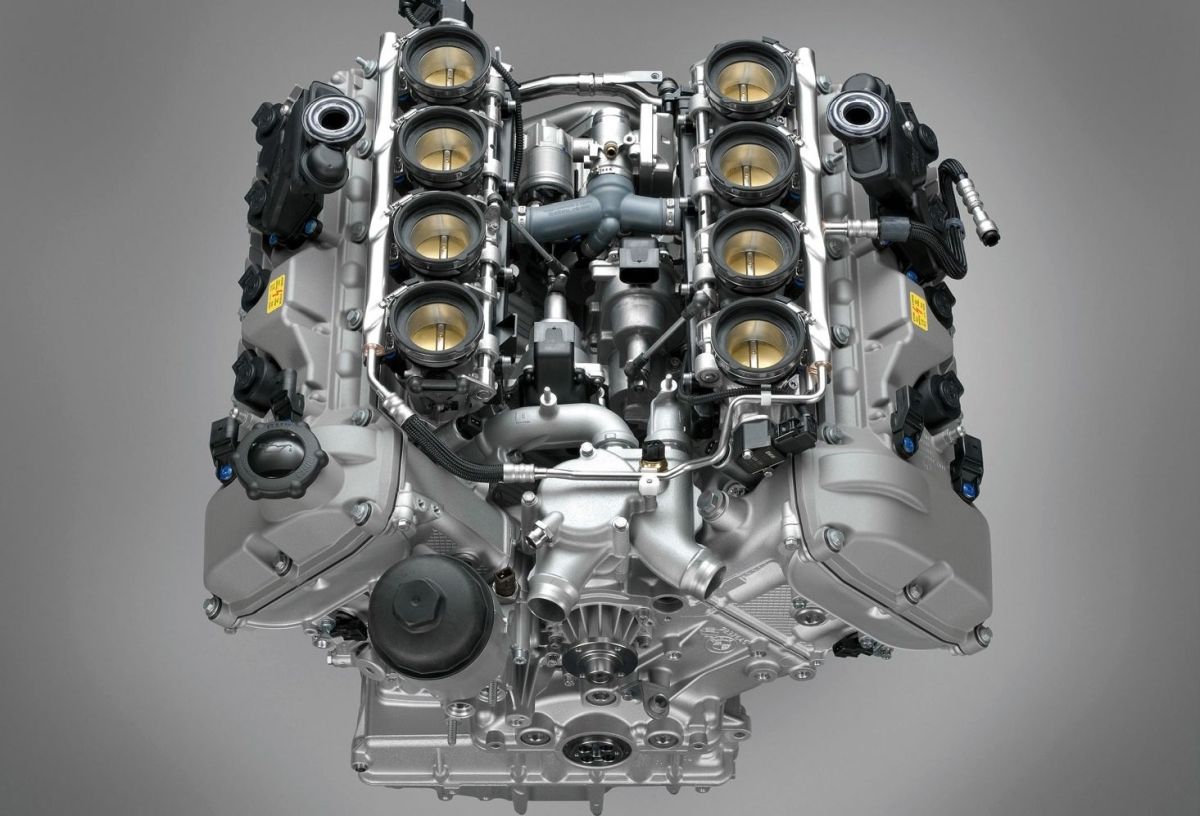
Engine break-in is the initial operating period of a new, rebuilt, or recently overhauled engine. During this period, the internal components gradually establish their proper working surfaces and clearances under real operating conditions.
The break-in period is especially important after an engine rebuild involving components such as piston rings, pistons, cylinder honing, bearings, or other major internal parts.
For a modern factory-built engine, the manufacturer may require only a relatively simple break-in procedure. A rebuilt engine, however, may require a much more specific process.
Why Is Engine Break-In Necessary?
An engine contains many components that operate under high temperatures, pressure, and friction.
Some of the most important components involved in the break-in process include:
-
Piston rings
-
Pistons
-
Cylinder walls
-
Crankshaft bearings
-
Connecting-rod bearings
-
Camshaft
-
Valve-train components
-
Cylinder head components
One of the most important goals is proper piston-ring seating.
The piston rings must establish a good seal against the cylinder walls. This seal is necessary for maintaining compression and controlling engine oil.
If the rings do not seat properly, the engine may experience:
-
Excessive oil consumption
-
Reduced compression
-
Increased blow-by
-
Poor engine performance
-
Increased crankcase pressure
Does Every New Engine Need a Break-In?
Modern engines are manufactured with much tighter tolerances and more advanced production processes than older engines.
As a result, not every new engine requires an extensive traditional break-in procedure.
Many manufacturers provide specific recommendations for the first few hundred or first few thousand kilometers. These recommendations may include avoiding prolonged high engine speeds, excessive engine load, or repeated full-throttle acceleration.
The owner's manual should always take priority over generic break-in recommendations.
How Should a New Engine Be Driven?
The basic principle is to avoid extremes during the initial operating period.
A good general approach is to use the vehicle normally but avoid:
-
Prolonged high RPM
-
Repeated full-throttle acceleration
-
Excessive engine load
-
Heavy towing
-
Long periods at maximum speed
-
High RPM when the engine is cold
At the same time, there is usually no reason to drive extremely slowly or keep the engine at very low RPM all the time.
A varied driving pattern is generally preferable.
Why Should Engine Speed Be Varied?
Keeping an engine at exactly the same RPM for a very long time is generally not the ideal break-in strategy.
Varying engine speed and load allows the internal components to experience different operating conditions.
For example, on a suitable road, the driver can allow the engine to operate at different moderate RPM levels rather than maintaining one fixed engine speed for hundreds of kilometers.
The objective is controlled variation rather than aggressive driving.
Should You Avoid High RPM During Break-In?
High RPM should generally be limited during the initial break-in period.
This does not necessarily mean that the engine must never reach a relatively high RPM.
The important distinction is between brief, controlled changes in engine speed and sustained high-RPM operation.
Continuously operating near the engine's redline creates substantially more thermal and mechanical stress than normal driving.
The exact RPM limit should be based on the manufacturer's instructions or, in the case of a rebuilt engine, the engine builder's recommendations.
Should You Avoid Full-Throttle Acceleration?
During the initial break-in period, repeated full-throttle acceleration should generally be avoided unless the manufacturer or engine builder specifically recommends otherwise.
Full throttle can produce:
-
High cylinder pressure
-
Increased combustion temperature
-
Greater piston and connecting-rod loads
-
Higher turbocharger load on turbocharged engines
-
Increased thermal stress
For a rebuilt engine, the appropriate amount of load can be more complicated because controlled load may actually be important for piston-ring seating.
Therefore, the correct break-in procedure depends on what was replaced or machined inside the engine.
Is Driving Too Gently a Problem?
It can be, particularly for certain rebuilt engines.
There is a common misconception that the safest break-in method is to drive extremely gently and keep the engine at very low RPM.
However, piston rings need appropriate cylinder pressure to establish proper contact with the cylinder walls.
For this reason, some professional engine builders recommend controlled acceleration and deceleration during the early stages of a rebuild.
The important point is that controlled load is not the same as abusing the engine.
A rebuilt engine should not be immediately subjected to racing, maximum acceleration, or prolonged high-speed operation.
Is Constant Highway Driving Good for Engine Break-In?
Long-distance highway driving can be acceptable, but maintaining exactly the same speed and RPM for an extended period is not necessarily ideal.
For example, driving for several hundred kilometers at one constant speed provides very little variation in engine load.
Where conditions allow, varying speed and engine RPM within safe limits can provide a more useful range of operating conditions.
Always prioritize traffic safety and the manufacturer's break-in recommendations.
Should the Engine Be Idled for a Long Time?
No.
Prolonged idling is generally not an effective way to break in an engine.
An engine needs to reach normal operating temperature and experience appropriate load during normal operation.
After starting a cold engine, allow it to stabilize briefly and then drive gently rather than leaving it stationary for an extended period.
How Should You Warm Up a New Engine?
A modern engine generally does not need to idle for a long time before driving.
After starting:
-
Allow the engine to stabilize briefly.
-
Drive away gently.
-
Avoid high RPM while the engine is cold.
-
Avoid heavy acceleration until normal operating temperature is reached.
This is particularly important because engine oil, piston clearances, combustion conditions, and lubrication characteristics change as the engine reaches operating temperature.
What Role Does Engine Oil Play in Break-In?
Engine oil is critical during the break-in period.
The correct oil specification should be used according to the engine manufacturer's requirements.
For a rebuilt engine, the engine builder may specify a particular oil for the initial operating period.
During the first hours or kilometers of operation, microscopic wear particles and assembly contaminants can enter the oil.
This is one reason some engine builders recommend an early oil and filter change after rebuilding an engine.
However, there is no universal first oil-change interval. The correct interval depends on the engine, rebuild procedure, oil specification, and manufacturer's or engine builder's instructions.
Can a New Engine Consume Oil During Break-In?
Some oil consumption during the initial operating period can be normal.
As the piston rings finish seating, oil consumption may gradually stabilize.
However, excessive oil consumption should not automatically be dismissed as normal break-in.
Warning signs include:
-
Rapidly falling oil level
-
Persistent blue exhaust smoke
-
Excessive crankcase pressure
-
Heavy blow-by
-
Poor compression
-
Oil fouling on spark plugs
These symptoms can indicate a mechanical problem and should be investigated.
What Happens If the Piston Rings Do Not Seat Properly?
Poor piston-ring seating can affect the engine's long-term performance.
Possible consequences include:
-
Increased oil consumption
-
Reduced compression
-
Increased blow-by
-
Loss of engine efficiency
-
Increased crankcase pressure
-
Greater contamination of engine oil
The quality of cylinder honing, piston-ring installation, ring end gaps, lubrication, and the initial operating procedure can all influence ring seating.
How Is a Rebuilt Engine Broken In?
A rebuilt engine should be treated differently from a factory-new engine.
The correct procedure depends on the work performed.
For example, an engine that has received:
-
New piston rings
-
New pistons
-
Cylinder honing
-
New bearings
-
A rebuilt cylinder head
may require a specific break-in procedure.
A typical professional approach may include:
Initial inspection
Check engine oil, coolant, leaks, electrical connections, hoses, belts, and fluid levels before starting.
Initial start-up
Start the engine and verify oil pressure, coolant circulation, abnormal noises, and leaks.
Operating temperature
Allow the engine to reach normal operating temperature while monitoring important parameters.
Controlled driving
Operate the vehicle under moderate and varying loads instead of prolonged idling.
Vary engine speed
Avoid maintaining one fixed RPM for an extended period.
Avoid extreme conditions
Do not immediately subject the engine to racing, heavy towing, maximum acceleration, or prolonged high-speed driving.
Early inspection
Check fluid levels, leaks, oil condition, operating temperature, and any unusual noises or symptoms.
The exact procedure should come from the engine builder because different rebuilds can require different approaches.
Is Break-In Different After a Piston Ring Replacement?
Yes.
Piston-ring replacement is one of the situations where break-in can be particularly important.
If the cylinder walls have been properly honed, the new rings need to establish their contact pattern with those surfaces.
The initial driving procedure can therefore have a direct effect on ring seating.
Simply driving extremely gently for thousands of kilometers may not necessarily produce the best result.
Conversely, immediately subjecting the engine to extreme loads can cause excessive heat and mechanical stress.
The correct approach is controlled operation according to the specifications of the piston rings and engine builder.
What About New Bearings?
New crankshaft or connecting-rod bearings also require proper lubrication and operating conditions.
Before operating a rebuilt engine, the following should be verified:
-
Correct bearing clearances
-
Correct oil pressure
-
Proper lubrication
-
Correct engine oil
-
Correct assembly procedures
-
Proper initial start-up procedure
A rebuilt engine with new bearings should not be treated exactly like an engine that only received new piston rings.
Does a New Turbocharged Engine Need Special Break-In?
Turbocharged engines require additional attention because the turbocharger operates at very high speed and temperature.
During the initial period:
-
Avoid prolonged high-load operation.
-
Avoid excessive boost.
-
Make sure the engine reaches normal operating temperature.
-
Use the correct engine oil.
-
Ensure proper turbocharger lubrication.
If a turbocharger has been replaced, the oil supply and return system should also be checked carefully.
If the previous turbocharger failed, the underlying cause should be identified before installing and operating the replacement unit.
How Long Does Engine Break-In Take?
There is no single break-in mileage that applies to every engine.
Depending on the manufacturer and engine design, the initial period may be several hundred kilometers or several thousand kilometers.
For a rebuilt engine, the break-in period may depend on the exact components installed and the machining performed.
The engine builder may specify a particular sequence of operating conditions rather than simply giving a mileage figure.
Therefore, "the first 1,000 km" should not be treated as a universal rule.
What Should Be Avoided During Break-In?
During the initial period, it is generally wise to avoid:
-
Repeated redline operation
-
Prolonged high-speed driving
-
Repeated full-throttle acceleration
-
Heavy towing
-
Excessive engine loading
-
High RPM with a cold engine
-
Long periods of idling
-
Ignoring unusual engine noises
-
Ignoring oil or coolant loss
-
Using incorrect engine oil
For a rebuilt engine, additional restrictions may apply depending on the work performed.
What Are the Signs of a Healthy Break-In?
As the engine settles into normal operation, you would generally expect:
-
Stable oil consumption
-
Stable coolant level
-
Normal oil pressure
-
Normal operating temperature
-
Smooth engine operation
-
No abnormal mechanical noises
-
Good throttle response
-
Stable idle
-
No excessive exhaust smoke
For a professionally rebuilt engine, compression or leak-down testing may also be used when necessary to evaluate cylinder sealing.
Common Engine Break-In Mistakes
One of the biggest mistakes is assuming that "gentler is always better."
Keeping the engine at extremely low RPM under heavy throttle can place considerable load on the engine.
Another mistake is prolonged high-speed driving immediately after rebuilding.
Other common mistakes include:
-
Leaving the engine idling for hours
-
Driving at one constant RPM for an extended period
-
Ignoring the engine builder's instructions
-
Using incorrect oil
-
Delaying an inspection when abnormal symptoms appear
-
Assuming excessive oil consumption is always normal
Final Thoughts
Engine break-in is the initial operating period during which a new or rebuilt engine establishes its proper operating surfaces and characteristics.
For a modern factory-built engine, the manufacturer's recommendations should always be followed. In many cases, this simply means avoiding excessive RPM, heavy loads, and aggressive driving during the specified initial period.
A rebuilt engine requires more careful consideration. If piston rings, pistons, cylinder walls, bearings, or other internal components have been replaced or machined, the break-in procedure should be based on the specific engine and components used.
The goal is not to drive as slowly and gently as possible. The goal is to operate the engine within controlled RPM and load ranges, vary operating conditions, avoid excessive heat and stress, and allow the internal components to establish their correct working surfaces.