TR
TR EN
EN

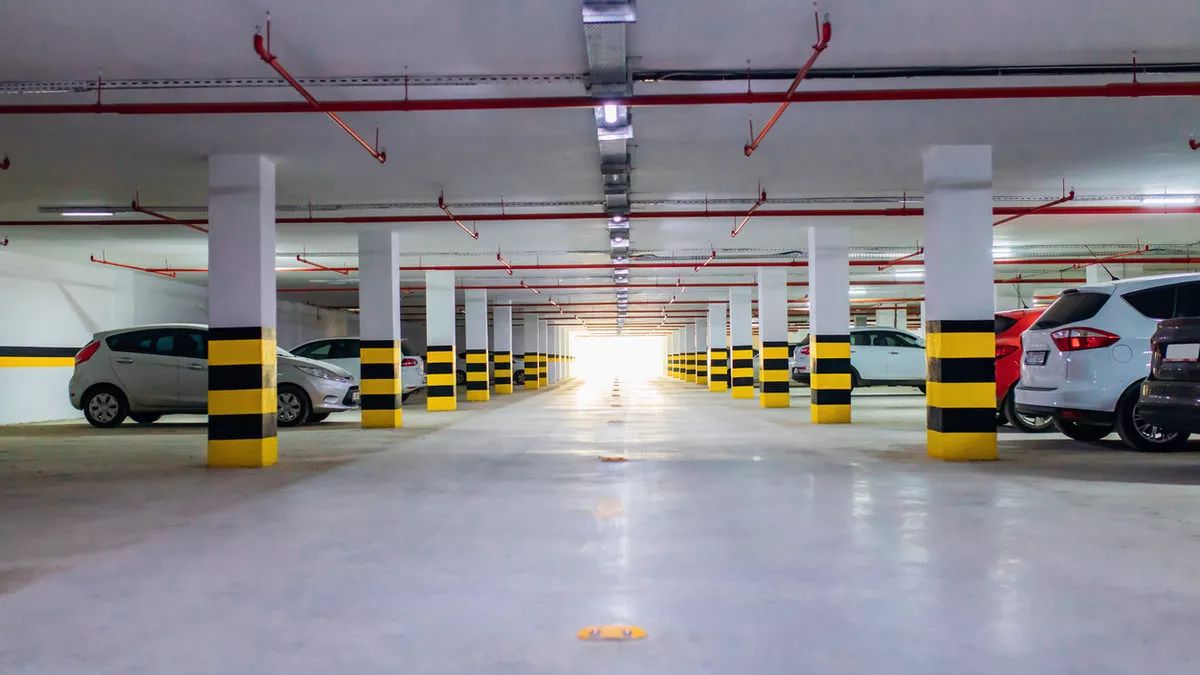
Can LPG Vehicles Enter Underground and Enclosed Parking Garages?
Whether LPG-powered vehicles can enter underground or enclosed parking garages is a common question in many countries. The answer is not simply “yes” or “no,” because regulations and safety requirements vary between countries, regions, building types, and individual parking facilities.
The key issue is not only that a vehicle uses LPG. The parking facility must also be designed and approved to safely accommodate LPG vehicles.
Why Are LPG Vehicles Restricted in Some Enclosed Garages?
LPG, or liquefied petroleum gas, behaves differently from gasoline or diesel in the event of a leak.
LPG vapor is heavier than air. If a leak occurs, the gas can move toward low areas and potentially accumulate near the floor. In an enclosed space with insufficient ventilation, an LPG-air mixture can create a fire or explosion hazard if it encounters an ignition source.
This is the main reason many countries and individual parking operators have historically restricted LPG vehicles from underground garages.
Modern LPG systems include multiple safety devices designed to minimize this risk, but the presence of safety equipment on the vehicle does not automatically make every enclosed parking facility suitable for LPG vehicles.
Can LPG Vehicles Enter Modern Parking Garages?
In some locations, yes.
A parking garage may be permitted to accept LPG vehicles if it has been specifically designed or equipped for them and complies with the applicable local fire-safety and building regulations.
Depending on the jurisdiction, requirements may include:
-
Adequate mechanical ventilation
-
Gas detection systems
-
Emergency ventilation controls
-
Suitable electrical equipment
-
Fire detection and suppression systems
-
Appropriate drainage and floor design
-
Clearly designated parking areas
-
LPG warning signs
-
Emergency procedures
-
Inspection and certification by the relevant authorities
Therefore, a modern underground garage is not automatically an LPG-safe garage. Its actual design, certification, and local regulations are what matter.
Why Is Ventilation So Important?
Ventilation is one of the most important safety measures in a garage where LPG vehicles are permitted.
Because LPG vapor can collect at low points, ventilation must be capable of preventing dangerous concentrations from accumulating.
In facilities specifically designed for LPG vehicles, ventilation may work together with gas detectors. If a gas leak is detected, the system can activate additional ventilation or trigger an alarm.
The exact ventilation requirements vary significantly between countries and building standards.
What About Shopping Malls?
Shopping mall parking garages are often subject to stricter fire-safety requirements than ordinary private parking areas.
Some shopping centers permit LPG vehicles in their underground garages, while others prohibit them.
The fact that an LPG vehicle is allowed into one shopping mall does not mean it will automatically be accepted at another.
The operator may have to comply with specific building, fire, ventilation, gas detection, and certification requirements before allowing LPG vehicles inside.
What About Apartment and Residential Garages?
Residential garages require particular attention because many were not originally designed with LPG vehicles in mind.
An apartment building may have an underground parking area, but this does not necessarily mean that LPG vehicles can safely or legally be parked there.
The building's original design, ventilation system, fire protection measures, local regulations, and property management rules can all affect whether LPG vehicles are permitted.
Older buildings can be particularly problematic because their ventilation and fire-safety systems may not have been designed for LPG vehicles.
Does the LPG System on the Vehicle Make a Difference?
Yes.
An LPG vehicle should have a properly installed and maintained fuel system.
Important components include the:
-
LPG tank
-
Multivalve
-
LPG fuel lines
-
Pressure regulator
-
Injectors
-
Shut-off valves
-
Electrical connections
-
Fittings and hoses
These components should be inspected when necessary, particularly if there is any suspicion of a leak or damage.
A vehicle with a damaged or poorly maintained LPG system should not be considered safe simply because LPG vehicles are generally permitted in a particular parking garage.
What About the LPG Tank?
The LPG tank is one of the most important safety components of the system.
Its condition, certification, installation, and service life should comply with the applicable regulations and manufacturer requirements.
The tank should be protected against physical damage and corrosion and should be replaced when it reaches the applicable service-life limit.
A damaged, heavily corroded, expired, or otherwise non-compliant LPG tank should be inspected or replaced before the vehicle continues to be used.
What Happens if an LPG Leak Occurs in a Garage?
A leak does not necessarily mean that an explosion will occur. The actual risk depends on the amount of gas released, ventilation, gas concentration, ignition sources, and other conditions.
However, an LPG leak inside an enclosed garage should always be treated seriously.
If an LPG smell is noticed, the vehicle should not simply be parked and left inside. The safest approach is to move away from potential ignition sources and have the vehicle inspected by a qualified LPG technician.
Parking garages should also have emergency procedures for dealing with suspected gas leaks.
Are LPG Vehicles Safer Today Than Older LPG Vehicles?
Modern LPG fuel systems generally incorporate several safety features that were not necessarily present in older installations.
Depending on the system, these may include automatic shut-off functions, multivalves with multiple safety mechanisms, pressure controls, electronically controlled injectors, and other protective components.
However, modern equipment does not eliminate every possible risk.
A properly installed and maintained LPG system is fundamentally different from an old, damaged, poorly installed, or leaking system.
Can an LPG Vehicle Be Refused Even If the Garage Allows LPG Vehicles?
Yes.
A parking operator may impose additional conditions depending on local regulations and the facility's safety policy.
For example, the vehicle may need to:
-
Have a valid inspection
-
Have the LPG conversion properly documented
-
Use approved LPG equipment
-
Have a compliant tank
-
Meet local registration requirements
-
Be free from obvious LPG leaks or damage
The garage may also temporarily restrict LPG vehicles if its ventilation, gas detection, or fire protection systems are not operating correctly.
What Should LPG Vehicle Owners Check Before Entering?
Before entering an enclosed or underground parking garage, drivers should check whether LPG vehicles are explicitly permitted.
It is especially important to look for:
-
LPG vehicle warning or permission signs
-
Parking instructions
-
Restrictions for underground levels
-
Special LPG parking areas
-
Information from parking staff
-
Local restrictions applicable to the facility
If there is no clear information, asking the parking operator is safer than assuming that LPG vehicles are permitted.
What If LPG Vehicles Are Prohibited?
If a parking garage prohibits LPG vehicles, the safest option is to use an alternative parking area rather than ignoring the restriction.
An outdoor parking area is generally less problematic because any leaked gas can disperse much more easily into the open atmosphere.
However, the vehicle's LPG system should still be maintained properly regardless of where it is parked.
Are LPG Parking Rules the Same Everywhere?
No.
This is an important point.
There is no single worldwide rule stating that every LPG vehicle can or cannot enter an enclosed parking garage.
Different countries and jurisdictions may have different requirements. Some allow LPG vehicles in specially equipped garages, while others impose stricter restrictions on underground parking.
Even within the same country, individual facilities may have different approval conditions depending on their construction, ventilation, fire-protection systems, and operating permits.
For this reason, information from another country should not automatically be applied to a local parking facility.
The Bottom Line
LPG vehicles can be permitted in some enclosed and underground parking garages, but they should only be allowed where the facility meets the applicable safety and regulatory requirements.
A modern LPG system with a properly maintained tank and safety components reduces the risk associated with LPG use, but vehicle equipment alone does not determine whether an enclosed garage is suitable.
The most important factors are the parking garage's design, ventilation, gas detection, fire-protection systems, certification, local regulations, and the condition of the vehicle's LPG system.
If an enclosed garage clearly prohibits LPG vehicles, the restriction should be respected. If LPG vehicles are specifically permitted, the vehicle should still meet all applicable inspection, registration, installation, and safety requirements.