TR
TR EN
EN

When Is Wheel Alignment Necessary?
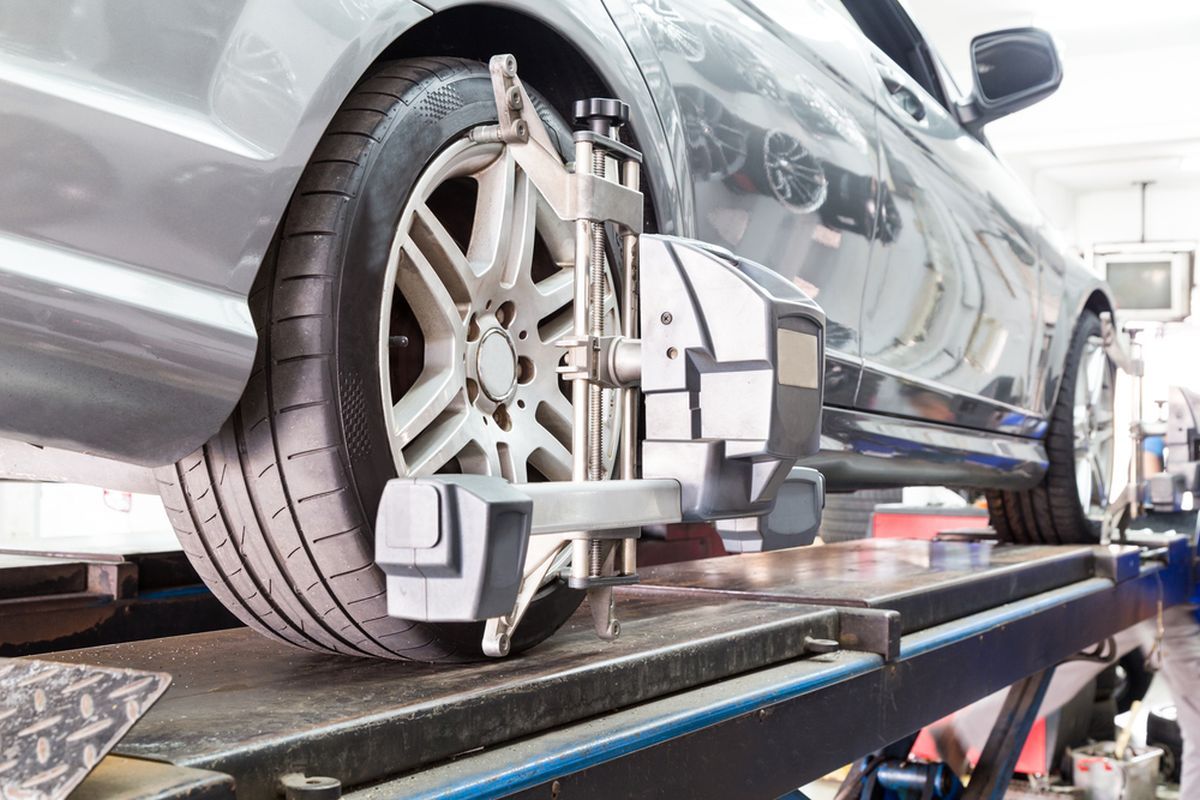
Wheel alignment is an important part of vehicle maintenance that affects handling, tire wear, steering behavior, braking stability, and driving safety. When the wheels are no longer positioned according to the manufacturer's specified angles, the vehicle may pull to one side, the steering wheel may sit off-center, or the tires may begin wearing unevenly.
Wheel alignment is not necessarily required at a fixed mileage interval. In many cases, it becomes necessary after a suspension impact, steering-component replacement, or when specific symptoms appear.
What Is Wheel Alignment?
Wheel alignment is the process of checking and, when necessary, adjusting the angles of the wheels and suspension components to the values specified by the vehicle manufacturer.
The main alignment angles include:
-
Toe
-
Camber
-
Caster
Depending on the vehicle, other measurements may also be considered.
Correct alignment allows the tires to maintain the intended contact with the road while the vehicle is moving straight, cornering, accelerating, and braking.
The Vehicle Pulls to One Side
One of the most common signs that an alignment check is needed is when the vehicle tends to move toward the left or right while driving on a reasonably flat and straight road.
If you have to constantly correct the steering wheel to keep the vehicle traveling straight, the alignment should be inspected.
However, pulling is not always caused by wheel alignment. Other possibilities include:
-
Uneven tire pressure
-
Different tire conditions
-
Tire conicity
-
A sticking brake caliper
-
Suspension damage
-
Steering-component problems
-
Road surface slope
For this reason, the tires and suspension should be checked along with the alignment.
The Steering Wheel Is Off-Center
If the vehicle travels straight but the steering wheel remains noticeably turned to one side, an alignment check may be necessary.
This can happen after:
-
Hitting a pothole
-
Hitting a curb
-
Suspension repairs
-
Steering repairs
-
Tie-rod replacement
-
Changes to suspension components
An off-center steering wheel should not simply be corrected by removing and repositioning the steering wheel. The underlying alignment measurements should be checked first.
Uneven Tire Wear
Uneven tire wear is one of the strongest indications that the wheel alignment or suspension geometry should be inspected.
Look for unusual wear patterns such as:
-
Inner-edge wear
-
Outer-edge wear
-
Feathering
-
Sawtooth-like tread wear
-
Different wear rates between tires
For example, excessive toe can produce feathered tread wear, while incorrect camber can contribute to excessive wear on one side of the tire.
However, incorrect tire pressure can also cause uneven wear, so tire pressure should be checked before assuming an alignment problem.
The Vehicle Feels Unstable
A vehicle with incorrect alignment may feel less stable than usual.
You may notice that the car:
-
Requires frequent steering corrections
-
Wanders on the highway
-
Feels nervous in a straight line
-
Does not return to a stable straight path as expected
-
Feels different during cornering
If the vehicle suddenly develops unstable handling, alignment should be considered, but suspension and steering components should also be inspected.
After Hitting a Pothole
A strong impact with a pothole can alter suspension geometry or damage a component.
Even if there is no obvious visible damage, a hard impact can affect:
-
Toe
-
Camber
-
Caster
-
Tie rods
-
Control arms
-
Ball joints
-
Wheels
-
Tires
-
Struts or shock absorbers
After a significant pothole impact, checking alignment is a good precaution, especially if the steering behavior has changed.
After Hitting a Curb
Hitting a curb can have an even greater effect on wheel alignment.
A curb impact can bend or damage suspension and steering components. In some cases, the alignment can be corrected; in other cases, the damaged component must be repaired or replaced first.
If an alignment machine shows that one angle is far outside specification, the technician should look for the mechanical reason rather than simply forcing the adjustment.
After Replacing Steering or Suspension Components
Wheel alignment is commonly required after certain suspension or steering repairs.
Examples include:
-
Tie-rod replacement
-
Tie-rod end replacement
-
Control-arm replacement
-
Ball-joint replacement
-
Steering rack replacement
-
Suspension component replacement
-
Subframe work
-
Certain strut or spring repairs
Not every repair changes alignment to the same degree, but checking the alignment after work on geometry-related components is often appropriate.
After Lowering or Raising the Vehicle
Changing the vehicle's ride height can alter suspension geometry.
If the vehicle is lowered or raised using:
-
Lowering springs
-
Coilovers
-
Lift kits
-
Modified suspension components
the original alignment angles can change.
An alignment check should therefore be performed after suspension height modifications.
After Installing New Tires
Installing new tires does not automatically mean that wheel alignment is required.
If the vehicle tracks straight, the steering wheel is centered, and the previous tires showed normal wear, there may be no reason to perform an alignment solely because new tires were installed.
However, installing new tires is an excellent opportunity to check alignment if the old tires showed unusual or uneven wear.
This can prevent the new tires from developing the same problem.
After Changing Wheels
Changing the wheels themselves does not always require alignment.
If the replacement wheels have the correct dimensions, offset, and fitment, the alignment geometry may remain unchanged.
However, if the wheel size, offset, suspension setup, or tire dimensions are significantly different, an alignment check may be worthwhile.
Wheel balancing is a separate procedure and should not be confused with alignment.
Wheel Alignment vs. Wheel Balancing
These are two different services.
Wheel alignment deals primarily with the geometric position and angles of the wheels and suspension.
Wheel balancing addresses uneven weight distribution in the wheel-and-tire assembly.
Alignment problems commonly cause:
-
Vehicle pulling
-
Off-center steering
-
Uneven tire wear
Balancing problems commonly cause:
-
Steering-wheel vibration
-
Vibration at particular speeds
-
Wheel or tire-related shaking
A vehicle can have a balancing problem, an alignment problem, or both.
Does Alignment Need to Be Done at Every Oil Change?
No.
There is generally no need to perform a wheel alignment at every oil change unless the vehicle manufacturer specifically recommends frequent checks or there is a reason to suspect a problem.
Alignment should instead be checked when symptoms appear or after events that can change suspension geometry.
Some drivers choose to have it inspected periodically, particularly when driving frequently on roads with potholes or poor surfaces.
How Often Should Wheel Alignment Be Checked?
There is no universal interval for every vehicle.
The need depends on:
-
Road conditions
-
Driving style
-
Suspension condition
-
Vehicle design
-
Tire wear
-
Previous impacts
-
Suspension modifications
For a vehicle driven regularly on rough roads, periodic inspection can be useful even when no obvious symptoms are present.
An alignment check is especially worthwhile when unusual tire wear begins to appear.
Can Incorrect Alignment Damage Tires?
Yes.
Incorrect alignment can significantly shorten tire life.
If the wheels are not correctly aligned, the tire may not roll across the road surface as intended. This can create concentrated wear on certain parts of the tread.
In severe cases, a relatively new tire can become badly worn long before reaching its expected service life.
This is one reason alignment problems should be corrected early rather than waiting until the tire is already damaged.
Can Incorrect Alignment Increase Fuel Consumption?
It can.
When alignment is significantly incorrect, the tires can experience additional rolling resistance and friction. The engine may then require slightly more power to move the vehicle.
The effect varies depending on how severe the alignment problem is, so a small alignment deviation does not necessarily produce a noticeable change in fuel consumption.
Can Wheel Alignment Affect Braking?
Yes.
Correct wheel alignment contributes to predictable vehicle behavior during braking.
If the vehicle already has a significant alignment or suspension problem, it may pull to one side when braking.
However, a vehicle pulling strongly during braking should also be checked for:
-
Brake-caliper problems
-
Uneven brake-pad wear
-
Brake-fluid or hydraulic problems
-
Tire differences
-
Suspension faults
It should not automatically be blamed on alignment.
Can Alignment Problems Cause Steering Wheel Vibration?
Usually, steering-wheel vibration is more strongly associated with wheel balancing, tire problems, wheel damage, or suspension issues than with alignment.
Incorrect alignment can cause abnormal tire wear, and damaged or unevenly worn tires can subsequently contribute to vibration.
Therefore, if vibration is the primary symptom, balancing and tire condition should be investigated as well.
How Is Wheel Alignment Checked?
A professional alignment machine measures the wheel and suspension geometry.
Depending on the vehicle, the technician may inspect:
-
Toe
-
Camber
-
Caster
-
Thrust angle
-
Steering angle
-
Individual wheel positions
The measured values are compared with the manufacturer's specifications.
If adjustment is possible, the appropriate components are adjusted.
If an angle cannot be brought into specification, this may indicate a bent or worn suspension component rather than simply an adjustment problem.
What Should Be Checked Before Alignment?
A good alignment should not be performed on a mechanically defective suspension system.
Before adjustment, the technician should check for:
-
Worn tie-rod ends
-
Worn ball joints
-
Damaged control arms
-
Worn bushings
-
Bent suspension components
-
Damaged wheels
-
Incorrect tire pressure
-
Tire condition
-
Wheel-bearing problems
If a worn component is present, alignment measurements may not remain correct after adjustment.
Can Alignment Be Corrected If a Suspension Part Is Bent?
Sometimes, but the bent component should normally be repaired or replaced rather than compensating for it through alignment adjustment.
For example, if a control arm or steering component has been bent by a severe impact, adjusting toe may temporarily bring one measurement closer to specification without actually resolving the mechanical problem.
A proper repair should address the damaged component first, followed by alignment.
Is Wheel Alignment Necessary for All Four Wheels?
Not necessarily.
Some vehicles allow adjustment primarily on the front axle, while others have adjustable geometry at both the front and rear.
Even when the rear wheels are not directly adjustable, their position is important because rear-wheel geometry affects the vehicle's overall thrust direction.
A four-wheel alignment measurement can therefore provide a more complete picture of the vehicle's geometry.
Final Thoughts
Wheel alignment is generally necessary when there are symptoms of incorrect wheel geometry or when an event has potentially altered the suspension angles.
The most important situations include:
-
The vehicle pulls to one side
-
The steering wheel is off-center
-
Tires are wearing unevenly
-
The vehicle wanders or feels unstable
-
A pothole has been hit hard
-
A curb has been struck
-
Steering or suspension components have been replaced
-
The suspension height has been modified
New tires alone do not automatically require alignment, and wheel alignment should not be confused with wheel balancing.
The most important point is to identify why the alignment is incorrect. If the cause is a worn or bent suspension component, simply adjusting the alignment will not provide a permanent solution.