TR
TR EN
EN

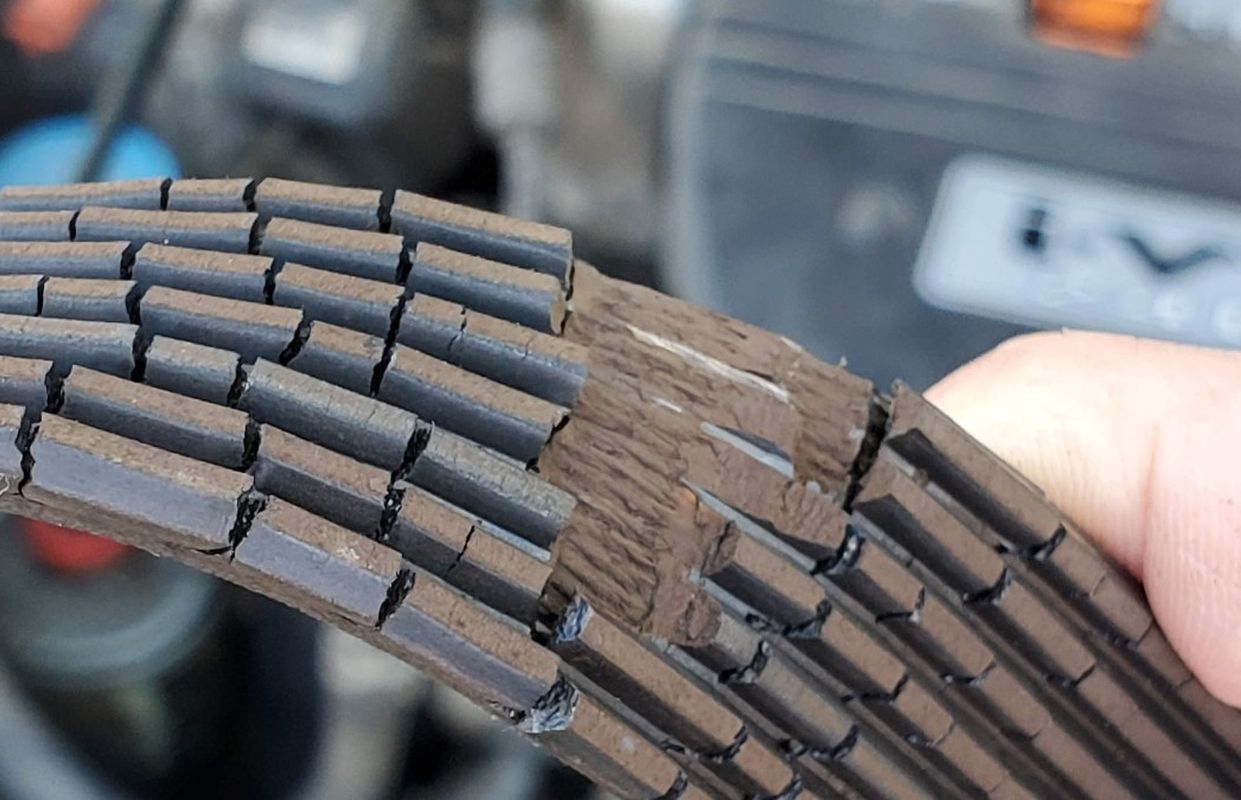
What Are the Signs That the Alternator Belt (Serpentine Belt) Needs to Be Replaced?
The alternator belt, commonly called the V-belt or serpentine belt depending on the vehicle design, is an important part of the engine's accessory drive system. It transfers power from the crankshaft pulley to components such as the alternator, air conditioning compressor, water pump, and power steering pump, depending on the engine.
Because the belt operates continuously under heat, tension, and friction, it gradually wears out. A belt does not always fail suddenly. In many cases, it gives several warning signs before it breaks.
Recognizing these symptoms early can prevent a roadside breakdown and, on some engines, much more serious engine damage.
What Is an Alternator Belt?
The alternator belt is a flexible rubber belt that transfers rotational movement from the crankshaft to the alternator and other engine accessories.
Older vehicles commonly use a traditional V-belt, while many modern vehicles use a serpentine belt with multiple ribs. Some engines may use separate belts for different accessories.
Depending on the engine, the belt may drive:
-
Alternator
-
Water pump
-
Air conditioning compressor
-
Power steering pump
-
Idler pulleys
-
Tensioner pulley
For this reason, the exact function of the belt depends on the vehicle.
How Long Does an Alternator Belt Last?
There is no single replacement interval that applies to every vehicle.
Belt life depends on:
-
Vehicle manufacturer
-
Engine design
-
Belt material
-
Mileage
-
Age
-
Engine temperature
-
Oil or coolant contamination
-
Belt tension
-
Pulley condition
-
Driving conditions
Many modern belts can last well over 100,000 km, but mileage alone should not determine whether a belt needs replacement.
A belt that looks damaged, cracked, contaminated, or excessively worn should be replaced even if the vehicle has relatively low mileage.
Squealing or Screeching Noise
One of the most recognizable signs of a worn or slipping belt is a squealing noise from the engine compartment.
The noise may be particularly noticeable:
-
Immediately after starting the engine
-
During cold weather
-
When accelerating
-
When turning on the air conditioning
-
When electrical load increases
-
During sudden acceleration
A slipping belt may produce a high-pitched squeal because it is losing grip against the pulley.
However, belt noise does not automatically mean that the belt itself is worn. A weak tensioner, damaged pulley bearing, or accessory that is difficult to rotate can produce similar symptoms.
Cracks on the Belt
Visible cracking is a clear warning sign.
As the rubber ages, the belt can develop small cracks, particularly between the ribs or across the belt surface.
A belt showing significant cracking should not simply be monitored indefinitely. Cracking indicates that the belt material has deteriorated.
Modern belt materials can sometimes develop wear without the deep cracks commonly seen on older belts, so visual inspection should include the ribs, edges, and overall surface condition.
Frayed or Damaged Belt Edges
If the edges of the belt are frayed, torn, or visibly damaged, the belt may not be running correctly on the pulleys.
Possible causes include:
-
Misaligned pulleys
-
Damaged pulley
-
Incorrect belt installation
-
Worn tensioner
-
Contamination
-
Belt deterioration
A severely frayed belt can eventually separate or come off the pulley.
Replacing only the belt without finding the reason for the misalignment may result in another belt failure.
Belt Looks Shiny or Glazed
A belt with an unusually shiny or glossy surface may be suffering from glazing.
Glazing can occur when the belt repeatedly slips or operates under excessive heat.
A glazed belt may have reduced grip and can produce squealing noises.
If glazing is present, the belt and the pulley/tensioning system should be inspected rather than simply applying belt dressing to silence the noise.
Alternator Warning Light Comes On
If the alternator belt slips badly or breaks, the alternator may stop turning at the correct speed.
This can cause the battery/charging warning light to illuminate.
The driver may then notice:
-
Battery warning light
-
Low charging voltage
-
Electrical system warnings
-
Headlights becoming weaker
-
Electrical accessories behaving abnormally
-
Engine eventually stopping if the battery becomes discharged
A charging warning light does not necessarily mean the alternator itself has failed. The belt, tensioner, wiring, and charging system should all be checked.
Battery Keeps Going Flat
A repeatedly discharged battery can sometimes be related to an alternator belt problem.
If the belt is slipping, the alternator may not produce sufficient charging power, particularly under high electrical load.
However, a weak battery, faulty alternator, poor electrical connection, or parasitic drain can produce the same symptom.
The charging voltage should therefore be tested before replacing components.
Engine Overheating
This is an especially important symptom on engines where the belt drives the water pump.
If the belt slips or breaks, the water pump may stop operating correctly. Coolant circulation can then be reduced or completely interrupted.
The engine may begin to overheat rapidly.
Depending on the engine design, the water pump may be driven by the serpentine belt, a separate accessory belt, or the timing system. Therefore, the belt's actual routing must be checked for the specific engine.
If the temperature gauge rises into the overheating range, the vehicle should be stopped rather than driven until the cause is identified.
Air Conditioning Stops Working Properly
If the belt drives the air conditioning compressor, belt slipping or failure can affect A/C operation.
You may notice:
-
A/C compressor not engaging properly
-
Weak or intermittent cooling
-
Squealing when A/C is switched on
-
Noise from the belt area
If the noise appears specifically when the A/C is activated, the compressor and its pulley should also be inspected.
The problem may not be caused by the belt alone.
Heavy Steering
On vehicles with hydraulic power steering, the accessory belt may drive the power steering pump.
If the belt slips or breaks, steering assistance can be reduced or lost.
The steering wheel may suddenly become much heavier, particularly at low speeds.
Electric power steering systems generally do not use an engine-driven power steering pump, so this symptom does not apply to every vehicle.
Burning Rubber Smell
A slipping belt can generate significant friction and heat.
This may produce a noticeable burning rubber smell from the engine compartment.
A burning smell should not automatically be attributed to the belt, however. Oil leaking onto hot engine components, electrical problems, brakes, and other faults can produce similar odors.
If the smell is accompanied by belt noise or visible belt damage, the accessory drive system should be inspected immediately.
Belt Dust Around the Pulley
Fine black rubber dust around the pulleys can be another indication of belt wear.
Excessive belt dust may result from:
-
Belt deterioration
-
Misalignment
-
Excessive tension
-
Pulley damage
-
Belt slipping
A small amount of residue may not identify the exact cause, so the entire belt-drive system should be examined.
Belt Vibrations or Flapping
A belt that visibly vibrates, flaps, or moves excessively while the engine is running may have a tension or alignment problem.
Possible causes include:
-
Weak automatic tensioner
-
Incorrect belt tension
-
Worn pulley
-
Damaged belt
-
Crankshaft pulley problems
This symptom is important because replacing the belt alone may not solve the problem.
Tensioner Noise
The belt tensioner keeps the belt properly tensioned as engine speed and accessory load change.
A worn tensioner may produce:
-
Rattling
-
Clicking
-
Grinding
-
Belt vibration
-
Belt slipping
If the belt is being replaced because of wear, the tensioner and idler pulleys should also be inspected.
A new belt installed alongside a worn tensioner can develop noise or premature wear.
Pulley Bearing Noise
Sometimes what appears to be a belt problem is actually a pulley bearing problem.
A damaged bearing can produce:
-
Whining
-
Grinding
-
Rattling
-
Squealing
Possible sources include:
-
Idler pulley
-
Tensioner pulley
-
Alternator pulley
-
A/C compressor pulley
-
Water pump pulley
-
Power steering pump pulley
A seized accessory pulley can be particularly dangerous because it may cause the belt to break.
Oil or Coolant on the Belt
A belt contaminated with engine oil, coolant, fuel, or other fluids can deteriorate prematurely.
Oil can soften rubber and reduce belt grip, while coolant contamination can contribute to slipping and deterioration.
If a belt is contaminated, simply replacing the belt may not be enough. The source of the contamination should also be repaired.
The Belt Is Loose
A belt that appears loose may indicate:
-
Worn belt
-
Incorrect belt length
-
Weak tensioner
-
Installation problem
-
Pulley problem
On vehicles with an automatic tensioner, manually adjusting belt tension may not be appropriate.
The correct belt routing and tensioning system should be checked according to the vehicle manufacturer's specifications.
The Belt Has Come Off the Pulley
A belt that repeatedly comes off is a warning that something is wrong.
Possible causes include:
-
Pulley misalignment
-
Failed tensioner
-
Damaged pulley
-
Incorrect belt
-
Incorrect routing
-
Crankshaft pulley problems
-
Accessory bearing failure
Installing another belt without identifying the cause can result in another failure.
Does Every Squealing Noise Mean the Belt Needs Replacement?
No.
This is an important distinction.
A squealing noise may be caused by the belt, but it can also originate from the tensioner or one of the accessories driven by the belt.
For example, a failing alternator bearing can produce noise that appears to come from the belt.
Therefore, replacing the belt without diagnosing the source of the noise may not solve the problem.
What Happens If the Alternator Belt Breaks?
The consequences depend on which components are driven by the belt.
If the belt drives only the alternator, the vehicle may continue running temporarily using battery power. Eventually, however, the battery will discharge and the engine may stop.
If the same belt also drives the water pump, power steering pump, or other critical components, the consequences can be much more immediate.
Possible results include:
-
Loss of charging
-
Engine overheating
-
Loss of hydraulic power steering
-
A/C failure
-
Vehicle breakdown
For this reason, a broken serpentine belt should be treated as a serious problem.
Can a Bad Alternator Belt Damage the Engine?
It can, depending on the engine design.
The biggest concern is an engine in which the accessory belt drives the water pump. If the belt breaks and coolant circulation stops, the engine can overheat.
Severe overheating can cause:
-
Cylinder-head warping
-
Head-gasket failure
-
Cooling-system damage
-
Lubrication problems
-
Serious engine damage
Some engines have separate belts or use the timing belt/chain to drive the water pump, so the consequences vary.
How Is an Alternator Belt Inspected?
A proper inspection should include more than simply looking at the belt.
The technician should check:
-
Belt surface
-
Belt ribs
-
Belt edges
-
Cracks
-
Fraying
-
Glazing
-
Contamination
-
Belt tension
-
Belt alignment
-
Tensioner
-
Idler pulleys
-
Alternator pulley
-
Other driven accessories
Charging voltage can also be measured if there is an alternator-related symptom.
If there is abnormal noise, each pulley and accessory should be checked to determine whether the belt is actually the source.
Should the Belt and Tensioner Be Replaced Together?
Not always, but it is often sensible to inspect both at the same time.
If the tensioner or idler pulley is worn, installing a new belt while leaving a defective tensioning component in place can result in:
-
New belt noise
-
Uneven belt wear
-
Belt misalignment
-
Premature belt failure
-
Belt coming off the pulley
If the tensioner is functioning correctly, replacement may not be necessary.
Final Thoughts
The signs that an alternator or serpentine belt may need replacement include squealing noises, visible cracks, frayed edges, glazing, rubber dust, abnormal belt vibration, charging problems, burning rubber smells, and repeated belt slipping or displacement.
However, the belt is only one part of the accessory drive system. A worn tensioner, damaged pulley, seized alternator, A/C compressor problem, or pulley misalignment can produce almost identical symptoms.
For that reason, when belt wear is discovered, the entire belt-drive system should be inspected. Replacing the belt without correcting the underlying problem can cause the new belt to fail prematurely.