TR
TR EN
EN

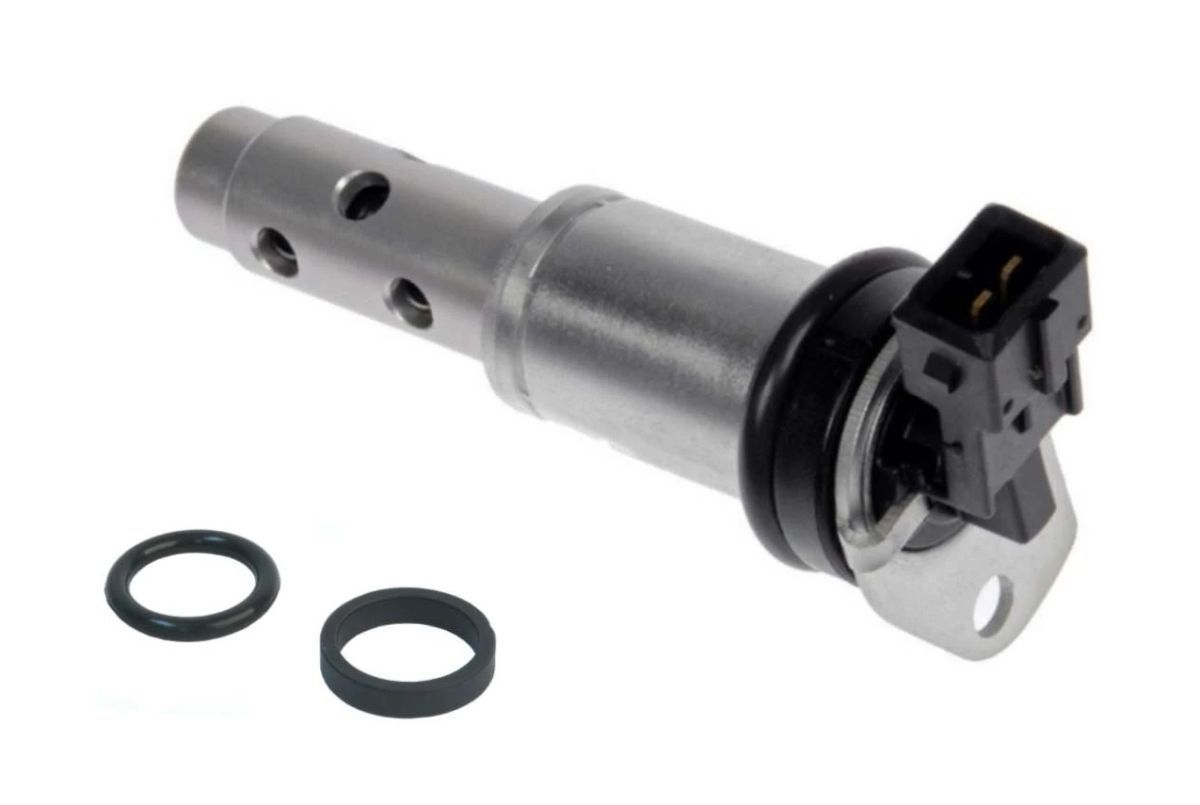
What Is a VVT Solenoid? What Are the Symptoms of VVT Solenoid Failure?
A VVT solenoid is an important component in modern gasoline and diesel engines equipped with Variable Valve Timing (VVT). VVT stands for Variable Valve Timing and refers to a system that adjusts the timing of the engine’s intake and/or exhaust valves according to operating conditions.
An engine does not need the same valve timing at idle, during low-speed driving, under heavy acceleration, and at high engine speeds. The VVT system allows the engine to adapt valve timing to these changing conditions.
The VVT solenoid, also known as a VVT control solenoid, camshaft timing solenoid, or Oil Control Valve (OCV) on some engines, controls the flow of engine oil to the variable valve timing mechanism.
What Does a VVT Solenoid Do?
The main job of the VVT solenoid is to control engine oil flow to the VVT mechanism.
The engine control unit (ECU) continuously evaluates information from various sensors, including:
-
Engine speed
-
Engine load
-
Engine coolant temperature
-
Throttle position
-
Crankshaft position
-
Camshaft position
When the ECU determines that camshaft timing needs to change, it electrically activates the VVT solenoid.
The solenoid regulates the flow of pressurized engine oil to the VVT actuator. The oil pressure then changes the angular position of the camshaft relative to the crankshaft.
This allows the engine to adjust valve opening and closing timing while running.
Depending on the engine design, there may be one VVT solenoid or several solenoids controlling different camshafts.
How Does the VVT System Work?
Although the exact design differs between manufacturers, the basic operating principle is similar.
The ECU compares the desired camshaft position with the actual camshaft position reported by the camshaft position sensor.
If a timing adjustment is required, the ECU commands the VVT solenoid.
The solenoid changes the direction or amount of oil flow going to the VVT actuator. The actuator then changes the camshaft's position.
This adjustment can help the engine:
-
Produce more torque at lower engine speeds.
-
Improve high-RPM breathing.
-
Improve throttle response.
-
Reduce fuel consumption.
-
Reduce emissions.
-
Maintain better combustion efficiency under different operating conditions.
Common Symptoms of a Bad VVT Solenoid
A failing VVT solenoid can cause several different symptoms. The exact symptoms depend on whether the solenoid is stuck open, stuck closed, electrically faulty, contaminated, or operating intermittently.
Check Engine Light
One of the most common signs is an illuminated Check Engine Light.
The ECU monitors the VVT system and can detect electrical problems, abnormal camshaft timing, or a difference between the commanded and actual camshaft position.
However, a VVT-related fault code does not automatically mean that the VVT solenoid itself has failed.
Low oil pressure, restricted oil passages, a faulty camshaft position sensor, a defective VVT actuator, or a timing chain problem can produce similar faults.
Rough or Unstable Idle
A malfunctioning VVT system can cause the engine to run unevenly at idle.
Possible symptoms include:
-
Engine shaking
-
RPM fluctuations
-
Rough idle
-
Near-stalling
-
Increased engine vibration
-
Occasional stalling
Valve timing that is incorrect at idle can interfere with the engine's ability to maintain stable combustion.
Poor Acceleration
A faulty VVT solenoid may prevent the camshaft from reaching the required position during acceleration.
As a result, the vehicle may feel slower or less responsive when the accelerator is pressed.
The problem can be particularly noticeable at low and medium engine speeds.
Loss of Engine Performance
If the VVT system remains in an incorrect position, overall engine performance can decrease.
The engine may feel weak, particularly at higher RPM, because the valve timing is no longer optimized for airflow and combustion.
However, poor engine performance is not specific to VVT. Problems with the ignition system, fuel system, air intake, turbocharger, exhaust system, or catalytic converter can produce similar symptoms.
Increased Fuel Consumption
Incorrect valve timing can reduce combustion efficiency.
The engine may then require more fuel to produce the same amount of power.
A sudden increase in fuel consumption should not automatically be blamed on the VVT solenoid. Other possibilities, including the oxygen sensor, thermostat, fuel system, ignition system, vacuum leaks, and driving conditions, should also be considered.
Rattling or Ticking Noise
Some VVT-related problems can cause a brief rattling or ticking noise, particularly during cold starts.
This can happen when the VVT mechanism does not receive sufficient oil pressure or when the VVT actuator does not hold its position correctly.
However, a noise from the timing area does not necessarily mean the solenoid is faulty. The VVT actuator, timing chain, chain tensioner, oil pressure, or other components can also cause similar noises.
Engine Stalling
A severe VVT problem can affect idle stability enough to cause the engine to stall.
If the engine repeatedly stalls, the vehicle should not simply be driven until the problem becomes worse. The VVT system and engine timing should be properly diagnosed.
Why Does a VVT Solenoid Fail?
VVT solenoids operate using engine oil, so oil quality and oil pressure are extremely important.
Common causes of VVT solenoid problems include:
-
Delayed oil changes
-
Dirty or degraded engine oil
-
Incorrect oil viscosity
-
Sludge accumulation
-
Restricted oil passages
-
A clogged solenoid filter
-
A sticking solenoid
-
Internal mechanical wear
-
Electrical problems
-
Damaged wiring
-
Corroded connectors
-
Low engine oil level
-
Low engine oil pressure
-
A faulty VVT actuator
-
Timing chain or timing belt problems
One of the most common contributors is contaminated engine oil.
Can Low Engine Oil Cause VVT Problems?
Yes.
Many VVT systems rely on engine oil pressure to change camshaft timing. If the engine oil level becomes too low, the system may not receive the oil pressure or oil flow it needs.
For this reason, checking the engine oil level is one of the simplest first steps when a VVT-related fault occurs.
However, a normal oil level does not automatically prove that oil pressure is normal.
A worn oil pump, restricted oil passage, clogged filter, or internal engine problem can still cause insufficient oil pressure.
Can Dirty Engine Oil Damage a VVT Solenoid?
Dirty engine oil can seriously affect VVT operation.
VVT solenoids contain small oil passages and moving components. Oil sludge and contamination can restrict these passages or cause the valve inside the solenoid to stick.
A contaminated solenoid may not fail completely. It can become slow or intermittent.
This can create a situation where the engine operates normally most of the time but occasionally develops rough running, performance loss, or a VVT-related fault code.
Is a VVT Solenoid the Same as a Camshaft Position Sensor?
No.
These are two different components with different functions.
The VVT solenoid controls oil flow to the variable valve timing mechanism.
The camshaft position sensor monitors the position of the camshaft and sends that information to the ECU.
A faulty camshaft position sensor can cause symptoms that look similar to a VVT solenoid problem. Therefore, the component should not be replaced simply because a VVT-related fault code has been stored.
VVT Solenoid vs. VVT Actuator
The VVT solenoid and VVT actuator work together, but they are not the same component.
The VVT solenoid controls the flow of engine oil.
The VVT actuator uses that oil pressure to change the camshaft's position.
This means that a functioning solenoid does not guarantee that the entire VVT system is working properly.
For example, the solenoid may operate correctly while the VVT actuator is mechanically damaged or unable to hold the required position.
The opposite can also happen: the actuator may be fine, but a stuck or electrically defective solenoid may prevent it from receiving the correct oil flow.
How Is a VVT Solenoid Diagnosed?
Proper diagnosis requires more than simply reading the Check Engine Light.
An OBD scanner should first be used to identify stored, pending, and manufacturer-specific fault codes.
Live data can then provide much more useful information.
Depending on the vehicle, technicians may examine:
-
Desired camshaft position
-
Actual camshaft position
-
VVT command percentage
-
Engine RPM
-
Engine coolant temperature
-
Engine load
-
Oil pressure
-
Throttle position
One particularly useful comparison is the commanded camshaft position versus the actual camshaft position.
If the ECU commands a specific position but the camshaft repeatedly fails to reach it, the VVT system requires further investigation.
The solenoid, oil supply, actuator, sensors, wiring, and mechanical timing should all be considered.
How Can the Electrical Side of a VVT Solenoid Be Tested?
The electrical connector and wiring should be inspected first.
A loose connector, corroded terminal, broken wire, or short circuit can create symptoms that appear to indicate a failed solenoid.
The resistance of the solenoid can then be measured according to the manufacturer's specifications.
However, a correct resistance reading does not necessarily prove that the solenoid is mechanically healthy.
A solenoid can have a normal electrical resistance while its internal valve is sticking because of contamination.
For this reason, an appropriate activation test and live-data evaluation can be more informative than a resistance measurement alone.
Can a VVT Solenoid Be Cleaned?
In some cases, yes.
If the solenoid is sticking because of contamination or oil sludge, careful cleaning may restore normal operation.
However, cleaning is not a solution for every VVT solenoid problem.
If the electrical coil is damaged, the solenoid has internal mechanical wear, or the valve mechanism is physically damaged, replacement may be necessary.
The cleaning procedure should also be performed carefully because the internal mechanism can be damaged by improper handling.
Can You Drive With a Bad VVT Solenoid?
It depends on the severity of the problem.
If the Check Engine Light is on but the engine runs normally and there is no significant loss of performance, limited driving may be possible while arranging a diagnosis.
However, the problem should not be ignored for an extended period.
If the engine is severely misfiring, repeatedly stalling, losing significant power, or producing pronounced metallic noises from the timing area, continued driving is not recommended.
This is especially important if low oil pressure or a mechanical timing problem is suspected.
What Should Be Checked When Replacing a VVT Solenoid?
Replacing the solenoid without determining why it failed can result in the same problem returning.
For example, if the original solenoid became contaminated because of severe oil sludge, installing a new solenoid without addressing the underlying oil contamination may eventually cause another failure.
During replacement, it is worth checking:
-
Correct solenoid part number
-
O-rings and seals
-
Electrical connector
-
Wiring
-
Engine oil level
-
Engine oil condition
-
Oil filter
-
Oil passages
-
Engine oil pressure
-
VVT actuator operation
Some vehicles may also require a VVT relearn or adaptation procedure after repairs.
How Can a VVT Solenoid Problem Be Distinguished From a Timing Chain Problem?
VVT solenoid problems and timing chain problems can produce remarkably similar symptoms.
Both may cause:
-
Rough running
-
Poor acceleration
-
Check Engine Light
-
Camshaft timing fault codes
-
Rattling noises
-
Reduced engine performance
If the timing chain has stretched, the actual camshaft position may consistently differ from the position expected by the ECU.
Therefore, a VVT-related fault code should not automatically lead to solenoid replacement.
On higher-mileage engines, the timing chain, chain tensioner, camshaft timing actuator, and mechanical timing should also be inspected.
Can a Bad VVT Solenoid Damage the Engine?
A simple solenoid failure does not necessarily cause major engine damage if it is diagnosed and repaired promptly.
The more important question is why the VVT system failed.
If the problem is caused by a contaminated solenoid, the risk may be relatively limited.
However, if the underlying problem involves low oil pressure, inadequate lubrication, severe timing chain wear, or a mechanical timing failure, continuing to drive the vehicle can potentially lead to much more serious engine damage.
This is why VVT-related faults should not be ignored for long periods.
What If the VVT Fault Remains After Replacing the Solenoid?
If a new VVT solenoid has been installed but the fault remains, the diagnosis should be reconsidered rather than replacing additional parts at random.
The following areas may need to be checked:
-
Engine oil level
-
Engine oil viscosity
-
Oil pressure
-
Oil filter
-
VVT oil passages
-
Solenoid wiring
-
Electrical connectors
-
Camshaft position sensor
-
Crankshaft position sensor
-
VVT actuator
-
Timing chain or timing belt
-
Mechanical engine timing
The important principle is simple:
A VVT fault code does not automatically mean that the VVT solenoid is defective.
The code may indicate that the VVT system is not achieving the expected result. Finding the actual cause requires testing the entire system.
Final Thoughts
The VVT solenoid is a relatively small component, but it plays an important role in controlling variable valve timing. A malfunction can result in rough idle, poor acceleration, reduced engine performance, increased fuel consumption, abnormal noises, and a Check Engine Light.
However, these symptoms are not exclusive to the VVT solenoid.
Dirty engine oil, low oil pressure, restricted oil passages, electrical problems, a faulty camshaft position sensor, a defective VVT actuator, or a worn timing chain can all create similar symptoms.
The most reliable approach is therefore to read the fault codes, examine live data, verify oil level and oil pressure, inspect the electrical circuit, and test the complete VVT system before replacing parts. This prevents unnecessary part replacement and makes it much more likely that the actual cause of the problem will be found.