TR
TR EN
EN

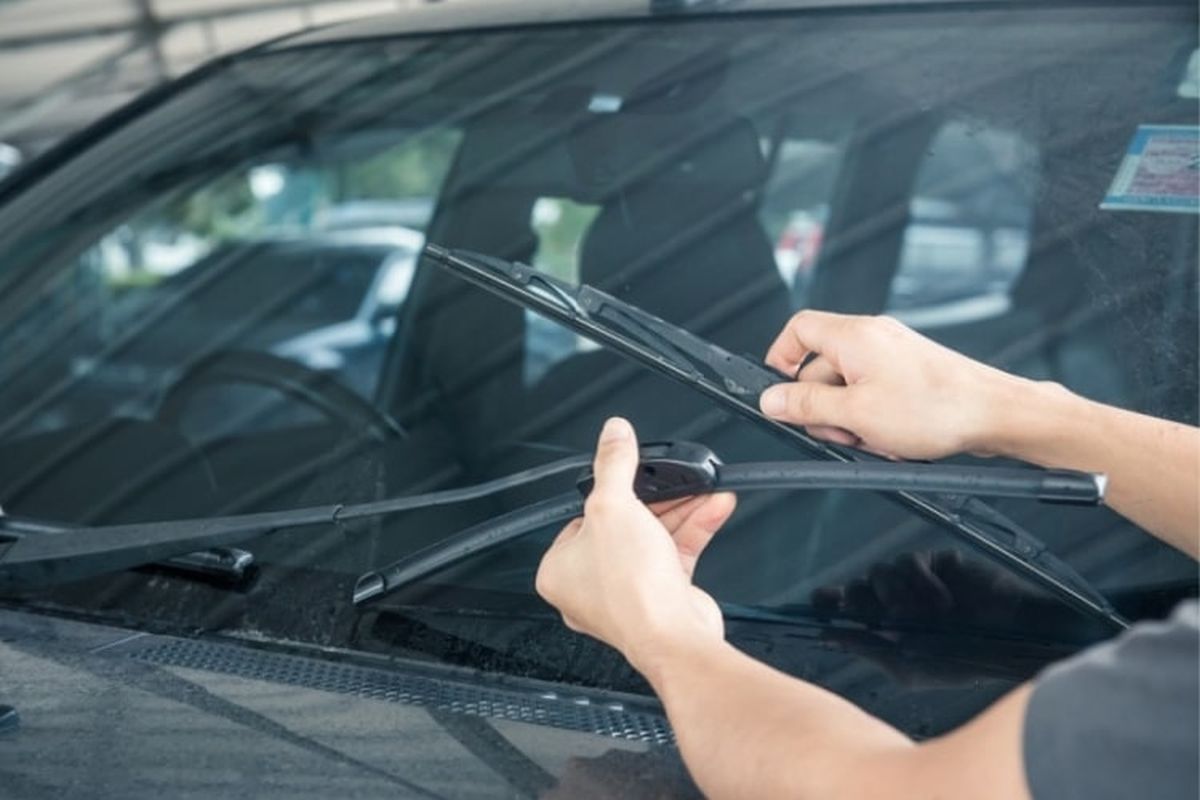
Car Window and Windshield Maintenance
Car windows are not simply there to provide visibility. They play an important role in driving safety, clear vision, cabin comfort, and the overall condition of the vehicle. The windshield, in particular, is directly part of the driver's field of view. Dirt, oily residue, water spots, scratches, and damaged areas can significantly reduce visibility, especially at night or in rainy weather.
Regular cleaning is important, but using the correct products and techniques is equally important. Incorrect cleaning products can leave residue on the glass, reduce wiper performance, and gradually affect visibility.
Why Do Car Windows Need Regular Maintenance?
Vehicle glass is constantly exposed to external contaminants. Dust, mud, rainwater, insects, road grime, exhaust particles, and tree sap can accumulate on the glass surface.
The inside of the glass can also become dirty over time. Plastic components inside the cabin can release a thin film onto the glass, while dust, smoke, and particles carried by the ventilation system can contribute to interior contamination.
A windshield may appear clean under normal conditions but become noticeably hazy when direct sunlight hits it or when headlights approach at night.
For this reason, window maintenance is not simply about keeping the vehicle looking clean. It is directly related to safe visibility.
Why Is Windshield Maintenance Especially Important?
The windshield deserves particular attention because it directly affects the driver's view of the road.
An oily film on the windshield may be difficult to notice during the day. However, when sunlight strikes the glass at a low angle, the film can create glare and reduce clarity.
At night, the problem can become even more noticeable. Headlights from oncoming vehicles can scatter across a dirty or oily windshield, creating excessive glare around the lights.
Small stone chips and scratches can also distort light and make visibility worse. Therefore, windshield maintenance should include both cleaning and regular inspection for physical damage.
Use the Right Glass Cleaning Products
Not every household glass cleaner is suitable for automotive glass.
Some products can leave a residue or interact poorly with other materials inside the vehicle. When cleaning the interior of the windshield, excessive liquid can also reach the dashboard, electrical components, air vents, or other sensitive areas.
A glass cleaner designed for automotive use is generally a better choice.
There is also no advantage to using excessive amounts of cleaning product. Too much product can actually make streaking and residue more likely.
Why Is a Microfiber Cloth Important?
The cloth used for glass cleaning should be clean and free of abrasive particles.
A cloth previously used on tires, the engine bay, exterior trim, or other dirty surfaces may contain oil, grease, sand, or small particles that can be transferred to the glass.
Keeping separate microfiber cloths specifically for glass cleaning is a good practice.
The cloth should also be washed properly. Fabric softeners or products that leave a coating can reduce the cloth's ability to clean glass without streaking.
Using one microfiber cloth for initial cleaning and another clean, dry cloth for the final wipe can help produce a clearer finish.
How Should the Inside of the Glass Be Cleaned?
The interior surface of the glass often looks clean even when a thin layer of contamination has accumulated.
Before applying cleaner, loose dust should be removed. The cleaner can then be applied to a microfiber cloth and used to wipe the glass.
Applying a moderate amount of cleaner to the cloth rather than heavily spraying the windshield can provide better control and reduce the risk of liquid reaching the dashboard or other components.
Particular attention should be paid to the lower corners and edges of the windshield, where dirt often accumulates.
After cleaning, the glass should be inspected from different angles. Residue that is difficult to see in normal lighting may become obvious in sunlight or when illuminated by headlights.
How Should Exterior Windows Be Cleaned?
Exterior glass usually collects dust, mud, road film, insects, and other contaminants.
If sand or hard particles are present on the glass, wiping the surface with a dry cloth can cause them to move across the glass and potentially create scratches.
The surface should first be rinsed to remove loose contamination. A suitable glass cleaner can then be used to complete the cleaning process.
Dried insects, tree sap, and other stubborn contaminants should not be aggressively scraped with hard objects. A suitable cleaning product should be used to soften the contamination before removal.
Windshield Wipers Are Part of Glass Maintenance
A clean windshield is not enough if the wiper blades are worn.
Wiper rubber becomes harder and less flexible over time. Cracks, deformation, or contamination can prevent the blade from maintaining consistent contact with the windshield.
Common signs of worn or contaminated wipers include:
-
Water streaks after wiping
-
Areas that remain wet
-
Squeaking or chattering
-
Jumping across the windshield
-
Uneven wiping
-
Poor visibility during rain
Wiper blades should be kept clean and replaced when necessary.
If new wiper blades still leave streaks, the problem may be contamination on the windshield rather than the wipers themselves.
Why Is Windshield Washer Fluid Important?
Washer fluid is not simply water stored in a reservoir. It plays an important role in maintaining visibility.
Automotive washer fluid is designed to help remove road dirt, insects, and other contaminants from the windshield. The correct fluid should be selected according to the season and climate.
Using only water may be acceptable in some situations, but it is not an ideal long-term solution. Water does not remove oily road film as effectively as a proper washer fluid and can freeze in cold weather.
Household detergents or unknown chemicals should not be added to the washer reservoir unless they are specifically approved for automotive washer systems.
How Can an Oily Film Be Removed From Glass?
An oily film is one of the most common reasons a windshield can appear clean during the day but produce severe glare at night.
If the windshield develops a greasy appearance, normal wiping may not be enough. A suitable automotive glass cleaner should be used to thoroughly remove the contamination.
After cleaning, the surface should be wiped with a clean, dry microfiber cloth to remove any remaining residue.
If the windshield still produces strong glare after cleaning, the glass should be inspected for scratches, wiper wear, coatings, or other surface contamination.
How Can Water Spots Be Prevented?
When water dries on automotive glass, minerals can remain behind and form visible spots. This can be especially noticeable in areas where the water supply contains a high level of minerals.
After washing the vehicle, allowing water to dry naturally can increase the likelihood of water spots.
Drying the windows with a clean microfiber towel after washing can reduce this problem.
Older mineral deposits may require a dedicated automotive glass treatment. Aggressive or abrasive products should be avoided because they can damage the surface or alter its optical characteristics.
What Causes Scratches on Car Windows?
Glass scratches can result from several different situations.
Wiping a dirty windshield with a contaminated cloth can drag sand and other particles across the surface. Scraping the glass with hard objects can also cause scratches.
Another common cause is dirt trapped underneath the wiper blade. When the wiper moves across the windshield, small particles can act like abrasive material.
If a wiper suddenly begins making unusual noises or the windshield develops new lines or marks, both the wiper blades and glass surface should be inspected.
Windshield Chips and Cracks Should Not Be Ignored
Small stone chips may appear harmless, but they can develop into larger cracks.
Temperature changes, vibration, and normal body movement can cause an existing windshield crack to spread.
A small chip or crack should therefore be inspected as soon as possible.
Damage located directly in the driver's primary field of vision deserves particular attention because even a relatively small defect can affect visibility.
Whether a windshield can be repaired or needs to be replaced depends on the size, location, type, and severity of the damage.
Cleaning Tinted Windows
Extra care is required when cleaning windows with aftermarket tint film.
The cleaning products recommended for the specific film should be used. Abrasive sponges, hard brushes, or chemicals that can damage the film should be avoided.
If the film begins to lift at the edges, develop bubbles, discolor, or show other signs of deterioration, aggressive cleaning can make the problem worse.
The condition of the film should be assessed before attempting to remove stubborn contamination.
Maintaining Car Windows in Winter
Winter creates additional challenges for automotive glass.
Ice should not be removed with sharp or excessively hard objects because they can scratch the glass.
The vehicle's recommended defrosting and de-icing procedures should be followed. Driving before the windshield and other windows are sufficiently clear can significantly reduce visibility and create a serious safety risk.
Wiper blades can also freeze to the windshield. Activating frozen wipers can damage the rubber and place additional stress on the wiper motor and mechanism.
Maintaining Car Windows in Summer
High temperatures, intense sunlight, dust, insects, and tree sap can make summer window maintenance more demanding.
Bird droppings, insect remains, and tree sap should not be left on the glass for extended periods. Once they dry and harden, they become more difficult to remove.
It is also better to avoid pouring very cold water over extremely hot glass. This is particularly important if the windshield already has a stone chip or crack, because sudden temperature changes can increase the risk of damage spreading.
Do Not Ignore the Side and Rear Windows
Although the windshield receives most of the attention, side and rear windows also affect safety.
Dirty side windows can make it more difficult to check mirrors and observe vehicles, pedestrians, cyclists, or obstacles alongside the car.
A dirty rear window can reduce visibility through the rear-view mirror, particularly at night or in rainy weather.
Rear window heating elements should also be kept in good condition. Aggressive cleaning methods or sharp objects can damage the thin electrical lines used for defrosting.
Glass Cleaning and Driving Safety
Automotive glass maintenance is often treated as a simple cosmetic task, but it has a direct relationship with driving safety.
Clean glass, properly functioning wipers, sufficient washer fluid, and a damage-free windshield all contribute to better visibility.
This becomes especially important in challenging conditions such as:
-
Heavy rain
-
Fog
-
Snow
-
Low-angle sunlight
-
Night driving
-
Oncoming headlights
-
Dirty or muddy roads
For this reason, drivers should not wait until visibility becomes noticeably poor before cleaning or inspecting the glass.
A Simple Glass Maintenance Routine
A practical maintenance routine does not have to be complicated.
The windshield and other windows should be cleaned regularly, both inside and outside. Wiper blades should be inspected for wear and contamination. Washer fluid should be kept at an adequate level and replaced with a suitable seasonal product when necessary.
After washing the vehicle, the glass should preferably be dried rather than left to air-dry, particularly where hard-water spots are common.
Any stone chip, crack, unusual scratch, or sudden change in visibility should be investigated rather than ignored.
Keeping automotive glass clean and in good condition improves more than the appearance of the vehicle. It helps the driver maintain a clearer view of the road, reduces glare, allows the wipers to work more effectively, and contributes to safer and more comfortable driving.