TR
TR EN
EN

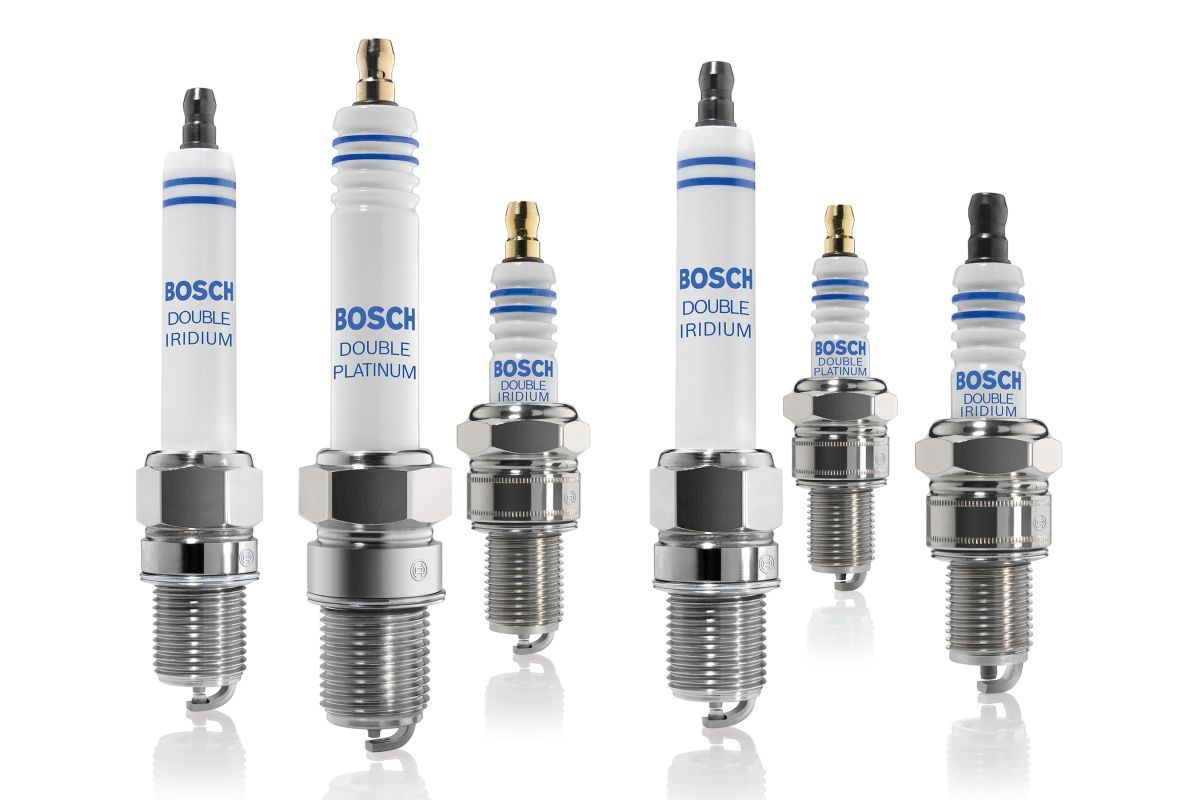
How Long Do Spark Plugs Last?
Spark plugs are one of the most important components of the ignition system in gasoline engines. They ignite the air-fuel mixture inside the combustion chamber and directly affect engine starting, performance, fuel consumption, emissions, and overall drivability.
However, spark plugs do not have the same service life in every vehicle. Their lifespan depends on the type of spark plug, electrode material, engine design, fuel type, driving conditions, and the overall condition of the engine.
For this reason, there is no single answer to the question, “How many miles do spark plugs last?” Some conventional spark plugs need to be replaced relatively frequently, while platinum and iridium plugs can remain in service for much longer.
How Many Miles Do Spark Plugs Usually Last?
As a general guideline, spark plug service intervals can fall into these ranges:
-
Conventional nickel-alloy spark plugs: approximately 12,000–25,000 miles
-
Platinum spark plugs: approximately 25,000–50,000 miles
-
Iridium spark plugs: approximately 40,000–75,000 miles or more
These figures are only general estimates. The vehicle manufacturer's maintenance schedule should always take priority.
Some modern engines equipped with long-life iridium or platinum spark plugs may specify replacement intervals around 60,000 miles or more, while other engines may require earlier replacement.
Vehicles running on LPG or CNG can also have different ignition requirements, so their spark plug service intervals may differ from those of engines operating exclusively on gasoline.
Why Does Spark Plug Material Affect Service Life?
The material used for the center and ground electrodes has a major influence on how quickly the spark plug wears.
Conventional spark plugs generally use nickel-based electrode materials. They are economical and can provide reliable performance, but they typically wear faster than plugs using precious-metal electrodes.
Platinum provides better resistance to electrode wear and higher-temperature durability.
Iridium is particularly resistant to wear and has a very high melting point. This allows manufacturers to use a very fine center electrode, which can help produce a consistent spark while providing a long service life.
However, an iridium spark plug does not automatically produce significantly more horsepower. Its main advantages are generally longer service life, reduced electrode wear, and reliable ignition performance when it is correctly matched to the engine.
Why Do Spark Plugs Wear Out?
Spark plugs operate under extremely demanding conditions.
During normal engine operation, the electrodes are exposed to high combustion temperatures and thousands of ignition events. Every time the ignition system produces a spark, an electrical arc forms between the electrodes.
Over time, this process gradually wears the electrode surfaces.
As the electrodes wear, the gap between them can change. If the gap becomes too large, the ignition system has to work harder to produce a spark.
This can eventually lead to ignition problems, particularly under high engine load or at high RPM.
A spark plug can therefore look relatively normal from the outside while already being worn enough to affect engine performance.
What Can Shorten Spark Plug Life?
Mileage is only one factor affecting spark plug life.
Several other conditions can accelerate wear or cause abnormal deposits.
Short-distance driving
Frequent short trips may prevent the engine from reaching its normal operating temperature. This can contribute to carbon and fuel deposits on the spark plugs.
Heavy city traffic
Constant stop-and-go driving and prolonged low-speed operation can create different combustion conditions from those experienced during longer highway journeys.
LPG operation
LPG-powered engines can place different demands on the ignition system. Depending on the engine and LPG calibration, spark plugs and ignition coils may experience higher ignition loads.
Incorrect spark plug selection
Using a spark plug with the wrong heat range, dimensions, electrode design, or gap can cause performance and durability problems.
Engine oil consumption
If oil enters the combustion chamber, it can contaminate the spark plug and create deposits on the electrodes and insulator.
Rich or lean air-fuel mixture
An incorrect mixture can cause abnormal deposits, discoloration, overheating, or other unusual spark plug conditions.
Ignition system problems
A faulty ignition coil, incorrect ignition voltage, or electrical problem can cause the spark plug to operate under abnormal conditions.
How Can You Tell That Spark Plugs Need Replacement?
Spark plug wear does not always produce an obvious symptom. However, several signs can indicate that the plugs should be inspected.
Possible symptoms include:
-
Difficult engine starting
-
Rough idle
-
Engine misfires
-
Hesitation during acceleration
-
Reduced engine performance
-
Increased fuel consumption
-
Check Engine Light illumination
-
Misfires under heavy load
-
High-RPM hesitation or misfire
-
Poor cold starting
However, these symptoms do not automatically mean that the spark plugs are faulty.
The same symptoms can also be caused by ignition coils, fuel injectors, fuel pressure problems, vacuum leaks, compression issues, or other engine management faults.
Spark plugs should therefore be considered as part of the overall diagnostic process rather than automatically blamed for every ignition-related symptom.
Can Spark Plugs Cause the Check Engine Light to Come On?
Yes.
Codes such as P0300, P0301, P0302, P0303, and P0304 are associated with engine misfires and can lead to spark plug inspection.
For example, P0301 indicates a misfire detected in cylinder 1. It does not automatically mean that the spark plug in cylinder 1 is defective.
The actual cause could be:
-
Spark plug
-
Ignition coil
-
Fuel injector
-
Injector wiring
-
Intake air leak
-
Low compression
-
Valve problem
-
Fuel pressure issue
-
Engine management problem
This is why a diagnostic trouble code should be treated as an indication of a problem rather than proof that a particular component has failed.
What Should a Healthy Spark Plug Look Like?
The appearance of a used spark plug can provide useful information about combustion conditions inside the engine.
A normally operating spark plug should not show excessive carbon deposits, heavy oil contamination, melted electrodes, or other obvious signs of abnormal combustion.
Heavy black carbon deposits
These can be associated with a rich mixture, low operating temperature, ignition problems, or other engine issues.
Oil contamination
This can indicate that engine oil is entering the combustion chamber or that there is another problem with oil control.
Very white or overheated appearance
This can be associated with excessive combustion temperature, mixture problems, an incorrect heat range, or other engine-related issues.
Severely worn electrodes
This can indicate that the spark plug has reached the end of its useful service life.
Melted or damaged electrodes
This can indicate a more serious combustion or ignition problem. Simply replacing the spark plug may not solve the underlying cause.
For this reason, old spark plugs can provide valuable diagnostic information when an engine problem is being investigated.
Should Spark Plugs Be Replaced Only According to Mileage?
No.
Mileage is an important factor, but it should not be the only consideration.
A vehicle driven only 3,000 miles per year may still have spark plugs that have been subjected to many years of heat cycles and combustion events.
Likewise, a high-mileage vehicle used primarily for longer trips may have different spark plug operating conditions from a vehicle that is constantly driven on short urban journeys.
The manufacturer's maintenance schedule should therefore be followed, including both mileage-based and time-based recommendations where applicable.
Do LPG Vehicles Need Spark Plugs More Frequently?
Not necessarily in every case.
It is not correct to say that every LPG-powered vehicle automatically requires more frequent spark plug replacement.
However, LPG operation can change the operating conditions of the ignition system. The exact effect depends on the engine design, LPG system, calibration, ignition system, and spark plug specification.
An incorrectly calibrated LPG system can place unnecessary stress on spark plugs and ignition coils.
For LPG-powered vehicles, it is therefore important to consider:
-
LPG calibration
-
Ignition coil condition
-
Spark plug gap
-
Engine operating temperature
-
Air-fuel mixture
-
Overall engine condition
The spark plug specification recommended for the particular engine should always be followed.
Do Iridium Spark Plugs Last Longer?
Generally, yes.
Iridium electrodes have excellent resistance to wear and can support a fine center-electrode design. This allows manufacturers to achieve long service intervals while maintaining consistent ignition performance.
However, an iridium spark plug should not be considered maintenance-free.
The electrode condition, spark plug gap, combustion conditions, and engine condition still matter.
It is also important to use the correct iridium spark plug for the specific engine. Simply choosing an expensive iridium plug does not guarantee better performance if its heat range, dimensions, or other specifications are unsuitable.
Can Spark Plugs Be Cleaned and Reused?
In some situations, a spark plug may develop surface deposits that can be removed. However, making a used spark plug look clean does not mean that it has returned to its original condition.
Electrode wear may not always be obvious, and microscopic damage to the insulator or electrode surfaces may not be visible.
Therefore, a spark plug that has already reached the manufacturer's replacement interval should not normally be kept in service simply because it can be cleaned.
Aggressive cleaning methods should also be avoided, particularly with modern platinum and iridium spark plugs, because the electrodes can be damaged.
What Should You Check When Replacing Spark Plugs?
Choosing the correct spark plug is just as important as replacing it at the correct interval.
When spark plugs are replaced:
-
The correct spark plug part number should be used.
-
The correct heat range should be selected.
-
The thread size must match the engine.
-
The recommended electrode gap should be respected.
-
Spark plug wells should be inspected for oil or moisture.
-
Ignition coils and their connectors should be inspected.
-
The manufacturer's specified tightening torque should be followed.
Over-tightening a spark plug can damage the spark plug or cylinder head.
Under-tightening can create problems with heat transfer, sealing, and mechanical stability.
For this reason, spark plug installation should follow the manufacturer's specified procedure.
Should Spark Plugs Be Replaced Early?
Not necessarily.
If the engine is operating normally, the correct spark plugs are installed, the ignition system is healthy, and the plugs are still within the manufacturer's recommended service interval, there is generally no need to replace them unnecessarily early.
However, if the vehicle develops symptoms such as misfires, difficult starting, hesitation, or a noticeable increase in fuel consumption, the spark plugs can be inspected even if the scheduled replacement mileage has not yet been reached.
The goal should not simply be to replace the spark plugs. The goal is to determine why the engine is not operating normally.
How Can You Extend Spark Plug Life?
The best way to achieve normal spark plug life is to keep the engine and ignition system in good condition.
Regular maintenance, using the correct engine oil, keeping the air and fuel systems healthy, maintaining the ignition coils, and ensuring the correct air-fuel mixture can all help spark plugs operate normally.
Using the correct spark plug and following the manufacturer's recommended replacement interval are equally important.
For LPG-powered vehicles, proper LPG calibration can also help prevent unnecessary stress on the ignition system.
When Should Spark Plugs Be Replaced?
The most reliable reference is the vehicle manufacturer's maintenance schedule.
Conventional spark plugs generally have shorter service intervals, while platinum and iridium plugs can often remain in service for considerably longer.
However, the same type of spark plug can have different replacement intervals in different engines.
For this reason, general statements such as “spark plugs always last 40,000 miles” or “iridium plugs always last 100,000 miles” should not be treated as universal rules.
The engine code, spark plug part number, fuel type, engine design, and manufacturer's maintenance schedule should all be considered together.
Spark plugs are small components, but they play a critical role in reliable engine operation. Using the correct plug and replacing it at the appropriate interval helps maintain consistent ignition, smooth engine operation, and efficient combustion.