TR
TR EN
EN

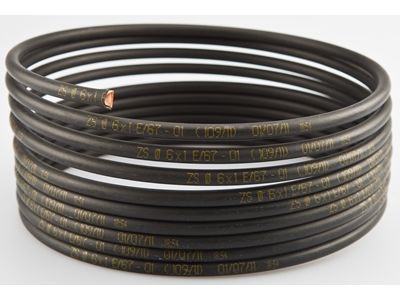
What Is an LPG Copper Pipe?
An LPG copper pipe is a fuel line used in LPG-powered vehicles to transport LPG between the tank and the engine compartment. It is particularly common in sequential LPG systems, where it carries LPG from the tank to the regulator.
Although it may look like a simple component, the LPG copper pipe is an important part of the fuel system from a safety perspective. It is exposed to vibration, temperature changes, road conditions, and external factors while the vehicle is in use. Therefore, the pipe must be suitable for LPG applications and installed correctly.
What Does an LPG Copper Pipe Do?
The main function of the LPG copper pipe is to transport LPG from the tank to the regulator.
The process can generally be described as follows:
LPG stored in the tank exits through the multivalve and enters the fuel line. It then travels through the copper pipe toward the engine compartment. At the regulator, the LPG pressure is reduced, and depending on the system design, the gas-phase LPG is then supplied to the injectors.
The copper pipe is therefore an important link in the fuel delivery system between the LPG tank and the engine.
Why Is Copper Used for LPG Pipes?
Copper has several characteristics that have made it suitable for use in LPG fuel systems.
Corrosion resistance
When the correct material is used and properly protected, copper can provide good resistance to the environmental conditions found underneath a vehicle.
Easy to shape
One of the major advantages of copper is that it can be shaped relatively easily. This makes it possible to route the pipe along the vehicle chassis and around existing components.
Temperature resistance
Proper LPG copper pipes are capable of operating within the temperature conditions expected in an automotive LPG system.
Fuel compatibility
Copper pipes specifically intended for LPG applications are suitable for carrying LPG under the specified operating conditions.
However, an important distinction must be made: not every copper pipe is suitable for use as an LPG fuel line. The pipe must have the appropriate diameter, wall thickness, mechanical strength, and fuel-system specifications.
Where Does the LPG Copper Pipe Run?
The exact routing depends on the vehicle and the LPG conversion system.
In general, the pipe starts near the LPG tank and travels underneath the vehicle toward the engine compartment.
The basic fuel path can be represented as:
LPG tank → multivalve → copper pipe → regulator
After the regulator, the system may use LPG hoses and other connections depending on the design of the conversion kit.
The copper pipe therefore generally carries LPG from the tank toward the regulator rather than continuing all the way to the LPG injectors.
Is an LPG Copper Pipe a High-Pressure Line?
Yes. The section between the LPG tank and the regulator is part of the high-pressure side of the LPG system.
The pressure inside an LPG tank changes depending on factors such as fuel temperature and LPG composition. The regulator reduces this pressure before the LPG reaches the components that meter fuel to the engine.
For this reason, the pipe and its fittings between the tank and regulator must be capable of safely handling the pressure generated by the LPG system.
This is one of the key differences between an LPG copper pipe and an ordinary fuel or vacuum hose.
What Is the Difference Between an LPG Copper Pipe and an LPG Hose?
Copper pipes and LPG hoses do not necessarily perform the same function.
The copper pipe is commonly used between the LPG tank and regulator, while flexible LPG hoses may be used in other sections of the system, depending on the kit design.
A copper pipe is relatively rigid but can be shaped during installation. A hose is more flexible and is useful where movement occurs, particularly around the engine.
For example, the engine can move slightly on its mounts while the chassis remains relatively stationary. A flexible connection is therefore needed in appropriate locations.
A rigid copper pipe should not be installed in a way that forces it to absorb continuous engine movement.
How Is an LPG Copper Pipe Installed?
The routing of the LPG copper pipe underneath the vehicle is extremely important.
The pipe should be installed along a protected route and kept away from sharp edges, exhaust components, moving suspension parts, and areas exposed to road impacts.
During installation, the pipe should:
-
Not be bent excessively
-
Not be crushed
-
Be properly secured to the vehicle
-
Be kept away from exhaust and other high-temperature components
-
Be kept away from moving parts
-
Be protected against road impacts
-
Not be placed under excessive mechanical tension
Simply connecting the tank to the regulator is not enough. The route of the pipe is just as important as the quality of the pipe itself.
Why Does an LPG Copper Pipe Bend, Crack, or Become Damaged?
Copper pipes can remain in service for many years, but incorrect installation and external forces can eventually cause damage.
Repeatedly bending the same section of pipe, making extremely sharp bends, or exposing the pipe to continuous vibration can create mechanical stress.
Impacts underneath the vehicle can also deform or crush the pipe.
If the pipe is not properly secured to the chassis, constant vibration can place additional stress on both the pipe and its connections.
How Can You Tell If an LPG Copper Pipe Is Leaking?
A leak in an LPG copper pipe is a serious safety concern.
Possible signs include:
-
LPG odor
-
Leakage around connections
-
Unexpectedly high LPG consumption
-
LPG pressure problems
-
Poor LPG operation
-
The LPG system switching back to gasoline
However, an LPG smell or an LPG-related drivability problem does not automatically mean that the copper pipe is leaking. The multivalve, fittings, regulator, hoses, and other LPG components should also be inspected.
What Should You Do If the LPG Copper Pipe Is Leaking?
A vehicle should not continue to be used normally if an LPG fuel-line leak is suspected.
Open flames, cigarettes, sparks, and other possible ignition sources should be avoided. The source of the leak should be identified by a qualified LPG technician.
Applying tape over a damaged section, randomly straightening a crushed pipe, or replacing part of the line with an unsuitable hose is not a proper repair.
The damaged section and any necessary fittings should be replaced with components suitable for the LPG system.
Can an LPG Copper Pipe Be Replaced?
Yes. A copper pipe may need to be replaced if it has been damaged, crushed, severely corroded, or if its connections are no longer reliable.
During replacement, simply choosing a pipe with the same diameter is not necessarily enough. The replacement must be suitable for the specific LPG system and the particular fuel line.
The new pipe must also be routed correctly underneath the vehicle.
A poorly routed new pipe can eventually suffer from abrasion, excessive heat, vibration, or impact even if the pipe itself is high quality.
Can an LPG Copper Pipe Rust?
Copper is generally much more resistant to corrosion than ordinary steel, but this does not mean that it can never deteriorate.
The underside of a vehicle is exposed to moisture, mud, road salt, dirt, stones, and other environmental conditions.
Corrosion-related problems can also occur around connections, especially when copper comes into contact with other metals under unfavorable environmental conditions.
For this reason, older LPG systems should be inspected not only for leaks but also for the general physical condition of the fuel line.
How Long Does an LPG Copper Pipe Last?
There is no single replacement interval that applies to every LPG copper pipe.
Its service life depends on factors such as:
-
Material quality
-
Installation method
-
Routing underneath the vehicle
-
Road conditions
-
Impacts and vibration
-
Corrosion
-
Exposure to heat
-
Vehicle usage
A properly installed and undamaged copper pipe can remain in service for many years. However, its physical condition is more important than age alone.
What Should Be Checked During an LPG Copper Pipe Inspection?
During routine LPG system inspections, the entire accessible fuel line should be examined.
Particular attention should be given to:
-
Crushed sections
-
Sharp bends
-
Cracks or deformation
-
Corrosion
-
Abrasion marks
-
Loose mounting points
-
Contact with the exhaust system
-
Contact with moving components
-
Connections
-
Signs of LPG leakage
Continuous contact between the copper pipe and the chassis or another metal component should also be investigated because vibration can eventually damage the pipe.
Can an LPG Copper Pipe Affect Engine Performance?
A properly sized, undamaged, and correctly installed LPG copper pipe should not negatively affect engine performance.
However, severe crushing or restriction of the pipe can interfere with LPG flow. Under high engine load, the problem may become more noticeable because the engine requires a greater amount of fuel.
Possible symptoms include:
-
Hesitation during acceleration
-
Loss of power at high engine speeds
-
Misfires
-
Switching from LPG to gasoline
-
Lean mixture symptoms
-
Check Engine Light
These symptoms do not prove that the copper pipe is the cause. Regulator pressure, LPG injectors, filters, pressure sensors, temperature sensors, MAP sensors, and LPG ECU calibration should also be checked.
Why Is the LPG Copper Pipe Important?
The LPG copper pipe is one of the key components responsible for transporting LPG safely from the tank to the regulator.
It may appear to be a simple metal tube, but it operates on the high-pressure side of the LPG system and therefore requires the correct material, dimensions, fittings, and installation method.
Particular attention should be paid to how the pipe is routed underneath the vehicle, how far it is kept from hot and moving components, and whether its mounting points remain secure.
LPG system safety does not depend only on the quality of the tank, regulator, or injectors. The fuel line connecting the tank to the regulator is equally important. A correctly selected and properly installed LPG copper pipe helps ensure that the system can operate safely and reliably for many years.