TR
TR EN
EN

How Long Do LPG Tanks Last? When Should They Be Replaced?
The LPG tank is one of the most important safety components in an LPG-powered vehicle. Unlike many other LPG system components, the tank stores fuel under pressure, so its condition is important not only for vehicle operation but also for overall safety.
Automotive LPG tanks are designed to remain in service for many years, but they do not have an unlimited service life. A 10-year service period is commonly used as the reference for automotive LPG tanks, although the exact replacement requirement should always be determined according to the tank's production date, approval information, manufacturer's specifications, and the regulations applicable to the vehicle.
The production date and identification information stamped or marked on the tank are therefore much more important than simply looking at the age of the vehicle.
Why Do LPG Tanks Have a Limited Service Life?
An LPG tank is generally manufactured from steel and is continuously exposed to pressure during normal operation.
While the vehicle is being driven, the tank can also be subjected to:
-
Temperature changes
-
Vibration
-
Road impacts
-
Moisture
-
Dirt and road salt
-
Corrosion
-
Mechanical stress
Over many years, these conditions can affect the physical condition of the tank.
This is why LPG tanks are not treated as permanent components. A defined service life helps ensure that tanks are not kept in operation indefinitely without considering their age and condition.
How Can You Find the Production Date of an LPG Tank?
The first step when determining the age of an LPG tank is to inspect the markings on the tank itself.
Depending on the manufacturer and tank design, the tank may carry information such as:
-
Production date
-
Serial number
-
Manufacturer
-
Tank capacity
-
Type approval information
-
Working pressure
-
Test pressure
-
Identification or approval markings
The production date is particularly important.
A vehicle may be several years old while its LPG tank is relatively new because the tank was replaced during the vehicle's lifetime. Conversely, an older tank may still be installed in a vehicle that recently received an LPG system service.
For this reason, the age of the LPG tank cannot be determined simply from the vehicle's model year or the date when the LPG kit was installed.
Does an LPG Tank Have to Be Replaced After 10 Years?
A 10-year period is a widely used reference for automotive LPG tanks, but the exact requirement depends on the tank's approval, manufacturer's requirements, and the regulations applicable to the vehicle.
The information marked on the tank should therefore be checked before making a replacement decision.
It is also important to understand that reaching the service-life limit is not the only reason a tank may need to be replaced.
A tank can require replacement earlier if it has suffered serious corrosion, deformation, impact damage, or another condition that affects its structural integrity.
Can an LPG Tank Be Replaced Before 10 Years?
Yes.
The tank does not have to reach the end of its nominal service period before it can become unsuitable for continued use.
Early replacement may be necessary if the tank has:
-
Severe corrosion
-
Significant dents or deformation
-
Damage caused by an accident
-
Cracks or structural damage
-
Damage around welded areas
-
Evidence of overheating or fire exposure
-
Serious damage to mounting points
A tank that has suffered a major physical impact should not simply be judged by its remaining service life.
Does Rust Mean an LPG Tank Must Be Replaced?
Not every sign of surface rust means that an LPG tank is immediately unsafe.
There is an important difference between light surface corrosion and deep corrosion that affects the metal itself.
A small amount of surface oxidation may be treatable depending on the circumstances. However, if corrosion has significantly reduced the material thickness or created doubts about the structural condition of the tank, professional inspection is necessary.
The underside of a vehicle is particularly important because dirt, moisture, road salt, and debris can accumulate in areas that are difficult to inspect.
What Happens If an LPG Tank Is Hit?
An LPG tank that has suffered a significant impact should be inspected before being used normally.
A dent may look relatively minor from the outside, but an LPG tank is a pressure vessel and should not be treated like ordinary bodywork.
Trying to straighten a damaged LPG tank, heating it, welding it, drilling it, or carrying out other structural repairs is not an appropriate DIY repair method.
If the tank has significant deformation, replacement may be the safest solution.
Can an LPG Tank Be Repaired?
Damaged automotive LPG tanks should generally be replaced rather than repaired.
Cutting, welding, drilling, heating, or reshaping the tank can change the properties of the original pressure vessel.
This is particularly important because the tank is designed and tested as a complete pressure-containing component.
For this reason, a damaged tank should be assessed by an appropriately qualified LPG professional, and replacement should be carried out when the tank no longer meets the required safety conditions.
Does the Multivalve Need to Be Checked When the Tank Is Replaced?
Yes.
Replacing the tank should not be treated as simply removing one tank and installing another.
The multivalve and associated connections should also be inspected.
Depending on the LPG system, the following components may need to be checked:
-
Multivalve
-
Tank connections
-
Mounting hardware
-
LPG fuel line
-
Fittings
-
Tank mounting system
-
Filling line
-
Sealing components
The compatibility between the new tank and the existing multivalve should also be confirmed.
Does the Replacement Tank Have to Have the Same Capacity?
Not necessarily, but the replacement tank must be suitable for the vehicle and LPG system.
The selection should consider:
-
Tank dimensions
-
Tank type
-
Mounting arrangement
-
Capacity
-
Approval information
-
Multivalve compatibility
-
Available installation space
-
Vehicle-specific requirements
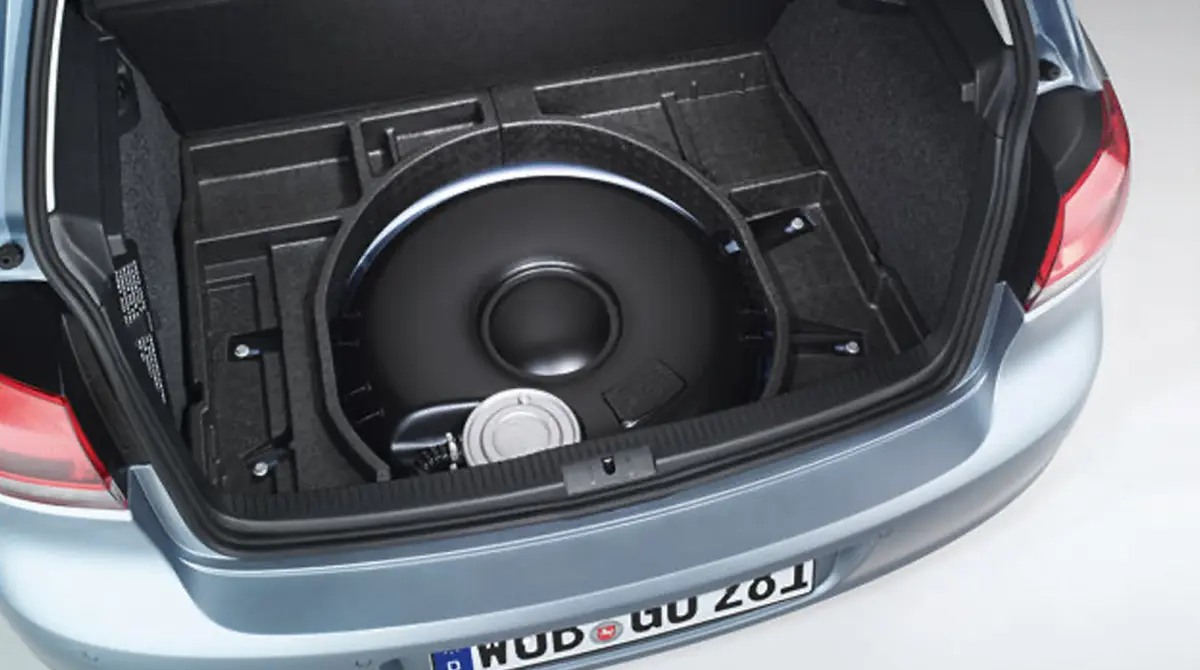
For example, a vehicle designed for a toroidal LPG tank should not simply receive a larger tank because it offers more capacity. The replacement must physically fit the vehicle and comply with the applicable technical requirements.
How Long Do Toroidal and Cylindrical LPG Tanks Last?
Toroidal and cylindrical LPG tanks have different shapes and installation methods, but their service life is not determined simply by their shape.
Both types should be evaluated according to:
-
Production date
-
Manufacturer specifications
-
Approval requirements
-
Physical condition
-
Installation conditions
-
Applicable regulations
A toroidal tank is commonly installed in the spare-wheel well, while a cylindrical tank may be installed in another part of the vehicle.
The important issue is not whether the tank is round, cylindrical, or toroidal, but whether it remains within its approved service life and is structurally sound.
What Can Shorten the Life of an LPG Tank?
Several factors can accelerate deterioration.
Moisture and road salt
Water, mud, and road salt can increase corrosion, particularly on tanks mounted underneath the vehicle.
Road impacts
Potholes, stones, debris, and accidents can damage the tank or its mounting system.
Incorrect installation
Improper mounting can expose the tank to unnecessary vibration or mechanical stress.
Damaged protective coating
If the protective coating is damaged, the underlying steel can become more exposed to moisture and corrosion.
Poor environmental conditions
Long-term exposure to dirt, moisture, and contaminants can make corrosion more difficult to detect and control.
What Should Be Checked During an LPG Tank Inspection?
An LPG tank should be visually inspected as part of the LPG system's general maintenance.
Particular attention should be paid to:
-
Corrosion
-
Dents
-
Deformation
-
Cracks
-
Welded areas
-
Protective coating
-
Mounting brackets
-
Mounting straps
-
Connections
-
Multivalve area
-
Signs of impact damage
-
Signs of leakage
The condition of the surrounding area should also be considered.
A tank may appear acceptable from the top while corrosion or damage is developing underneath or around the mounting points.
Can an Old LPG Tank Cause LPG Performance Problems?
A tank itself does not normally cause poor engine performance simply because it is old.
However, problems associated with the tank or its fuel delivery system can affect LPG operation.
For example, damage to the tank outlet, multivalve, fuel line, or associated components can interfere with LPG delivery.
Possible symptoms may include:
-
Poor acceleration on LPG
-
Loss of power
-
Difficulty maintaining LPG operation
-
Switching back to gasoline
-
Fuel pressure-related problems
-
Irregular engine operation
These symptoms do not automatically mean that the tank is defective. The regulator, filters, injectors, pressure sensor, fuel line, and LPG ECU should also be checked.
What Happens When an LPG Tank Reaches the End of Its Service Life?
When an LPG tank reaches the applicable service-life limit, it should not simply continue operating because it still looks good externally.
The tank should be replaced according to the applicable technical and regulatory requirements.
The replacement process normally involves removing the old tank, installing an approved replacement, checking the multivalve and connections, securing the tank correctly, and checking the LPG system for leaks.
Any required documentation or inspection procedures should also be completed according to local requirements.
Why Should LPG Tank Replacement Not Be Delayed?
The LPG tank is a pressure-containing fuel storage component, so its structural condition is critical.
Continuing to use a tank that has exceeded its applicable service life or has significant physical damage can increase safety risks.
Particular warning signs include:
-
Deep corrosion
-
Significant dents
-
Cracks
-
Damaged weld areas
-
Fire or extreme heat exposure
-
Severely damaged mounting points
These conditions should not be ignored simply because the vehicle continues to run normally.
How Should LPG Tank Replacement Be Planned?
It is better to monitor the tank's age rather than waiting until the replacement becomes urgent.
The production date and identification markings should be checked periodically, especially when buying a used LPG-powered vehicle.
A used car may have an LPG tank that is considerably older than the vehicle itself. Likewise, the tank may have been replaced at some point during the vehicle's life.
This is why checking the tank itself is more reliable than assuming its age from the vehicle or LPG kit installation date.
The Most Important Point About LPG Tank Service Life
An LPG tank should not be viewed simply as another fuel-system component. It is a pressure vessel designed to store LPG safely under demanding operating conditions.
A 10-year period is a commonly used reference for automotive LPG tanks, but the actual replacement requirement should be determined from the tank's production date, approval information, manufacturer requirements, physical condition, and applicable regulations.
A tank may need to be replaced before that period if it has serious corrosion, deformation, impact damage, or other structural problems.
When replacement is necessary, choosing the cheapest available tank is not the right approach. The replacement tank should be compatible with the vehicle and LPG system, meet the required approval conditions, and be installed correctly.
The safety of an LPG system depends on the entire fuel system working correctly—from the tank and multivalve to the fuel line, regulator, injectors, and associated connections.