TR
TR EN
EN

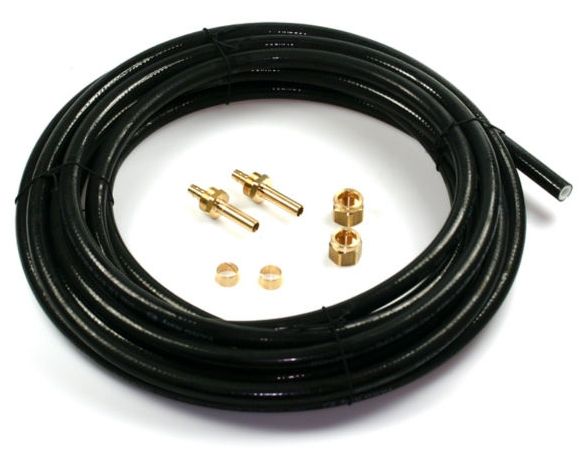
What Is a Thermoplastic LPG Hose?
A thermoplastic LPG hose is a specially designed fuel hose used in LPG systems to safely carry LPG under the operating conditions of the system. Unlike traditional rubber LPG hoses, thermoplastic hoses are manufactured from specialized plastic-based materials that can provide resistance to LPG, temperature changes, pressure, and fuel permeation.
They are used in various LPG applications, particularly in sequential LPG conversion systems, depending on the design of the kit and the specific fuel line involved.
However, it is important to understand that not every thermoplastic hose is suitable for LPG. A hose must be specifically designed and approved for LPG use and must meet the pressure, temperature, chemical-resistance, and automotive fuel-system requirements of the application.
How Is a Thermoplastic LPG Hose Constructed?
A thermoplastic LPG hose can consist of several layers depending on its design.
A typical construction may include:
-
An inner thermoplastic fuel-resistant layer
-
A reinforcement layer
-
An outer protective layer
The inner layer provides compatibility with LPG, while the reinforcement helps the hose withstand pressure and mechanical stress. The outer layer protects the hose against environmental conditions, abrasion, and other external influences.
The exact construction varies between manufacturers and applications.
For this reason, the appearance of a hose alone cannot determine whether it is suitable for an LPG system. The manufacturer's specifications and markings should always be considered.
Where Are Thermoplastic LPG Hoses Used?
The exact location of a thermoplastic LPG hose depends on the LPG system design.
In a sequential LPG system, LPG leaves the tank and travels toward the engine compartment through a fuel line. The regulator then reduces the pressure before LPG is supplied to the injectors in the required form and pressure.
Thermoplastic hoses can be used in specific sections of this system, depending on the LPG kit.
One important distinction is the difference between the high-pressure line between the tank and regulator and the lower-pressure gas-phase lines after the regulator.
These lines operate under different conditions and should not automatically use the same type of hose.
A hose suitable for a low-pressure gas-phase application may not be suitable for the high-pressure section of the system.
Thermoplastic LPG Hose vs. Rubber LPG Hose
Traditional LPG systems commonly use specially formulated rubber fuel hoses, while thermoplastic hoses use specialized plastic-based materials.
Thermoplastic construction can provide several advantages depending on the product.
Chemical resistance
Suitable thermoplastic materials can resist prolonged contact with LPG and related fuel components.
Low fuel permeation
High-quality thermoplastic fuel hoses can be designed to minimize the amount of fuel vapor passing through the hose wall.
Dimensional stability
Properly designed thermoplastic hoses can maintain their shape and performance under temperature and pressure changes.
Flexibility
They can provide the flexibility required for certain engine-bay installations and connections.
However, this does not mean that a thermoplastic hose is automatically better than a rubber hose. The most important factor is whether the hose is correctly specified for the particular LPG application.
Is a Thermoplastic LPG Hose Safe?
A properly manufactured and correctly installed thermoplastic LPG hose can be a safe component of an LPG system.
The key issue is not simply whether the hose is made from thermoplastic material. It must be designed and approved for the intended LPG application.
A suitable LPG hose should be capable of handling:
-
The pressure of the particular fuel line
-
The operating temperature
-
LPG exposure
-
Mechanical vibration
-
Engine movement
-
Fuel permeation requirements
-
The applicable automotive fuel-system requirements
Using an ordinary plastic hose as an LPG fuel hose is not an acceptable substitute.
What Causes Thermoplastic LPG Hose Failure?
Even a good-quality hose can eventually develop problems because of age, heat, mechanical stress, or incorrect installation.
Excessive heat
The engine compartment can become extremely hot. If a hose is exposed to temperatures beyond its intended operating range, its material properties can deteriorate over time.
Incorrect installation
A hose that is sharply bent, stretched, twisted, or installed under excessive tension can deteriorate much faster.
Abrasion
Continuous contact with the engine, chassis, brackets, wiring, or other components can damage the outer surface.
Incorrect fittings
Using unsuitable connectors or clamps can create stress at the hose ends and increase the possibility of leakage.
Incorrect hose selection
Using a thermoplastic hose that is not designed for LPG is one of the most serious mistakes.
The fact that a hose physically fits a connection does not mean that it is suitable for the fuel system.
What Are the Symptoms of a Damaged LPG Hose?
A damaged LPG hose does not always show an obvious failure immediately.
Possible warning signs include:
-
LPG odor
-
Visible damage around the hose
-
Cracks or deformation
-
Abrasion marks
-
Excessive hardening
-
Loose connections
-
Signs of leakage
-
LPG pressure-related problems
-
Poor LPG operation
-
Increased fuel consumption
-
Switching from LPG back to gasoline unexpectedly
However, poor engine operation on LPG does not automatically mean that the hose is faulty.
LPG injectors, the regulator, filters, pressure sensors, MAP sensors, wiring, calibration, ignition components, and vacuum leaks can produce similar symptoms.
What Should You Do If an LPG Hose Is Leaking?
An LPG smell should always be taken seriously.
If a leak is suspected, the vehicle should be moved to a safe location if it can be done without creating additional risk. Smoking, open flames, sparks, and other ignition sources should be avoided.
A leaking hose should not be repaired with tape or improvised clamps.
It should be replaced with a hose specifically designed and approved for the particular LPG application.
The entire affected connection should then be checked for leakage after the repair.
What Should Be Considered When Replacing a Thermoplastic LPG Hose?
Replacing an LPG hose is not simply a matter of finding another hose with the same diameter.
The replacement hose should be appropriate for:
-
The specific LPG system
-
The fuel phase being carried
-
The operating pressure
-
The operating temperature
-
LPG chemical exposure
-
The required fuel permeation characteristics
-
The applicable standards and approvals
The hose should also be routed correctly.
It should not be allowed to touch hot exhaust components, sharp edges, rotating parts, belts, pulleys, or other moving components.
It should have enough flexibility to accommodate normal engine movement without being excessively loose or stretched.
Can Any Thermoplastic Hose Be Used in an LPG System?
No.
This is one of the most important points when discussing thermoplastic LPG hoses.
The word thermoplastic describes the material category; it does not automatically describe the hose's intended application.
A thermoplastic hose designed for air, water, hydraulic fluid, or another fuel may not be suitable for LPG.
The hose must be selected according to the exact requirements of the LPG system and the specific section in which it will be installed.
This is particularly important for high-pressure LPG lines.
Can a Thermoplastic LPG Hose Affect Engine Performance?
A correctly selected and properly installed hose should not negatively affect engine performance.
However, a damaged, restricted, incorrectly routed, or leaking hose can interfere with LPG fuel delivery.
For example, a significant restriction in a gas-phase hose can reduce the amount of LPG reaching the injectors under high engine load. This may become more noticeable during hard acceleration or at higher engine speeds.
Possible symptoms can include:
-
Hesitation during acceleration
-
Loss of power
-
Lean mixture conditions
-
Misfires
-
Switching from LPG to gasoline
-
Increased fuel consumption
-
Check Engine Light
These symptoms should not automatically be blamed on the hose. The LPG system should be diagnosed as a complete system, including pressure, injector operation, regulator performance, sensors, and calibration.
Why Is Hose Quality Important?
An LPG hose is a fuel-system component, not simply a flexible tube used to connect two parts.
It must withstand continuous exposure to fuel, temperature changes, vibration, pressure, and the conditions found in the engine compartment.
A low-quality or incorrectly specified hose may appear to work normally at first but can deteriorate over time.
When selecting a replacement, the most important factors are not color, appearance, or price. The hose's intended application, manufacturer specifications, pressure and temperature ratings, and required approvals are much more important.
How Long Does a Thermoplastic LPG Hose Last?
There is no universal replacement interval that applies to every thermoplastic LPG hose.
Service life depends on:
-
Hose quality
-
Installation conditions
-
Operating temperature
-
Fuel pressure
-
Engine-bay exposure
-
Mechanical movement
-
Abrasion
-
Vehicle usage
-
Age
Instead of replacing a hose solely according to a fixed period, it should be inspected regularly and replaced if there are signs of deterioration or if the manufacturer specifies a replacement interval.
Any hose that has become damaged, excessively hardened, cracked, deformed, or contaminated should be evaluated before continued use.
Thermoplastic LPG Hose Maintenance
Routine LPG system inspections should include the hoses and their connections.
During inspection, technicians should look for:
-
Cracks
-
Abrasion
-
Deformation
-
Hardening
-
Loose fittings
-
Contact with hot components
-
Contact with moving components
-
Signs of LPG leakage
-
Improper routing
It is also important to inspect the hose after major work in the engine compartment. Removing or moving components can unintentionally change hose routing and cause a previously safe hose to rub against another component.
A thermoplastic LPG hose may be a relatively small component, but it plays an important role in keeping the LPG fuel system sealed and operating correctly. Choosing a hose specifically designed for the required pressure, temperature, and LPG application—and installing it correctly—is far more important than simply choosing a hose because it looks similar to the original one.