TR
TR EN
EN

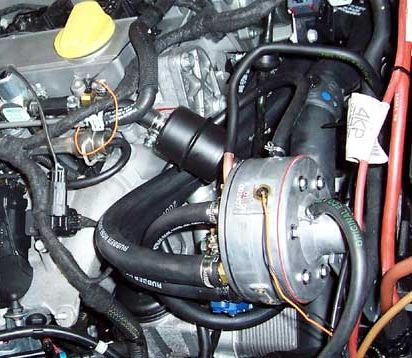
LPG Regulator (Reducer) Failure: Causes, Symptoms, and Effects
If you drive a vehicle equipped with an LPG system and experience recurring starting, idling, performance, or fuel-consumption problems, the LPG regulator may be one of the components that needs to be inspected.
The regulator is sometimes called the "LPG brain" on older carbureted vehicles. This terminology is mainly associated with traditional carbureted LPG systems. Sequential LPG systems also use a regulator, but the regulator is not the system's "brain." In a sequential system, fuel-management decisions are primarily handled by the LPG ECU (Electronic Control Unit), while the regulator is responsible mainly for vaporizing LPG and maintaining the required gas pressure.
In this article, we will look at what an LPG regulator does, why it fails, the symptoms it can cause, and when it may need repair or replacement.
What Is an LPG Regulator?
LPG is stored in the vehicle's tank as a liquefied gas under pressure.
The regulator, also known as a reducer or vaporizer, receives LPG from the tank and converts it from liquid into gas.
During this process, the regulator uses heat supplied by the engine's coolant to prevent excessive cooling and to provide the thermal energy needed for vaporization.
After vaporization, the regulator supplies LPG to the fuel system at a controlled pressure.
In a traditional carbureted LPG system, the regulator can meter gas mechanically according to engine demand.
In a sequential LPG system, the regulator generally provides gas at a controlled pressure to the LPG injectors. The LPG ECU then determines injector opening times based on engine operating conditions and other sensor information.
This distinction is important because the regulator and LPG ECU perform different jobs.
Why Does an LPG Regulator Need Engine Coolant?
When liquid LPG changes into gas, it absorbs a significant amount of heat.
If the regulator cannot obtain enough heat from the engine coolant, its temperature can fall excessively.
This can cause:
-
Poor LPG vaporization
-
Pressure instability
-
Reduced gas flow
-
Engine hesitation
-
Power loss
-
Switching from LPG back to gasoline
-
In severe cases, regulator icing
This is why the coolant hoses connected to the regulator are important.
A regulator can appear to be defective when the real problem is:
-
Low coolant level
-
Air trapped in the cooling system
-
Incorrect hose routing
-
Restricted coolant flow
-
Poor coolant circulation
-
A thermostat or cooling-system problem
The regulator should therefore be diagnosed together with the engine cooling system.
What Causes an LPG Regulator to Fail?
The regulator operates continuously and is exposed to pressure changes, temperature changes, LPG contaminants, and mechanical movement.
Over time, internal components can wear.
Depending on the regulator design, important components include:
-
Diaphragms
-
Springs
-
Valves
-
Seals
-
Pressure-control components
-
Gas passages
-
Coolant passages
LPG can also contain contaminants or oily residues. If filtration is inadequate or the filters are overdue for service, contaminants can accumulate inside the regulator.
Over time, deposits may interfere with the movement of internal components and affect pressure control.
However, it is not accurate to assume that every regulator failure is caused by "dirt buildup." Normal wear, diaphragm deterioration, heat-related problems, incorrect installation, coolant circulation problems, and pressure-related issues can also be responsible.
What Are the Symptoms of LPG Regulator Failure?
An LPG regulator problem can produce different symptoms depending on the type of failure.
Common symptoms include:
-
Difficult starting
-
Rough idle
-
Stalling
-
Hesitation
-
Poor acceleration
-
Increased LPG consumption
-
Unstable LPG pressure
-
Switching back to gasoline
-
LPG smell
-
Poor performance under load
-
Problems when switching from gasoline to LPG
-
Check Engine light in some cases
Not all of these symptoms necessarily mean that the regulator itself is defective.
Difficult Starting in the Morning
Starting problems are particularly noticeable on some older carbureted LPG systems.
If a regulator's internal diaphragm or valve system has deteriorated, LPG may enter the intake system when it should not.
This can create an excessively rich mixture and make starting difficult.
The engine may start and then stall, or it may become difficult to restart after a short stop.
However, difficult cold starting has many possible causes.
On a modern sequential LPG vehicle, for example, cold-start problems are often more closely related to the gasoline fuel system because many systems start the engine on gasoline and switch to LPG after certain conditions are met.
Therefore, the diagnostic approach should take the LPG system design into account.
Difficult Restarting After the Engine Is Warm
A vehicle that starts normally when cold but becomes difficult to restart when warm can sometimes have an LPG fuel leakage problem.
If LPG continues entering the intake when the engine is switched off, the mixture can become excessively rich.
The next starting attempt may then be difficult.
This is particularly relevant to older systems with mechanical regulators, but leakage or injector problems can also occur in sequential systems.
Therefore, a warm-start problem should not automatically be attributed to the regulator.
Rough or Unstable Idle
A regulator that cannot maintain stable gas pressure can contribute to an unstable idle.
The engine may:
-
Surge up and down
-
Shake
-
Run unevenly
-
Drop below normal idle speed
-
Stall
The same symptoms can also be caused by LPG calibration, injectors, vacuum leaks, ignition problems, or incorrect engine sensor readings.
For this reason, idle quality should be evaluated together with LPG pressure and fuel-trim data.
Engine Stalling on LPG
A regulator problem can cause the engine to stall, especially when gas pressure becomes unstable.
Stalling may occur:
-
At idle
-
When coming to a stop
-
During sudden throttle changes
-
When switching from gasoline to LPG
-
Under high load
-
During deceleration
If the regulator cannot maintain the required gas pressure, the LPG ECU may no longer be able to deliver the correct amount of fuel.
Poor Acceleration and Loss of Power
The engine requires more fuel as load increases.
If the regulator cannot provide sufficient gas flow or maintain stable pressure, the LPG injectors may not receive the fuel supply they require.
The vehicle may then feel weak during:
-
Hard acceleration
-
Uphill driving
-
High RPM
-
Full-throttle operation
-
Heavy loads
This type of problem can be particularly revealing because the vehicle may drive normally at low load but lose power when fuel demand increases.
Increased LPG Consumption
A defective regulator can sometimes contribute to increased LPG consumption.
For example, excessive regulator pressure can cause the LPG injectors to deliver more fuel than expected.
A regulator that cannot control pressure correctly may therefore cause the mixture to become excessively rich.
However, high LPG consumption can also result from:
-
Incorrect LPG calibration
-
Dirty or leaking injectors
-
Incorrect injector sizing
-
Incorrect gas pressure
-
Restricted filters
-
Intake leaks
-
Oxygen sensor problems
-
MAF/MAP problems
-
Ignition problems
Therefore, increased consumption alone is not sufficient evidence that the regulator needs replacement.
LPG Pressure Fluctuation
One of the most important diagnostic signs of a regulator problem is unstable LPG pressure.
The pressure should remain within the operating range specified for the particular LPG system.
If pressure changes excessively with engine load, RPM, or temperature, the regulator, filter, LPG supply, pressure sensor, or system calibration may need to be investigated.
Pressure should ideally be checked under different operating conditions rather than only while the engine is idling.
Problems When Switching From Gasoline to LPG
Sequential LPG systems generally start on gasoline and switch to LPG when the required conditions are met.
If the regulator is not sufficiently warm or cannot maintain stable pressure, the transition to LPG may be accompanied by:
-
Hesitation
-
Shaking
-
Temporary loss of power
-
Stalling
-
Delayed LPG operation
-
Switching back to gasoline
The LPG switching temperature and calibration should also be checked before condemning the regulator.
LPG Regulator Icing or Freezing
Regulator icing is a real phenomenon, particularly in older systems or when coolant circulation is inadequate.
However, it is important to describe the mechanism correctly.
Liquid LPG vaporization absorbs heat. The regulator relies on engine coolant to provide that heat.
If coolant circulation is insufficient, the regulator can become excessively cold and ice may form on or inside parts of the regulator.
Possible causes include:
-
Low coolant level
-
Air in the cooling system
-
Restricted coolant flow
-
Incorrect coolant hose connection
-
Insufficient engine temperature
-
Excessive LPG demand
-
Regulator problems
It is therefore not correct to say that a damaged diaphragm automatically prevents hot coolant circulation and causes LPG to freeze the regulator.
The coolant circuit and regulator should be inspected together.
Can a Damaged Diaphragm Cause LPG to Enter the Coolant?
In some regulator designs, a damaged internal diaphragm or seal can allow LPG and coolant to communicate where they should remain separated.
If this happens, the cooling system may develop an abnormal LPG smell.
This is a potentially serious problem because the cooling system is not designed to contain LPG.
If there is a strong LPG odor from the coolant reservoir or cooling system, the vehicle should be inspected by a qualified LPG technician before continued use.
A strong LPG smell should never be considered normal.
Can a Regulator Cause an LPG Smell?
Yes, a regulator can be involved in an LPG odor problem.
Possible causes include:
-
External gas leakage
-
Damaged seals
-
Loose gas connections
-
Damaged hoses
-
Internal regulator leakage
-
Faulty valves
-
Damaged diaphragms
However, an LPG smell does not identify the regulator as the source.
The entire LPG system should be checked, including the tank, multivalve, pipes, filters, regulator, injectors, hoses, and connections.
Leak detection should be performed using an appropriate professional method.
What Is the LPG Cut-Off Solenoid Valve?
Many LPG systems have an electrically controlled shut-off valve designed to stop LPG flow when the system is not supposed to supply fuel.
In older systems, this may be a separate solenoid valve associated with the regulator or gas supply.
If the valve does not close correctly, LPG may continue flowing when the engine is switched off.
This can contribute to:
-
Difficult restarting
-
Excessively rich mixture
-
Engine flooding-like symptoms
-
LPG odor
-
Unwanted gas flow
However, not every LPG system uses the same valve arrangement.
Modern sequential systems may have different shut-off components and control strategies.
LPG Regulator Failure vs. LPG Injector Failure
Regulator and injector problems can produce very similar symptoms.
Both can cause:
-
Rough idle
-
Poor acceleration
-
Increased consumption
-
Misfire
-
Lean or rich mixture
-
Stalling
-
Check Engine light
The distinction can often be made by examining LPG pressure, injector operation, fuel trims, and live data.
If the regulator pressure is unstable while the injectors are functioning correctly, the regulator becomes more suspicious.
If pressure is stable but one injector is delivering an incorrect amount of fuel, the injector system becomes more suspicious.
LPG Regulator Failure vs. LPG MAP/Pressure Sensor Failure
A regulator and a pressure sensor can also create similar symptoms.
The pressure sensor reports the pressure to the LPG ECU, while the regulator is responsible for controlling and supplying that pressure.
If the actual pressure is stable but the sensor reports an implausible value, the sensor or its wiring may be the problem.
If the sensor accurately reports that actual pressure is unstable, the regulator, filter, supply system, or fuel demand should be investigated.
This distinction is one reason why replacing the sensor or regulator without checking live data can lead to unnecessary repairs.
Can an LPG Regulator Cause a Check Engine Light?
Yes, indirectly or, depending on the system, through LPG-specific diagnostics.
If the regulator causes incorrect gas pressure, the LPG mixture may become too rich or too lean.
The vehicle's engine ECU can detect the resulting combustion or mixture problem through its sensors and fuel-trim strategy.
Possible consequences include:
-
Fuel-trim faults
-
Misfire codes
-
Oxygen-sensor-related codes
-
Check Engine light
For example, a vehicle may develop a lean-mixture code when LPG pressure falls under heavy load.
That does not automatically mean the oxygen sensor is defective.
The oxygen sensor may simply be reporting the result of insufficient LPG delivery.
How Is an LPG Regulator Tested?
A proper diagnosis should begin with the basics.
The technician should first inspect:
-
LPG regulator condition
-
Gas hoses
-
Coolant hoses
-
Electrical connections
-
LPG filters
-
Pressure sensor
-
Injector connections
-
Possible gas leaks
The next step is to monitor LPG pressure using the appropriate diagnostic equipment.
Pressure should be observed at:
-
Idle
-
Different RPM levels
-
Acceleration
-
Deceleration
-
Higher engine load
If the pressure remains stable and within the system's specified range, the regulator may not be the source of the problem.
If pressure drops excessively under load or fluctuates abnormally, further investigation of the regulator, filter, supply system, and sensor is required.
Why Should Coolant Circulation Be Checked?
Because the regulator depends on engine coolant for vaporization.
A regulator may appear to be malfunctioning simply because it is not receiving enough hot coolant.
The technician should therefore check whether:
-
The engine reaches normal operating temperature
-
Coolant level is correct
-
There is air in the cooling system
-
Both regulator coolant hoses are heating appropriately
-
Coolant circulation is adequate
-
The hoses are correctly routed
This is especially important when regulator icing or poor LPG switching is reported.
Does an LPG Regulator Need to Be Replaced or Rebuilt?
Not necessarily.
Depending on the regulator design and availability of parts, it may be possible to replace an internal repair/rebuild kit containing items such as diaphragms, seals, and other wear components.
In other cases, replacing the complete regulator may be more appropriate.
The decision depends on:
-
Regulator condition
-
Availability of the correct repair kit
-
Internal wear
-
Regulator age
-
Cost of repair
-
Availability of a suitable replacement
-
Manufacturer recommendations
A repair kit should only be installed by someone familiar with the specific LPG regulator.
When Should the LPG Regulator Be Replaced?
There is no universal replacement mileage that applies to every LPG regulator.
Service life depends on:
-
LPG quality
-
Filter maintenance
-
Operating temperature
-
Engine load
-
Regulator design
-
Installation quality
-
Vehicle usage
-
Internal component wear
Instead of replacing a regulator simply because it has reached a certain mileage, its condition and operating performance should be evaluated.
What Happens If a Faulty LPG Regulator Is Ignored?
Continuing to operate with a regulator that cannot maintain the correct pressure or control LPG properly can lead to additional problems.
Possible consequences include:
-
Poor fuel economy
-
Repeated misfires
-
Poor engine performance
-
Increased emissions
-
Catalytic converter stress
-
Frequent switching back to gasoline
-
Difficult starting
-
Stalling
-
Increased LPG-system wear
More importantly, any suspected LPG leak should be treated as a safety issue rather than simply a drivability problem.
LPG Regulator Maintenance
Regular maintenance can help extend regulator service life.
Important practices include:
Replace LPG filters as required.
Filters help prevent contaminants from reaching sensitive components.
Maintain the cooling system.
The regulator depends on adequate coolant circulation.
Use the correct coolant.
The cooling system should be maintained according to the vehicle manufacturer's requirements.
Check LPG pressure periodically.
Unexpected pressure changes can reveal developing problems.
Inspect hoses and connections.
Aged, cracked, or loose hoses can cause both pressure and safety problems.
Keep the LPG system correctly calibrated.
A properly maintained regulator cannot compensate for incorrect LPG calibration.
How Can You Tell If the LPG Regulator Is Actually Faulty?
The symptoms alone are not enough to confirm a regulator failure.
A proper diagnosis should combine:
-
OBD-II fault codes
-
LPG ECU live data
-
LPG pressure
-
Pressure behavior under load
-
LPG temperature
-
Regulator temperature
-
Coolant circulation
-
LPG injector operation
-
Fuel trims
-
Intake and exhaust condition
-
Wiring and connections
This approach is much more reliable than replacing the regulator simply because the vehicle is consuming too much LPG or has difficulty starting.
LPG Regulator Failure: The Most Important Symptoms
An LPG regulator problem can cause a wide range of symptoms, including difficult starting, rough idle, stalling, hesitation, poor acceleration, unstable LPG pressure, increased fuel consumption, switching back to gasoline, LPG odor, and sometimes a Check Engine light.
However, these symptoms are not exclusive to the regulator.
LPG injectors, filters, MAP/pressure sensors, wiring, calibration, vacuum leaks, ignition components, and the vehicle's original engine-management system can produce very similar problems.
The most reliable way to diagnose an LPG regulator is therefore to check actual LPG pressure, pressure stability under load, regulator temperature, coolant circulation, sensor readings, injector operation, and fuel trims together.
If the regulator is confirmed to be defective, it may be possible to rebuild it with the correct repair kit, while in other cases replacing the complete regulator is the better solution. A strong LPG odor, suspected gas leakage, or LPG entering the cooling system should be treated as a safety-related fault and inspected without delay.