TR
TR EN
EN

Why Does the Battery Warning Light Come On? What Is the Alternator Warning Light?
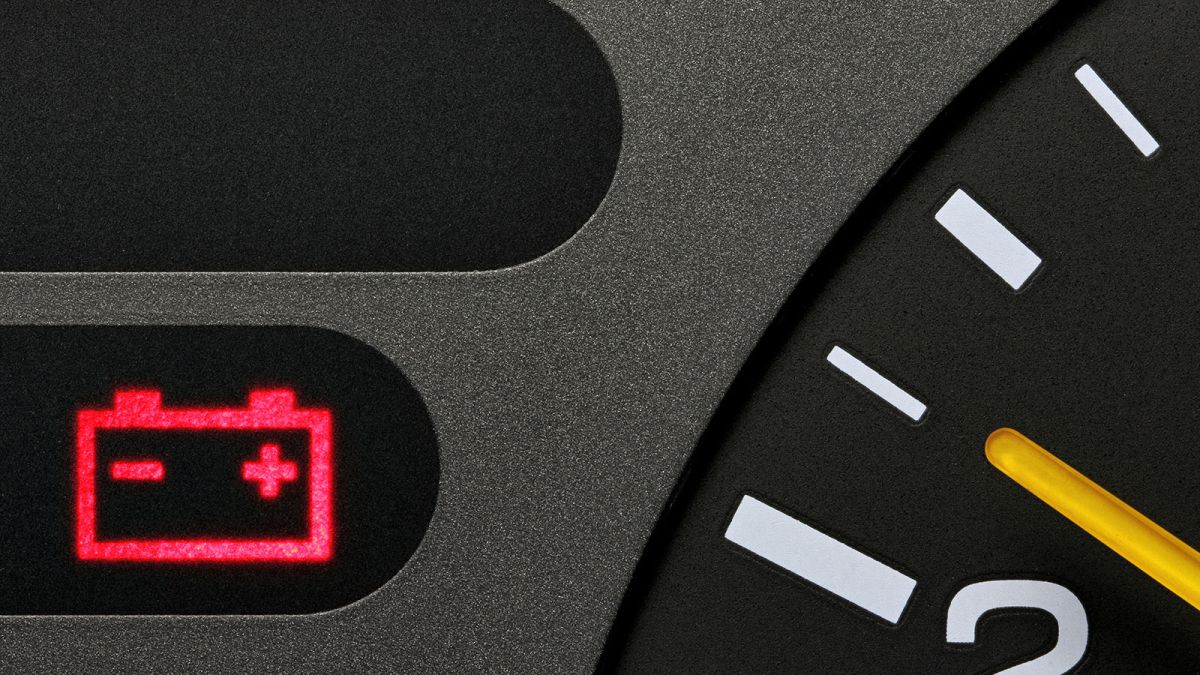
The red battery-shaped warning light on a vehicle's dashboard is one of the most commonly misunderstood warning indicators.
Many drivers assume that this light simply means the battery is weak or needs to be replaced. In reality, the warning light usually indicates a problem with the vehicle's charging system.
The charging system includes the battery, alternator, voltage regulator, drive belt, wiring, fuses, ground connections, and various electronic control systems.
When the engine is running, the alternator should generate electrical power and keep the battery charged. If the alternator stops charging correctly, the battery warning light may illuminate.
This is why the warning should not automatically be interpreted as a defective battery.
What Is the Alternator Warning Light?
The battery-shaped red symbol on the dashboard is commonly referred to as the battery warning light, charging system warning light, or alternator warning light.
The symbol normally resembles a small battery and may contain:
-
A positive (+) terminal
-
A negative (-) terminal
-
A rectangular battery shape
The exact design can vary between manufacturers.
When the ignition is switched on before starting the engine, this warning light normally illuminates along with several other dashboard warning lights. This is part of the vehicle's normal self-check procedure.
After the engine starts, the alternator should begin producing electrical power and the warning light should normally turn off.
The important situation is when the light remains illuminated after the engine starts or comes on while driving.
Does the Battery Warning Light Mean the Battery Is Dead?
Not necessarily.
The battery warning light generally indicates that the vehicle's electrical charging system is not operating as expected.
The battery itself may actually be in good condition.
For example, the warning light can come on because:
-
The alternator has stopped charging.
-
The voltage regulator has failed.
-
The alternator drive belt is loose.
-
The alternator belt has broken.
-
An electrical connection is poor.
-
A charging cable is damaged.
-
A fuse or fusible link has failed.
-
A ground connection has excessive resistance.
-
The alternator pulley has a problem.
Therefore, replacing the battery without testing the charging system may not solve the problem.
Why Does the Battery Warning Light Come On While Driving?
There are several possible causes of a battery or alternator warning light appearing while the engine is running.
Common causes include:
-
Alternator failure
-
Voltage regulator failure
-
Loose or damaged alternator belt
-
Broken drive belt
-
Loose battery terminals
-
Corroded electrical connections
-
Poor engine or chassis ground
-
Damaged alternator wiring
-
Blown charging-system fuse
-
Faulty alternator pulley
-
Weak or defective battery
-
Charging-system control or communication problems
The correct diagnosis requires testing the entire charging system rather than assuming that one particular component has failed.
What Does the Alternator Do?
The alternator is one of the most important components in the vehicle's electrical system.
When the engine is running, the alternator generates electrical power and supplies energy to the vehicle's electrical consumers while also maintaining the battery's state of charge.
The alternator can supply power to systems such as:
-
Headlights
-
Engine control units
-
Fuel injection systems
-
Ignition systems
-
Electric cooling fans
-
Climate control
-
Interior electronics
-
Heated windows
-
Electric power steering
-
Audio systems
-
Safety and driver-assistance systems
The battery stores electrical energy and provides high current for starting the engine. Once the engine is running, the alternator becomes the primary electrical power source.
What Happens When the Alternator Fails?
An alternator can fail while the engine continues to run normally for a certain period.
This sometimes makes drivers believe that the problem is not serious.
The reason the engine continues running is that the battery still contains stored electrical energy.
However, if the alternator is not charging, the vehicle gradually consumes the remaining battery energy.
As the battery voltage decreases, different systems may begin to malfunction.
Possible symptoms include:
-
Battery warning light
-
Dim headlights
-
Flickering dashboard lights
-
Slow electric windows
-
Weak blower motor
-
Start-stop system disabled
-
Power steering warning
-
ABS warning
-
ESP or traction-control warning
-
Engine warning light
-
Transmission warning
-
Difficulty starting
-
Engine stalling
Eventually, the battery may become completely discharged and the engine can stop.
Can a Loose Alternator Belt Cause the Warning Light?
Yes.
The alternator normally receives mechanical power from the engine through a belt-driven system.
If the belt becomes loose, slips, becomes damaged, or breaks, the alternator may not rotate at the required speed.
As a result, charging output can decrease or disappear completely.
A broken auxiliary belt can be particularly serious on some engines because the same belt may drive other components.
Depending on the engine design, these may include:
-
Alternator
-
Air-conditioning compressor
-
Water pump
-
Other auxiliary components
Therefore, a broken belt should not be treated as a simple battery problem.
What If the Battery Light Comes With a Belt Noise?
A battery warning light accompanied by a loud squealing, chirping, rubbing, or rattling noise from the engine compartment deserves immediate attention.
Possible causes include:
-
Slipping belt
-
Worn belt tensioner
-
Damaged idler pulley
-
Alternator bearing failure
-
Alternator pulley problem
-
Misalignment in the belt system
For example, if the battery warning light appears immediately after a loud belt squeal, the belt drive should be inspected before assuming that the battery has failed.
What Is the Alternator Voltage Regulator?
The voltage regulator controls the alternator's electrical output and helps maintain the charging voltage within an appropriate range.
A regulator problem can cause either insufficient or excessive charging.
Low charging voltage
The alternator does not provide enough electrical power, causing the battery to gradually discharge.
Excessive charging voltage
The alternator produces too much voltage, which can damage the battery and sensitive electronic components.
This is why simply checking whether the alternator is producing electricity is not enough. The charging voltage must also be within the appropriate range for the vehicle.
Can Battery Terminals Cause the Warning Light?
Yes.
Loose, dirty, or corroded battery terminals can create excessive electrical resistance and interfere with the charging system.
Important connections to inspect include:
-
Positive battery terminal
-
Negative battery terminal
-
Alternator output cable
-
Engine ground
-
Chassis ground
-
Ground straps
-
Charging-system connectors
A poor connection can sometimes make a healthy alternator appear to be defective.
Can a Weak Battery Cause the Battery Warning Light?
A weak or worn-out battery can contribute to charging-system problems, but a weak battery and a faulty alternator are not the same thing.
An old battery may have lost much of its capacity while the alternator is functioning correctly.
Conversely, the battery may be in excellent condition while the alternator is no longer charging it.
Both components should therefore be tested separately.
What Should You Do If the Battery Warning Light Comes On While Driving?
If the battery or alternator warning light comes on while driving, the vehicle should be treated as potentially having a charging-system failure.
If it is safe to do so, unnecessary electrical loads can be reduced.
For example:
-
Turn off unnecessary climate-control functions.
-
Turn off rear-window heating when it is no longer needed.
-
Reduce unnecessary electrical accessories.
-
Avoid using unnecessary auxiliary equipment.
However, essential safety equipment such as headlights should not be switched off when they are required.
The most important goal is to reach a safe location before the battery becomes completely discharged.
Can You Keep Driving With the Battery Warning Light On?
It is generally not advisable to continue driving for an extended period.
If the alternator is not charging, the vehicle is running from the energy stored in the battery.
How long the vehicle can continue operating depends on:
-
Battery capacity
-
Battery condition
-
Electrical load
-
Outside temperature
-
Vehicle design
-
Severity of the charging-system failure
There is no reliable universal driving distance.
The vehicle may continue operating for a while, or it may lose electrical power much sooner than expected.
Why Does the Battery Warning Light Sometimes Go Off and Come Back On?
An intermittent battery warning can be particularly difficult to diagnose.
Possible causes include:
-
Intermittent alternator failure
-
Worn alternator brushes
-
Voltage regulator problems
-
Loose wiring
-
Poor ground connection
-
Belt slipping
-
Alternator pulley problems
-
Charging-voltage fluctuations
A warning that disappears does not necessarily mean that the problem has been resolved.
If the light repeatedly comes on under certain conditions, the charging system should be tested while reproducing those conditions if possible.
Why Do Other Warning Lights Appear With the Battery Light?
Modern vehicles contain numerous electronic control modules that depend on stable electrical voltage.
When alternator output drops, system voltage can fall below the level required by some modules.
As a result, the vehicle may display several warnings simultaneously.
These can include:
-
ABS
-
ESP
-
Power steering
-
Airbag
-
Engine management
-
Transmission
-
Start-stop
-
Parking brake
-
Driver-assistance systems
This does not necessarily mean that all of these systems have failed.
A single charging-system problem can cause multiple electronic systems to report faults because they are all affected by low voltage.
Can Low Voltage Cause an Engine Warning Light?
Yes.
The engine control module requires a stable electrical supply to operate sensors, actuators, communication networks, and other components.
If system voltage becomes unstable, the ECU may record voltage-related or communication-related diagnostic trouble codes.
Some sensors may also produce implausible signals when their supply voltage is unstable.
For this reason, if a vehicle suddenly develops numerous unrelated fault codes at the same time as a battery warning light, the charging system should be checked before replacing individual sensors.
Can an Alternator Problem Cause a Steering Warning?
It can.
Many modern vehicles use electric power steering systems that require substantial electrical power.
If charging voltage drops significantly, the steering control system may detect insufficient voltage and activate a warning.
The steering may also become heavier depending on the vehicle's design and the severity of the voltage problem.
This is another reason why multiple warning lights appearing together can be caused by one underlying charging-system problem.
How Is the Charging System Tested?
A proper charging-system diagnosis involves more than simply looking at the battery warning light.
A technician may check:
-
Battery resting voltage
-
Battery condition
-
Charging voltage
-
Charging current
-
Alternator output
-
Voltage drop across charging cables
-
Battery terminals
-
Ground connections
-
Alternator wiring
-
Drive belt condition
-
Belt tension
-
Alternator pulley operation
-
Voltage regulator operation
-
Relevant diagnostic trouble codes
The vehicle may also need to be scanned for charging-system and energy-management faults.
What Is Different About Charging Systems in Modern Vehicles?
Charging systems have become considerably more sophisticated.
Older vehicles often operated the alternator using a relatively simple voltage-regulation strategy.
Modern vehicles can use intelligent charging systems that communicate with the engine or body control modules.
The charging strategy may consider:
-
Battery state of charge
-
Battery temperature
-
Electrical load
-
Engine operating conditions
-
Vehicle speed
-
Fuel economy
-
Start-stop operation
-
Deceleration and braking conditions
As a result, alternator voltage may not always remain at one fixed value under every driving condition.
This is important when diagnosing modern vehicles because a single voltage measurement may not provide the complete picture.
Can the Battery Be Replaced Without Testing the Alternator?
It can be replaced, but doing so without diagnosing the charging system can lead to an incorrect repair.
If the alternator is not charging correctly, installing a new battery may only provide a temporary improvement.
The new battery will eventually discharge again because the underlying charging problem remains.
For this reason, the battery and alternator should be tested together when the battery warning light comes on.
What Should Be Checked Before Replacing the Alternator?
An alternator should not automatically be replaced simply because the battery warning light is illuminated.
Before replacing it, the following should be inspected:
-
Drive belt
-
Belt tensioner
-
Idler pulleys
-
Alternator pulley
-
Battery terminals
-
Alternator wiring
-
Ground connections
-
Charging-system fuses
-
Voltage regulator
-
Battery condition
-
Charging voltage
-
Charging current
-
Relevant control modules
-
Diagnostic trouble codes
In some cases, the alternator itself is perfectly healthy and the real problem is a cable, connection, fuse, belt, or control signal.
Can a Bad Ground Cause Alternator Problems?
Yes.
The charging circuit requires good electrical connections between the alternator, engine, chassis, and battery.
A damaged or corroded ground strap can create excessive resistance.
This may result in:
-
Low charging voltage
-
Voltage fluctuations
-
Battery warning light
-
Intermittent electrical faults
-
Multiple warning lights
-
Difficult diagnosis
Ground connections should therefore be included in a complete charging-system inspection.
What Does the Battery Warning Light Mean at Startup?
Seeing the battery warning light immediately after switching on the ignition but before starting the engine is usually normal.
The vehicle activates several warning lights during its initial system check.
Once the engine starts and the alternator begins charging, the battery warning light should normally turn off.
If it remains illuminated after the engine starts, the charging system should be investigated.
Is the Alternator Warning Light the Same as a Battery Fault Light?
In everyday language, these terms are often used interchangeably.
Technically, however, the warning is better understood as a charging-system warning.
The dashboard symbol does not have enough information by itself to identify the exact failed component.
It tells the driver that the vehicle's electrical charging system may not be operating correctly.
The actual fault could be the battery, alternator, voltage regulator, wiring, belt, fuse, pulley, ground connection, or electronic control system.
Can the Battery Warning Light Be Caused by a Fuse?
Yes.
Some vehicles use high-current fuses or fusible links within the charging circuit.
If one of these fails, the alternator may be unable to deliver electrical power to the vehicle or battery.
The alternator itself may still be mechanically and electrically functional, but the charging circuit can remain incomplete.
Therefore, charging-system fuses should be checked before condemning the alternator.
Can an OBD Scanner Diagnose a Charging-System Problem?
An OBD scanner can be useful, particularly on modern vehicles.
Depending on the vehicle, the scanner may reveal:
-
System-voltage faults
-
Generator-related faults
-
Battery-monitoring faults
-
Communication errors
-
Energy-management faults
-
Control-module voltage errors
However, an OBD scanner should not replace physical electrical testing.
A scanner can show what the vehicle's control modules have detected, but voltage, current, wiring, belt condition, and electrical connections may still need to be physically tested.
Final Thoughts
The battery warning light and alternator warning light generally indicate a charging-system problem rather than simply a dead battery.
It is normal for the warning light to illuminate when the ignition is switched on before the engine starts. It should normally turn off once the engine is running and the alternator begins supplying electrical power.
If the red battery symbol remains on after starting the engine or appears while driving, the alternator, voltage regulator, drive belt, battery terminals, wiring, fuses, ground connections, and charging control system should be checked.
The most important point is that a battery warning light does not automatically mean that the battery needs to be replaced. The alternator or another part of the charging system may be responsible.
If the warning appears together with several other electronic warning lights, low system voltage should be considered as a possible common cause. Diagnosing the charging system before replacing individual components can prevent unnecessary repairs and help identify the real source of the problem.